Hit enter to search or ESC to close
2 February 2026
Selecting the appropriate fish hatchery net is crucial for successful aquaculture operations. A well-chosen net ensures fish health, optimizes growth, and minimizes losses. This article will explore the key considerations when purchasing a fish hatchery net, covering materials, mesh sizes, construction techniques, and applications. We will also delve into how choosing the right net can significantly impact the efficiency and profitability of your hatchery.
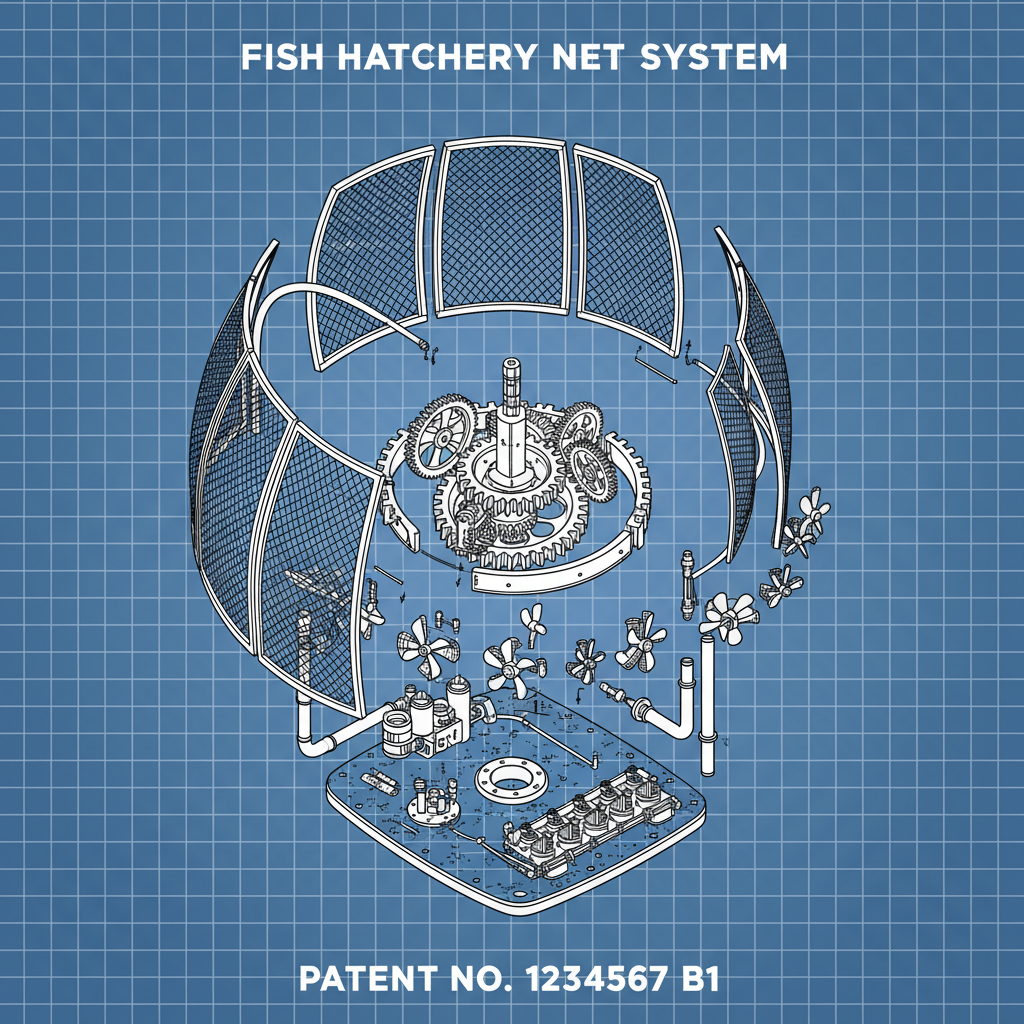
Fish hatchery nets are not simply containers; they're integral to creating a safe and controlled environment for young fish. The quality of the net directly impacts water flow, oxygenation, and the prevention of disease. A durable net reduces the risk of fish escaping, minimizing economic losses. Furthermore, the material composition needs to be non-toxic and resistant to degradation from UV exposure and common water treatments. Properly designed nets facilitate easy feeding, observation, and harvesting, streamlining hatchery operations. Investing in high-quality fish hatchery nets is an investment in the overall health and productivity of your operation.
Key Benefits of Quality Nets: Improved fish health, reduced escape rates, enhanced water quality, and streamlined hatchery processes.
Several materials are commonly used in fish hatchery net production, each with its own advantages and disadvantages. Nylon is a popular choice due to its strength, abrasion resistance, and relatively low cost. Polyester nets offer excellent UV resistance and are less prone to stretching. Polyethylene is lightweight and affordable, often used for temporary applications. However, polyethylene generally lacks the durability of nylon or polyester. High-density polyethylene (HDPE) is a more robust option within the polyethylene family. The ideal material depends on the species being raised, the water conditions, and the intended lifespan of the net.
Material Comparison:
• Nylon: High strength, good abrasion resistance, cost-effective.
• Polyester: Excellent UV resistance, minimal stretching.
• Polyethylene: Lightweight, affordable, lower durability.
• HDPE: More durable than standard polyethylene, good chemical resistance.
Mesh size is a critical factor influencing fish growth and survival. Too large a mesh allows small fish to escape, leading to losses. Too small a mesh restricts water flow, reducing oxygenation and potentially causing fouling. The optimal mesh size depends on the species, life stage, and desired stocking density. Fingerlings require smaller mesh sizes than juveniles or adults. Consulting with aquaculture experts or referring to species-specific guidelines is recommended. HTM Mesh Machines offers a wide range of mesh sizes to cater to diverse hatchery needs.
The construction of the net significantly impacts its durability and performance. Knitted nets are commonly used due to their flexibility and cost-effectiveness. Woven nets offer greater strength and are less prone to unraveling. The knotless netting provides smoother surfaces and reduces fish abrasions. The design of the net – whether it's a circular, square, or rectangular shape – should align with the specific hatchery setup and species being cultivated. Reinforced edges and seams are essential for preventing tears and extending the net's lifespan.

Selecting a reputable supplier is paramount. HTM Mesh Machines is a leading manufacturer of high-quality fish hatchery nets, offering a wide range of materials, mesh sizes, and custom designs. We pride ourselves on delivering durable, reliable products and exceptional customer service. We use advanced manufacturing techniques and rigorous quality control measures to ensure our nets meet the highest industry standards. Our team can provide expert guidance to help you select the perfect net for your specific hatchery requirements.
Choosing the right fish hatchery net is an investment in the health, productivity, and profitability of your aquaculture operation. By carefully considering the material, mesh size, construction, and supplier, you can ensure optimal performance and minimize potential losses. Don't compromise on quality – choose HTM Mesh Machines for durable, reliable nets tailored to your specific needs.
The replacement frequency depends on several factors, including the net material, water conditions, stocking density, and frequency of use. Generally, nets should be inspected regularly for damage such as tears, holes, or degradation. Nylon nets typically last 2-3 years, while polyester nets can last 5-7 years under ideal conditions. If you notice significant wear and tear, it's time to replace the net to prevent fish escapes and maintain water quality. Regular cleaning can also extend the lifespan of your nets.
Small tears and holes can often be repaired with specialized net mending tools and materials. However, extensive damage or degradation may warrant replacement. Patching should be done carefully to ensure a secure and durable repair that doesn't compromise the net's structural integrity. It's important to use materials compatible with the original net material to prevent further damage. For significant repairs, contacting a professional net repair service is recommended.
Regular cleaning is crucial for maintaining water quality and preventing the buildup of algae and debris. Nets can be cleaned by gently hosing them down with fresh water. Avoid using harsh detergents or chemicals, as these can be harmful to fish. In some cases, a mild bleach solution (diluted significantly) can be used to disinfect the nets, but thorough rinsing is essential afterward. Allowing the nets to dry completely before storing them can help prevent mold and mildew growth.
Yes, absolutely. Different fish species have varying sizes and behaviors, influencing the ideal mesh size. Smaller species and fry require significantly smaller mesh sizes to prevent escape. Larger species may require larger mesh sizes to ensure adequate water flow and prevent crowding. It's crucial to research the specific requirements of the fish species you are raising and select a mesh size accordingly. Consulting with aquaculture experts can provide valuable guidance on mesh size selection for specific species.