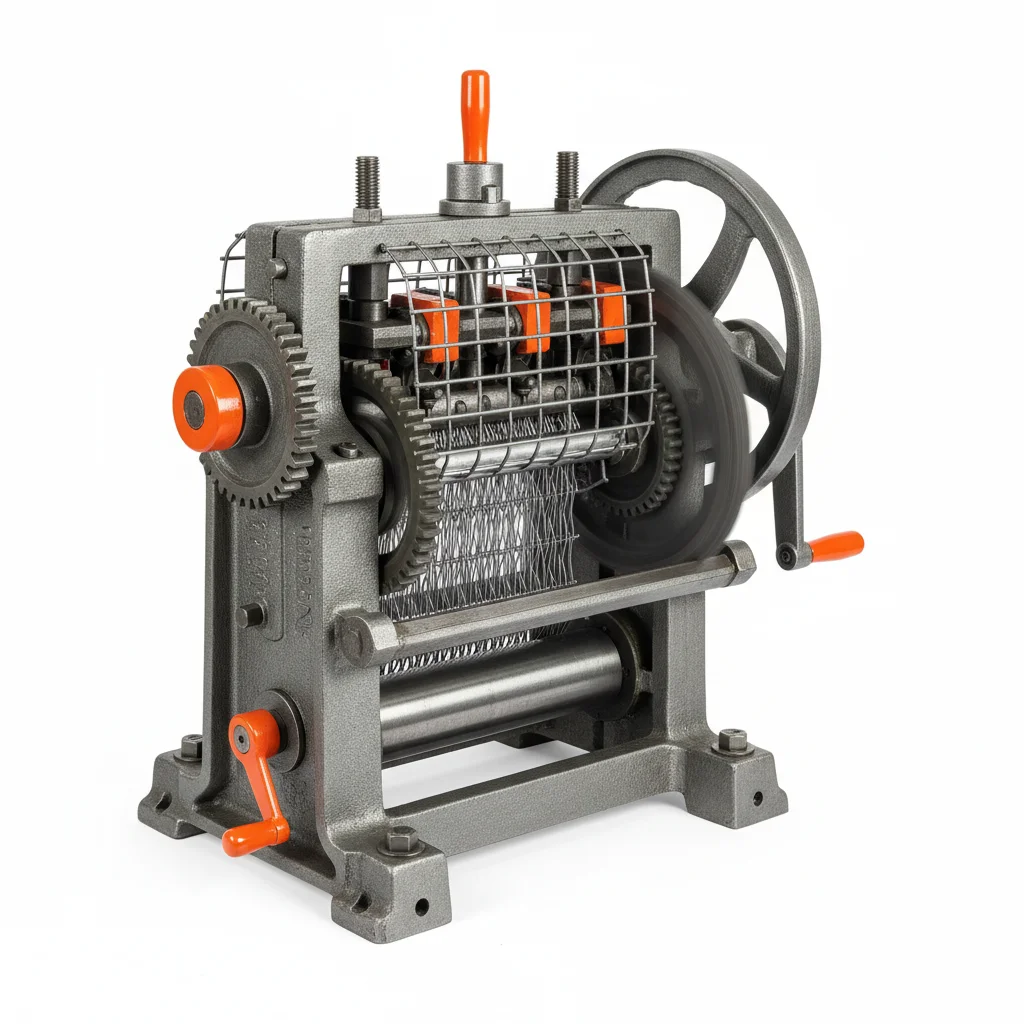
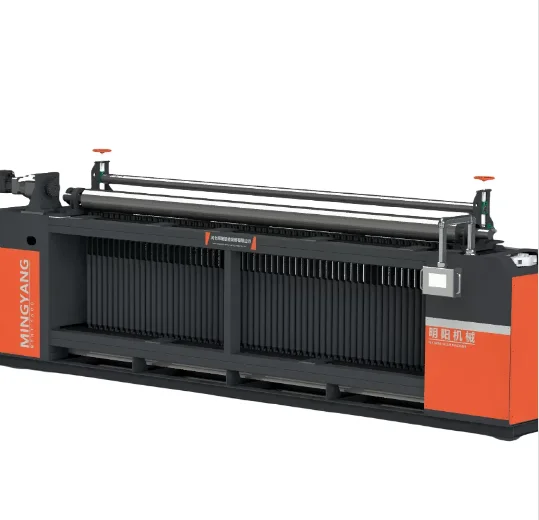
Selecting the right production equipment for erosion control and civil engineering often comes down to the precision of the weave. A high-performance gabion wire mesh machine is not merely a piece of hardware but a critical asset that determines the structural integrity of river embankments and retaining walls.
For manufacturers in the metallurgical and mechanical equipment sector, the transition from manual or semi-automatic weaving to PLC-controlled heavy-duty systems represents a significant leap in output consistency. The challenge lies in maintaining tight tolerances across varying wire diameters while ensuring the machine can handle the rigorous demands of industrial-grade galvanized steel.
This analysis explores the technical architecture, operational efficiency, and procurement benchmarks for modern gabion weaving technology, providing a framework for operators looking to scale their production capacity without compromising on weave quality.

The Technical Architecture of Heavy-Duty Gabion Weaving

At its core, a professional gabion wire mesh machine must manage the complex interplay between wire tension and twisting precision. The heavy-type PLC systems utilize a dual-rack design where both front and rear racks are powered, ensuring that the mechanical force is evenly distributed during the weaving process. This prevents the mesh from distorting, especially when working with thicker wire diameters ranging from 2.0mm to 4.0mm.
The integration of PLC (Programmable Logic Controller) allows for the seamless switching of twist data. Operators can transition between three, five, and seven twists with a single key command, which is essential for meeting different international standards for gabion basket stability. This flexibility eliminates the need for cumbersome manual adjustments or complex electronic cam programming.
Furthermore, the structural stability is reinforced by an integrated double rack design. By streamlining the rack movement, the equipment occupies less floor space while maintaining a safer and more stable operation, reducing vibration that could otherwise affect the precision of the mesh size, such as the common 5070mm or 80100mm configurations.
Core Engineering Advantages of Servo-Driven Systems
The shift toward servo motors as the primary power source has redefined the accuracy of mesh production. Unlike traditional induction motors, servo motors provide precise control over rotation and positioning, which is critical for the "thorn shaft" operations. The ability to switch arbitrarily between intermittent and continuous rotation ensures that the twist is locked securely without stretching the wire.
Lubrication is another often-overlooked technical pillar. Advanced machines now utilize fully enclosed lubricating oil tanks on both sides, employing a timed circulation method. This not only ensures that the motion mechanism is constantly lubricated but also acts as a cleaning function, preventing dust and metallic impurities from entering the operating mechanism and causing premature wear.
When evaluating the mechanical structure, the emphasis on "heavy type" refers to the overall mass and rigidity of the frame. With main engines often weighing over 18 tons, these machines are designed to minimize resonance. This high-inertia design allows for faster weaving speeds without compromising the machining accuracy of the mesh width and hole size.
Critical Applications in Civil Infrastructure and Ecology
Gabion mesh is indispensable in modern geotechnical engineering. The primary application is the construction of gravity retaining walls, where the woven mesh holds crushed stone in place. These structures are favored for their permeability, which allows water to drain freely, reducing hydrostatic pressure behind the wall—a common cause of failure in concrete structures.
In river engineering, these meshes are used for bank stabilization and scour protection. By creating flexible mattresses, engineers can protect bridge piers and riverbeds from erosion. The ability of the machine to produce different twist densities (3/5/7 twists) allows the end-user to customize the strength of the basket based on the flow velocity of the water and the weight of the fill material.
Beyond heavy civil works, these machines support the production of specialized cages for environmental restoration, such as tree root baskets and shoreline protection. The flexibility of the equipment to handle customized mesh widths means it can adapt to project-specific requirements, from small-scale urban landscaping to massive highway embankment projects.
Analyzing Production Efficiency and Weaving Precision
Measuring the efficiency of a gabion wire mesh machine requires looking beyond simple output speed. The real metric is "effective yield," which accounts for the reduction in waste and the decrease in downtime required for debugging. Servo-based PLC systems significantly lower the debugging time compared to traditional electronic cam systems.
The following data illustrates the performance gap between standard industrial weaving benchmarks and high-precision PLC-driven systems across key operational dimensions.
gabion wire mesh machine Performance Metrics
As indicated, the precision in mesh size and the reduction in setup time are the most prominent advantages. While the raw speed increase is notable, the stability of the weave—meaning fewer rejected batches—provides the highest ROI for the manufacturer.
Operational Best Practices for Long-Term Machine Reliability
Maintaining a heavy-duty weaving machine requires a disciplined approach to preventative maintenance. Because these machines operate under high tension and constant friction, the timing of the circulation lubrication system is critical. Operators should monitor the oil levels in the enclosed tanks daily to ensure no contaminants have bypassed the filtration system.
Wire quality also plays a pivotal role in machine health. Using wire with inconsistent diameters or poor galvanization can lead to "snagging" in the weaving head, which puts undue stress on the servo motors. It is recommended to use a wire drawing machine to ensure a uniform diameter before feeding the material into the gabion machine.
Regularly calibrating the PLC twist data is another essential practice. Over time, mechanical wear can lead to slight deviations in the twist angle. Periodic checks against a physical template ensure that the 3, 5, or 7 twists remain within the specified tolerance for the project's quality control standards.
Future Trends in Automated Mesh Fabrication Technology
The industry is moving toward fully integrated production lines where the weaving machine is linked to automated cutting and spring winding machines. This reduces the manual handling of heavy mesh rolls, which is currently a primary bottleneck in the production flow. We may see a rise in AI-driven tension sensors that adjust the servo speed in real-time based on the wire's elasticity.
Another emerging trend is the diversification of materials. While galvanized steel remains the standard, there is a growing demand for polyester-coated wires to prevent corrosion in high-salinity marine environments. This requires machines that can handle different friction coefficients without damaging the coating during the twisting process.
Furthermore, the integration of Industry 4.0 protocols is likely to allow remote monitoring of machine health. Predictive maintenance, powered by vibration analysis sensors, could alert operators to a bearing failure before it causes a production stoppage, thereby maximizing the overall equipment effectiveness (OEE).
Strategic Selection Guide for Industrial Mesh Equipment
Choosing between different tiers of weaving equipment depends on the intended production volume and the required technical specifications of the final product. A "heavy type" machine is an investment for those targeting government infrastructure contracts, where strict adherence to twist counts and wire diameter is non-negotiable.
The following table compares different technical approaches to gabion production to help procurement managers align their choice with their business goals.
| Technical Approach | Control System | Primary Use Case | Maintenance Need |
|---|---|---|---|
| Manual/Semi-Auto | Mechanical Cam | Small local projects | High (Frequent adj.) |
| Standard PLC | Basic Servo | General fence production | Medium (Scheduled) |
| Heavy-Duty PLC | Dual-Rack Servo | Civil Eng. / Gabions | Low (Auto-lube) |
| Customizable PLC | Advanced Servo | Specialty mesh sizes | Medium (Calibration) |
| Integrated Line | Synced Control | Massive industrial output | High (Systemic) |
| Hybrid Weaving | Variable Speed | Mixed product lines | Medium (Versatile) |
Ultimately, the decision should balance the initial capital expenditure with the long-term gains in speed and quality. For those seeking a reliable, long-term solution, the combined benefits of a dual-rack design and servo-driven control provide the most stable path to market competitiveness.
Frequently Asked Questions
Conclusion
The efficiency of gabion production is fundamentally tied to the precision of the weaving equipment. By integrating servo-driven controls, dual-rack stability, and automated lubrication, manufacturers can achieve a level of consistency that meets the most stringent civil engineering standards.
For professionals evaluating their production capabilities or looking to upgrade their current facility, reviewing the detailed specifications and engineering standards available through www.htmeshmachines.com can provide the necessary technical clarity to make an informed investment.