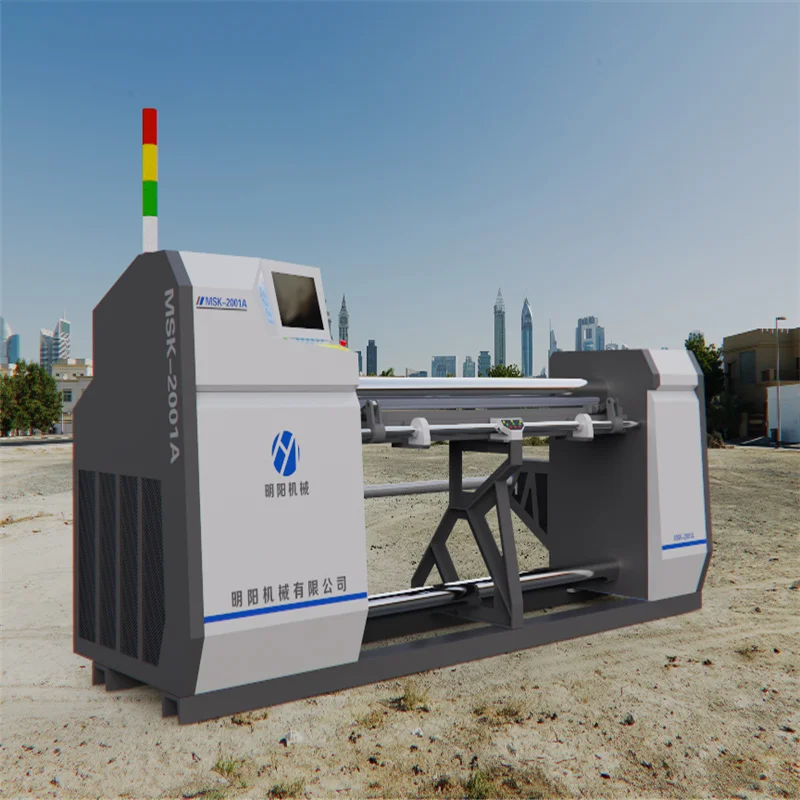
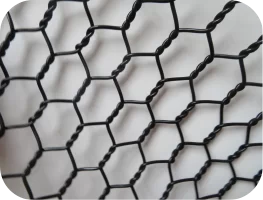
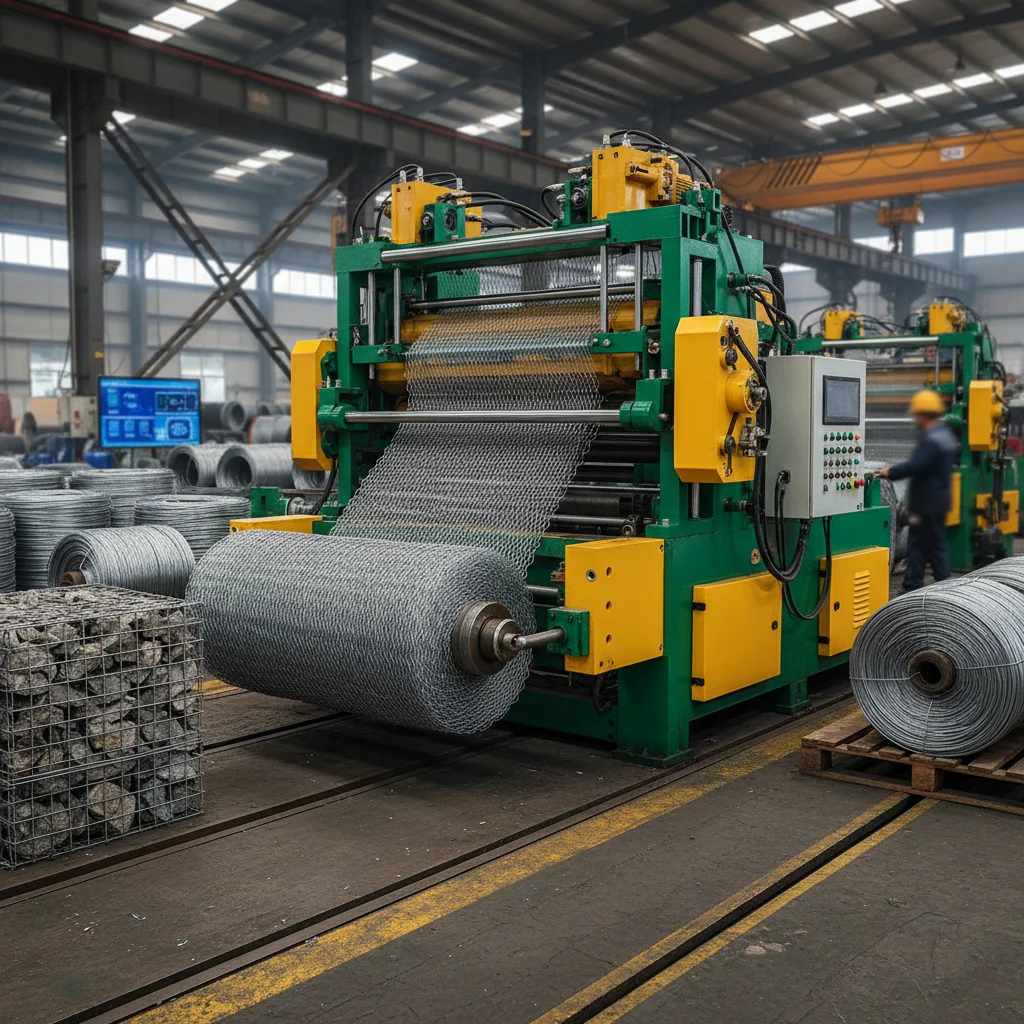
The global demand for versatile fencing and containment solutions has led to a significant evolution in the production of wire mesh. Among these, the hexagonal wire mesh machine stands out as a critical piece of industrial equipment, enabling the creation of flexible, durable, and structurally sound mesh used in everything from agricultural boundaries to sophisticated industrial insulation. Understanding the mechanics and efficiency of these machines is essential for manufacturers looking to scale their production while maintaining strict quality standards.
In today's competitive manufacturing landscape, the transition toward automation has redefined how we perceive wire weaving. The modern hexagonal wire mesh machine is no longer just a mechanical loom but a precision-engineered system designed to reduce waste and optimize labor. By integrating programmable logic controllers (PLC) and optimized horizontal structures, these machines address the historical challenges of high energy consumption and labor-intensive operation.
Whether you are producing small-scale mesh for floral decoration or heavy-duty fencing for livestock, the choice of machinery determines your long-term profitability. Investing in a high-performance hexagonal wire mesh machine ensures that your business can adapt to customized market demands, such as varying mesh sizes and wire diameters, while significantly lowering the cost per meter of finished product.

Engineering Design of Hexagonal Wire Mesh Machines
The structural integrity of a hexagonal wire mesh machine is rooted in its horizontal design. Unlike older vertical models, the horizontal structure ensures that the machine runs more smoothly, reducing vibration and mechanical wear. This stability is crucial when weaving high-tension wires, as it prevents deformation of the hexagonal cells and ensures a consistent mesh width across the entire roll.
Furthermore, the introduction of positive twisted weaving technology has allowed for the production of much smaller mesh sizes. With the ability to create mesh as small as 10mm, these machines open up new market opportunities in precision insulation and decorative arts, moving beyond the traditional constraints of heavy-duty fencing.
Core Technical Specifications and Parameters
Precision in production starts with a deep understanding of machine parameters. A high-quality hexagonal wire mesh machine must handle a wide spectrum of wire diameters, typically ranging from 0.38mm for delicate applications up to 1.5mm for reinforced fencing. This flexibility allows operators to switch between lightweight poultry netting and robust industrial barriers without needing entirely different equipment.
The mesh size capabilities are equally diverse, with common configurations including 3/8, 1/2, 5/8, 3/4, and larger sizes up to 55mm. Each size is paired with specific motor power requirements, ranging from 3KW to 5KW, ensuring that the torque is sufficient to handle the twisting and weaving process without overheating the system.
Beyond the weaving unit, the integration of auxiliary equipment such as Spring Winding Machines and Spool Winding Machines is essential. These components ensure that the raw wire is fed consistently and the finished mesh is wound neatly, preventing tangles and reducing the need for manual correction during high-speed production runs.
Operational Efficiency and Labor Reduction
One of the most significant advancements in the modern hexagonal wire mesh machine is the implementation of PLC (Programmable Logic Controller) systems. By digitizing the control mechanism, the complexity of the weaving process is greatly simplified, allowing for precise adjustments to mesh tension and speed with minimal human intervention.
From a labor perspective, the efficiency of the hexagonal wire mesh machine is transformative. Where older systems required a large crew to manage feeding and winding, the new automated design allows just two people to operate the entire line. This reduction in manpower directly translates to lower long-term labor costs and a higher profit margin per unit.
Moreover, the reduction in physical footprint means that factories can maximize their floor space. A more compact hexagonal wire mesh machine doesn't just save room; it optimizes the workflow by bringing the feeding and collection points closer together, further streamlining the production cycle.
Material Versatility and Adaptability
The ability to process different types of wire is a hallmark of a professional-grade hexagonal wire mesh machine. Whether working with galvanized iron wire for corrosion resistance or plastic-coated wire for aesthetic and environmental protection, the machine maintains consistent tension. This versatility ensures that the resulting mesh is suitable for harsh outdoor environments or sterile indoor settings.
Adaptability also extends to the final product's application. Because the machine can handle customized types, manufacturers can produce specialized mesh for pipeline insulation, breeding cages, or even high-end wedding flower arrangements. This capability allows a single factory to serve multiple industries simultaneously.
Performance Comparison of Hexagonal Wire Mesh Machine Configurations
Global Industrial Applications
The products generated by a hexagonal wire mesh machine are utilized globally across diverse sectors. In agriculture, these meshes are indispensable for creating poultry runs and livestock enclosures that are both secure and flexible. In civil engineering, the mesh is often used for slope stabilization and erosion control, where its ability to conform to irregular terrain is a critical advantage.
Beyond heavy industry, the finer mesh produced by these machines finds its way into the creative and domestic markets. From pipeline insulation in urban infrastructure to the delicate lattices used in floral decoration and wedding arrangements, the versatility of the output proves that the machinery is a cornerstone of both utilitarian and aesthetic production.
Sustainable Manufacturing and Cost Savings
Sustainability in the wire mesh industry is achieved through the reduction of waste and energy. The innovative design of the current hexagonal wire mesh machine focuses on a reduced volume and smaller footprint, which significantly cuts down on the electricity required to power the weaving cycle. This energy efficiency is a key factor for companies aiming to meet green manufacturing standards.
Cost reduction is not just about electricity; it is about the total cost of ownership. By minimizing the need for frequent part replacements through a smoother horizontal running structure and reducing the labor force from a large team to just two skilled operators, the machine lowers the overhead costs of production significantly.
Furthermore, the ability to use a wide range of materials—including coated wires—means that the end product has a longer lifespan and requires less maintenance. This creates a cycle of value where the efficiency of the machine leads to a more sustainable and durable product for the end consumer.
Comparative Performance Analysis
When analyzing the performance of different weaving systems, the positive twisted hexagonal mesh machine demonstrates superior results in minimum mesh size and operational stability. By focusing on the synergy between motor power and wire diameter, manufacturers can achieve a level of precision that was previously impossible with standard weaving looms.
The integration of PLC controls allows for rapid changeovers between different product specifications. This means that a factory can move from producing a 10mm mesh for insulation to a 55mm mesh for fencing in a fraction of the time, drastically increasing the machine's utilization rate and overall ROI.
Ultimately, the value of a hexagonal wire mesh machine lies in its ability to combine high output with low input. The following analysis provides a detailed look at how different technical parameters impact the final output quality and operational cost.
Technical Performance Analysis of Hexagonal Mesh Production
| Wire Diameter (mm) |
Mesh Size Range |
Motor Power (KW) |
Application Suitability |
| 0.38 - 0.5 |
10mm - 20mm |
3 / 5 |
Floral/Insulation |
| 0.38 - 0.8 |
20mm - 30mm |
5 |
Poultry/Breeding |
| 0.38 - 1.0 |
30mm - 40mm |
5 |
Standard Fencing |
| 0.38 - 1.2 |
40mm - 50mm |
5 |
Industrial Barriers |
| 0.4 - 1.5 |
50mm - 60mm |
5 |
Heavy Duty Gabions |
| 0.5 - 1.5 |
60mm+ Custom |
5 |
Custom Engineering |
FAQS
Thanks to new positive twisted designs, modern machines can now produce a minimum mesh size of 10mm. This is particularly useful for specialized applications such as pipeline insulation and delicate floral decorations where smaller, tighter cells are required.
Yes, these machines are engineered for versatility. They can weave both galvanized iron wire and PVC-coated wires, allowing manufacturers to produce mesh that is resistant to corrosion and visually appealing for various commercial uses.
The PLC (Programmable Logic Controller) simplifies operation by automating complex timing and tension settings. This reduces the need for constant manual adjustment, minimizes human error, and allows a small crew of just two people to manage the entire production line efficiently.
A horizontal structure provides significantly more stability during the weaving process. This results in smoother operation, reduced vibration, and less mechanical wear and tear, which in turn ensures that the hexagonal mesh remains consistent in width and shape.
To maximize efficiency, it is recommended to use a Spring Winding Machine and a Spool Winding Machine. These ensure that the raw material is fed at a constant rate and the finished hexagonal mesh is wound into rolls securely without tangling.
Cost reduction is achieved through three main avenues: significantly lower electricity consumption due to a reduced machine volume, a dramatic decrease in labor costs since only two operators are needed, and higher efficiency in material usage which reduces waste.
Conclusion
The evolution of the hexagonal wire mesh machine has transformed wire weaving from a labor-intensive craft into a high-precision industrial process. By combining horizontal stability, PLC automation, and the ability to handle a wide range of wire diameters and coatings, these machines provide an unparalleled balance of versatility and efficiency. From the smallest 10mm decorative meshes to heavy-duty industrial fencing, the capacity to customize output ensures that manufacturers can meet diverse global demands while maintaining strict quality control.
Looking forward, the industry will likely see further integration of smart sensors and energy-saving technologies, further reducing the environmental footprint of production. For businesses aiming to scale their operations, investing in modern, automated weaving technology is no longer optional—it is a strategic necessity for survival and growth. We invite you to explore the full range of our high-performance solutions by visiting our website: www.htmeshmachines.com