Understanding the High Carbon Wire Drawing Machine: Why It Matters Globally
When you hear "high carbon wire drawing machine," it might sound like just a niche piece of industrial equipment. But honestly, this machine is a quiet powerhouse in the manufacturing world. It plays a pivotal role in turning thick rods of high carbon steel into thin, strong wires used in everything from construction to electronics, automotive parts, and even medical devices. The process sounds straightforward: pulling metal through successively smaller dies to reduce diameter and enhance strength. Yet, the implications ripple far beyond factories.
Globally, the demand for high-strength wire keeps growing — driven by infrastructure needs in rapidly urbanizing regions and the quest for sustainable, long-lasting materials. According to the International Organization for Standardization (ISO), manufacturers focusing on high carbon steel wire production must juggle the pressures of durability, cost-efficiency, and environmental standards simultaneously. So understanding the nuances and value of a high carbon wire drawing machine helps businesses stay competitive and contributes to broader economic development.
---
Global Context: The Industry’s Growing Footprint
Recent data from the World Bank shows steel consumption is poised to increase by about 2% annually worldwide, with emerging economies investing billions in infrastructure development. The high carbon wire market is no exception. These wires, made from carbon-rich alloys, withstand tension and wear better than most alternatives.
However, a challenge persists: contradicting sustainability goals. Producing high carbon wire is energy-intensive, and industries face mounting pressure to reduce carbon footprints. Enter the high carbon wire drawing machine—a tool continually evolving to deliver efficiency without compromising quality. Manufacturers across Asia, Europe, and the Americas are innovating machine designs that meet stricter environmental regulations and automate processes to minimize waste.
In real terms, these machines aren’t just pieces of hardware; they’re linchpins in global development efforts.
Mini takeaway: The high carbon wire drawing machine is integral to meeting rising steel demands while balancing sustainability and industrial growth worldwide.
---
What Is a High Carbon Wire Drawing Machine?
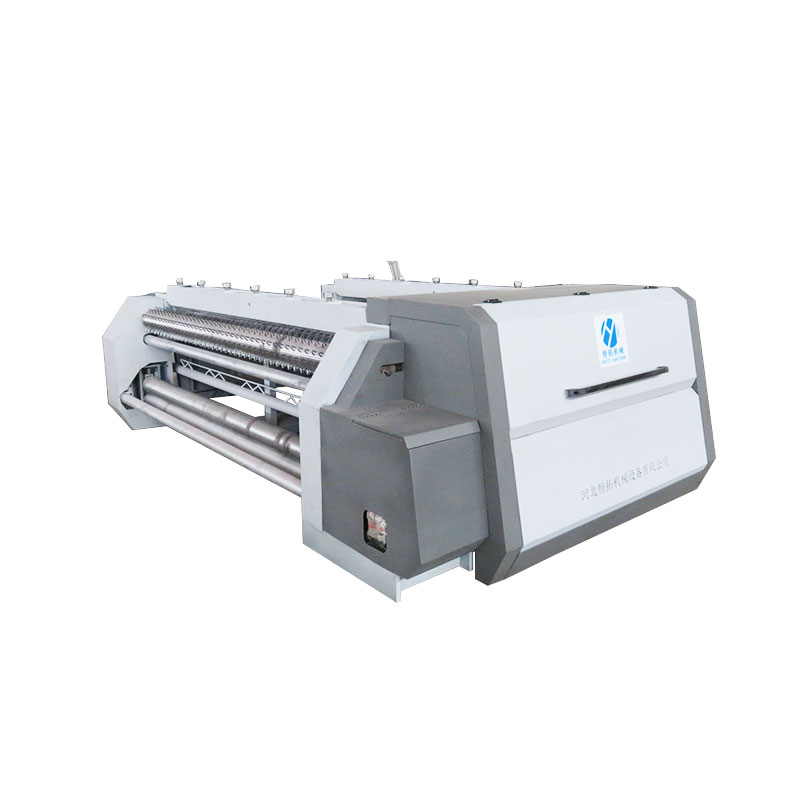
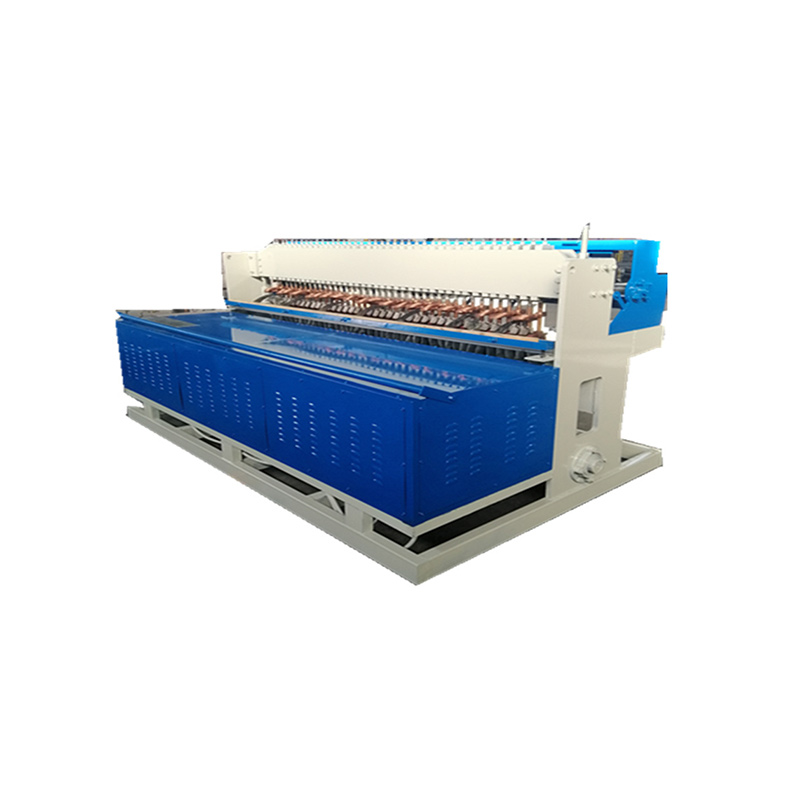
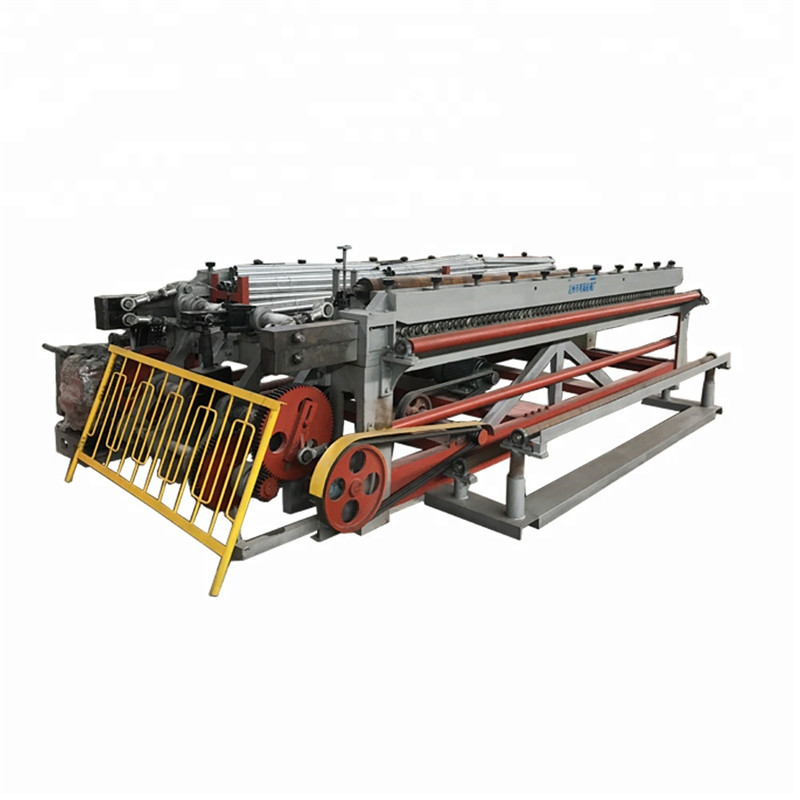
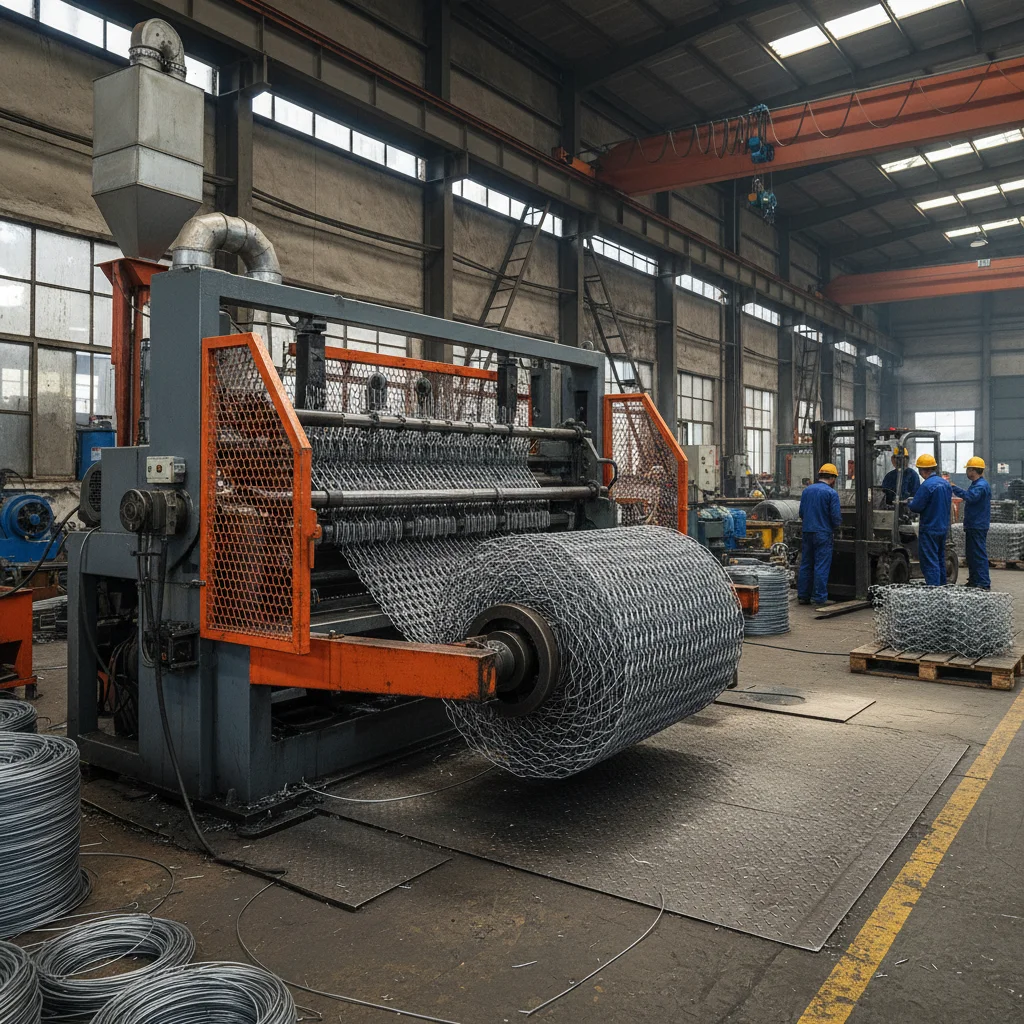
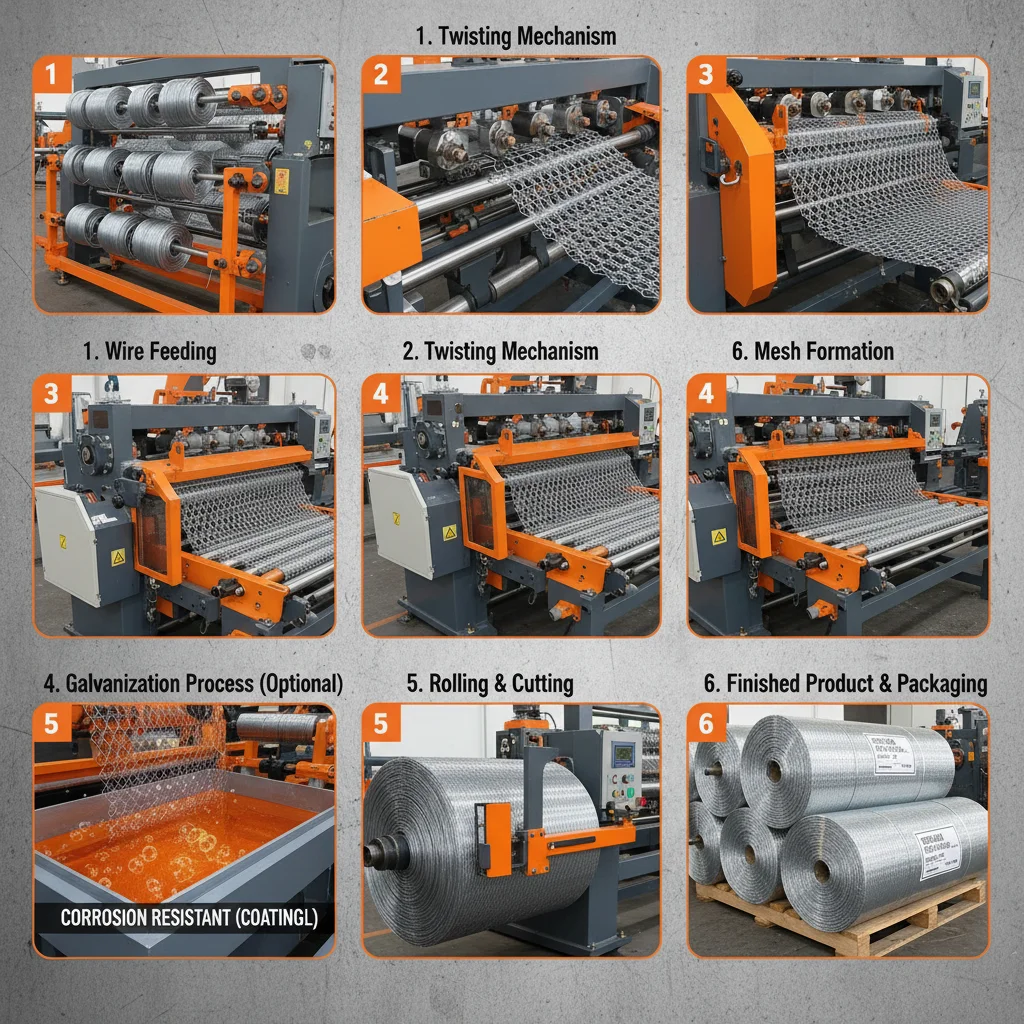
Simply put, a high carbon wire drawing machine is industrial equipment designed to pull thick rods or bars of high carbon steel through tapered dies—those cone-shaped metal holes that reduce wire diameter step by step. As the wire is drawn, it gains tensile strength and improved surface finish.
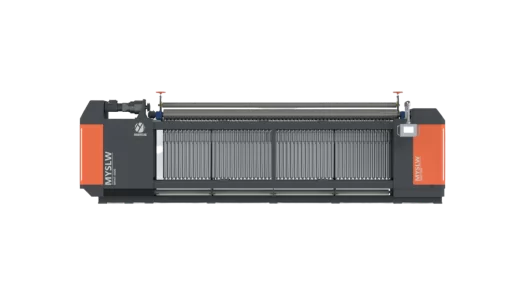
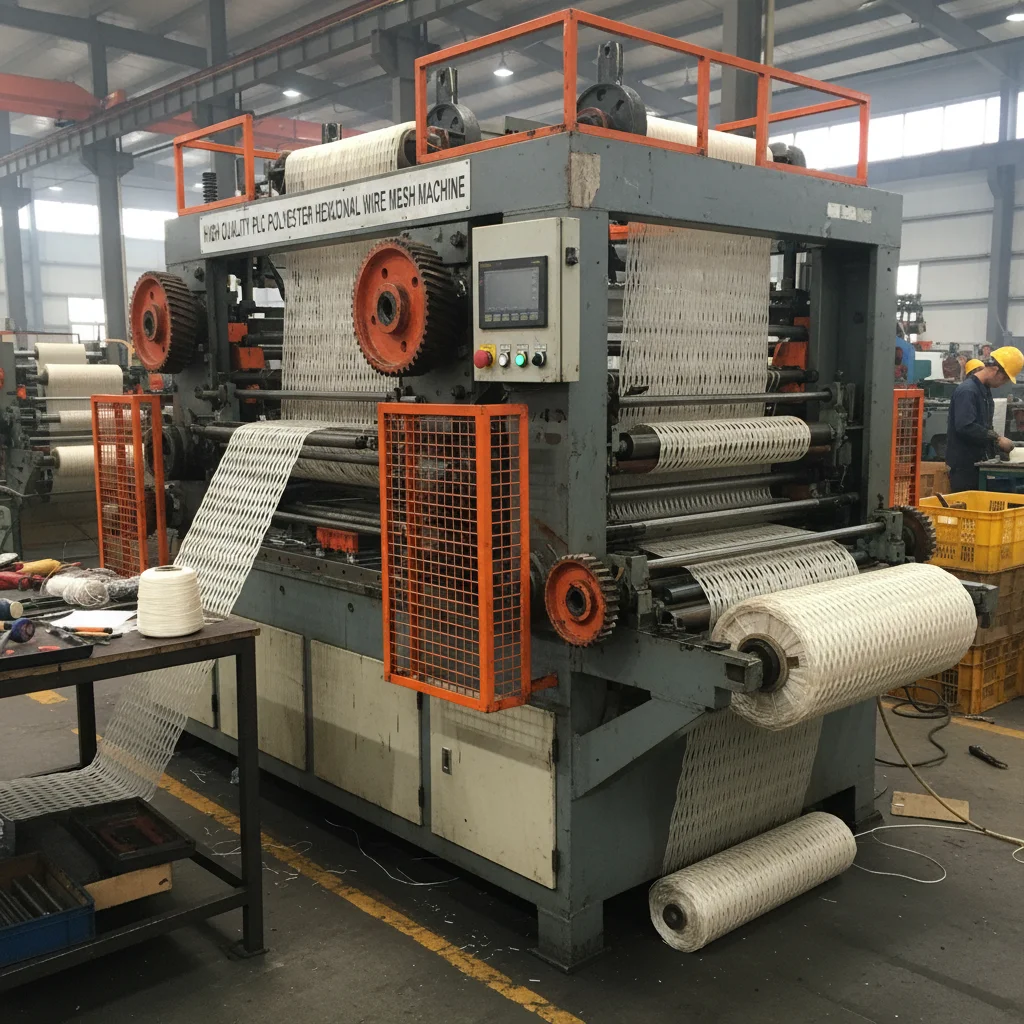
High carbon steel itself contains roughly 0.6% to 1.0% carbon, making it much harder and stronger than typical mild steel. The machine must handle this rigid material delicately to avoid cracking or deforming the wire. In modern manufacturing, these machines often feature powerful motors, precision dies, and automated control systems that monitor tension, speed, and temperature.
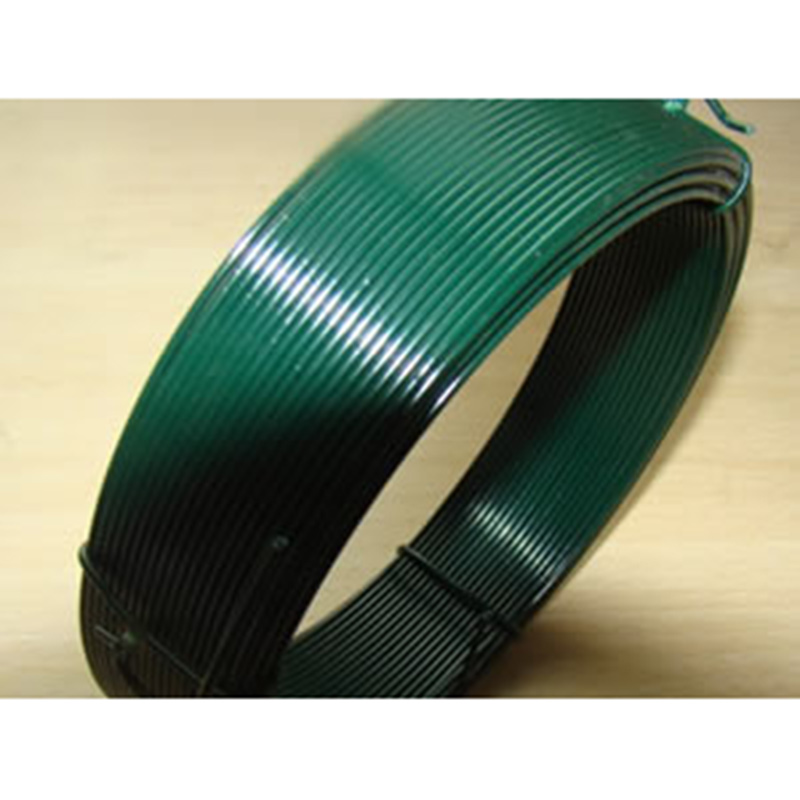
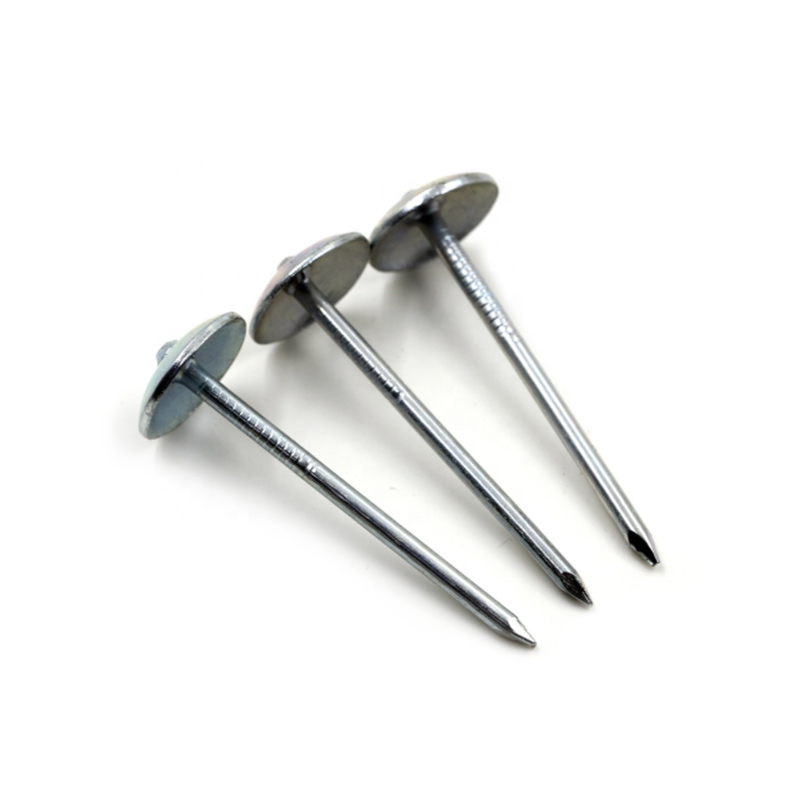
Their role goes beyond just shaping wire. They enable the production of cables in bridges, springs in automotive suspensions, cutting tools, surgical needles, and reinforcing mesh for concrete. In short, this machine connects the raw strength of steel with the versatility demanded across industries.
---
Core Components You Should Know
Robust Drawing Capabilities
These machines excel at reducing wire diameter from several millimeters to as thin as 0.1 mm in multiple stages. The process requires exact tension control to maintain quality without snapping the wire.
High-Precision Dies
The drawing dies, usually made from tungsten carbide or diamond-coated materials, are the unsung heroes. Their durability is crucial since frequent die changes slow production and increase costs.
Cooling and Lubrication Systems
Drawing high carbon wire generates substantial heat due to friction. Efficient cooling systems—water baths, oil lubricants, or synthetic fluids—preserve equipment lifespan and wire integrity.
Automation & Control Panels
Modern machines integrate computerized controls to fine-tune speed and tension in real-time. This means less human error and consistent outcomes even with varying raw material quality.
Safety & Ergonomics
Since the process involves high stress and fast-moving wire, safety enclosures and user-friendly interfaces reduce the risk of operator injury.
Mini takeaway: Each component works in sync to balance precision, durability, and safety — critical for producing premium quality high carbon wire at scale.
---
Where You See High Carbon Wire Drawing Machines in Action
Across continents, these machines quietly power diverse sectors:
-
Construction & Civil Engineering: High tensile wires reinforce concrete, stabilize bridges, and form durable mesh in earthquake-prone areas—think Japan or California.
-
Automotive Sector: Springs, wires for seat belts, and engine components often start as drawn high carbon wires manufactured by these machines, especially in Germany and South Korea’s automotive hubs.
-
Electronics: Ultra-fine wire is critical for internal electrical connections in gadgets and medical equipment, with significant production in China and Taiwan.
-
Disaster Relief Infrastructure: In areas rebuilding after floods or earthquakes, reliable wire mesh is vital for shelters and structural reinforcement. NGOs sometimes collaborate with manufacturers to source these wires quickly.
-
Remote Industrial Zones: Mines and offshore rigs require durable wiring solutions where replacements are costly or risky.
---
Advantages and Lasting Value of Investing in High Carbon Wire Drawing Equipment
Cost-wise, investing in these machines means scaling production efficiently while reducing scrap rates. For manufacturers, this translates to better profit margins and faster order fulfillment.
Sustainability-wise, companies implementing modern, energy-efficient machines make strides toward carbon neutrality goals. Socially, producing stronger, longer-lasting materials enhances safety and dignity—like safer bridges or sturdier housing components — aspects that often get overlooked.
Emotionally, many engineers I’ve spoken with say there's a certain pride in making something both delicate and incredibly strong. It feels like a metaphor for resilience — thin wires holding up massive structures, silently enduring years of stress.
---
Future Trends Shaping High Carbon Wire Drawing Machines
The drive towards green manufacturing means the machines’ power sources are turning hybrid or electric, with better energy recovery systems. The fusion of digital tech and AI allows smarter monitoring—predictive maintenance reduces downtime and unexpected failures, cutting costs and waste.
Materials are evolving too. There's experimental work on new carbon alloys that retain strength but require less energy to process. Also, 3D printing enters the game, producing advanced die shapes that optimize friction and wire profile quality.
As automation and Industry 4.0 converge, expect fully integrated factories where high carbon wire drawing machines talk seamlessly to downstream assembly lines, speeding up production and improving consistency.
---
Challenges and How Experts Tackle Them
One persistent challenge is wire breakage at high drawing speeds or with tougher alloys. Manufacturers are experimenting with hybrid lubrication fluids and dynamic die designs to minimize this.
Energy consumption remains a concern, so R&D in motor efficiency and regenerative braking (where kinetic energy is recycled) is accelerating. Equipment cost and maintenance complexity require skilled operators—something that smaller or remote factories struggle with.
By investing in thorough training and modular machine designs, companies manage these issues better.
---
Specification Snapshot of a Typical High Carbon Wire Drawing Machine
| Specification |
Typical Range / Feature |
| Input Wire Diameter |
6 mm to 12 mm |
| Output Wire Diameter |
0.1 mm to 3 mm |
| Drawing Speed |
50 to 150 m/min |
| Power Supply |
380V, 50/60 Hz 3-phase |
| Cooling System |
Water/oil-based lubrication bath |
| Control System |
PLC + Touchscreen Panel |
---
Vendor Comparison: Choosing the Right High Carbon Wire Drawing Machine Supplier
| Vendor |
Machine Range |
Automation Level |
After-Sales Support |
Environmental Compliance |
| HT Mesh Machines |
2mm to 12mm diameter |
Fully automated, AI-assisted controls |
24/7 global support + training |
ISO 14001 certified |
| SteelPro Industries |
1mm to 10mm diameter |
Semi-automated with manual overrides |
Limited regional support |
In-progress certification |
| WireTech Solutions |
0.5mm to 8mm diameter |
Automated with IoT monitoring |
On-demand remote troubleshooting |
ISO 50001 energy management |
---
Frequently Asked Questions About High Carbon Wire Drawing Machines
- What materials can a high carbon wire drawing machine process?
- Primarily, it handles high carbon steel rods, containing roughly 0.6%–1.0% carbon. Some machines can also process alloy steels or stainless steel wires with similar drawing properties, but it's essential to check compatibility as harder alloys sometimes require specialized dies or adjustments.
- How do modern machines reduce energy consumption?
- Innovations include high-efficiency motors, regenerative braking systems that recycle kinetic energy during wire tensioning, and advanced lubricants that reduce friction. Additionally, automation optimizes speed to avoid unnecessary power spikes.
- Can I retrofit an existing wire drawing line with newer control technology?
- Yes, many vendors offer modular upgrades like PLC controls, touchscreen interfaces, and IoT sensors to modernize legacy equipment. This helps improve precision, reduce downtime, and collect useful production data without replacing entire machines.
- What safety features should I expect on these machines?
- Important features include emergency stop buttons, wire break sensors, protective barriers around moving parts, and operator training modules. Some machines also have automatic shutoffs if abnormalities like excessive tension are detected.
- Where can I find spare parts and maintenance support?
- Reputable suppliers like HT Mesh Machines provide global after-sales support, spare parts, and training. It's best to choose vendors with established service networks to minimize downtime.
---
Wrapping It Up: Why the High Carbon Wire Drawing Machine Remains a Cornerstone
To sum up, high carbon wire drawing machines are quietly critical assets in modern manufacturing ecosystems. They transform tough materials into flexible, resilient wires that form the backbone of many industries worldwide. Investing in or upgrading to efficient, automated machines not only improves productivity but also supports sustainability goals and better workplace safety.
For anyone in the market, exploring
high carbon wire drawing machine options is a solid step toward future-proofing operations and staying competitive in an evolving global landscape.
---