Understanding Horizontal Wire Drawing Machines: Why They Matter Globally
Wire drawing might sound like a niche technical process, but it’s actually a fundamental step in producing countless everyday products — from power cables to medical wires. The horizontal wire drawing machine, a crucial tool in this industry, shapes metal wires by pulling them through various dies to reduce their diameter. Understanding these machines isn’t just for engineers or factory owners; it’s important globally because they facilitate efficient wire manufacturing that supports infrastructure, technology, and industry worldwide.
In real terms, these machines help produce stronger, thinner, and more reliable wires that go into everything from household wiring to telecom cables and even medical implants. So, getting a good grip on horizontal wire drawing machines is kind of like peeking under the hood of modern manufacturing — you start to see how interconnected technology and logistics are on the global scale.
The Global Context: Why Horizontal Wire Drawing Machines Are More Relevant Than Ever
The global wire and cable market is booming, expected to reach over $200 billion by 2027 according to Statista. Infrastructure projects in Asia-Pacific, electrical grid upgrades in Europe, and expanded telecom networks everywhere drive demand for high-quality wire production. The horizontal wire drawing machine is at the heart of this surge.
Yet, challenges abound. Energy consumption, precision requirements, and material waste are hot topics across the industry. For example, energy demands for drawing machines can be significant — which is a real concern, considering global pushes for sustainability (ISO environmental standards reference energy efficiency).
So, the industry strives for machines that are both eco-friendly and highly productive. The horizontal wire drawing machine addresses this by combining advanced design with automation, reducing not only costs but also the environmental footprint.
Mini takeaway:
- Wire drawing machines are a growing industry cornerstone worldwide.
- Energy and precision challenges push innovation in the sector.
- The horizontal configuration optimizes floor space and reduces operator strain.
What Exactly Is a Horizontal Wire Drawing Machine?
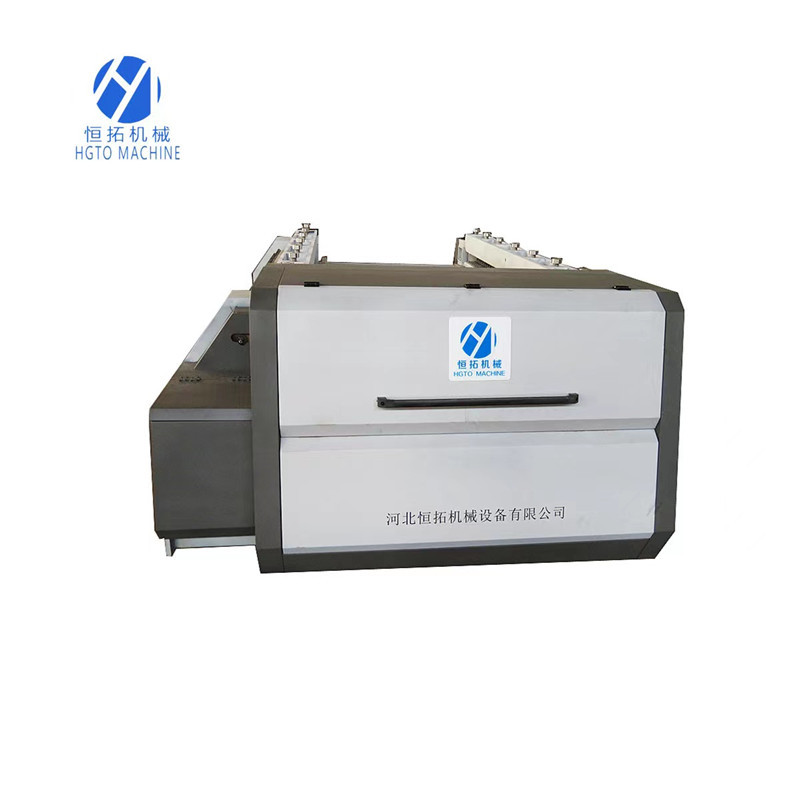
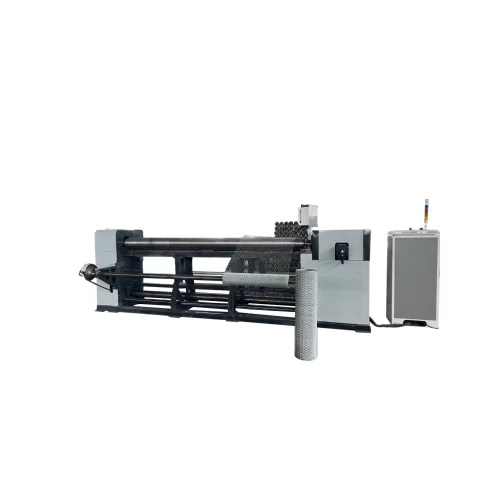
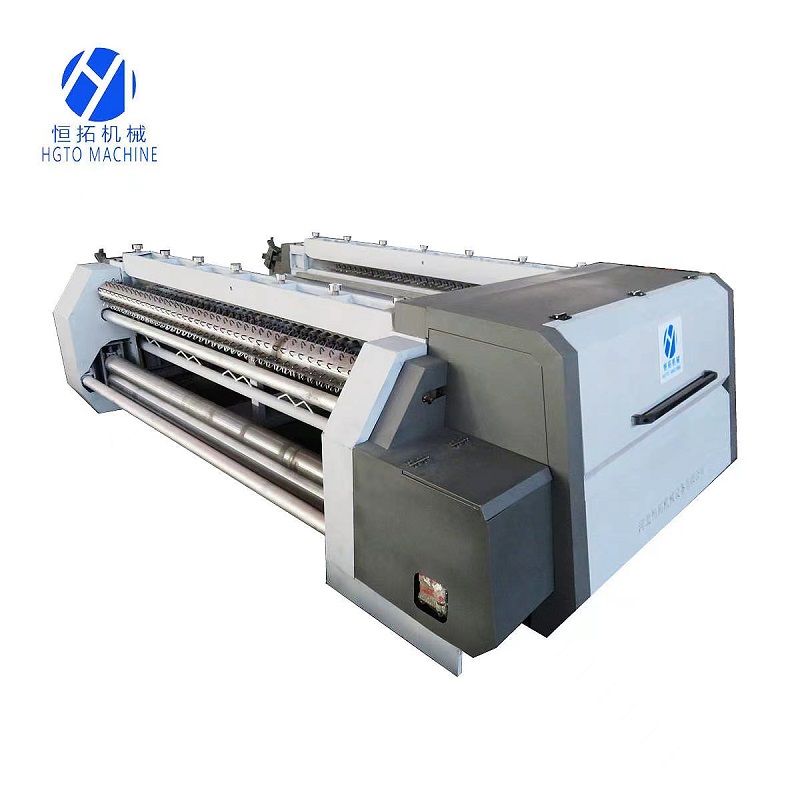
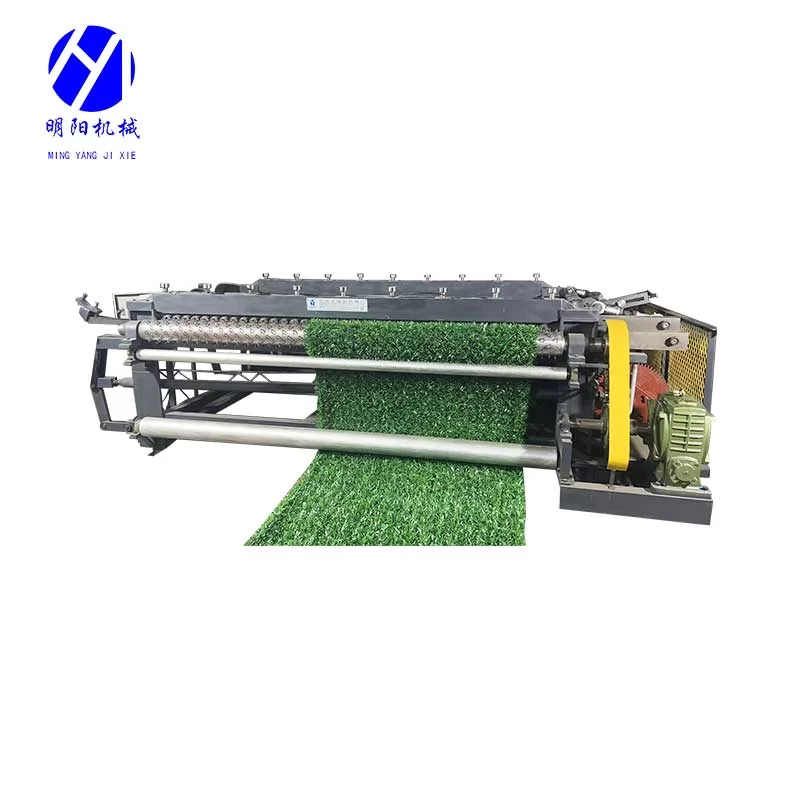
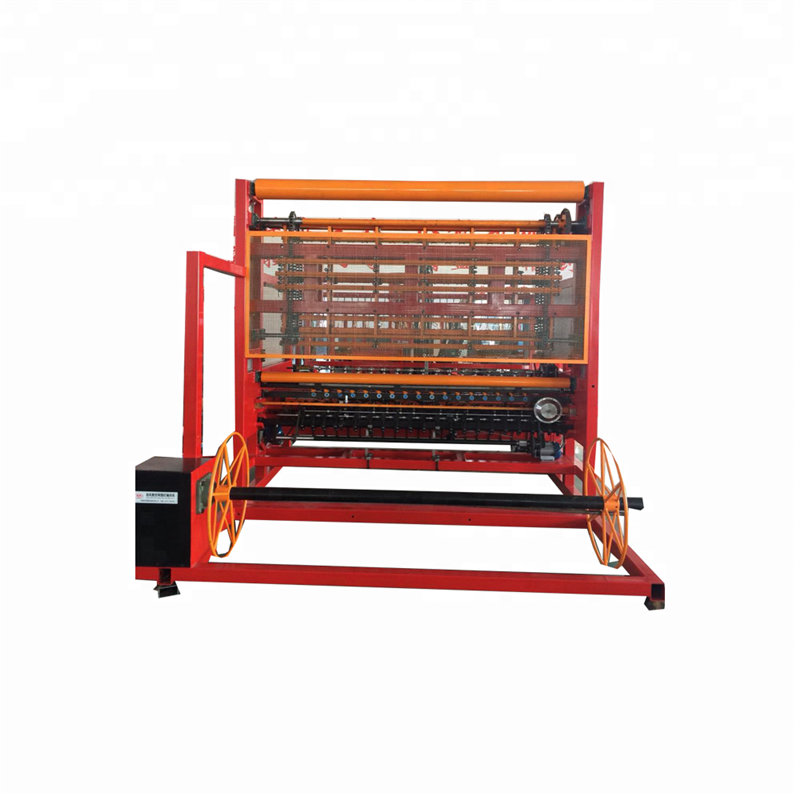
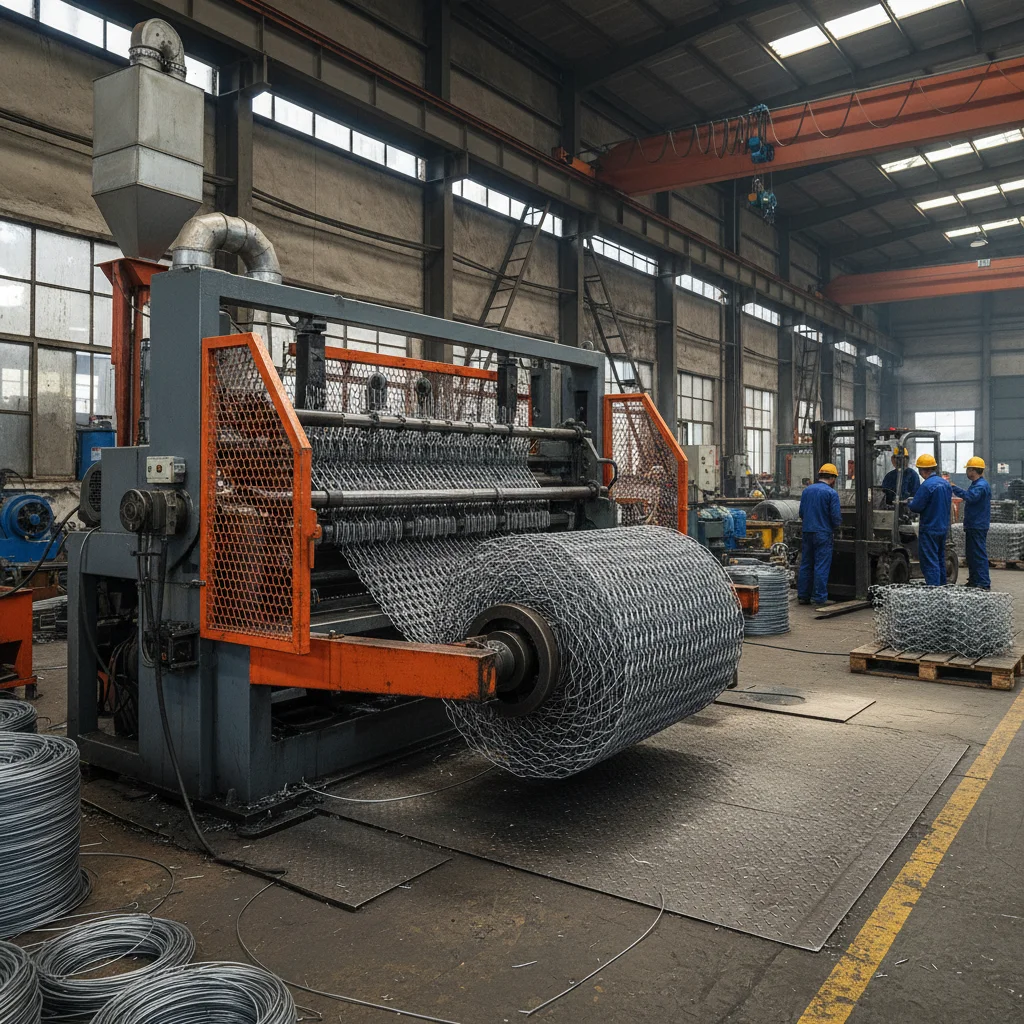
At its simplest, a horizontal wire drawing machine is an industrial device that pulls metal wire horizontally through a series of hard dies, reducing its diameter and improving tensile strength. The “horizontal” orientation means the wire moves along a flat plane — this differs from vertical or inclined machines where wire might move up or down during process stages.
Why does this matter? The horizontal setup allows for better control over tension and speed, which improves wire quality and consistency. Plus, it’s often easier to maintain and monitor for operators. Essentially, it’s one of those unsung heroes in industries like construction, electronics, and automotive manufacturing — quietly transforming raw material into usable, precise wire products.
Oddly enough, this process also ties to humanitarian needs: sturdy wiring is vital in medical devices and emergency infrastructure setups in disaster zones.
Mini takeaway:
- Horizontal wire drawing machines pull wire through dies for diameter reduction.
- The horizontal design improves control, quality, and user maintenance.
- The process supports both industrial and humanitarian applications.
Key Components and Factors in Horizontal Wire Drawing Machines
1. Durability of Components
Drawing wire involves huge tension and mechanical forces. The machine’s dies, capstans, and tensioners must be made of durable materials like tungsten carbide or diamond-coated alloys to withstand wear and tear, extending lifespan and downtime intervals.
2. Scalability and Wire Diameter Range
Good horizontal wire drawing machines handle a diverse range of wire gauges, from fine fencing wires (~0.1 mm) to thicker cables around 10 mm. This flexibility makes them invaluable in multi-product plants.
3. Energy Efficiency
With rising energy costs and environmental concerns, many new units incorporate energy-saving features: variable frequency drives, regenerative braking, and optimized gear designs.
4. Automation and Control Systems
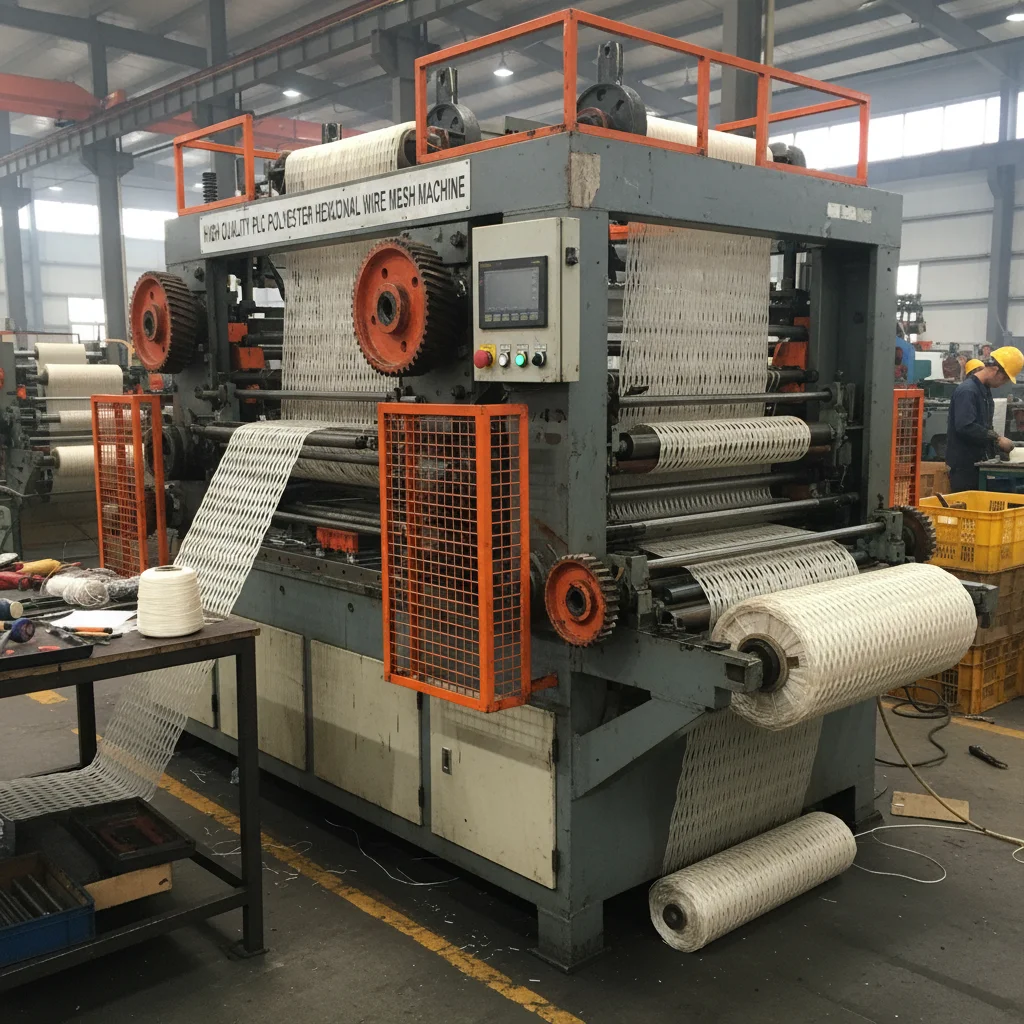
Modern machines often include PLC controls and computer interfaces for real-time monitoring, adjusting speed, tension, or lubrication — enhancing quality while reducing human error.
5. Cost Efficiency and Ease of Maintenance
Lower operational costs come from fewer breakdowns, simple component exchanges, and streamlined wiring paths. Many engineers I’ve talked to swear by machines that make maintenance straightforward as a key long-term investment.
Product Specifications of a Typical Horizontal Wire Drawing Machine
| Specification |
Details |
| Maximum wire diameter input |
12 mm |
| Minimum wire diameter output |
0.1 mm |
| Drawing speed range |
0-250 m/min |
| Motor power |
15 kW (variable frequency drive) |
| Control system |
PLC with touchscreen interface |
| Die material |
Tungsten carbide |
How Horizontal Wire Drawing Machines Are Used Around the World
These machines support a wide range of industries and regions:
- Telecommunication hubs in Europe and Asia: High-precision wire production for fiber optic and copper cable cores.
- Electronics manufacturing in East Asia: Ultra-fine wire drawing for circuit components.
- Energy transmission lines across the Middle East and North Africa: Robust cable production essential for grid expansion.
- Manufacturing zones in India and Southeast Asia: Versatile machines feeding wire needs for construction and automotive sectors.
What’s especially interesting is their role in NGO projects — for instance, after natural disasters, quick deployment of communications and electrical grids depends on reliable wire supply. Machines configured for rapid die change and variable speed can respond quickly to varied orders, critical for those unpredictable environments.
Mini takeaway:
- Horizontal wire drawing machines enable global telecommunications, energy, and electronics industries.
- They’re also vital in emergency and humanitarian infrastructure rebuilding.
Comparing Leading Vendors of Horizontal Wire Drawing Machines
| Vendor |
Energy Efficiency |
Automation Level |
Price Range |
Support & Warranty |
| HTM Mesh Machines |
High - VFD & regenerative tech |
Advanced PLC + remote diagnostics |
$$$ (mid-high) |
3 years full + 24/7 support |
| WireTech Solutions |
Medium - optimized motors |
Basic PLC interface |
$$ (mid) |
2 years limited + email support |
| Global Draw Systems |
Low - standard motors |
Manual controls |
$ (budget) |
1 year limited + phone support |
Advantages and Long-Term Value of Horizontal Wire Drawing Machines
The benefits extend beyond just manufacturing:
- Cost savings: Higher output with less waste = more profit margins.
- Consistent quality: Reduced defects lead to safer, longer-lasting wires.
- Environmental responsibility: Energy-efficient designs reduce carbon footprints.
- Social impact: Reliable wires support essential services such as power and communication — which means better quality of life globally.
From an emotional standpoint, many operators note the peace of mind that a well-maintained, precision machine brings. It’s not just a piece of equipment; it’s part of a trusted process that connects factories, communities, and families.
Looking Ahead: Innovations to Watch
Digital transformation is making its way into wire drawing operations in surprising ways:
- IoT Sensors: Real-time data on tension, temperature, and wear help preempt maintenance.
- Closed-loop control systems: Automatically adjust settings for varying alloys or diameters.
- Eco-material Dies: Novel composite materials promise longer life and less environmental impact.
- Integration with renewable energy: Experimentation with solar-powered plants to reduce grid demand.
Common Challenges and How Industry Leaders Overcome Them
Despite advances, some persistent hurdles include:
- Material inconsistencies: Variations in metal quality can affect output consistency.
- High upfront costs: Smaller manufacturers balk at investing in high-end machines.
- Skilled labor shortages: Operating and maintaining these machines is a specialist job.
Many companies partner with vendors for training programs and offer modular machines that scale with business size, which lowers entry barriers. Smart automation also reduces dependency on human expertise, smoothing operational curves.
FAQ: Your Questions on Horizontal Wire Drawing Machines Answered
Q1: What materials can horizontal wire drawing machines process?
They can handle a variety of metals including copper, aluminum, steel, stainless steel, and specialty alloys. The key is selecting compatible dies and adjusting tension to the material properties.
Q2: How much space does a typical horizontal wire drawing machine require?
Depending on capacity, footprint ranges from roughly 10 to 20 square meters. The horizontal layout is space-efficient compared to vertical models, making it suitable for mid-sized workshops.
Q3: Can these machines be customized for different wire diameters?
Absolutely. Machines often come with interchangeable dies and adjustable controls, allowing production flexibility for varying wire gauges.
Q4: What’s the lifespan of a wire drawing machine?
With proper maintenance, many last 10–15 years or more. Critical consumables like dies require regular replacement to maintain quality.
Q5: How do I choose the right machine for my facility?
Consider your daily volume, wire types, automation needs, and budget. Consulting with vendors like HTM Mesh Machines can provide tailored recommendations.
Wrapping Up: Why It’s Worth Knowing Your Horizontal Wire Drawing Machine
Long story short: the horizontal wire drawing machine quietly powers much of the modern world’s wire and cable needs. Its unique design balances durability, precision, and efficiency — ensuring wires reach our phones, homes, and hospitals reliably.
If you’re thinking about improving your production line or just curious about industrial innovation, take a closer look at these machines. They’re more than just industrial workhorses — they are enablers of global progress.
For detailed info and options, feel free to visit our site: horizontal wire drawing machine.
Final takeaway:
Understanding these machines helps you appreciate the scale, complexity, and subtle innovations that drive the wires behind our daily tech and infrastructure. Stay curious; industries like this have much more story to tell.
References
- Wire drawing - Wikipedia
- ISO Committees on Environmental Management
- World Bank: Access to Electricity Data