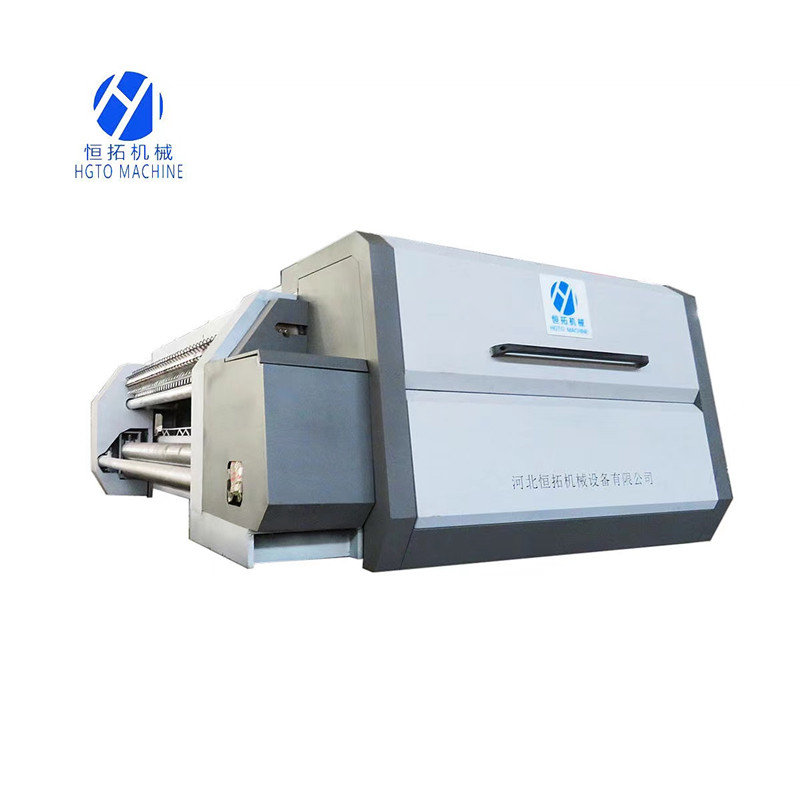
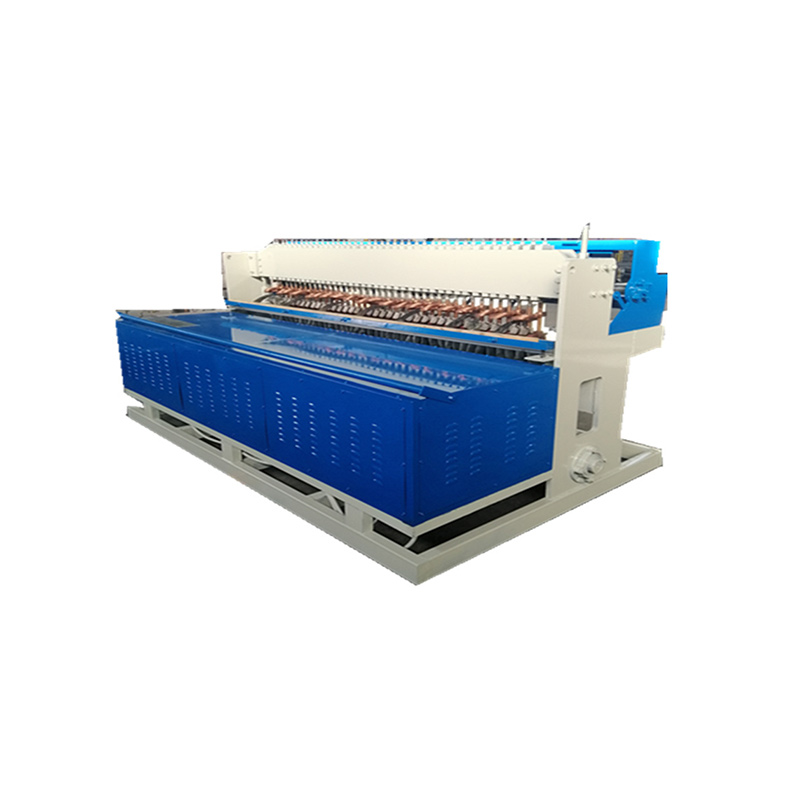
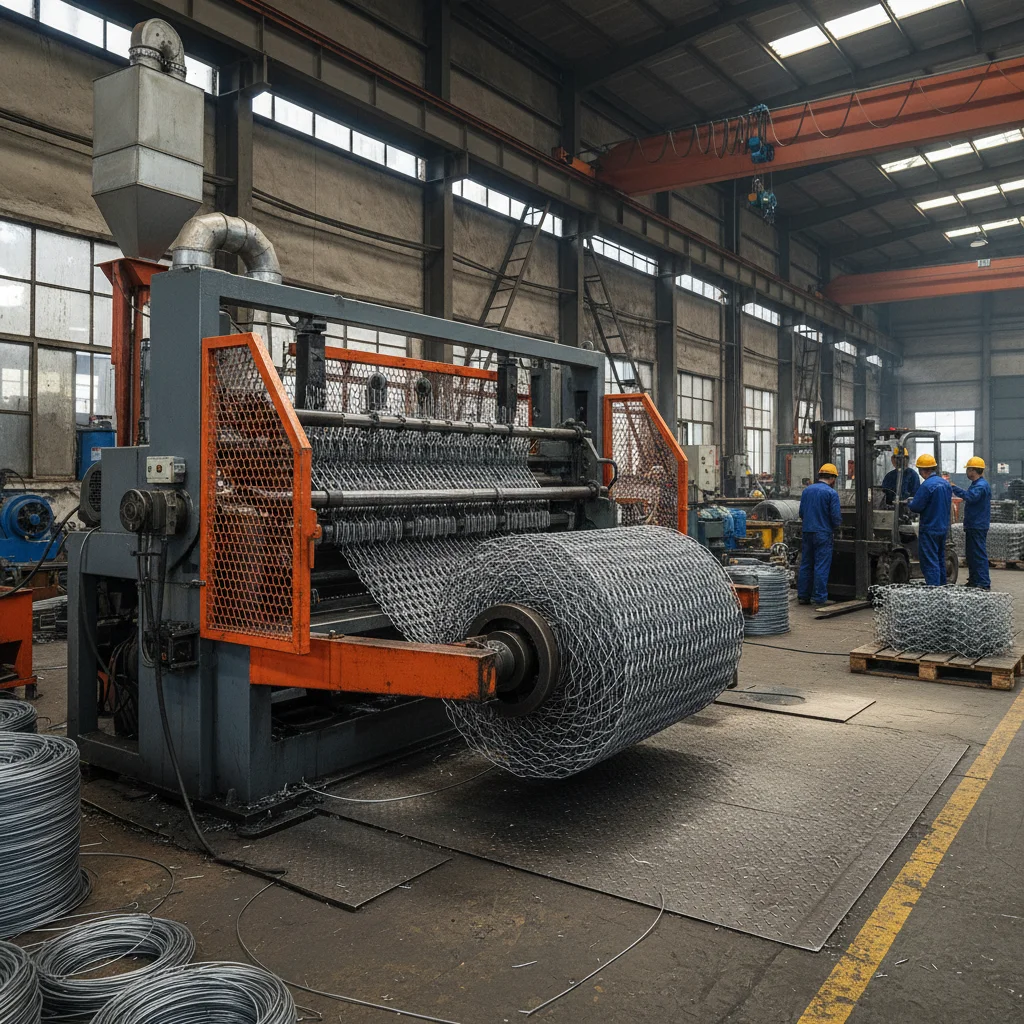
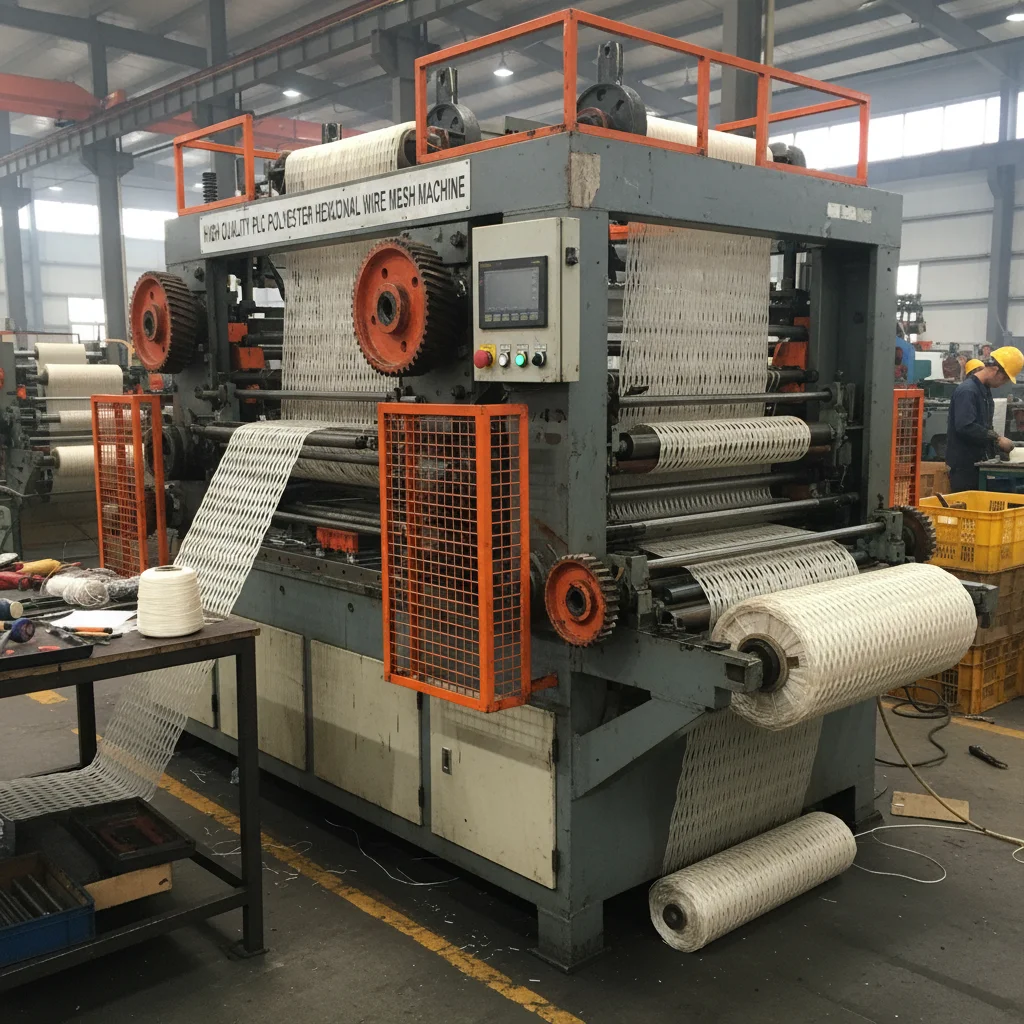
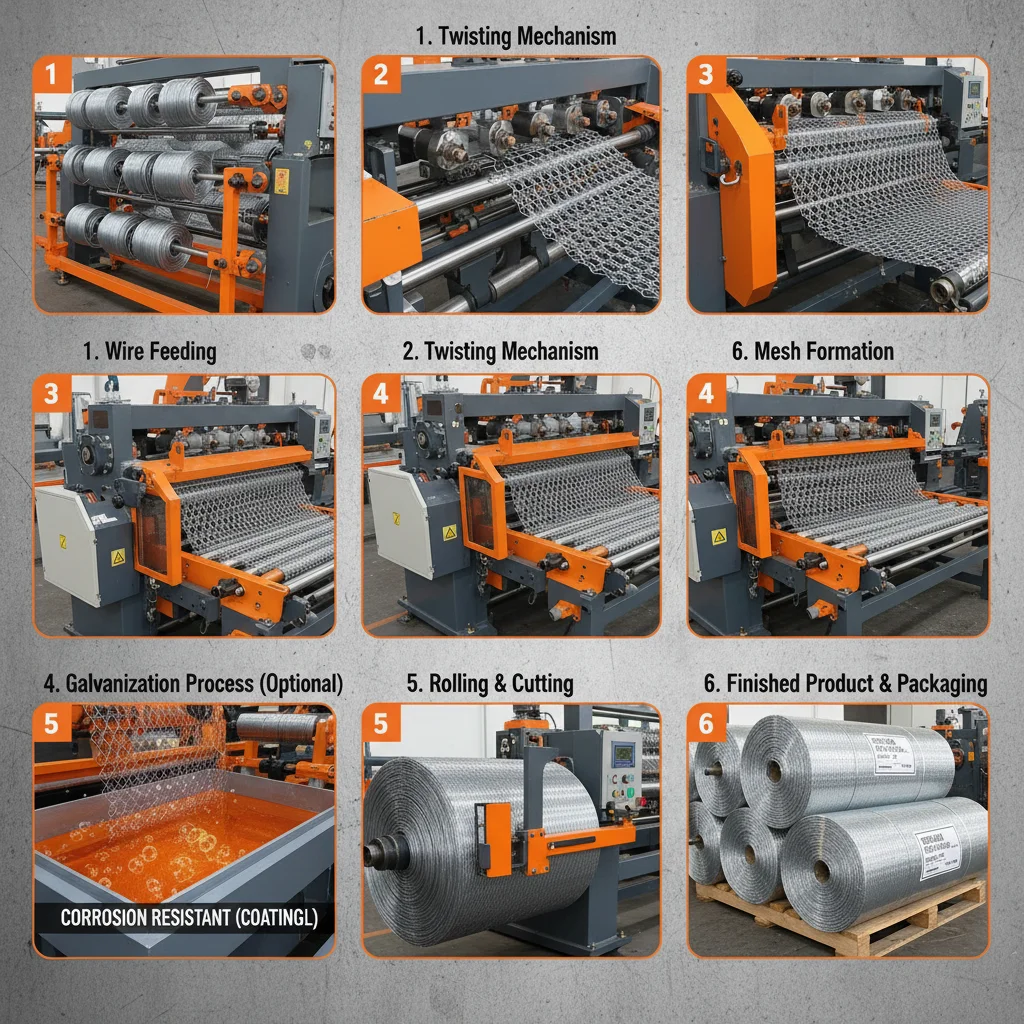
Why the Pointing Machine for Wire Drawing Matters in Today’s Industry
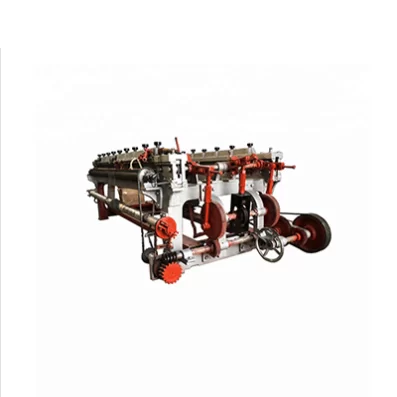
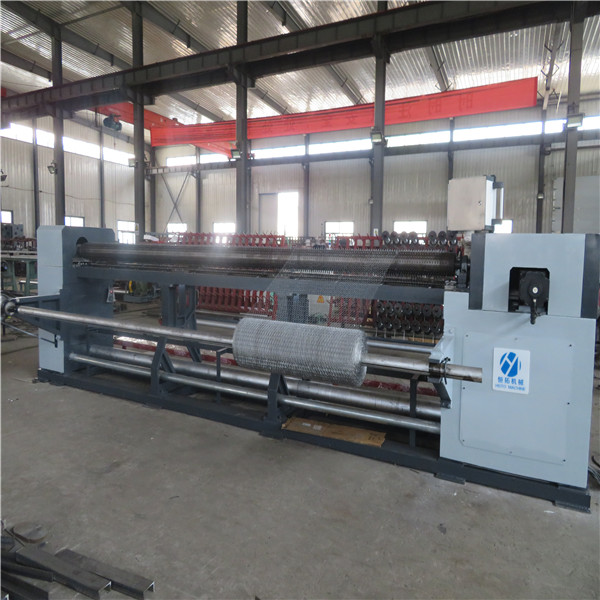
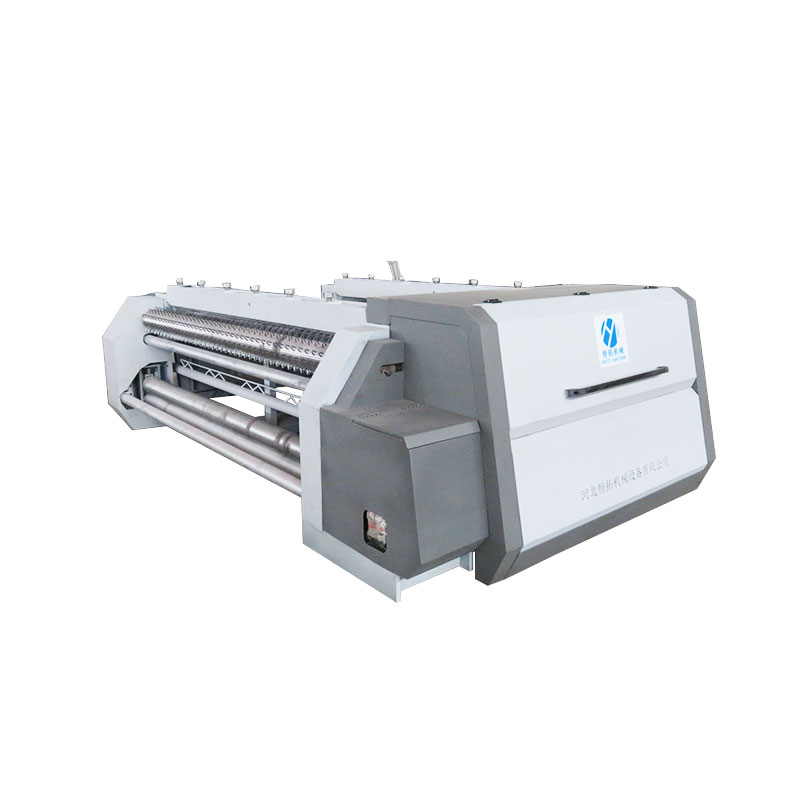
If you’re new to wire manufacturing—or even if you’ve been around it—you’ve probably heard the term pointing machine for wire drawing thrown around. But what’s the fuss about? Simply put, it’s a critical piece of equipment that refines wire ends so they can be pulled smoothly through dies and stretched thinner without snapping. It’s a bit like giving a wire a tailor-made tip to slip through the manufacturing process easier, reducing waste and boosting efficiency.
Globally, wire drawing drives countless industries—from electrical wiring to cable manufacturing, automotive parts, and beyond. According to ISO standards, quality and precision in wire processing are key to ensuring safety and product longevity. So, understanding the pointing machine's ins and outs isn’t just an industrial nicety; it affects product durability, innovation, and even sustainability on a large scale.
Mini Takeaway: The pointing machine isn’t just a technical tool—it's a cornerstone of wire manufacturing quality worldwide.
Setting the Scene: Why Pointing Machines Are Essential Globally
Wire drawing is a massive global enterprise. The World Bank notes that the metallurgy and manufacturing sectors employing wire processing impact billions in economic activity each year. But here’s a curveball: even with advanced drawing dies, poorly prepared wire ends can cause breaks, production stoppages, and increased costs.
That’s where the pointing machine comes in. Without it, the wire’s tip is blunt or irregular, leading to snagging inside the dies. With proper pointing, wires feed without a hitch, which saves time and material—crucial in places where supply chains are fragile or in high-stakes industries like aerospace and telecommunications.
What Exactly is a Pointing Machine for Wire Drawing?
Imagine you have a rough-cut wire, straight off the coil. The pointing machine is the tool that trims and sharpens the wire’s tip to a precise shape—usually conical or tapered. This geometry reduces friction and allows the wire to draw through the dies, progressively thinner as manufacturing demands.
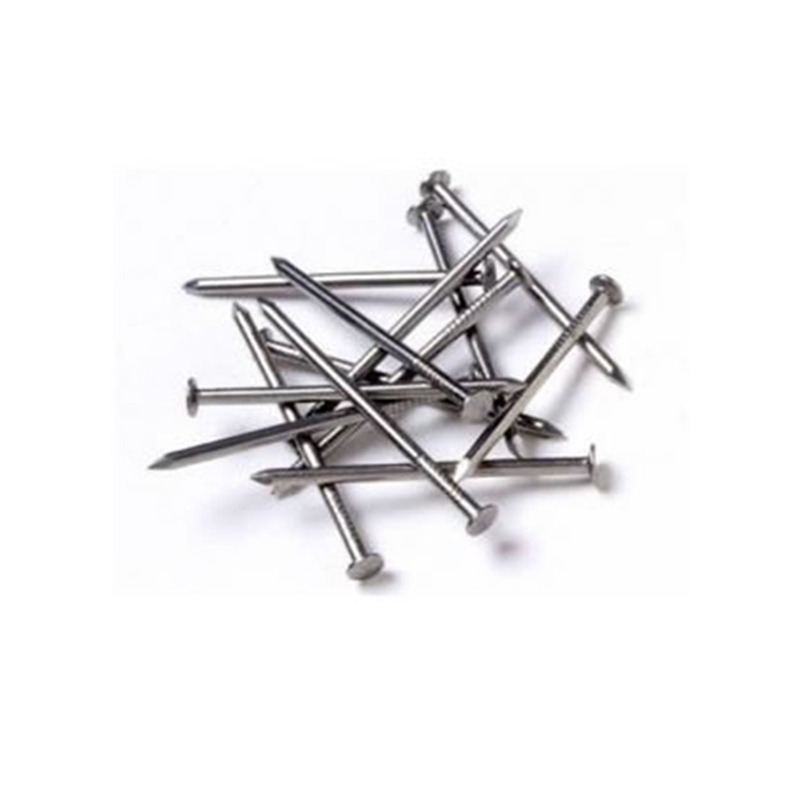
If that sounds a little like preparing a nail or a needle’s tip, well... that’s pretty much it. But in high-speed industrial environments, the pointing machine automates this with repeatability and accuracy you simply can’t match by hand.
Industrially, it’s a linchpin connecting raw materials to finished products—no small feat when you think of global telecom cables, high-strength springs, or surgical wires.
Mini Takeaway:
- Pointing machines shape wire ends precisely for smoother downstream processing.
- They increase efficiency and reduce costly wire breaks in drawing lines.
Core Components and Key Features of a Pointing Machine
1. Precision Cutting Mechanism
The heart of any pointing machine lies in its cutting and grinding wheels or disks. These must be extremely durable—think silicon carbide or diamond-coated surfaces—to perform clean, consistent cuts at high speed. Many engineers say the difference between a good and great machine is how well it maintains these wheels without frequent tedious resets.
2. Adjustable Tapering Angles
Wire types and diameters vary substantially—one size does not fit all. The machine’s ability to adjust taper length and angle allows customized tips, optimizing drawing efficiency. For finer wires, the taper is sharper; for thicker rods, more gradual.
3. Automated Feeding System
To keep the line humming, the pointing machine usually includes an automatic feeding mechanism that groks the wire speed and delivers it precisely to the cutting station, ensuring no bottlenecks or human error.
4. Robust Control Panel with Feedback
Modern machines have digital displays and programmable logic controllers (PLCs) with live feedback—for example, the pressure applied or cut angle—that shave seconds off adjustments and minimize scrap.
5. Durability and Maintenance Accessibility
In many plants, pointing machines run 24/7. The design must allow easy access for wheel replacements, lubrications, and cleaning without halting production significantly.
Typical Pointing Machine Specifications
| Feature |
Specification |
| Wire Diameter Range |
0.1 mm – 12 mm |
| Taper Angle Adjustment |
10° – 30° |
| Max Production Speed |
100 m/min |
| Power Consumption |
2 kW |
| Control System |
PLC with touch screen interface |
The Many Ways Pointing Machines Serve Global Producers
Across Europe’s automotive hubs, Asia’s vast electronics manufacturing zones, and even emerging markets developing telecommunications infrastructure, pointing machines are essential. They have a quiet importance: imagine the cost and headache if every wire end needed manual prepping, with inevitable human error and slow throughput.
Even more striking are use cases in armed forces gear manufacturing, aerospace cable bundles, or surgical wire preparation—where precision isn’t just convenience but a safety issue. Humanitarian industry watchers point out that refined wire manufacturing can indirectly support infrastructure rebuilding in disaster zones, improving whatever wiring or cables are used for power restoration or communications.
For example, in remote industrial zones where downtime means days or weeks of lost productivity, the robustness and reliability of these machines directly increase operational resilience.
Mini Takeaway:
- Pointing machines play a vital role worldwide, from high-tech sectors to emerging industrial regions.
- They boost production quality and speed, helping industries meet growing demand and safety standards.
Why Investing in a High-Quality Pointing Machine Pays Off
From a hard-nosed perspective, these machines reduce material wastage—precisely cut wire tips means fewer breaks mid-drawing, which can cause costly shutdowns and scrap. From a softer angle, there’s pride and trust in delivering consistently superior product quality to customers, which has long-term brand benefits.
The sustainability angle is also increasingly relevant. Less scrap equals less environmental impact. Many manufacturers adopting advanced pointing machines have noted energy savings due to more efficient operation, sort of a hidden green benefit tucked under the production floor.
Tomorrow’s Pointing Machines — What’s Next?
Digital transformation is reshaping everything, including pointing machines. Newer models incorporate smart sensors and IoT connectivity, enabling remote diagnostics and predictive maintenance. Imagine a factory alerting operators to replace grinding wheels before a hiccup even appears.
Material science is evolving, too. Advanced abrasives extend tool life, while electric vehicle (EV) cable production — with their unique wire specifications — drives innovation on tapering techniques. Oh, and of course, the trend towards automation means entire wire drawing lines are becoming more “hands-off,” increasing consistency and reducing operator fatigue.
Facing Challenges Head-On: What Engineers Are Tackling Today
Despite technological progress, challenges remain. For example, extremely fine or exotic alloy wires sometimes still defy reliable pointing due to brittleness or surface irregularities. Plus, in less industrialized settings, the high initial cost of advanced machines can be prohibitive.
Innovators suggest modular designs that can be upgraded over time, or leasing models to spread capital expenses. Meanwhile, operator training is another challenge—operating a cutting-edge pointing machine requires expertise, not just on-the-floor muscle memory.
Vendor Comparison: Leading Pointing Machine Models
| Vendor |
Model |
Max Speed (m/min) |
Wire Diameter (mm) |
Control Type |
Price Range |
| HT Mesh Machines |
HT-Point 3000 |
100 |
0.1–12 |
PLC Touchscreen |
$50,000 - $70,000 |
| WireTec Solutions |
WireSharp X2 |
85 |
0.2–10 |
PLC + Remote |
$45,000 - $65,000 |
| PrecisionWire Inc. |
PrecisePoint Pro |
95 |
0.15–11 |
Manual + Digital Hybrid |
$48,000 - $72,000 |
Frequently Asked Questions About Pointing Machines for Wire Drawing
Q1: How does a pointing machine improve wire drawing efficiency?
A: By creating a tapered, smooth wire tip, the pointing machine reduces friction and snagging during the drawing process. This leads to fewer wire breaks, less downtime, and higher overall production speed.
Q2: Can a pointing machine handle different wire materials?
A: Yes, most modern pointing machines are adjustable and can be set for various wire types like copper, steel, aluminum, and alloys. However, very brittle or delicate wires may require special settings or tooling.
Q3: What maintenance is required for a pointing machine?
A: Regular maintenance includes replacing grinding wheels, cleaning debris from the cutting area, lubricating moving parts, and ensuring the control system firmware is updated. Proper upkeep extends machine lifespan and ensures cut precision.
Q4: Is automation in pointing machines beneficial for small-scale operations?
A: Automation generally improves precision and throughput, but for very small-scale or custom workshops, manual or semi-automatic models might be more cost-effective and easier to operate.
Q5: How do I choose the right pointing machine for my wire drawing line?
A: Consider your wire diameter range, production speed, material types, and budget. Also, check for vendor support, ease of maintenance, and compatibility with your existing machinery. Consulting with an expert or supplier can streamline this process.
Bringing It All Together — Your Next Steps
In real terms, investing in a reliable pointing machine for wire drawing pays dividends over time—cutting waste, improving product reliability, and enabling smoother manufacturing. Whether you’re an established plant or a newer player, it’s one of those pieces of equipment where quality truly affects the whole line's success.
Curious to explore advanced options and the latest technology? Visit our website for detailed product info and support: pointing machine for wire drawing
References
- ISO Standards for Wire Drawing
- World Bank Industry Data
- Wire Drawing - Wikipedia