Why the Single Block Wire Drawing Machine Matters Globally
The single block wire drawing machine might sound like just another piece of industrial equipment, but its role in the global manufacturing landscape is surprisingly significant. Fundamentally, it’s a game-changer because it streamlines the wire production process, boosting efficiency while lowering costs and environmental impact. Given the sheer volume of wire used worldwide — in everything from telecommunications cables to construction reinforcement — understanding these machines and their benefits is more important than ever.
Global industries rely on wire drawing technology for building infrastructure, enabling electrical connectivity, and weaving together modern convenience. The single block wire drawing machine is especially vital in emerging markets, where accessible, reliable production solutions can mean the difference between stalled growth and industrial progress.
In essence, grasping the strengths and nuances of this equipment is part of embracing robust, sustainable manufacturing on an international scale.
Introduction: The Global Industry Context of Wire Drawing
Here’s a stat to chew on: according to the International Organization for Standardization (ISO), the global market for wire and cable manufacturing is expected to grow steadily at around 4.5% annually through the next decade. This uptick is driven largely by urbanization, industrial expansion, and demand for renewable energy infrastructure — think wind turbines and solar grids that all need durable, high-quality wire.
But making wire isn’t straightforward. The drawing process must balance speed, precision, and material integrity. Enter the single block wire drawing machine as a solution aimed at overcoming production bottlenecks and the sometimes prohibitive cost of machinery maintenance and set-up. This technology addresses a growing challenge: how to produce more, faster, and with less waste, especially in developing economies where resources are tighter.
It’s oddly fascinating to see how something so seemingly niche actually touches some of the biggest global development goals, including infrastructure development (SDG 9) and industry innovation.
What Exactly Is a Single Block Wire Drawing Machine?
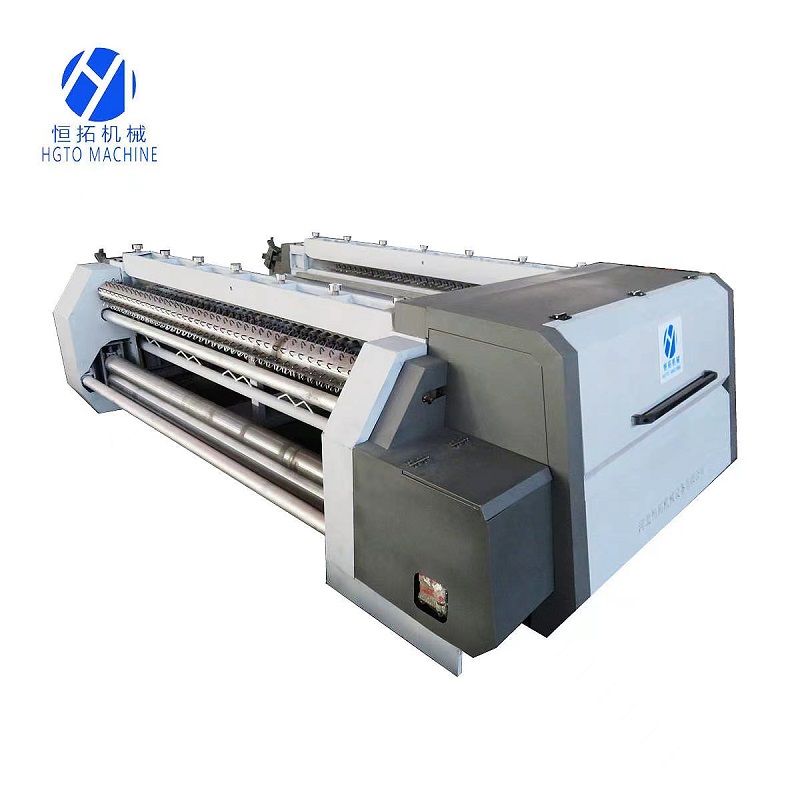
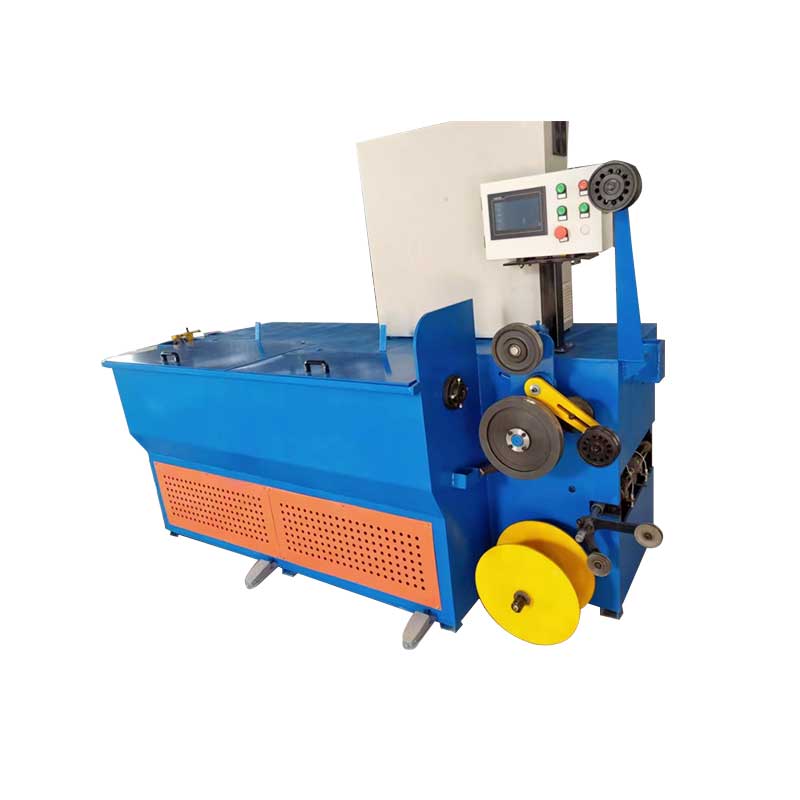
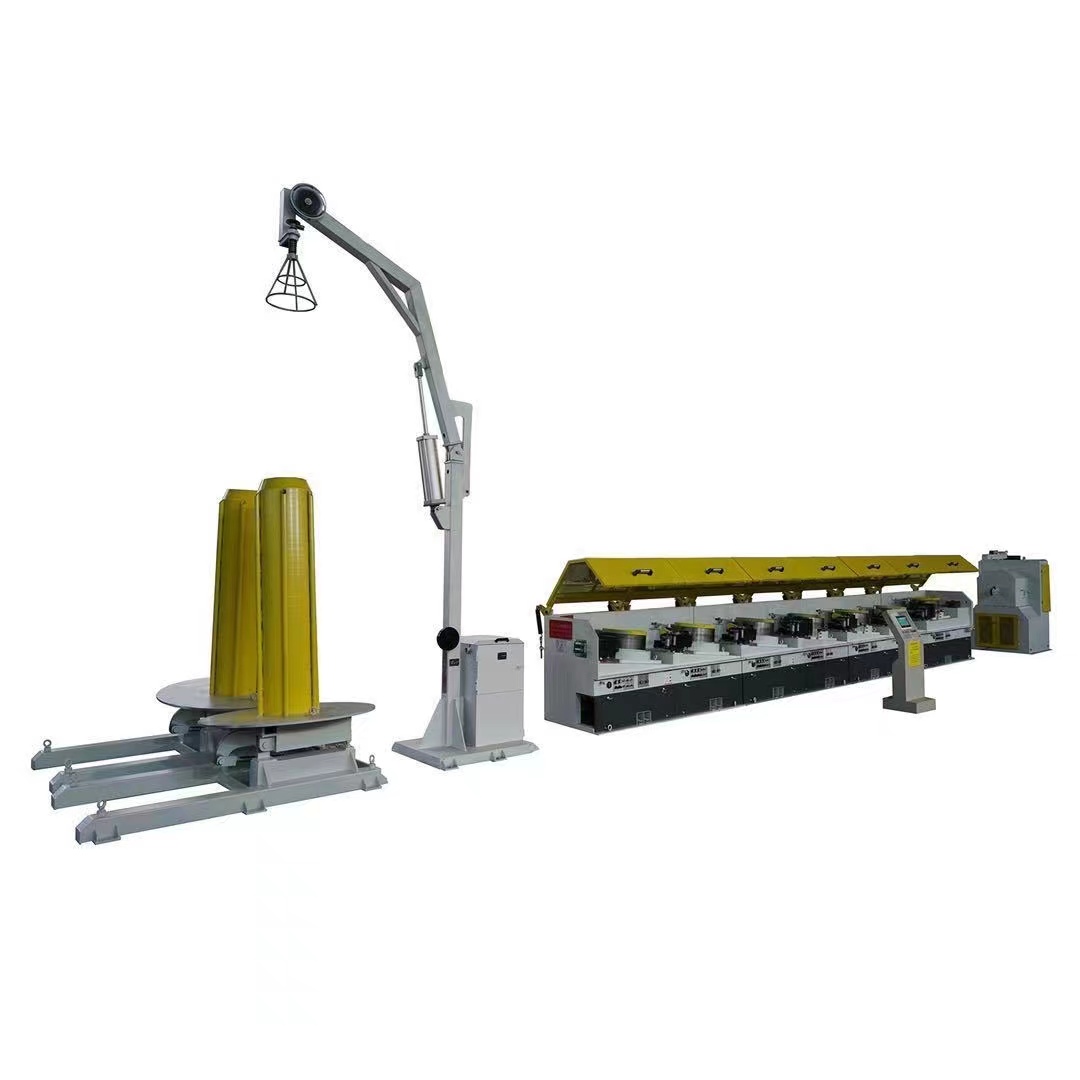
Put simply, a single block wire drawing machine is a device designed to pull metal wire through a die to reduce its diameter while increasing its length. The “single block” refers to the machine’s key component: a single drawing block (or die block) through which the wire passes. Compared to multi-block or multi-stage machines, this model is typically compact, cost-effective, and easier to maintain.
In practical terms, it means manufacturers can produce thinner, stronger wires without investing heavily in huge setups. This matters a lot when there’s a need for quick scalability — when factories must pivot quickly or when remote sites need robust equipment they can fix themselves.
From intricate electronic wiring inside devices to large power cables, the products born from these machines are everywhere.
Mini Takeaway:
- The single block wire drawing machine is a compact, essential tool that supports efficient, flexible wire manufacturing.
Key Components and Characteristics of the Machine
Durability and Build Quality
Many engineers I spoke to emphasize how these machines must be built tough. The single block itself endures enormous pressure as metal is stretched thinner. Materials like hardened steel for blocks and reinforced frames ensure longevity — a necessity in industrial environments prone to vibrations and temperature swings.
Speed and Throughput
Single block machines generally operate at a mediate speed, trading raw speed for precision. The drawing speed is carefully balanced with wire tensile strength to avoid surface defects. Many producers choose this type because it offers a sweet spot between production capacity and quality control.
Scalability and Flexibility
Unlike bulkier multi-block setups, single block machines are easier to scale up with additional units or swap out parts for different wire gauges. This makes them ideal for manufacturers who work with diverse orders or experimental alloys.
Energy Efficiency
Given rising global energy costs, newer models come with energy-saving drives, programmable controls, and regenerative braking. It’s a modest but meaningful way these machines contribute to sustainability.
Cost Efficiency
The upfront investment tends to be lower, and maintenance simpler, making single block wire drawing machines attractive to smaller factories, startups, or workshops keen on minimizing downtime and expenses.
Mini Takeaway:
- A blend of durability, speed, and adaptability makes these machines attractive across various production scales and industries.
Real-World Applications: Who Benefits and How?
Wondering where this machine fits? It’s everywhere you probably don’t realize yet rely on wire — electrical coms, automotive parts, and even fashion (think metal fabric accents). Governments in developing countries invest in these machines to support emerging wire producers, reducing dependence on imports. For instance, in Southeast Asia, micro factories using single block models have ramped up cable production to meet growing consumer electronics markets.
In post-disaster zones, rapid deployment of wire production capabilities supports rebuilding infrastructure and restoring communications. Even humanitarian NGOs benefit; the ability to locally produce needed wire components decreases costs and shipping difficulties. Remote industrial zones, like mining sites in Africa or South America, rely on these robust machines where complex multi-stage processes aren’t viable.
Advantages and Long-Term Impact
- Cost Savings: Lower capital and operation costs translate to affordable wire products, which trickles down to end-users and infrastructure projects.
- Sustainability: Reduced energy consumption and minimal waste help manufacturers meet environmental targets.
- Reliability: Simple design means fewer breakdowns and easier repairs, which maintains production continuity.
- Social Impact: By empowering small and medium enterprises globally, these machines enable jobs and community growth.
There’s a sort of quiet dignity in machines that just work, day after day, enabling human endeavors across continents. Honestly, the confidence they bring to operators — knowing this gear won’t quit mid-shift — builds trust and encourages innovation.
Emerging Trends and Innovations in Wire Drawing
Wire drawing tech is evolving. We’re seeing integration of IoT sensors for real-time monitoring, predictive maintenance, and advanced automation in single block machines. Materials science pushes the boundaries too — drawing exotic alloys used in aerospace and medical devices demands finer precision and better dies.
Green energy goals inspire lower energy consumption drives and eco-friendly lubrication technologies. Digital controls allow operators to customize drawing parameters on the fly, improving product quality and reducing defects drastically.
Challenges and How To Overcome Them
As effective as these machines are, challenges persist. Die wear remains a key issue — a worn die affects wire quality. Advances in coatings and die materials are promising solutions here.
Training operators to fine-tune machine parameters is another hurdle, especially in regions lacking skilled labor. Vendors offer remote support and training modules, while some companies employ AR (augmented reality) to guide technicians remotely.
Mini Takeaway:
- Emerging tech and training solutions are making single block wire drawing machines more user-friendly and durable, bridging gaps in skills and capacity.
Product Specification Table for a Typical Single Block Wire Drawing Machine
| Specification |
Typical Value |
| Maximum Wire Diameter Inlet |
10 mm |
| Minimum Wire Diameter Outlet |
0.5 mm |
| Drawing Speed |
30 m/min (adjustable) |
| Motor Power |
7.5 kW |
| Machine Dimensions (LxWxH) |
1800 x 900 x 1500 mm |
| Weight |
900 kg |
Vendor Comparison: Popular Single Block Wire Drawing Machine Models
| Brand / Model |
Max Wire Dia. |
Motor Power |
Energy Efficiency |
Price Range |
| HT Mesh Machines SB-3000 |
12 mm |
7.5 kW |
A+ |
$$$ |
| SteelPro Wire Draw 1000 |
10 mm |
6 kW |
B+ |
$$ |
| GlobalDraw SinglePro |
11 mm |
8 kW |
A |
$$$ |
Frequently Asked Questions About Single Block Wire Drawing Machines
- Q1: What types of metals can be processed with a single block wire drawing machine?
- A1: These machines commonly handle copper, aluminum, steel, and their alloys. The die materials and drawing speeds can be adjusted depending on metal hardness and ductility to achieve the best results without damaging the wire.
- Q2: How easy is it to maintain a single block wire drawing machine?
- A2: Maintenance is relatively straightforward compared to multi-block systems due to fewer components. Regular die inspection and lubrication, motor checks, and cleaning are essential. Many manufacturers provide detailed guides and remote support, making upkeep manageable even for smaller workshops.
- Q3: Can the machine handle different wire gauges without major adjustments?
- A3: Yes, one of the benefits of single block machines is their flexibility. Operators can swap dies or make minor adjustments to accommodate different wire diameters, allowing versatile production with minimal downtime.
- Q4: Are single block wire drawing machines energy efficient?
- A4: Modern models incorporate energy-saving motors and electronic controls, significantly improving efficiency compared to older designs. This helps manufacturers reduce operating costs and environmental impact.
- Q5: Where can I find reliable suppliers of single block wire drawing machines?
- A5: Trustworthy suppliers include specialist manufacturers like HT Mesh Machines and SteelPro, who offer a range of models. It’s valuable to look for vendors providing strong after-sales support and customization options. Visit single block wire drawing machine suppliers for more info.
Wrapping Up: Why Invest in Single Block Wire Drawing Technology?
In real terms, investing in a single block wire drawing machine means embracing efficiency, flexibility, and quality in wire production. These machines pack a punch for their size and cost, offering a pathway for manufacturers to enter competitive markets or expand product lines without overwhelming capital expenditures.
To anyone navigating the complex world of wire manufacturing, the single block approach is a reliable staple—one that reduces hassle, trims costs, and promotes sustainable growth.
So, if you’re curious or ready to add one of these to your operations, a logical next step is checking out vendors like single block wire drawing machine manufacturers who can tailor solutions exactly to your needs.
And honestly, investing smartly here feels like fueling the very infrastructure that helps keep the world spun together — wire by drawn wire.
References:
- Wikipedia - Wire Drawing Process
- ISO Industry Standards on Wire Products
- World Bank - Infrastructure and Urban Development