The Intriguing World of Super Fine Wire Drawing Machines: Why They Matter Globally
If you’ve ever wondered what goes into making the incredibly thin wires inside your earbuds, medical devices, or aerospace components, the super fine wire drawing machine plays a starring role. It might sound like a niche industrial tool, but frankly, it’s a global game changer. These machines enable the transformation of metal rods into ultra-thin, precise wire products that fuel everything from high-speed telecom cables to wearable sensors. Understanding how they work, their benefits, and where they’re heading isn’t just an engineering geek’s pastime — it’s key for industries seeking to push boundaries in miniaturization, durability, and sustainability.
Seeing the Big Picture: How Super Fine Wire Drawing Machines Fit in Today’s Industry
Globally, the demand for finer and stronger wires has been rising steadily. According to the International Organization for Standardization (ISO), industries are transferring towards miniaturization and material optimization almost everywhere—from Asia’s bustling electronics centers to Europe’s aerospace hubs.
The World Bank reveals that the global wire and cable market is growing at over 4.5% annually, large part thanks to increased telecom, automotive, and medical device production. But here’s the challenge: producing super fine wire requires precision and advanced technology—something that older drawing processes struggle with.
Enter the super fine wire drawing machine, a solution that addresses this complexity by enabling higher accuracy, improved surface finish, and consistent tensile strength, all while reducing material waste. This machine isn't just about making thinner wires; it’s also about creating wires that perform well under extreme conditions.
What Exactly Is a Super Fine Wire Drawing Machine?
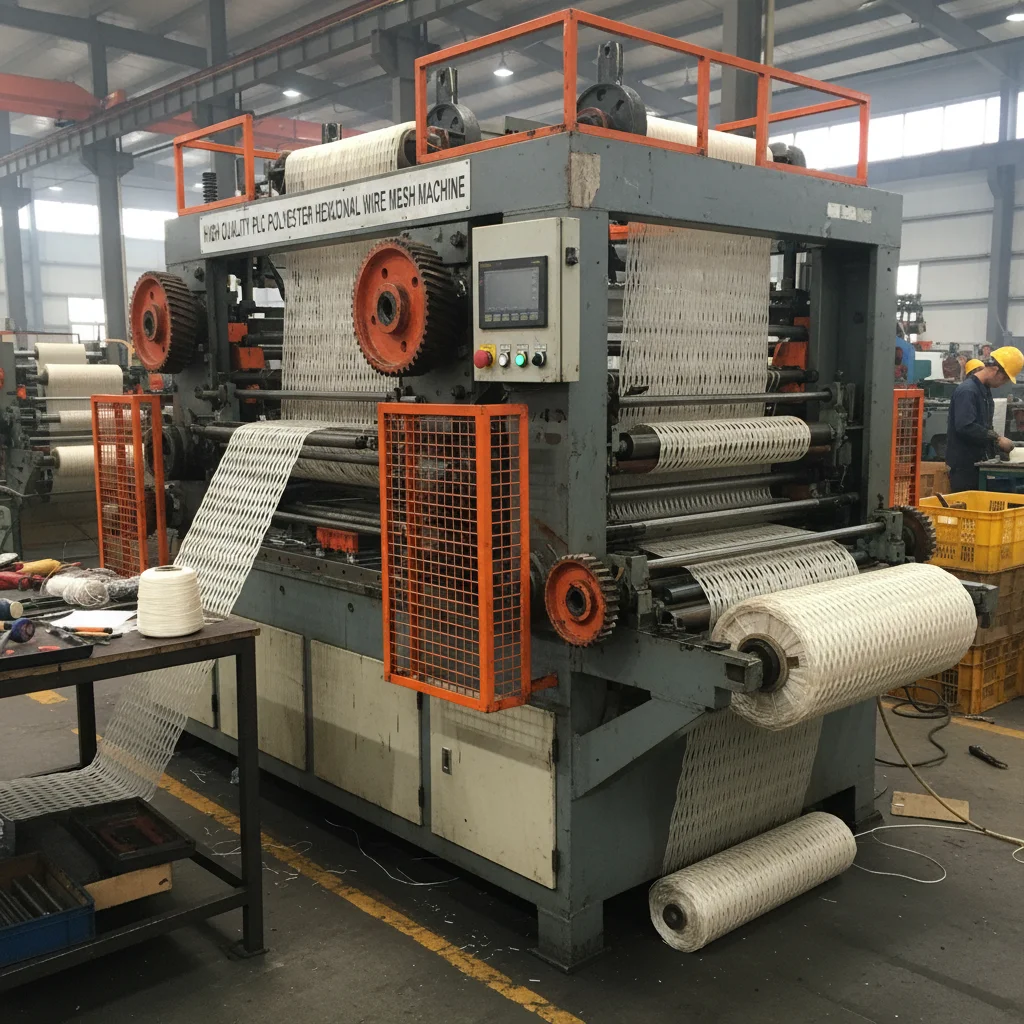
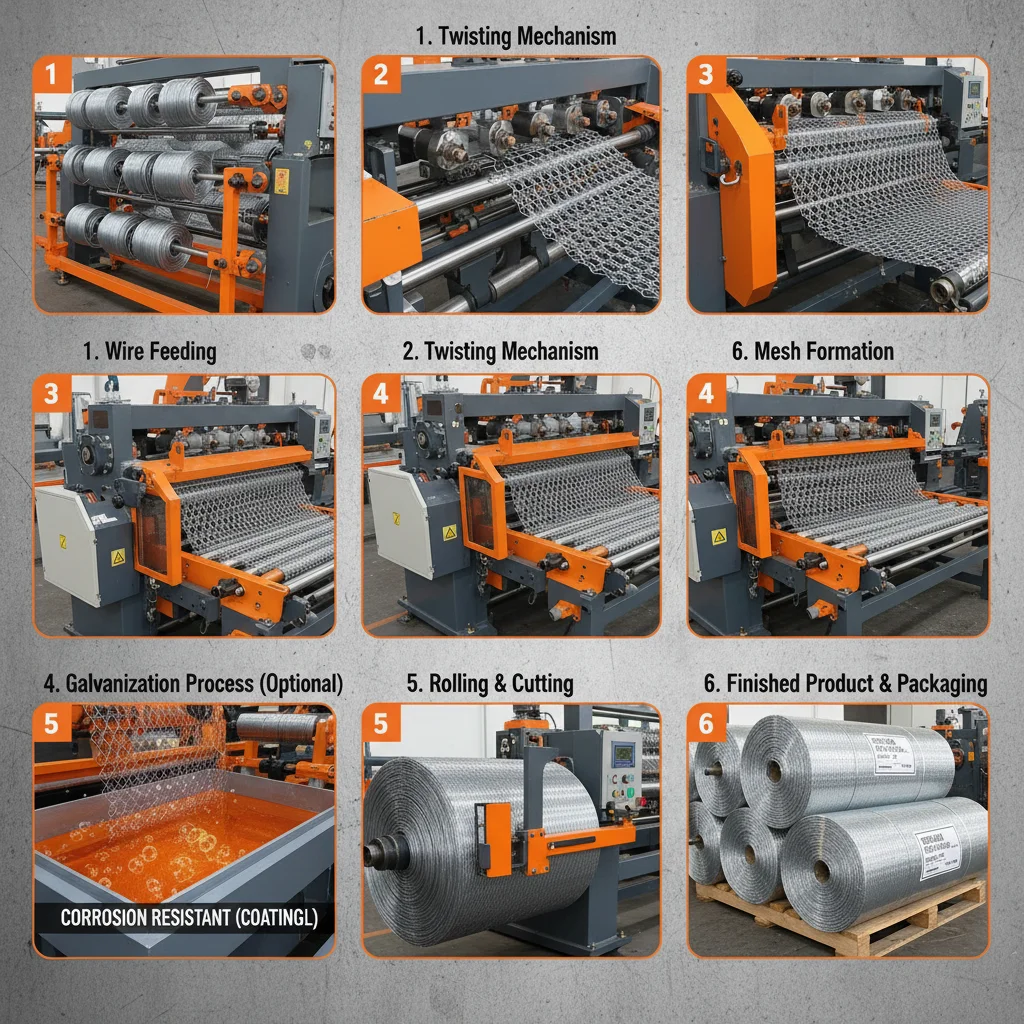
In simple terms, a super fine wire drawing machine is specialized equipment designed to reduce the diameter of metal wires to extremely fine gauges through a sequence of dies, pulling the wire through progressively smaller openings. Think of it like gradually stretching a piece of dough to paper-thin sheets — except with metal and stringent tolerances.
Why does this matter? The result is ultra-thin wires that maintain their structural integrity and conductivity, vital for industries like electronics, medical implants, and aerospace, where reliability at microscopic scales is non-negotiable. The machine typically supports multi-stage drawing, often employing lubricants and precise tension controls to prevent wire breakage or surface damage.
Mini takeaway:
- Super fine wire drawing machines turn thicker metal rods into ultra-thin, precise wires needed by modern technologies.
- They combine mechanical precision and material science to meet industries’ demands for quality and performance.
Key Features That Define Super Fine Wire Drawing Machines
1. Durability and Material Compatibility
These machines are built tough — often with hardened steel drawing dies and robust frames to handle metals like copper, stainless steel, and even exotic alloys. Durability ensures consistent performance over long production runs.
2. Precision and Surface Finish
The ability to maintain tight tolerances (sometimes under microns) while preserving surface smoothness makes these machines indispensable. Manufacturers carefully control drawing speed and tension to avoid microscopic flaws.
3. Scalability and Production Speed
Thanks to multi-stage setups, operators can produce wires in continuous runs, adjusting speeds based on material and wire diameter, which is great for balancing efficiency with product quality.
4. Cost Efficiency and Waste Reduction
High-quality drawing processes reduce scrap and rework, saving money and raw materials. The machines also often incorporate automated features to optimize lubricant use and energy consumption.
5. Automation and Control Systems
Modern super fine wire drawing machines employ digital controls, sensors, and sometimes AI algorithms to monitor tension, temperature, and die wear in real-time.
Mini takeaway:
- Durability, precision, scalability, cost-efficiency, and automation are critical aspects defining these machines’ value.
Super Fine Wire Drawing Machines in Action: Global Use Cases
It’s fascinating how broadly these machines are applied:
- Asia’s electronics sector: Companies manufacture ultra-thin copper wires used in smartphones and smart watches.
- Europe’s aerospace industry: Ultra-fine stainless steel wires are crucial in sensors and wiring harnesses that endure extreme stresses.
- Medical device manufacturers: Ultra-thin wires power pacemakers, catheters, and surgical tools, saving—and improving—lives.
- Post-disaster infrastructure: In remote zones, super fine wires help restore telecommunications and power with limited raw materials.
One supplier I spoke with recently told me how their super fine wire drawing machine enabled a manufacturer in India to boost production of precision wires vital for COVID-19 ventilators. The system’s reliability literally helped people breathe easier.
A Glimpse at Typical Specifications of a Leading Super Fine Wire Drawing Machine
| Specification |
Model SFWD-3000 |
Model SFWD-5000 |
| Max Wire Diameter |
3.0 mm |
5.0 mm |
| Min Wire Diameter |
0.02 mm |
0.05 mm |
| Drawing Speed |
Up to 150 m/min |
Up to 200 m/min |
| Power Consumption |
5 kW |
8 kW |
| Control System |
PLC with Touchscreen |
Advanced PLC & IoT monitoring |
How Different Vendors Stack Up: A Quick Comparison
| Vendor |
Product Range |
Customization |
After-Sales Support |
Pricing Level |
| HT Mesh Machines |
Wide (0.01 - 5 mm) |
High |
Excellent, global |
Mid to premium |
| FineTech Draw |
Medium (0.05 - 3 mm) |
Medium |
Good, regional |
Mid-range |
| PrecisionWire Co. |
Narrow (0.01 - 1.5 mm) |
Low |
Basic, local |
Budget |
Why Choose a Super Fine Wire Drawing Machine? The Advantages and Long-Term Value
It’s easy to list benefits, but these include:
- Cost savings: Reduced raw material waste and lower maintenance costs.
- Sustainability: Less resource consumption and lower energy use via automation.
- Enhanced product quality: Superior wire strength and surface finish improve reliability.
- Social impact: Supports life-saving medical devices and robust communication infrastructure.
- Innovation enablement: Facilitates cutting-edge electronics and aerospace technology.
On a more personal note — knowing that a perfectly drawn wire could help keep a patient’s pacemaker working or enable clearer internet signals connects the dry metalworking with something meaningful. For manufacturers, trust in the machine's output also means fewer headaches and customer complaints.
Looking Ahead: Emerging Trends in Wire Drawing Technology
Several exciting shifts are on the horizon:
- Green manufacturing: Machines integrating eco-friendly lubricants and energy-efficient drives.
- Digital twins and IoT: Real-time monitoring and predictive maintenance through connected sensors.
- New materials: Drawing wires from advanced alloys and composite metals for higher performance.
- Automation: Fully automated wire changeovers and process adjustments to shorten downtime.
Such innovations aren’t just science fiction—they’re already being tested in advanced manufacturing facilities. It feels like the machines will become ‘smarter,’ requiring less human intervention and ensuring greater consistency.
Challenges Faced and Solutions in Super Fine Wire Drawing
Frankly, the process isn’t without hurdles:
- Wire breakage: High tension risks snapping delicate wires, disrupting production.
- Die wear: Precision dies degrade over time, affecting quality and requiring costly replacements.
- Material limits: Some alloys are exceptionally difficult to draw without surface defects.
- High upfront costs: Advanced machines require significant investment, which may be daunting for smaller firms.
Addressing these challenges often involves adopting better control systems, investing in higher quality dies, using pre-treatment steps, and exploring partnerships for financing. Many engineers I know swear by close monitoring through IoT to catch issues early.
FAQ: Your Common Questions About Super Fine Wire Drawing Machines
- Q: What metals can super fine wire drawing machines handle?
- A: Most machines can draw common metals like copper, stainless steel, and aluminum. Advanced models can handle exotic alloys; it depends on the machine’s design and die materials.
- Q: How thin can these machines draw wire?
- A: Typically, wires can be drawn down to diameters as small as 0.01 mm, but this varies by machine and metal type.
- Q: Are these machines energy intensive?
- A: Older machines can consume significant energy, but modern equipment focuses on efficiency using variable speed drives and energy recovery systems.
- Q: Can small manufacturers afford these machines?
- A: While initial costs are high, leasing models, modular designs, or partnering with vendors can make them accessible to smaller players.
- Q: How does wire drawing impact product quality downstream?
- A: Properly drawn wire ensures better tensile strength, ductility, and surface finish, leading to more reliable end products like cables and sensors.
Wrapping It Up: The Road Ahead for Super Fine Wire Drawing Machines
In the grand scheme, the humble super fine wire drawing machine is quietly powering the future—literally! From enabling precision electronics to supporting life-saving devices, its role is growing and evolving. Embracing the latest technology and innovations presents exciting opportunities for manufacturers worldwide.
To explore super fine wire drawing machines yourself, check out HT Mesh Machines. Trust me, their expertise is worth a look.
References
- International Organization for Standardization (ISO)
- World Bank Wire and Cable Market Data
- Wikipedia: Wire Drawing