Understanding the Welding Wire Drawing Machine and Its Global Impact
In the sprawling factories and workshops across the world, the welding wire drawing machine plays a quiet but crucial role. Whether it's automotive parts, construction reinforcements, or essential manufacturing lines, these machines shape the backbone of modern industry. But why should anyone outside the metal fabrication circles care? Well, the quality and consistency they bring to welding wires directly affect everything from infrastructure safety to the longevity of household appliances. Getting a grip on what this machine does and why it's important means appreciating a cornerstone of industrial progress that few stop to consider.
Global Context: Why Welding Wire Drawing Machines Matter
According to data from the International Organization for Standardization (ISO), the demand for welding wire has surged by over 5% annually for the last decade, driven by rapid urbanization and infrastructure projects worldwide. Regions like Southeast Asia, the Middle East, and South America are experiencing construction booms that depend heavily on quality welding consumables. However, a major challenge persists — how to produce consistent, durable, and cost-effective welding wire amid fluctuating raw material costs and tightening environmental regulations? The welding wire drawing machine addresses these issues head-on by optimizing wire diameter and surface quality, which ultimately reduces weld defects and improves longevity.
Mini takeaway: The welding wire drawing machine is more than a production tool — it's a linchpin in meeting global infrastructure needs amid economic and environmental challenges.
What Is a Welding Wire Drawing Machine?
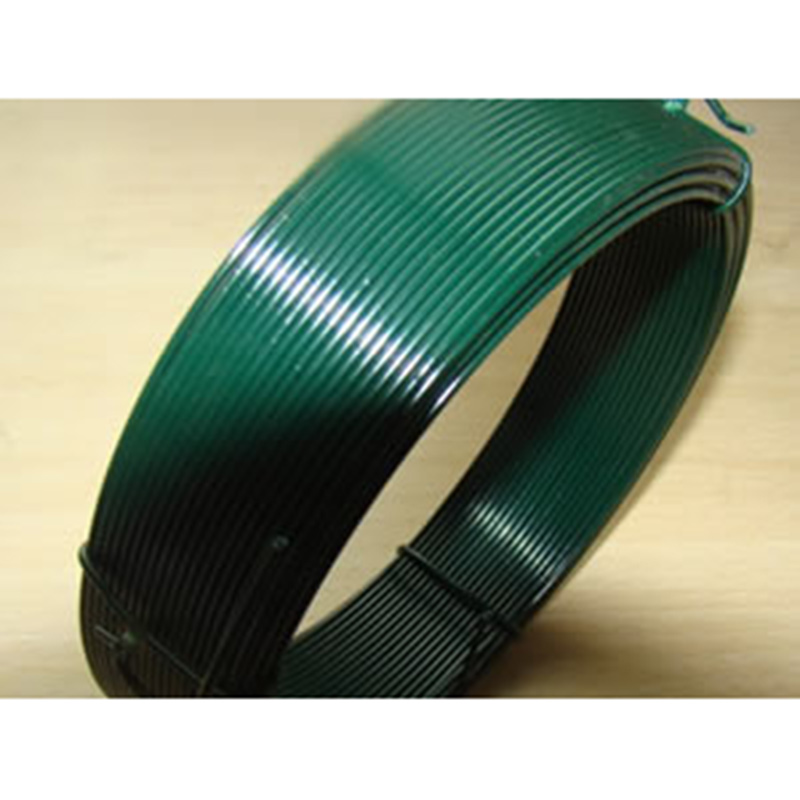
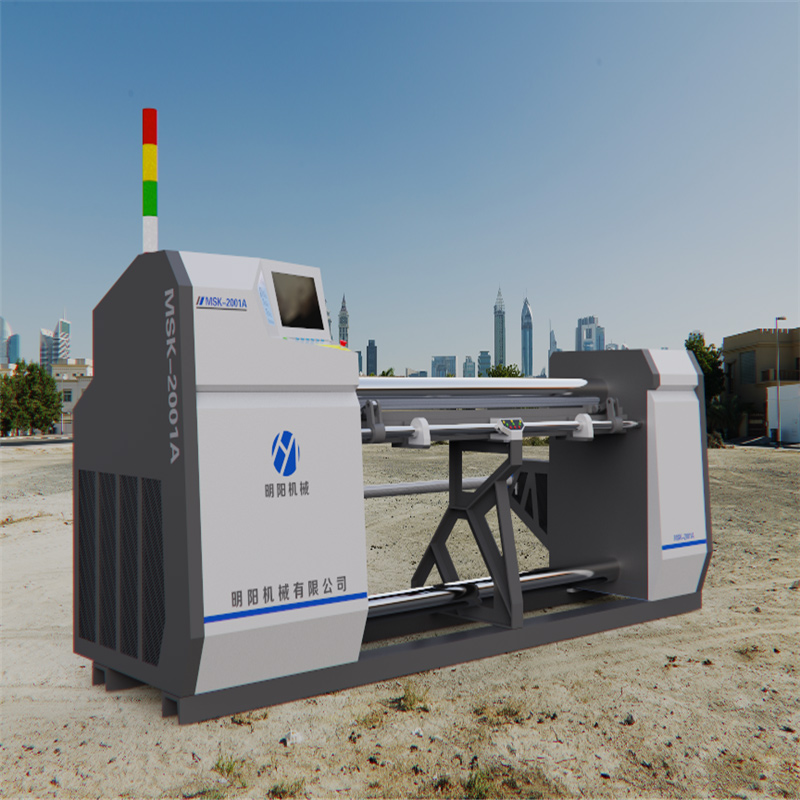
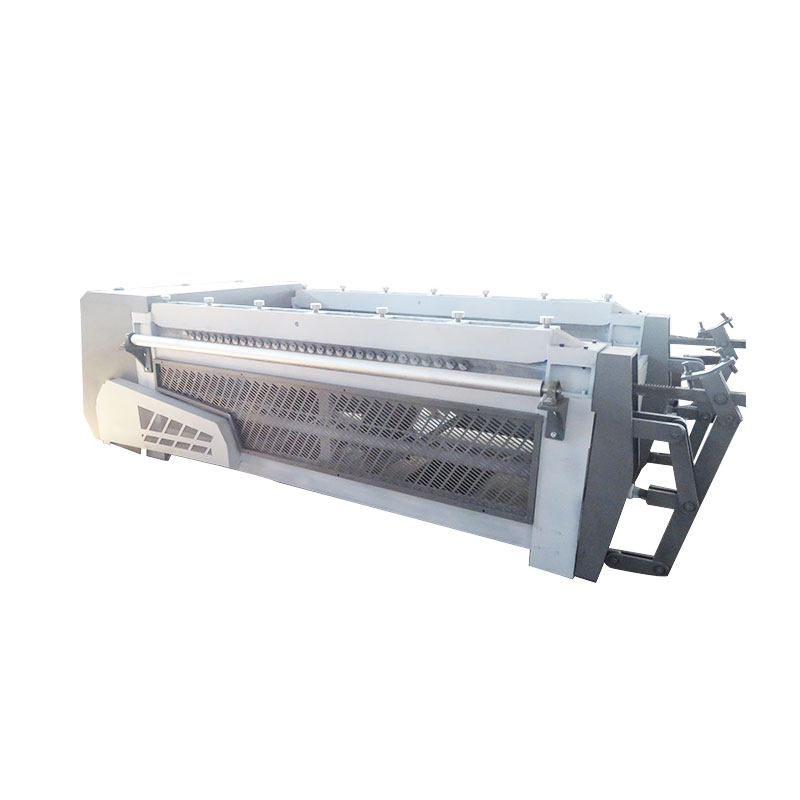
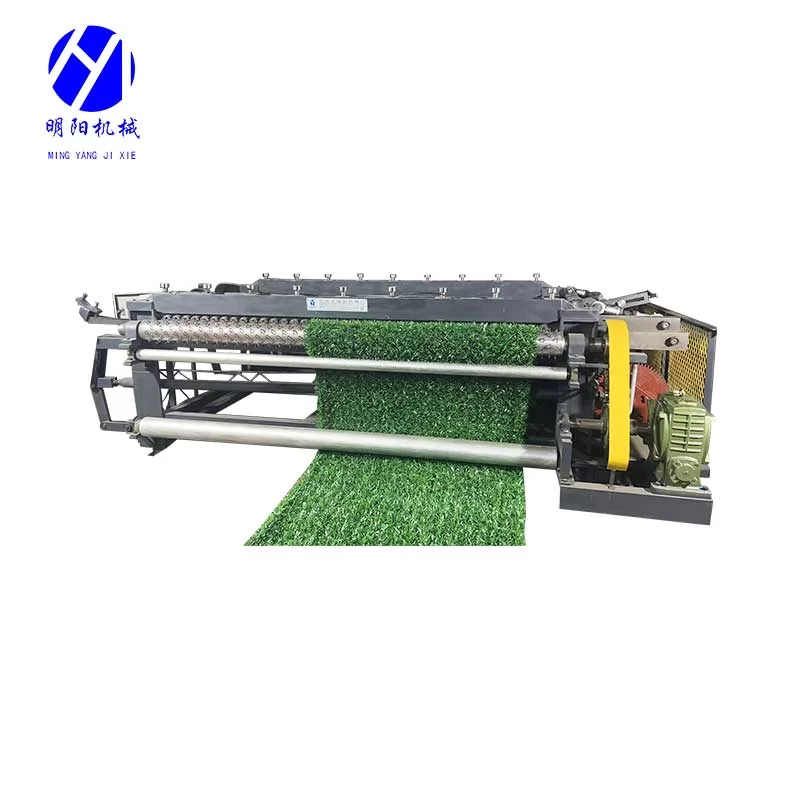
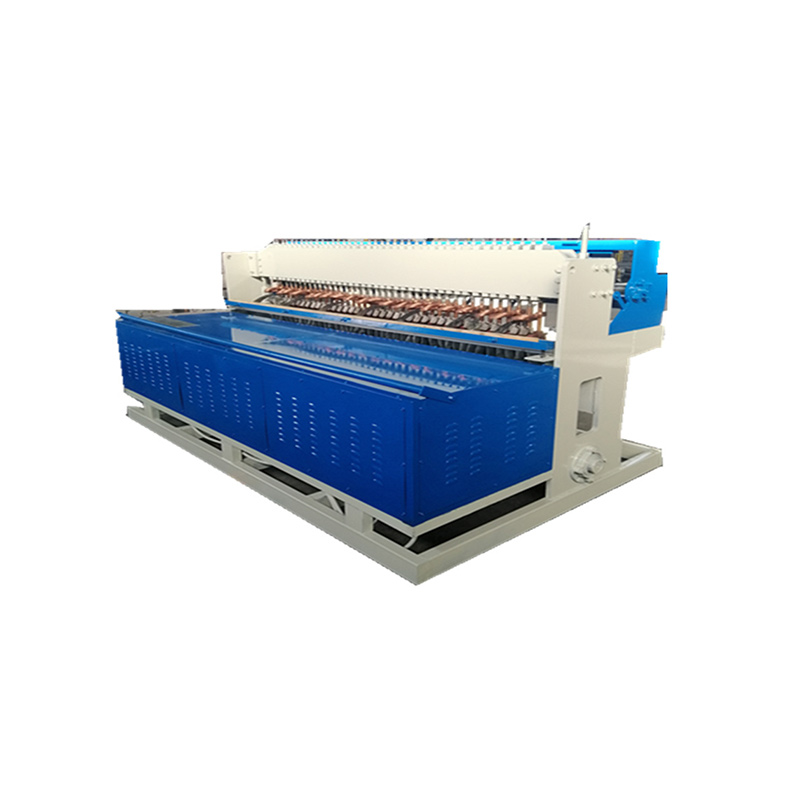
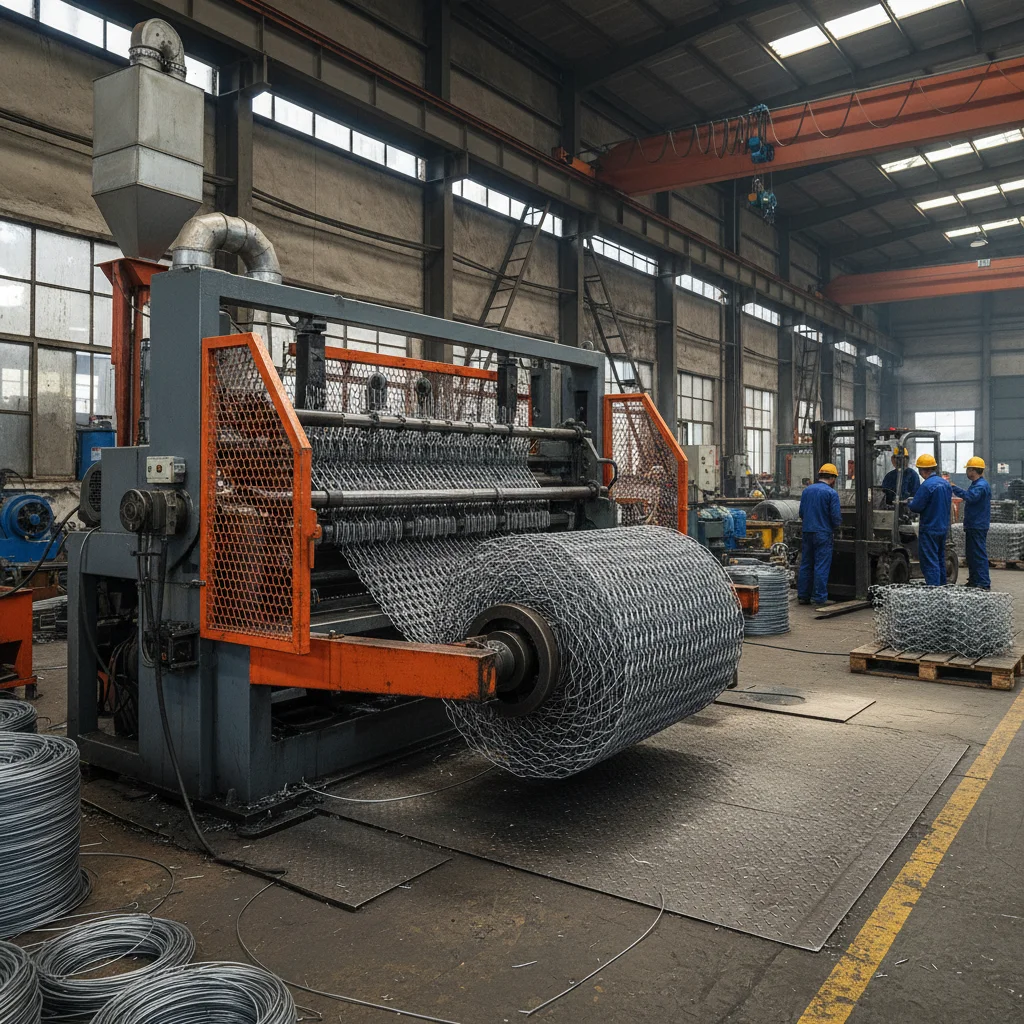
Put simply, a welding wire drawing machine is a specialized industrial device used to pull wire through a series of dies to reduce its diameter and enhance mechanical properties, resulting in uniform welding wire suitable for various applications. Though it sounds straightforward, the tension control, lubrication, and die precision involved are highly technical. This machine supports industries that rely on high-strength, flexible wires — think automotive frame welding, shipbuilding, or even renewable energy projects like wind turbine production.
Oddly enough, beyond industry, the production of reliable welding wire can even touch humanitarian efforts — stronger materials mean safer shelters, cleaner water pipe installations, and more resilient infrastructure in disaster-prone regions.
Core Components and Key Factors
1. Durability and Precision
The heart of any wire drawing machine is the set of drawing dies, often made from tungsten carbide or diamond. Their wear resistance dictates the lifespan of the machine and the wire’s final surface quality. Precision in reducing wire diameter directly affects weld quality — too much variance, and you risk weak points or problematic feed in welding guns.
2. Scalability and Throughput
These machines can be designed to handle varied production volumes — from small-scale workshops producing specialty wires to large continuous lines running meters per minute. The ability to scale output while maintaining quality is a big selling point.
3. Cost Efficiency
Efficient use of raw materials, minimal downtime, and energy consumption all factor into the operational costs. Modern machines often integrate automation and smart controls to optimize these without sacrificing quality.
4. Environmental Sustainability
Newer models incorporate closed-loop lubrication systems and energy recovery technologies, aligning with growing pressure from global bodies (see UN Environmental Program) for greener manufacturing.
5. Ease of Maintenance
Since these machines often run 24/7, quick maintenance turnaround lowers production losses. Modular components and remote diagnostics are features gaining traction.
Product Specification Table
| Specification |
Typical Range |
Notes |
| Wire Diameter |
0.8 - 6.0 mm |
Adjustable by die sets |
| Drawing Speed |
50 - 200 m/min |
Depends on wire material |
| Power Consumption |
5 - 20 kW |
Varies by throughput |
| Lubrication System |
Closed-loop oil or emulsion based |
Key for surface quality |
| Control System |
PLC with HMI |
Enables automation & monitoring |
Global Applications & Use Cases
The welding wire drawing machine is everywhere industry demands fine wire — from Southeast Asia's rapidly expanding automotive assembly plants to European renewable energy manufacturers producing wind turbines. Another interesting use case is remote mining zones in Africa, where down-time means costly delays. Here, machines with rugged designs and remote diagnostics can drastically improve reliability.
In post-disaster rebuilding, for example after earthquakes or floods, quick restoration of infrastructure depends heavily on durable heating and piping systems. Reliable welding wires produced by these machines play a subtle but important role in assembling these structures fast and strong.
Welding wire drawing machine technology also supports niche sectors like aerospace and medical equipment manufacturing, where wire quality tolerances are stringent.
Vendor Comparison Table
| Vendor |
Machine Capacity |
Automation Level |
Approx. Price (USD) |
Customer Support |
| HT Mesh Machines |
Up to 150 m/min |
Full (PLC + IoT) |
35,000 - 50,000 |
24/7 remote + onsite |
| WireCraft Solutions |
Up to 100 m/min |
Semi-automatic |
28,000 - 40,000 |
Business hours only |
| GlobalDraw Inc. |
Up to 200 m/min |
Full automation |
45,000 - 60,000 |
24/7 with global presence |
Advantages and Long-Term Value
Why invest in a quality welding wire drawing machine? Beyond immediate gains in wire performance and production efficiency, the ripple effects include lower rework costs, safer welded joints, and a smaller environmental footprint. There's a kind of peace of mind in knowing that the wire feeding your industrial processes has been produced with stringent tolerances and sustainable practices.
Many engineers stress how uptime reliability raises worker confidence and reduces wasted materials — that safety and dignity of work we sometimes overlook. Trustworthy machines ignite innovation simply by freeing skilled engineers from firefighting defects.
Future Trends and Innovations
Looking ahead, integrating digital twins and AI-driven process control into welding wire drawing machines promises more precision and predictive maintenance. Green manufacturing is also pushing advances: expect more energy recovery systems, lower lubricant use, and even exploring biodegradable wire coatings.
Automation continues to evolve, with some companies experimenting with robotic die changing and fully remote operation — promising a future where machines virtually run themselves, reducing human error and enhancing safety.
Challenges and Solutions
Of course, not everything is smooth. One recurring issue is balancing high-speed production with maintaining wire surface integrity — too fast, and die wear or micro-cracks can increase. Furthermore, initial investment cost might deter smaller manufacturers.
Innovations like modular machine design, leasing options, and better material testing protocols are emerging to address these barriers. Plus, training operators in digital tools can maximize benefits.
FAQ: Frequently Asked Questions About Welding Wire Drawing Machines
What type of maintenance does a welding wire drawing machine require?
Regular lubrication checks, die inspection, and tension calibration are critical. Scheduled downtime for die replacement and system diagnostics helps prevent unexpected failures. Many modern machines feature remote monitoring to simplify this.
Can welding wire drawing machines handle different wire materials?
Yes, with appropriate dies and setup, machines can draw steel, aluminum, copper, and specialty alloys. Adjustments in speed and lubrication type ensure optimal results for each material.
How long does it take to change dies on these machines?
Die changeovers vary by design; some machines offer quick-change modular dies that can be swapped within 30-60 minutes, minimizing production downtime.
Are there environmentally friendly welding wire drawing machine options?
Definitely. Newer models focus on closed-loop lubrication and energy-efficient motors. Some vendors also promote recycling programs for used oils and worn dies.
Is operator training necessary to run these machines?
Yes, especially as automation and digital controls grow. Skilled operators ensure quality wire output and safe operation.
Conclusion: Welding Wire Drawing Machines as an Industrial Backbone
In the complex dance of modern manufacturing, the welding wire drawing machine quietly ensures that raw metal transforms into precise, reliable wire — a small but mighty component of countless larger projects. Its evolving technology not only supports global infrastructure growth but does so with cost efficiency and sustainability in mind. If you’re in the market or curious about upgrading your production line, a deeper dive into current models and features could save you time and money.
Check out more details on welding wire drawing machine options and how they might fit your industrial vision.
Mini takeaway: Whether in bustling factories or remote sites, these machines underpin quality and progress.
References
- ISO Standards on Wire Drawing
- UN Environmental Programme – Sustainable Manufacturing
- Wikipedia – Wire Drawing Process