Understanding the Wire Drawing Machine Factory: A Global Industrial Backbone
In the vast, interconnected landscape of modern manufacturing, the term wire drawing machine factory quietly holds remarkable significance. At its core, it’s about shaping raw wire into fine, usable strands critical across nearly every industry you can think of — from electronics and construction to healthcare and automotive. Why does this matter globally? Because the ability to efficiently produce high-quality wire isn’t just a matter of industrial convenience; it’s a key enabler of infrastructure, innovation, and even humanitarian aid.
Put simply: wire draws the world together, literally — and wire drawing factories are the unsung heroes behind that process.
The Growing Global Importance of Wire Drawing
Globally, the metal processing industry is a multi-billion-dollar sector with steady growth, driven by expanding infrastructure development and technological advances. According to the International Organization for Standardization (ISO), quality and precision in metal manufacturing directly correlate with sustainability and economic development goals.
But here’s the kicker: the ongoing challenge is meeting increasing demand for finer, stronger wire products while reducing energy consumption and material waste. Factories specializing in wire drawing machines are at the forefront of solving this in places ranging from Europe’s industrial belt to East Asia’s manufacturing hubs.
Mini takeaway: Wire drawing machines are not just factory staples; they’re pivotal in building sustainable industrial chains worldwide.
What Exactly Is a Wire Drawing Machine Factory?
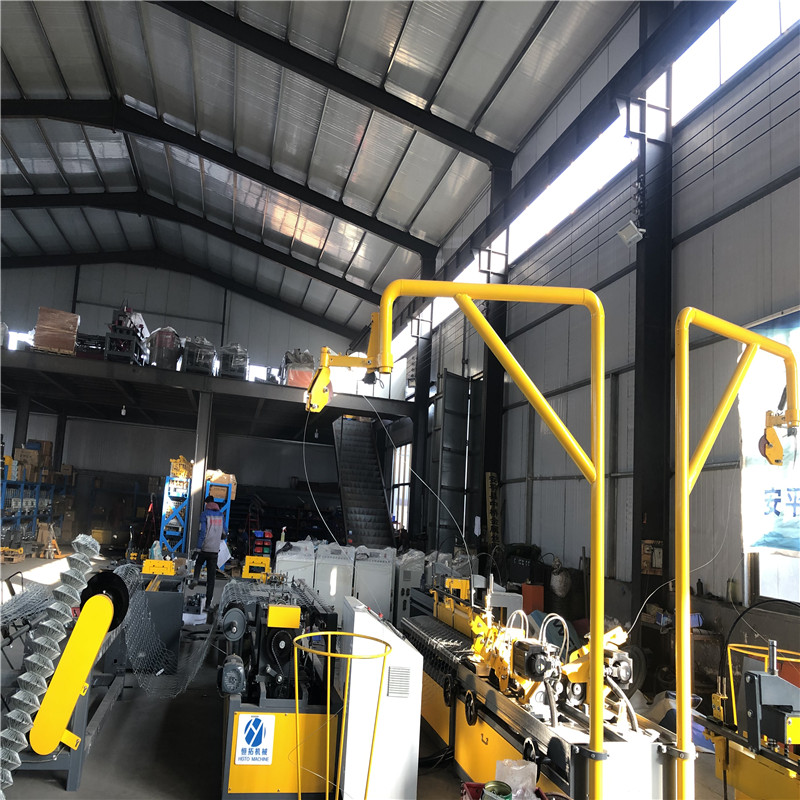
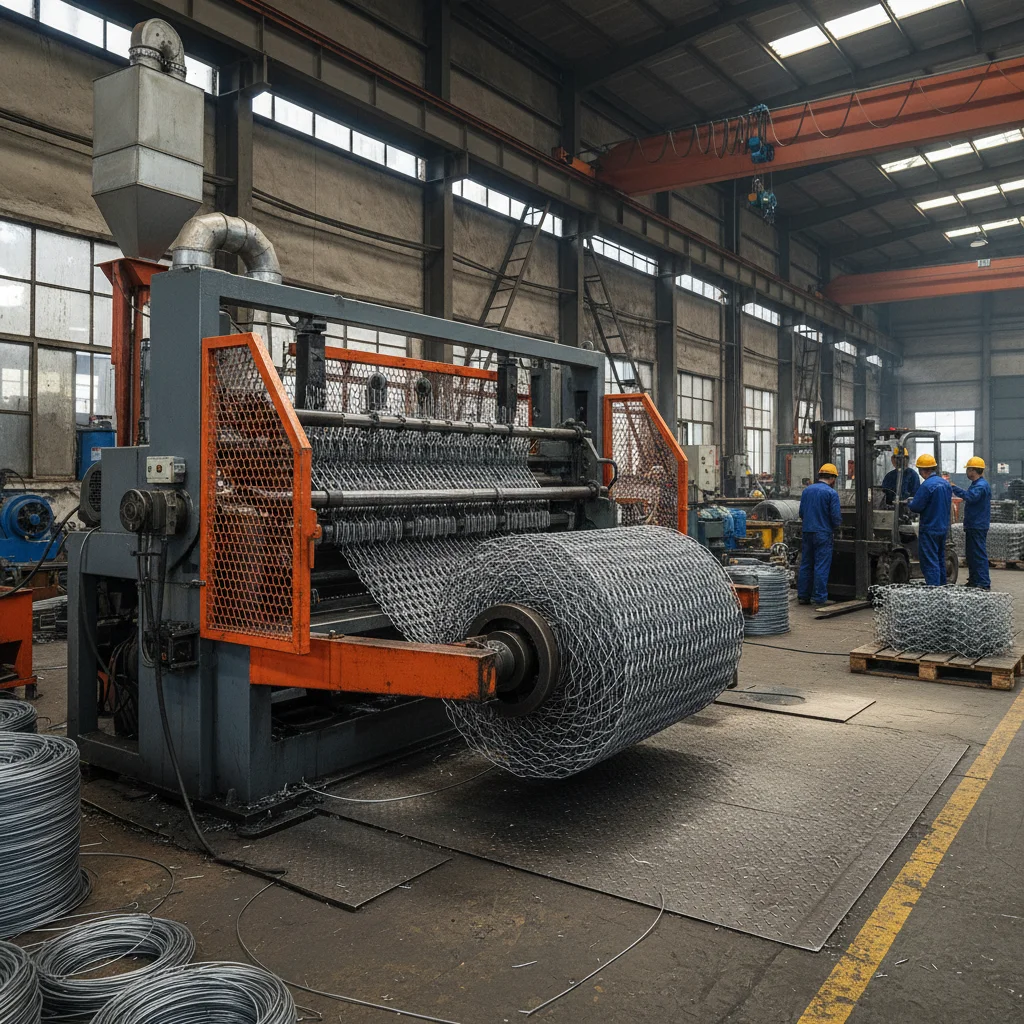
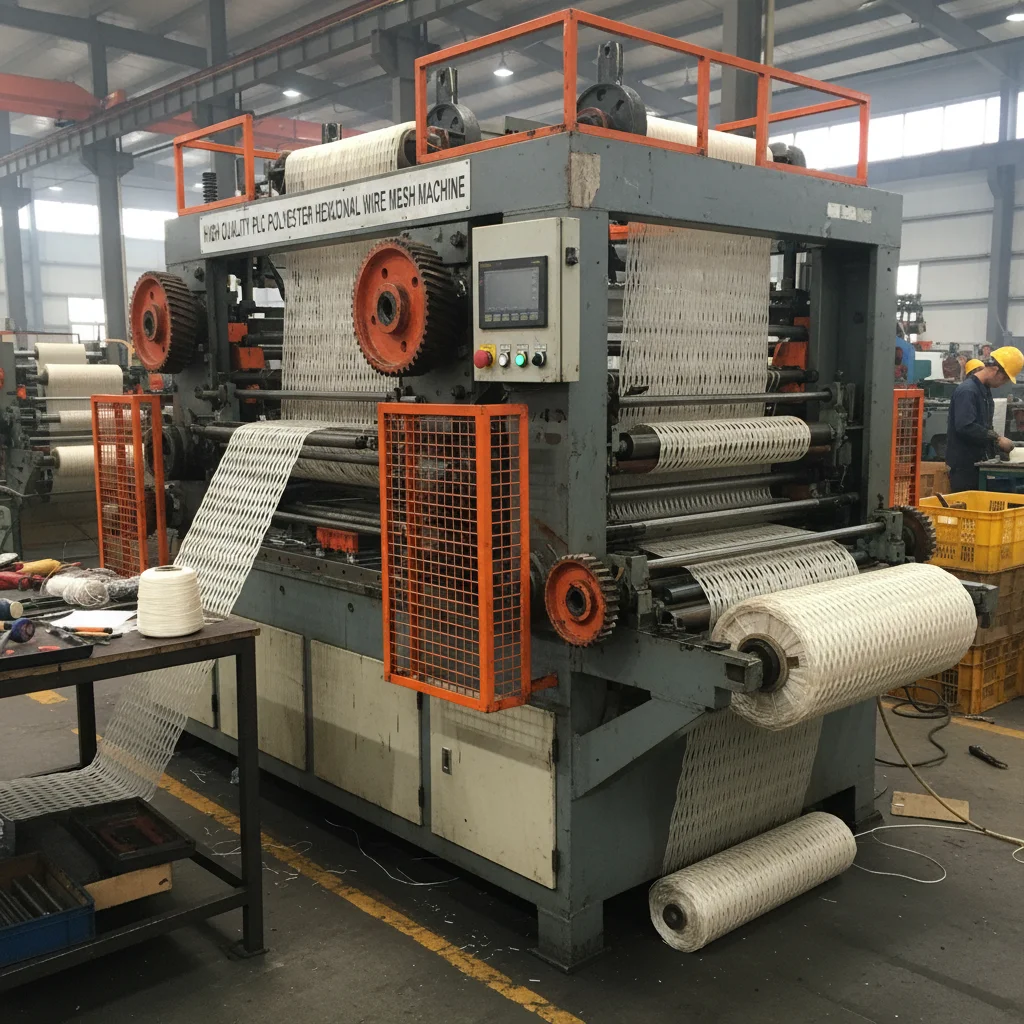
Put simply, a wire drawing machine factory is a facility where specialized machines pull metal wire through a series of dies to reduce its diameter and increase length. This process enhances wire strength and surface finish and optimizes it for a specific use.
Seen this way, such factories represent a crucial link in modern production, helping deliver everything from fine electrical wiring to heavy-duty cables supporting power grids or infrastructure projects.
Modern wire drawing factories also reflect broader economic and humanitarian themes: by ensuring access to quality wire products, they indirectly support sectors crucial for communication, healthcare, and disaster relief—for instance, providing reliable wiring for emergency shelters or communication networks.
Key Factors That Make Wire Drawing Machine Factories Tick
Durability and Machine Precision
Machines have to be rugged yet precise. After all, any tiny inconsistency in diameter or tension can lead to wire that’s prone to breakage further down the supply chain.
Scalability and Production Speed
It’s one thing to produce exquisite wire samples for testing — quite another to keep pace with large-scale industrial demand without sacrificing quality.
Energy Efficiency
Productivity today isn’t just about speed but sustainable energy consumption. Leading factories employ energy-saving motors and regenerative drives to curb environmental impact.
Cost Efficiency
Raw material costs plus electricity bills mean that reducing waste during drawing processes makes a huge difference to profitability and product pricing.
Automation and Smart Controls
Increasingly, wire drawing factories shift toward automated process controls powered by AI and IoT sensors. This minimizes human error, tracks wire quality in real time, and optimizes machine maintenance.
Maintenance and Support Services
Finally, post-sale OEM support and quick part replacements keep downtime minimal—especially critical in high-output settings.
Mini takeaway: It’s the intersection of precision and productivity combined with sustainable practices that defines modern wire drawing factories.
Real-World Applications: Where Wire Drawing Factories Make a Difference
The scale and scope here are vast.
- Automotive Industry: From brake cables to electrical harnesses, precision wire is imperative for safety and performance.
- Electronics Manufacturing: Fine wire for circuit boards and connector cables originates from wire drawing factories.
- Construction and Infrastructure: Tensile wire for suspension bridges, reinforcement, and communications wiring.
- Medical Devices: Surgical wires and dental braces rely on consistent high-strength wire.
- Disaster Relief and Remote Projects: Providing durable cable in emergency shelters or isolated zones demands fast, reliable production.
For example, in remote industrial zones in Africa, local wire drawing facilities help reduce dependence on costly imports, enabling quicker infrastructure repair and growth. Meanwhile, manufacturers in Europe push the envelope on fine gauge wire used in sophisticated electronics.
Product Specification Table
| Specification |
Details |
| Wire Diameter Range |
0.1 mm to 20 mm |
| Machine Power |
15 kW to 110 kW |
| Production Capacity |
500 kg/day to 5,000 kg/day |
| Material Compatibility |
Copper, Aluminum, Steel, Stainless Steel |
| Automation Features |
Real-time Quality Monitoring, IoT Sensors |
| Energy Saving Modes |
Yes, variable frequency drive included |
Wire Drawing Machine Factory Vendors: A Quick Comparison
| Vendor |
Specialty |
Automation Level |
Energy Efficiency |
After-Sales Support |
| HT Mesh Machines |
Mid-range Industrial, Customizable |
High |
Excellent |
24/7 Service Available |
| Global WireTech |
High Volume, Automation Focused |
Very High |
Good |
Regional Support Offices |
| EcoDraw Systems |
Eco-Friendly Process Design |
Medium |
Exceptional |
Online Support Portal |
Benefits and Long-Term Value of Wire Drawing Machine Factories
The tangible benefits are quite clear: cost savings through material efficiency, improved product reliability, and minimized downtime. But if you ask many engineers, the emotional and social benefits are just as important. Safe, durable wire means safer structures, better healthcare devices, and more reliable communications — all contributing to a sense of trust and dignity for users worldwide.
Plus, I’d add sustainability is increasingly non-negotiable. Factories that integrate energy-saving tech and smart-monitoring carry the promise of industrial growth without the shadow of excessive environmental harm.
Looking Ahead: Future Trends and Innovations
Wire drawing machine factories are quietly embracing some intriguing innovations:
- Green Energy Integration: Solar-powered auxiliary systems and regenerative electric drives.
- AI-powered Quality Checks: Early defect detection using machine vision and predictive analytics.
- Modular Machine Designs: Allowing rapid reconfiguration for different wire types or gauges — sort of a "plug and produce" model.
- Enhanced Materials: New alloys designed for better conductivity or corrosion resistance that demand refined drawing techniques.
All of these push the industry toward smarter, cleaner, and more flexible manufacturing — very 21st century.
Common Challenges and Expert Solutions
But it’s not all smooth sailing. Many factories struggle with:
- High Energy Costs: Even with efficiency upgrades, power consumption remains substantial.
- Machine Wear and Tear: Drawing tough materials causes rapid abrasion on dies and tools.
- Skilled Labor Shortage: Automation helps, but specialized knowledge is still essential.
Experts suggest focusing investments on:
- Advanced die coatings to extend tool life.
- Comprehensive training programs to upskill operators.
- Smart energy management systems to optimize power draw during off-peak hours.
FAQ: Frequently Asked Questions About Wire Drawing Machine Factory
- What materials can a wire drawing machine factory handle?
- Most factories process common metals like copper, aluminum, steel, and stainless steel, but some specialized ones also handle exotic alloys required in aerospace or medical fields.
- How important is automation in modern wire drawing?
- Automation greatly improves precision, reduces human error, and boosts production speed, but skilled operators remain critical for maintenance and quality oversight.
- Can wire drawing machines be customized for different wire sizes?
- Absolutely. Modern wire drawing factories design machines that easily adapt through modular dies and adjustable tension controls to handle a wide diameter range.
- Do wire drawing factories contribute to sustainable manufacturing?
- Yes, particularly those implementing energy-efficient motors, recycling scrap wire, and integrating renewable power sources, thereby reducing their environmental footprint.
- How can international buyers ensure quality from wire drawing machine factories?
- Look for ISO certifications, request factory audits, and opt for vendors offering comprehensive after-sales support and training.
Conclusion: Why Wire Drawing Machine Factories Matter Now More Than Ever
In an age where precision, sustainability, and connectivity define progress, wire drawing machine factories quietly underpin so much of our industrial and social infrastructure. They offer not just performance and cost benefits but pathways to innovation, global development, and resilience.
If you’re exploring options or want to learn more about how these factories can meet your production needs, do visit the wire drawing machine factory website — they offer a solid mix of technical know-how and customer-focused service that many industry insiders appreciate.
After all, sometimes it’s the machines working behind the scenes that enable the bright ideas. And to that, I say: Here’s to the wire that links us all.
References:
- Wikipedia on Wire Drawing
- ISO Standards for Metal Processing
- World Bank: Industrial Development Overview