Understanding the Wire Rod Drawing Machine: A Global Industrial Backbone
If you’ve ever marveled at the thin, tough wires that hold up bridges, power your home, or reinforce construction sites, chances are you owe some gratitude to the humble wire rod drawing machine. Globally, this equipment plays a surprisingly pivotal role. Why? Because wire drawing transforms thick steel rods into precisely sized wires used ubiquitously—from automotive manufacturing and electrical systems to construction and even medical devices.
It matters because as infrastructure demands grow and industries push for higher-quality, cost-effective materials, understanding this machine’s role unlocks insights into manufacturing efficiency, sustainability, and even economic development.
Quick takeaway: Wire rod drawing machines streamline raw steel into versatile wire, fueling countless industries worldwide—and their importance only grows as demand for better, stronger materials rises.
The Global Context: Why Wire Rod Drawing Machines Matter More Than Ever
The International Steel Statistic Yearbook reported that global steel production topped 1.9 billion metric tons in 2023, with a considerable amount destined for wire and cable sectors (1). The wire rod drawing process is critical for converting these bulk steel outputs into usable wire forms. In many developing countries, steel wire is the backbone of basic infrastructure projects. Without efficient wire rod drawing machinery, delays, cost overruns, and quality issues could cripple progress.
Moreover, evolving challenges such as urbanization, climate resilience, and renewable energy expand wire demand in ways we didn’t foresee a decade ago. For example, electrical wiring for solar farms or cabling for smart city infrastructures requires precision-engineered wire sizes. In these contexts, old methods just won’t cut it anymore.
What Exactly Is a Wire Rod Drawing Machine?
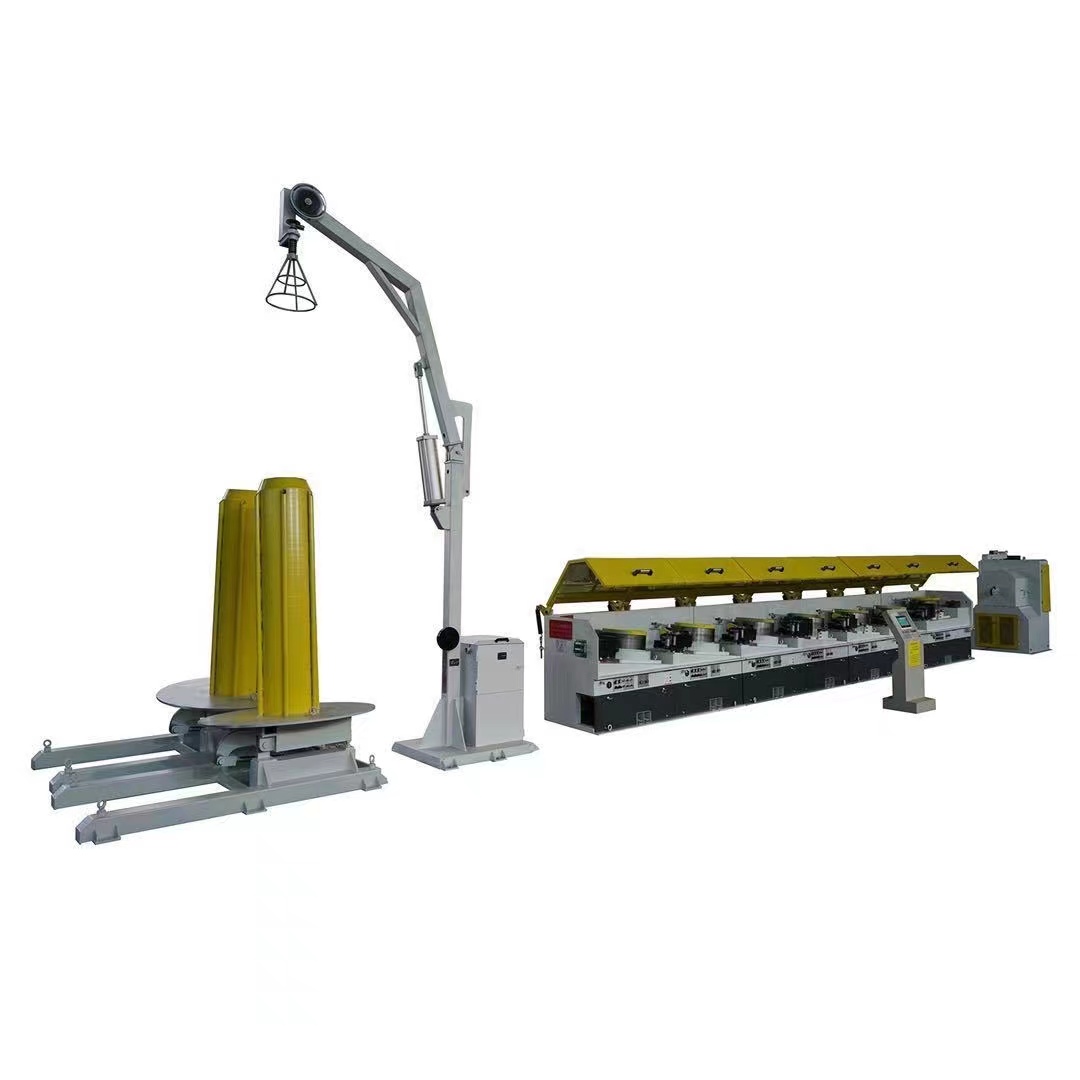
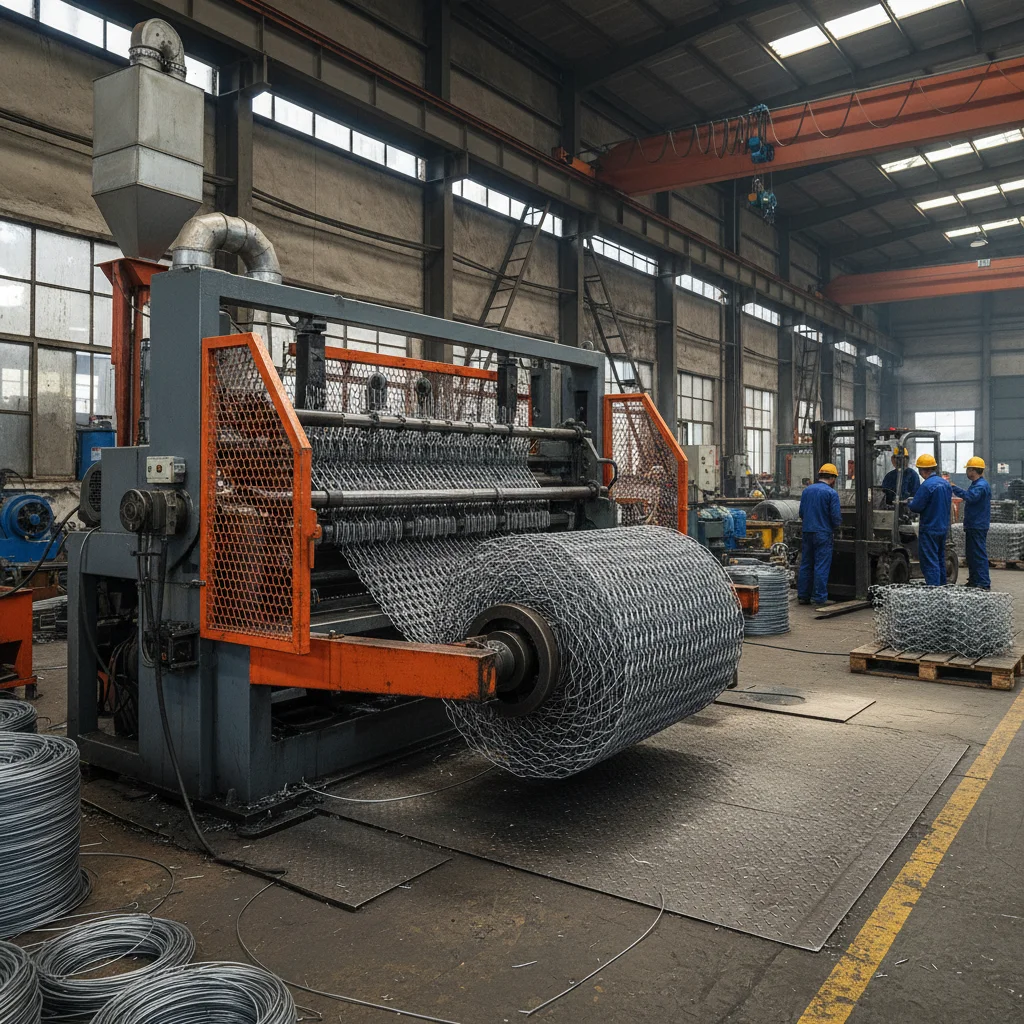
Simply put, a wire rod drawing machine is a piece of industrial equipment used to pull steel rods through a series of progressively smaller dies or holes. This process reduces the diameter and increases the length of the rod, effectively transforming it into wire. During drawing, mechanical force and friction work together to reduce material thickness without breaking it—pretty clever, really.
While that sounds straightforward, the technology behind these machines is increasingly sophisticated, enabling wire with exact diameters, improved tensile strength, and better surface qualities. This advancement means better products downstream—think stronger cables that won’t snap under pressure or wires that conduct electricity more efficiently.
So, a wire rod drawing machine isn’t just a metal puller; it’s a precision tool that ensures quality, efficiency, and adaptability across industries.
Crucial Components of a Wire Rod Drawing Machine
1. Durability and Material Handling
These machines must withstand continuous heavy loads. Components are typically made from wear-resistant alloys to resist abrasion from steel rods during the drawing process. Without this durability, machines falter, costing both time and money due to downtime.
2. Scalability and Production Capacity
A modern wire rod drawing machine’s capability to scale output—whether for a local manufacturer or a global supplier—is key. Quickly adapting production to meet changing demands saves resources and enhances competitiveness.
3. Precision Control Systems
Advanced electronics now help regulate speed, tension, temperature, and lubrication. Controlling these factors minimizes defects like wire breaks, surface damage, or irregular thicknesses.
4. Energy Efficiency
Since these machines run for thousands of hours yearly, optimizing power consumption is crucial. Many models now include energy-saving drives and regenerative braking to lower operating costs and environmental impact.
5. Maintenance and Ease of Use
Easy access to dies and components for replacement or cleaning reduces downtime. Moreover, intuitive controls shorten operator training times and improve safety.
Put together, these features make wire rod drawing machines reliable workhorses that balance performance with practical business concerns.
Global Applications and Real-World Examples
Wire rod drawing machines are employed extensively in:
- Construction: Reinforcing bars, steel cables for bridges, and fencing wire.
- Automotive: Springs, wires for electrical components, and safety systems.
- Energy Sector: Electrical wiring for grids, solar farms, and wind turbines.
- Healthcare: Precision wire for surgical instruments and medical devices.
For instance, during post-disaster rebuilding in Southeast Asia, rapid deployment of wire rod drawing machines enabled local production of steel wire needed for temporary shelters and infrastructure repair (2). Similarly, remote industrial zones in South America rely on mobile-equipped wire drawing setups to avoid delays in equipment maintenance.
In short, from bustling cities to remote areas, wire rod drawing machines quietly support some of the most critical infrastructure development worldwide.
Advantages and Long-Term Value of Wire Rod Drawing Machines
What’s often overlooked is how these machines contribute to sustainability and social impact. They reduce waste by maximizing metal usage through precise drawing, lowering the need for costly remanufacturing. Plus, their reliable performance enhances workplace safety—fewer wire breaks mean fewer accidents.
Beyond logic, there’s an emotional tie for operators and engineers proud of producing top-tier wire products that literally support communities. Innovation here isn’t just about profits; it’s about trust and dignity through better, safer materials.
Latest Trends and Innovations Shaping the Future
Looking ahead, automation stands out. Integrating AI-driven controls into wire rod drawing machines can predict maintenance needs before failures occur. Green energy integration—like solar-powered operations—is starting to influence factory setups too.
Additionally, new alloy materials and nano-coatings for dies improve wire surface quality and machine life. These tech upgrades align with ISO standards promoting energy efficiency and quality management in manufacturing (3).
Challenges and Innovative Solutions
Of course, not everything is smooth sailing. Issues such as uneven wire thickness, drawing-induced heat buildup, and die wear remain troublesome. However, companies are experimenting with hybrid lubrication systems and modular die replacement designs to ease maintenance.
Moreover, the leap to digital monitoring is bridging gaps between old machines and modern factory demands, helping operators intervene proactively and improve yield.
FAQ: Common Questions About Wire Rod Drawing Machines
- Q: How does the wire diameter affect production speed?
- A: Generally, thinner wires take longer because they require more drawing stages and slower pulling speeds to prevent breakage. Each stage reduces diameter incrementally while controlling tension carefully.
- Q: Can wire rod drawing machines handle different steel grades?
- Yes, but machines often need adjustments in die selection, drawing speed, and lubrication depending on steel hardness and composition for optimal results.
- Q: What maintenance is essential to extend machine lifespan?
- Regular cleaning of dies, checking lubrication levels, inspecting wear parts, and calibrating tension controls help keep machines running smoothly over years.
- Q: Are wire rod drawing machines energy-intensive?
- They can be, but modern models emphasize energy-efficient motors and regenerative systems to reduce electricity consumption significantly.
A Quick Look at Product Specifications and Vendor Options
| Specification |
Typical Range |
Notes |
| Input Wire Rod Diameter |
5 mm - 20 mm |
Varies by machine model |
| Output Wire Diameter |
0.1 mm - 10 mm |
Progressive reduction stages |
| Max Drawing Speed |
300 m/min - 800 m/min |
Dependent on wire size |
| Power Consumption |
50 kW - 150 kW |
Energy-saving options available |
| Machine Weight |
5 to 15 tons |
Varies with design and capacity |
Comparing Vendors: What to Consider
| Vendor |
Price Range (USD) |
Lead Time |
Tech Support |
Customization |
| GlobalSteelTech |
$120,000 - $250,000 |
8-12 weeks |
24/7 hotline & on-site |
Full customization |
| SteelForm Systems |
$110,000 - $200,000 |
10-14 weeks |
Email support & online manual |
Standard models |
| HT Mesh Machines |
$130,000 - $270,000 |
6-10 weeks |
On-site & remote diagnostics |
Semi-custom & modular |
Ultimately, the right choice depends on your production goals, budget, and desired tech features. HT Mesh Machines, for instance, offers flexible solutions blending affordability with cutting-edge tech — a pretty nice middle ground for many operators I know.
Wrapping Up: Why This Machine Deserves Your Attention
The wire rod drawing machine might fly under the radar, but its impact is enormous. It helps turn raw steel into the fine wires that gird our world—from skyscrapers to smartphones. As industries evolve, so too do these machines, incorporating smarter controls, greener processes, and more precise outputs.
If you want reliable, efficient, and sustainable wire production, this equipment is worth your time—whether you’re an engineer, investor, or business owner. To explore top-tier machinery and trustworthy support, remember to visit HT Mesh Machines. Curious? Dive deeper, and see how wire drawing tech shapes our shared industrial future.
1. World Steel Association: https://worldsteel.org
2. UNDP Post-Disaster Infrastructure Reports
3. ISO Energy Efficiency Standards: https://www.iso.org/iso-50001-energy-management.html