Understanding the Razor Barbed Wire Machine: Its Global Significance and Benefits
The razor barbed wire machine is a fascinating piece of industrial equipment, fundamentally shaping security measures worldwide. But why should anyone outside of manufacturing or fencing industries care? Well, razor barbed wire, crafted by these machines, stands as one of the most cost-effective, durable, and efficient methods for perimeter security—whether securing borders, industrial zones, or even humanitarian sites.
With increasing global concerns around border security, illegal encroachment, and property protection, the razor barbed wire machine plays a pivotal role in keeping many spaces safe and controlled. Understanding its mechanics and applications unlocks insight into a security technology underpinning critical infrastructure globally.
A Global Perspective on Razor Barbed Wire Machines
From industrial facilities in Southeast Asia to border fences in Europe and Africa, the razor barbed wire machine has a genuinely international footprint. According to ISO standards, barb wire manufacturing demands precision and consistency, achievable only through specialized machines.
Consider the United Nations' reports on growing border enforcement needs worldwide or the World Bank’s data highlighting infrastructure investments in emerging markets—both contexts increase razor wire demand. The machine answers practical challenges: rapid production, robust quality, and cost pressures. And frankly, in an age when safety concerns crossover into humanitarian spheres (like refugee camps), the value of reliable razor wire deployment cannot be overstated.
What Exactly Is a Razor Barbed Wire Machine?
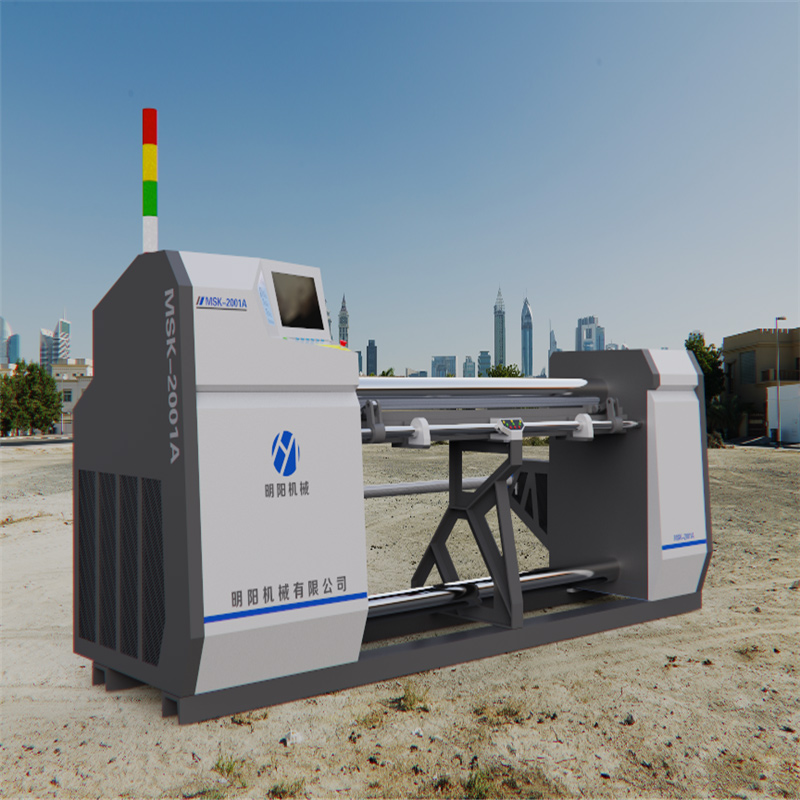
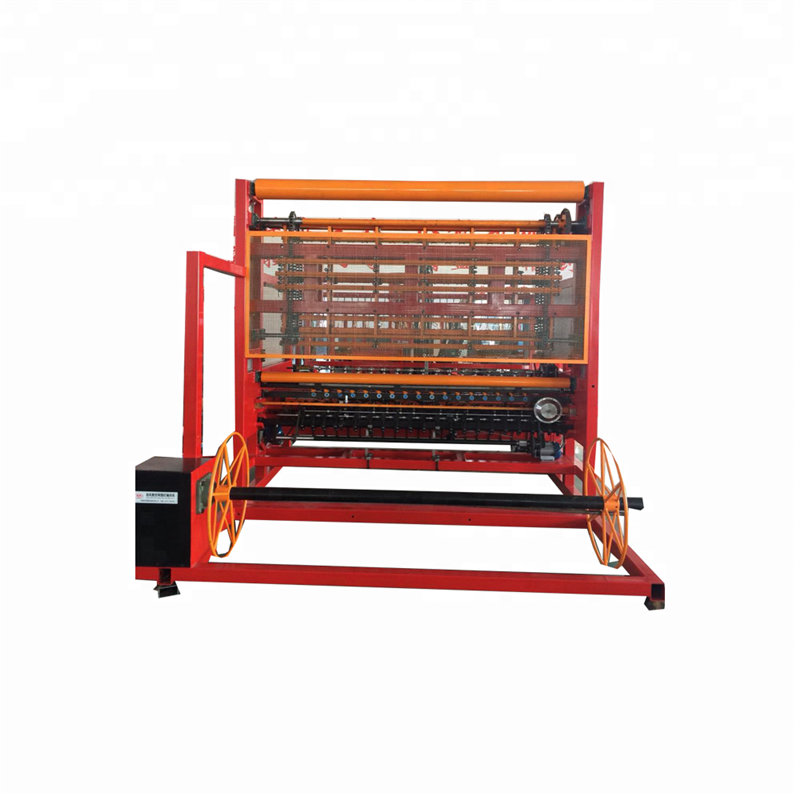
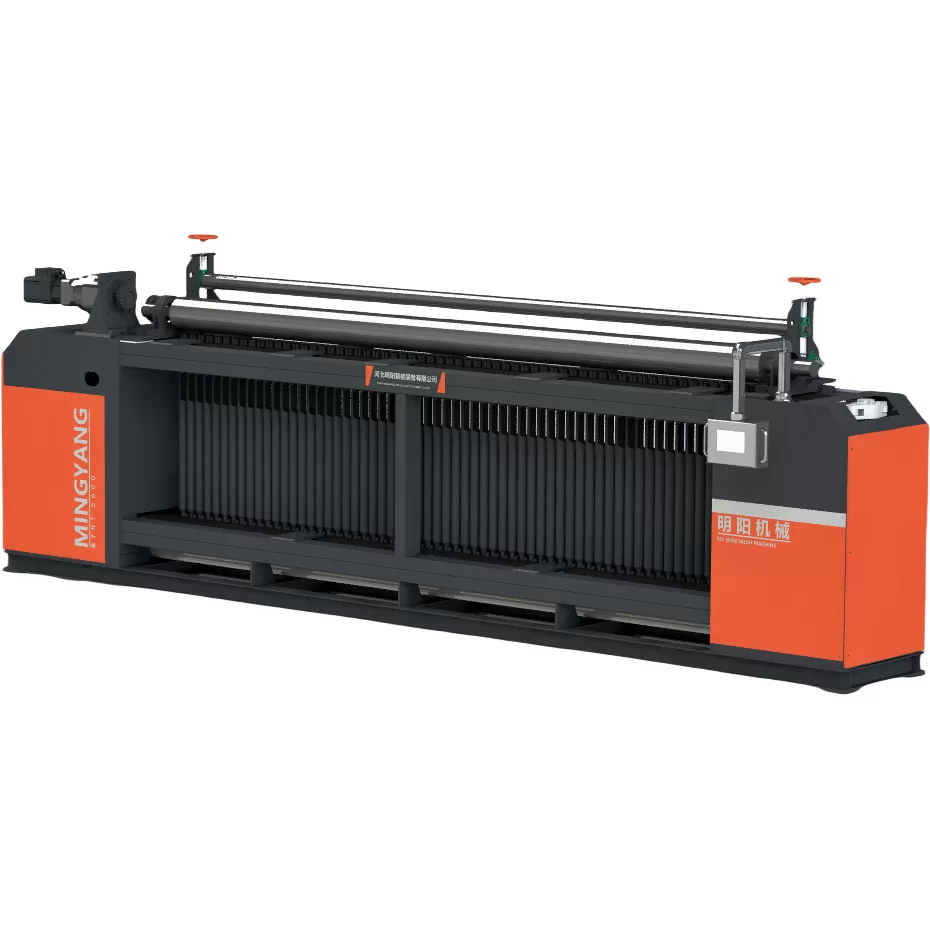
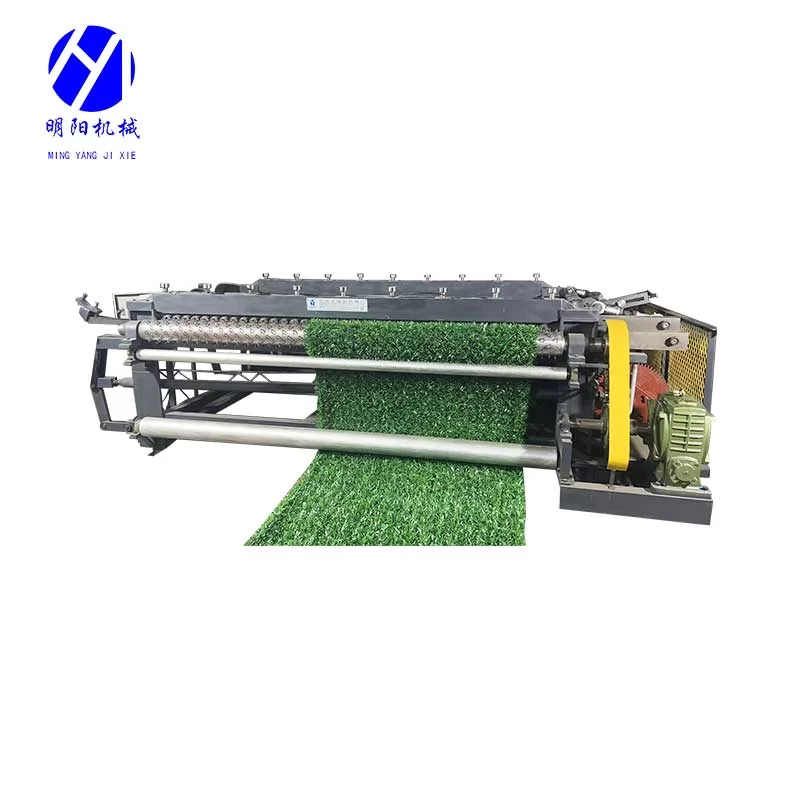
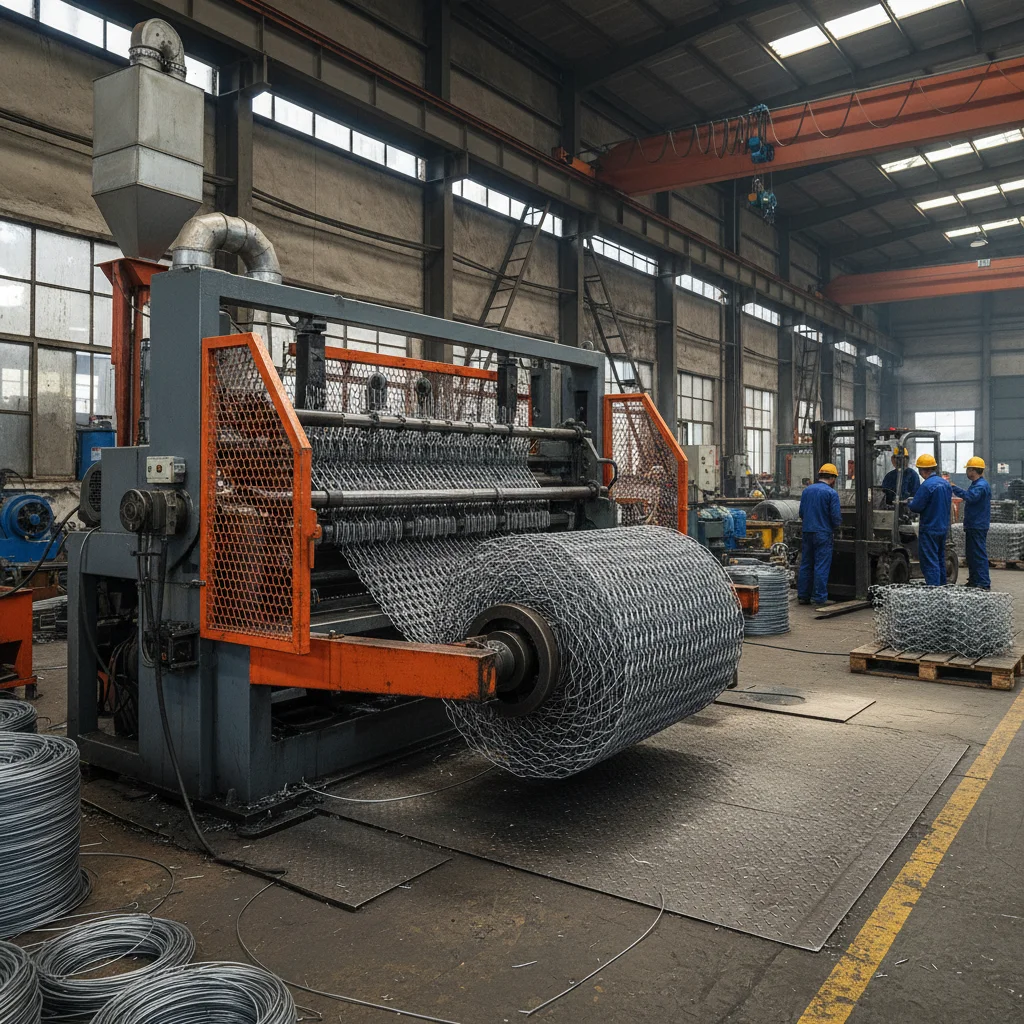
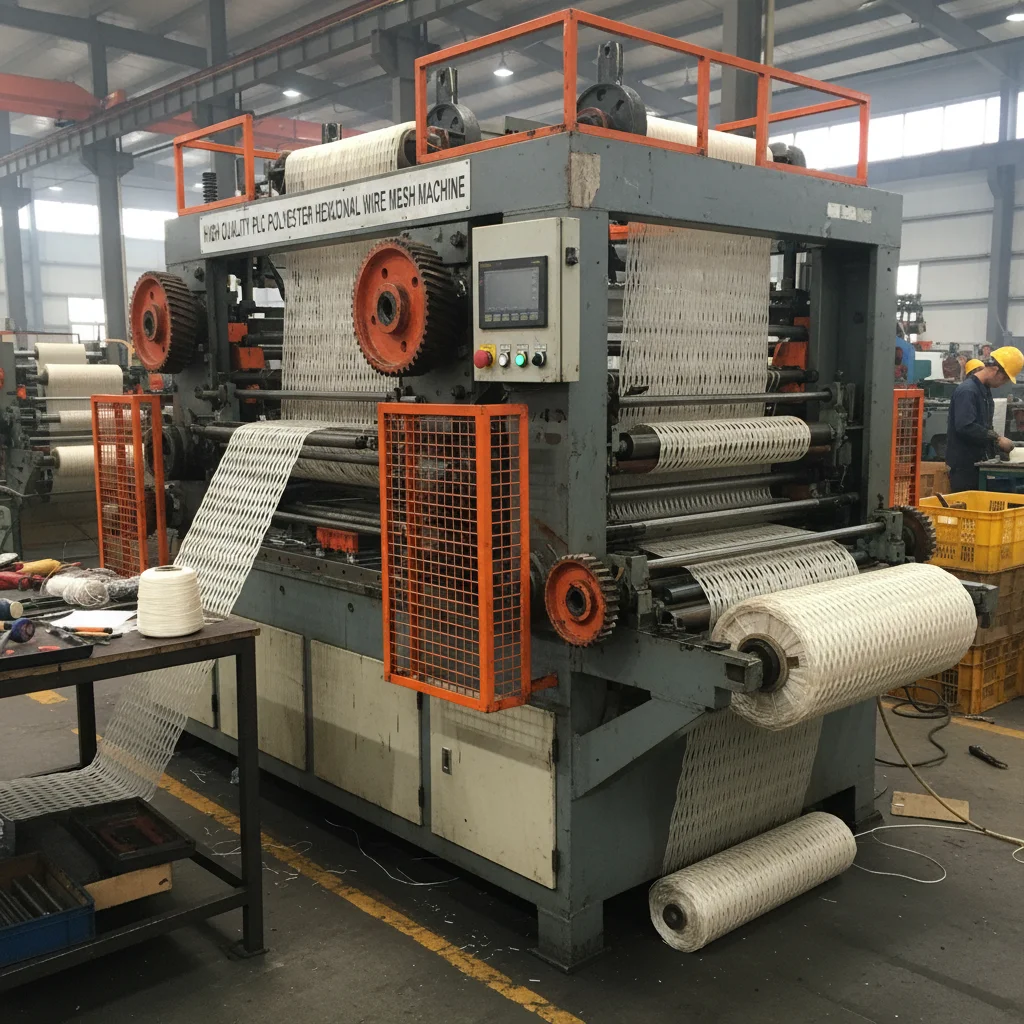
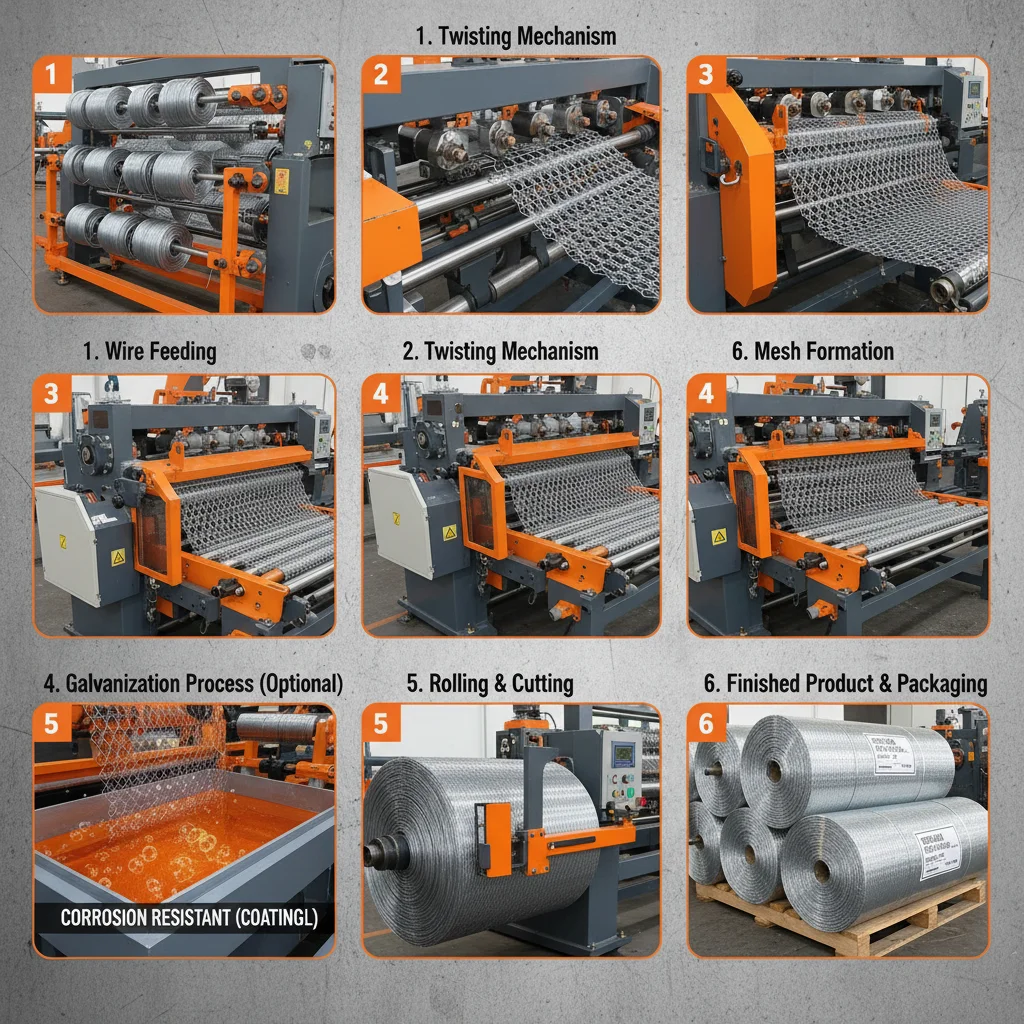
Simply put, a razor barbed wire machine is an automated or semi-automated device designed to shape and assemble razor wire—also called concertina wire—by twisting, crimping, and shaping sharp-edged metal strips into coils or rolls. The process demands exact tension control, strong cutting edges, and rapid yet precise wire twisting. The machine’s output is razor wire that’s practically synonymous with deterrence, thanks to its intimidating sharpness and durability.
This tool is more than just industrial equipment; it’s a cornerstone of modern fencing techniques. And even beyond conventional fencing—this wire often appears in emergency relief zones, securing temporary shelters and sensitive facilities.
Key Features of a Razor Barbed Wire Machine
1. Durability and Material Handling
Materials range from galvanized steel to stainless steel or aluminum, demanding a machine that can handle tensile stress without faltering. Machines built with high-grade steel frames and corrosion-resistant parts last through years of 24/7 operation.
2. Scalability and Speed
Modern models can churn out dozens of meters of razor wire per hour—critical for large-scale projects. Scalability means you can tailor production to demand, whether small batches or full cargo loads.
3. Precision and Safety Mechanisms
It might sound ironic, but safety is paramount. These machines include shields and emergency stop functions to protect operators from the very razor edges they produce.
4. Cost Efficiency and Low Maintenance
Given how competitive the fencing sector can be, a low-maintenance machine reduces long-term costs. Some models boast modular parts, simplifying repairs and minimizing downtime.
5. Automation Level and User-Friendliness
From manual to fully automated systems, user interfaces vary but tend toward simplification—meaning operators don’t need to be engineers to run or troubleshoot machines.
Mini takeaway:
The best razor barbed wire machines balance speed, safety, and durability, helping businesses stay competitive and consistent. It’s no small feat given the sharp and stressful nature of working with metal wire.
Real-World Applications of Razor Barbed Wire Machines
Globally, razor wire serves security at government buildings, correctional facilities, warehouses, power plants, and more. In the Middle East, quick expansions of border barriers rely heavily on these machines. In Africa, NGOs use concertina wire around refugee camps to maintain order and safety.
Oddly enough, some farmers in South America and Australia have even adopted razor wire for livestock fences—combining toughness with cost savings.
Example: In post-disaster zones like after the 2010 Haiti earthquake, rapid deployment of secure perimeter fencing was key to protecting supply depots and aid distribution points—something enabled by swift razor wire production using these machines.
Specifications of a Typical Razor Barbed Wire Machine
| Feature |
Typical Value |
Notes |
| Wire Diameter |
1.6 – 3.0 mm |
Applicable for most security wires |
| Production Speed |
15 – 40 meters/min |
Higher speeds for automated models |
| Power Consumption |
3 – 7 kW |
Dependent on motor size |
| Weight |
600 – 1500 kg |
Varies with size and design |
| Automation Level |
Semi-automatic to fully automatic |
Operator input varies accordingly |
Comparing Leading Razor Barbed Wire Machine Vendors
| Vendor |
Machine Type |
Production Capacity (m/min) |
Price Range (USD) |
Notable Features |
| HT Mesh Machines |
Fully Automated |
35 - 40 |
30,000 - 45,000 |
Easy operation, energy-efficient motor |
| Global Wire Tech |
Semi-Automatic |
20 - 25 |
18,000 - 25,000 |
Compact design, moderate cost |
| SecureEdge Machines |
Manual / Semi-Automatic |
15 - 22 |
10,000 - 20,000 |
Budget-friendly, easy maintenance |
The Advantages and Long-Term Value of Using Razor Barbed Wire Machines
Installing razor wire is not just about immediate barrier efficacy. We’re talking about sustainability, reliability, and a kind of peace of mind that lasts for years. Machines that produce consistent quality wire ensure that fences don’t weaken or fail unexpectedly. That means fewer repairs, less downtime, and, frankly, a better reputation for safety.
Cost-wise, producing your own razor wire cuts out middlemen, optimizing margins. There’s also an emotional side: when you know the perimeter of your facility, industrial complex, or protected zone is secured with reliable razor wire, a feeling of trust and control settles in. That’s not easily quantifiable but absolutely felt.
Future Trends and Innovations in Razor Barbed Wire Machines
The industry isn’t standing still. Frankly, I’m noticing a slow but steady integration of smart tech into these machines—things like automated fault detection, IoT connectivity for remote monitoring, and adaptive speed controls depending on wire type.
Materials are evolving too. Hybrid steel alloys and corrosion-resistant coatings promise sharper, longer-lasting barbs. And green energy? Yes, some manufacturers are experimenting with solar-powered machine models to reduce carbon footprints in remote installations.
There’s talk about robotics too—imagine deploying razor wire automatically with drones or robotic arms. Not tomorrow’s news—but the seeds are planted.
Challenges and Practical Solutions
Of course, there are challenges. One big one is handling safety—both for machine operators and end-users. The risk of injury requires proper training and maintenance of safety guards. Also, producing sharp edges consistently demands precise calibration.
Another issue is material sourcing: fluctuating steel prices hit production costs. To offset that, some companies embrace material recycling programs or local supplier partnerships to stabilize supply and cost.
Finally, customization — often clients need specific wire configurations. Modular machine designs help address this by allowing part swaps or software updates for pattern variations.
Frequently Asked Questions About Razor Barbed Wire Machines
- Q: How fast can a typical razor barbed wire machine produce ready-to-install wire?
A: Generally, automated razor barbed wire machines produce around 35 to 40 meters per minute, though semi-automatic models produce less. Speed depends on wire diameter and machine type.
- Q: Can these machines handle different wire thicknesses?
A: Yes, most machines are adjustable for wire diameters between 1.6 mm and 3.0 mm, accommodating a range of security requirements.
- Q: Are there safety features built into the razor barbed wire machine?
A: Absolutely. Modern machines include emergency stops, protective shields, and automated wire tension control to protect operators from injury.
- Q: How difficult is it to maintain a razor barbed wire machine?
A: Maintenance is straightforward with modular parts that simplify repairs. Regular lubrication and inspections keep machines running efficiently with minimal downtime.
- Q: Where can I get a reliable razor barbed wire machine?
A: Leading vendors like HT Mesh Machines offer a range of quality models suited to different production scales and budgets.
Conclusion: Securing Tomorrow with Razor Barbed Wire Machines
It’s easy to overlook the complex machinery behind razor wire fences — but as you can see, the razor barbed wire machine is an unsung hero for industries and governments needing reliable security tools. The long-term value is clear: durability, cost-effectiveness, and adaptability.
If your business or organization depends on perimeter security, investing in a high-quality razor barbed wire machine means you're taking a step toward self-reliance and better control over security fencing.
Interested in learning more or exploring options? Visit HT Mesh Machines for comprehensive solutions tailored to your needs.
References
- Wikipedia: Barbed Wire
- ISO Standards on Wire Mesh Products
- World Bank: Infrastructure and Services