Understanding the Concertina Wire Machine: Why It Matters in Today’s World
If you’ve ever wondered how high-security barriers are made and deployed so efficiently, chances are a concertina wire machine is involved behind the scenes somewhere. This piece of engineering is more than just a mechanical contraption; it plays a pivotal role globally in security, humanitarian efforts, and industry. And honestly, in a world that demands quicker border protection and safer infrastructure, understanding its function and benefits can shed light on everything from fencing projects to disaster management.
Globally, the demand for concertina wire — the sharp-edged, spiral-shaped wire used in barriers — has grown steadily. According to recent UN reports on security and conflict zones, barriers equipped with concertina wires have helped reduce unauthorized crossings by up to 50% in sensitive border areas. Plus, with industrial sites, military zones, and even wildlife reserves adopting such fencing solutions, the machines producing this wire have become indispensable.
At its core, the concertina wire machine allows for mass production of these sharp, coiled wires with precision and speed, replacing what used to be cumbersome manual labour. This alone translates into faster installation times and cost savings. But there’s more to it—things like quality, durability, and adaptability mean the machine’s impact reaches far beyond simple wire manufacturing.
In summary: The concertina wire machine isn’t just about barbed wire — it’s a global enabler for safety and control across various sectors.
Concertina Wire Machine: A Simple Definition with Broad Implications
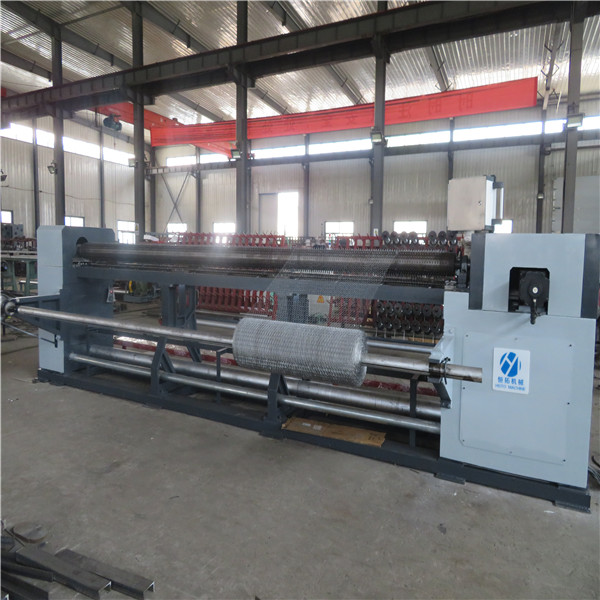
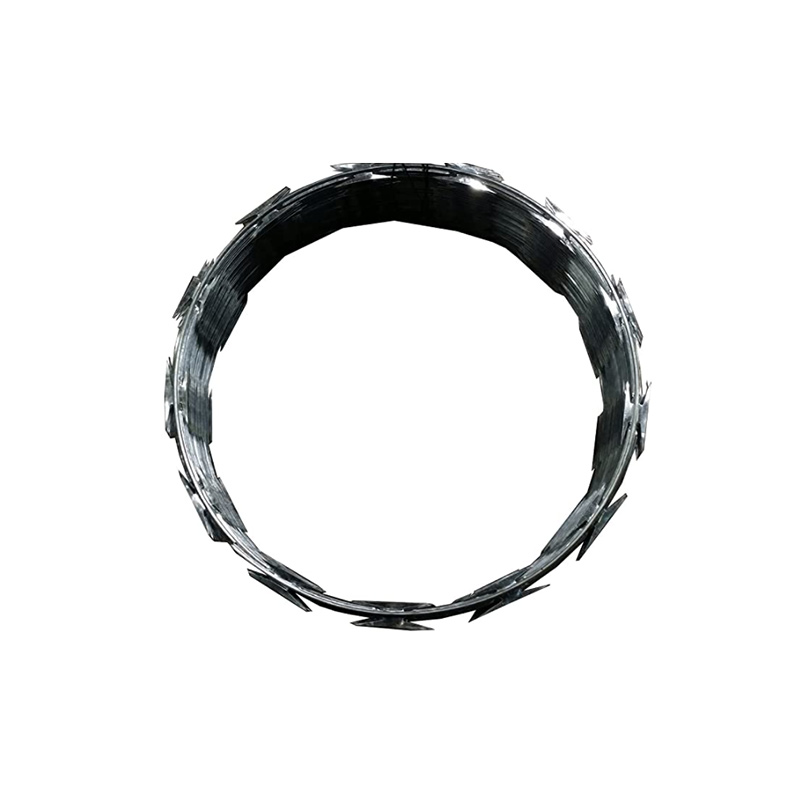
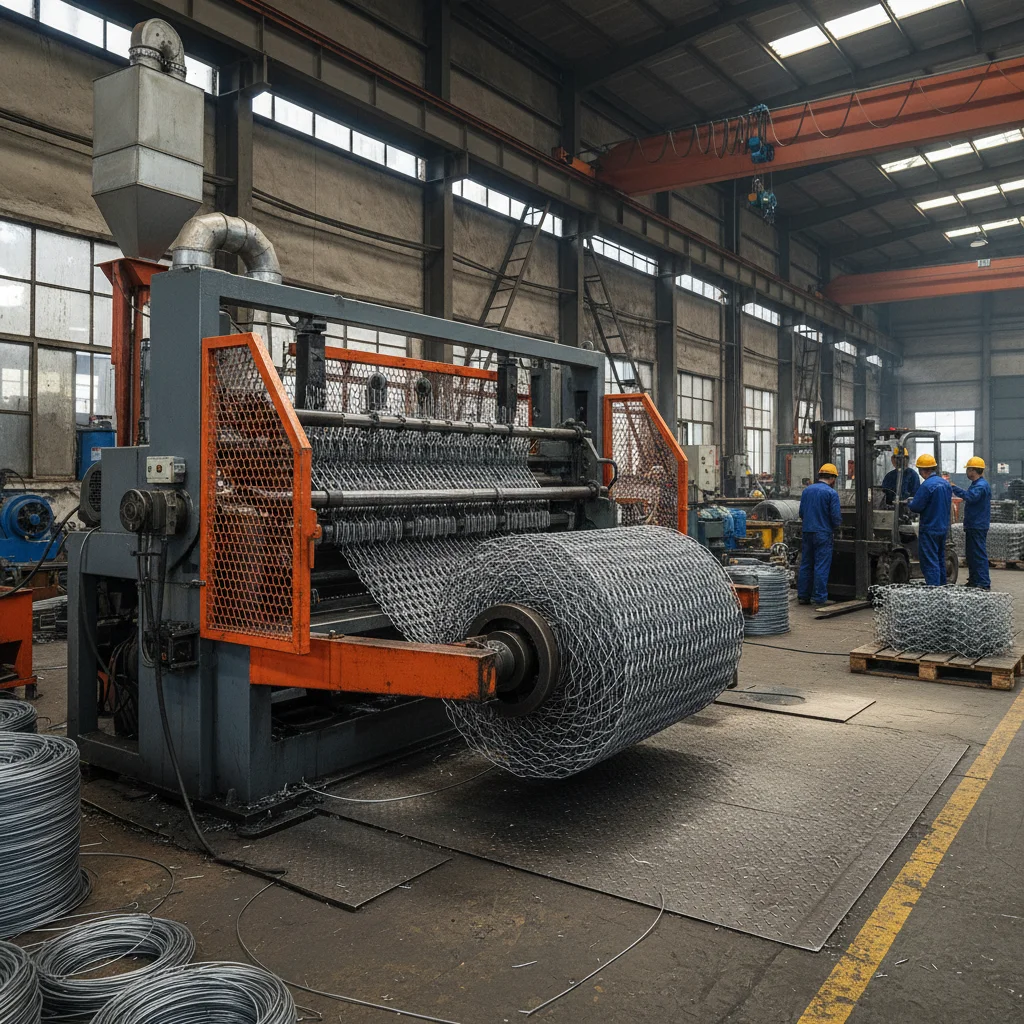
So what exactly is a concertina wire machine? In simple terms, it is a mechanical device designed to manufacture concertina wire — the barbed wire arranged in continuous, razor-sharp spirals. Unlike traditional barbed wire, the concertina wire coils into a compact, deployable length that can be quickly unfurled on site.
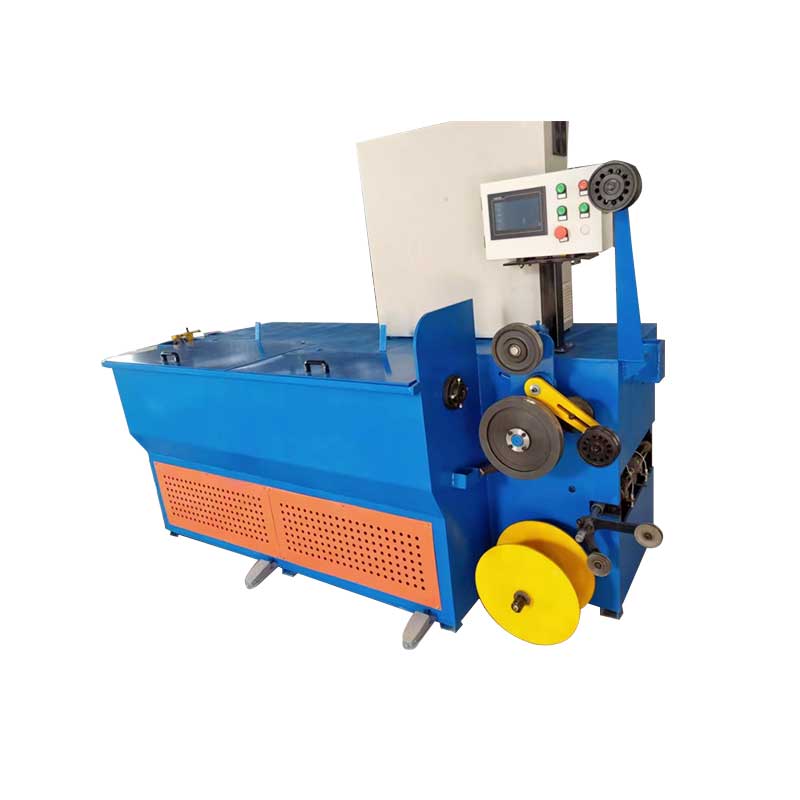
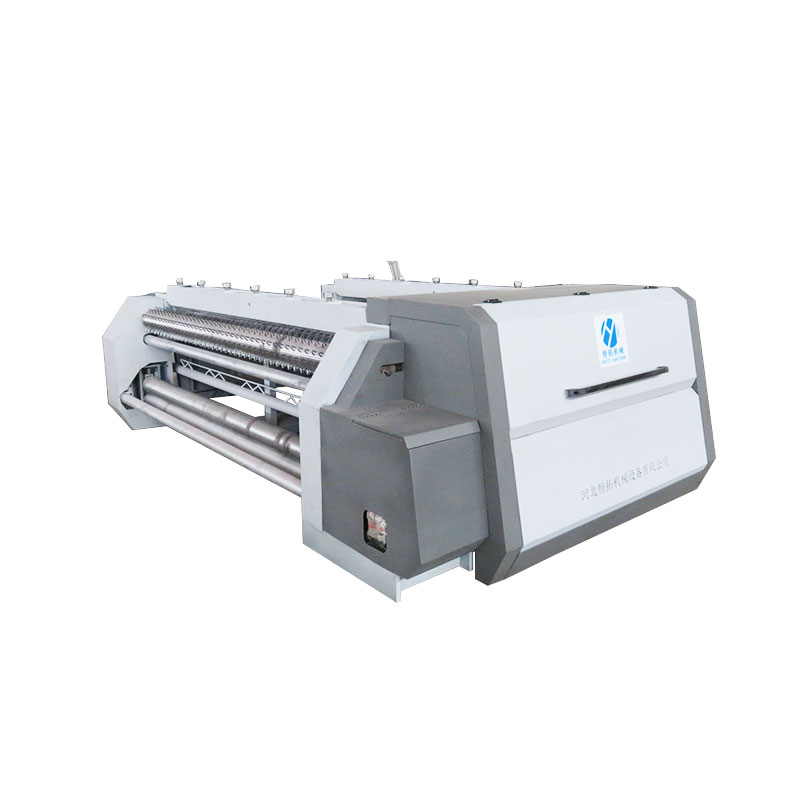
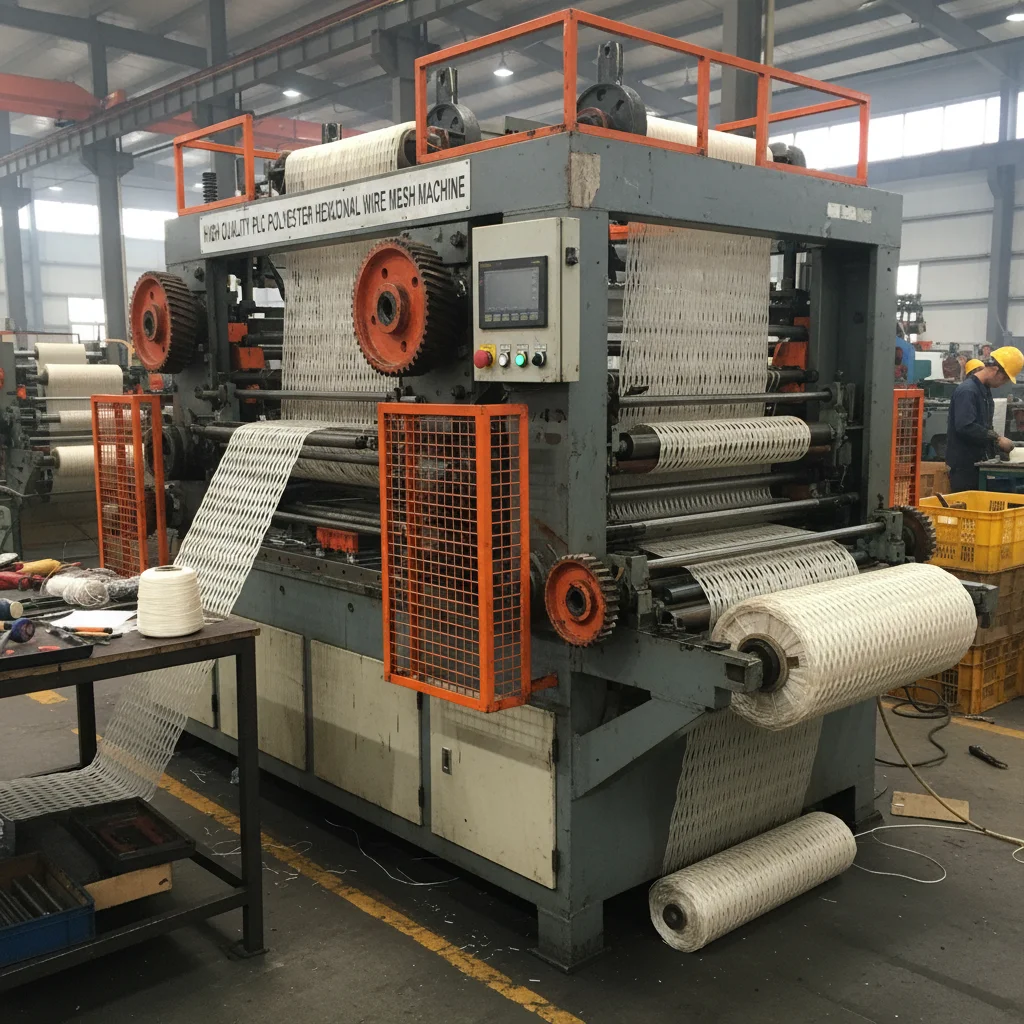
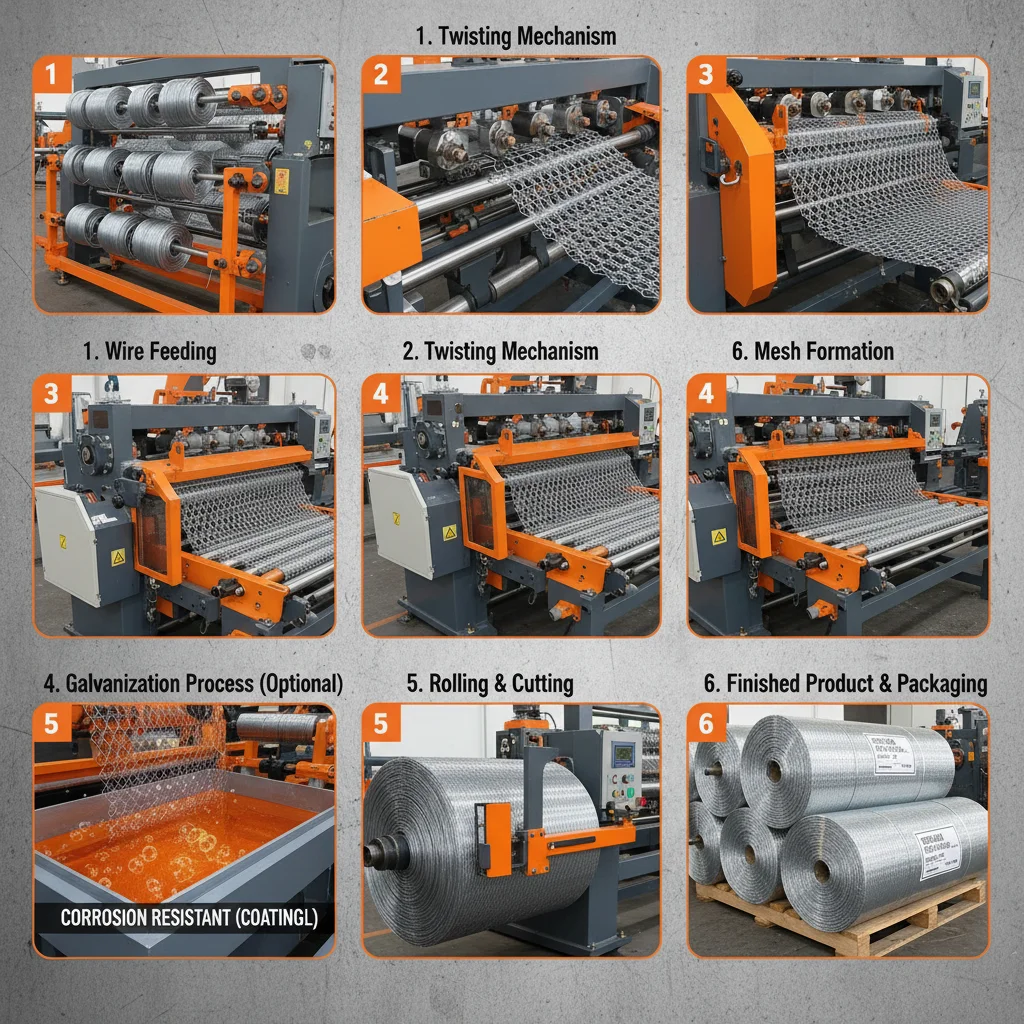
This machine automates the wire feeding, barbing, coiling, and compressing processes, producing wire bundles that can be deployed right out of the box — perfect for high-security fencing or rapid perimeter defense. It’s a vital piece of industrial equipment that intertwines manufacturing and logistics in a way that answers both modern defense needs and humanitarian security demands, such as refugee camp protection or disaster-area fencing.
Put simply: it’s a manufacturing marvel that turns raw wire into life-saving security barriers.
Key Factors & Core Components of Concertina Wire Machines
1. Durability and Build Quality
One thing many engineers point out is how critical the machine’s build quality is. The machine must continuously handle high-tensile steel wire while maintaining tight control over barbs and coil size. Rough handling might produce jagged edges or inconsistent spirals — a nightmare for installers. The best concertina wire machines use heavy-duty steel frames, corrosion-resistant parts, and precision-cut dies for long-term reliability.
2. Scalability and Speed
Speed isn’t everything, but it sure helps. Modern machines boast production speeds upwards of 50 meters per minute, with scalability to produce massive rolls for industrial or military-scale projects. This means that if your operation goes from a modest security fence to a regional flood of demand, your machine can keep up — no need to pause production or swap equipment.
3. Cost Efficiency
From a purchasing perspective, the machine’s cost is often offset by how much labor and time it saves. By automating precise coiling and barb placement, fewer scraps and less wire wastage occur. Maintenance costs tend to be low as long as operators keep up with lubrication and routine checks.
4. Customization and Flexibility
Different zones require different wire diameters or barb specifications, and not every machine can adapt easily. Some advanced units allow adjustable coil diameters, barb spacing, and material thicknesses. This flexibility means one machine can serve multiple markets or security needs.
5. Safety Features
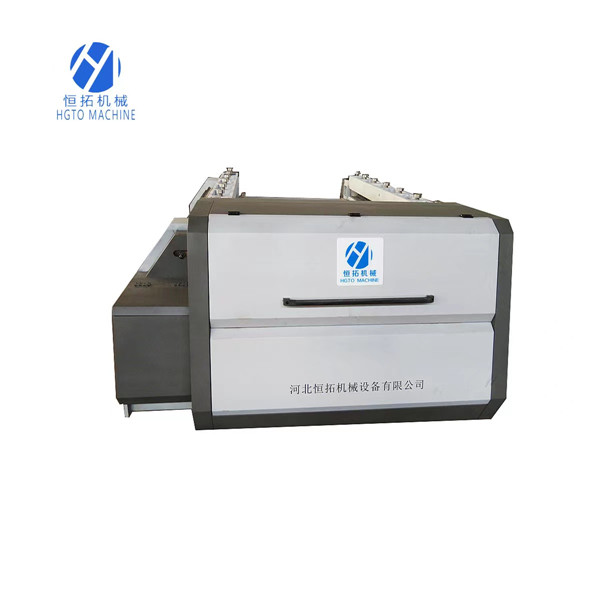
Given the dangerous nature of barbed wire, safety is paramount. Many units include shielding around moving parts, emergency stop buttons, and enclosed wire feeding mechanisms to protect operators during continuous runs.
Ultimately, durability, speed, economical operation, custom settings, and safety are the pillars that make or break a concertina wire machine's value.
Global Applications & Use Cases of Concertina Wire Machines
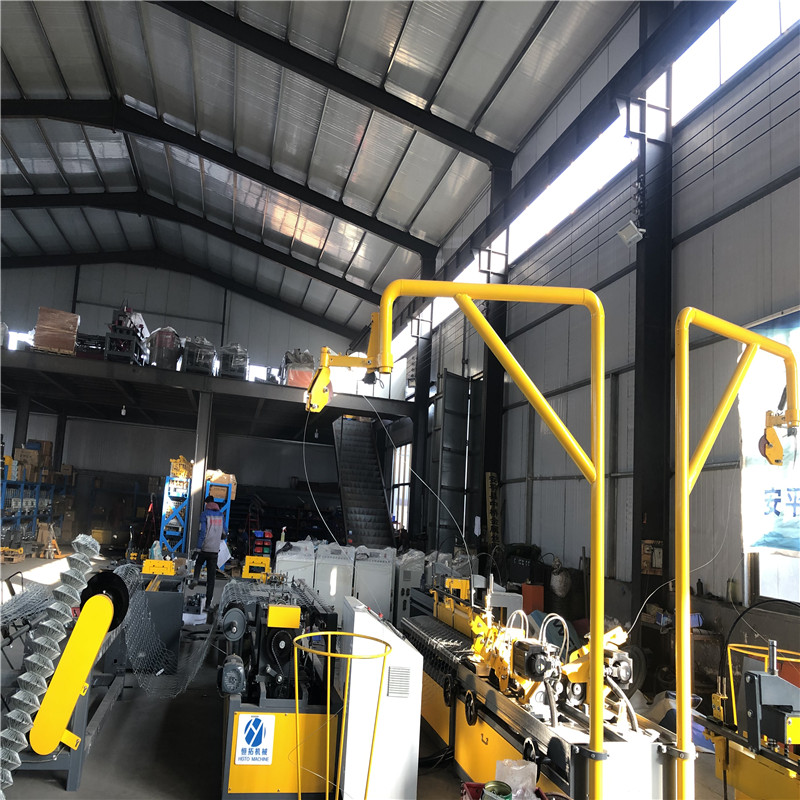
You might not realize it, but these machines are quietly buzzing in factories around the world — from North America to Southeast Asia, Africa, and Europe. In security-focused industries like prisons, military bases, and international borders, concertina wire is standard issue. NATO military installations, for example, rely heavily on barriers made from wires produced by such machines to maintain perimeter defense.
Another interesting application appears in humanitarian zones. In refugee camps and conflict-affected areas, international NGOs use concertina wire fencing to create safe perimeters that discourage violence or unsafe entries. The quick deployment facilitated by machine-made coils keeps these vulnerable populations safe without extensive construction time.
Industrial sites, especially those located in remote or hazardous locations, also utilize concertina wire as part of their perimeter security. Oil rigs, mining zones, and power plants often require fast, reliable fencing solutions that can withstand harsh weather and tampering.
In short: these machines support global security, humanitarian relief, and harsh industrial safety efforts — a versatile cornerstone far beyond mere fencing.
Advantages & Long-Term Value of the Concertina Wire Machine
- Cost Savings: Faster production and reduced waste lower overall fencing costs.
- Sustainability: Durable wires mean less frequent replacement, translating to environmental benefits.
- Safety & Dignity: Reliable barrier construction helps communities feel protected without constant fear.
- Innovation: Automation enhances consistency, reducing human error and enhancing security effectiveness.
Emotionally speaking, operators and administrators alike trust that these machines provide a reliable foundation for protection. There’s something reassuring about knowing that your perimeter, however basic, is supported by technology that’s been refined to meet the challenges of modern security.
The Road Ahead: Future Trends & Innovations
The industry isn’t standing still. For instance, integration of IoT sensors into machines is beginning to allow real-time monitoring of production lines, making troubleshooting faster and more predictive. This sort of “smart manufacturing” approach reduces downtime and boosts productivity.
Materials research is also advancing. New coatings make concertina wire rust-resistant for decades, which is a game-changer in coastal or humid environments. And with growing sustainability pressures, manufacturers are investigating bio-friendly lubricants and energy-efficient motors.
Automation continues to improve as well, with some manufacturers exploring robotic arms to assist in packaging and bundling finished coils, streamlining the entire supply chain.
In essence: smarter machines, greener materials, and better automation are reshaping how concertina wire machines serve tomorrow’s security challenges.
Challenges & Effective Solutions in Concertina Wire Production
No tech is perfect. Some common issues in concertina wire machines include occasional wire jams, wear on critical components, and the need for skilled operators to tune machine settings precisely. Fortunately, many vendors now offer training programs, remote support, and modular designs that ease maintenance.
On a broader scale, supply chain disruptions for steel or barbing materials have posed challenges, prompting manufacturers to diversify suppliers or increase raw material stockpiles. Digitally integrated inventory systems also help by alerting procurement teams well before shortages occur.
Product Specifications Overview
| Specification |
Details |
| Wire Diameter Range |
1.8 mm to 3.0 mm |
| Barb Size |
30 mm x 20 mm (customizable) |
| Production Speed |
Up to 50 meters/minute |
| Power Consumption |
5 kW (variable by model) |
| Dimensions |
L 1800mm × W 900mm × H 1600mm |
| Weight |
Approx. 700 kg |
Vendor Comparison: Choosing the Best Concertina Wire Machine
| Vendor |
Speed (m/min) |
Customization |
Safety Features |
Price Range (USD) |
| HT Mesh Machines |
50 |
High (adjustable coil diameter, barb size) |
Full shielding & emergency stop |
15,000 – 20,000 |
| SecureCo |
40 |
Medium (limited barb sizes) |
Shielded wire feed only |
12,000 – 18,000 |
| BarbTech Solutions |
48 |
Low (fixed specs) |
Basic safety covers |
10,000 – 14,000 |
FAQ: What You Need to Know About Concertina Wire Machines
Q1: How long does it take to produce a standard coil using a concertina wire machine?
A: Typically, depending on the machine speed and specifications, producing a standard 10-meter coil can take anywhere from 12 to 20 seconds. High-end machines also cut and bind rolls automatically, further speeding up the process.
Q2: Can these machines work with different types of wire metals?
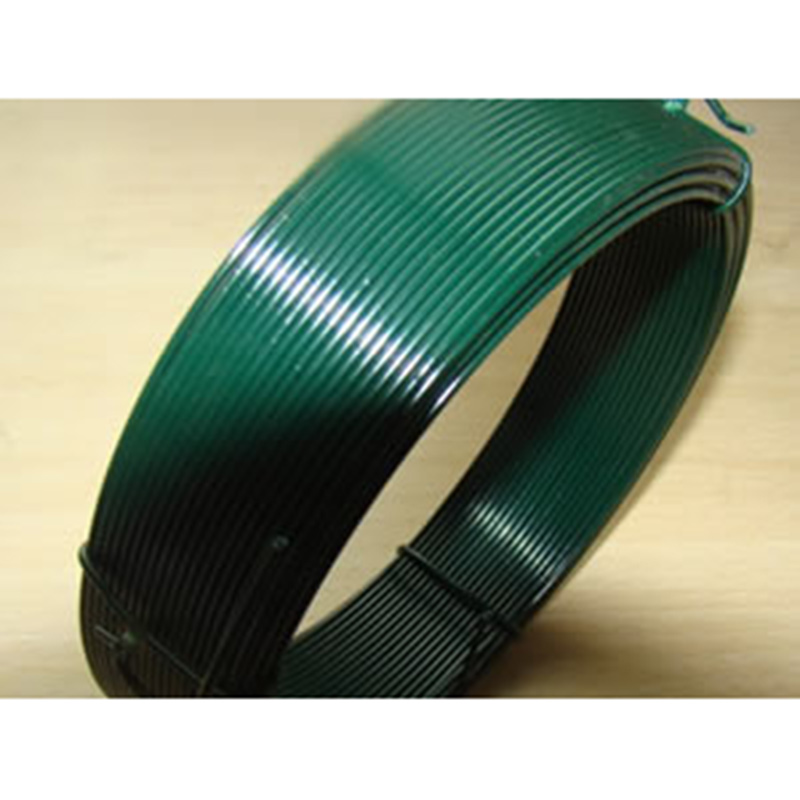
A: Yes. Most concertina wire machines primarily use galvanized steel wire for durability and rust resistance, but some models can accommodate stainless steel or PVC-coated wires depending on the tooling.
Q3: What maintenance is required to keep a concertina wire machine running efficiently?
A: Regular lubrication of moving parts, periodic inspection of cutting dies for wear, and timely replacement of safety shields are essential. Many vendors provide user guides and preventative maintenance schedules optimized for their models.
Q4: Is training necessary to operate a concertina wire machine?
A: Recommended but not always mandatory. Basic mechanical aptitude helps, but vendors often offer on-site or online training to ensure operators understand safety protocols and machine calibration.
Q5: How portable are these machines for onsite usage like disaster relief?
A: Most machines are designed with industrial mobility in mind — equipped with wheels or transport pallets, making them suitable for setup in challenging locations. However, they require stable power sources and flat surfaces for optimal operation.
Conclusion: Long-Term Benefits and Next Steps
To wrap it all up, a concertina wire machine isn’t just a tool; it’s a global ally for safety, efficiency, and adaptability. From military zones to refugee camps, the technology behind these machines ensures that protection barriers are crafted precisely, quickly, and sustainably. If you’re involved in security infrastructure or industrial fencing, investing in or learning more about these machines equips you with an edge that’s both practical and forward-thinking.
Want to explore the latest in concertina wire machines? Visit our website: https://www.htmeshmachines.com
References:
- Wikipedia: Concertina Wire
- United Nations Security Council Reports
- ISO Standards for Wire Mesh Manufacturing