What Is a Concertina Wire Making Machine and Why Should We Care?
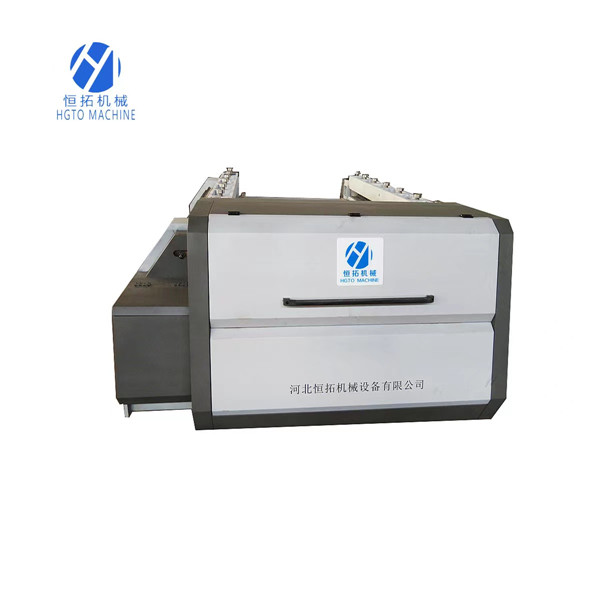
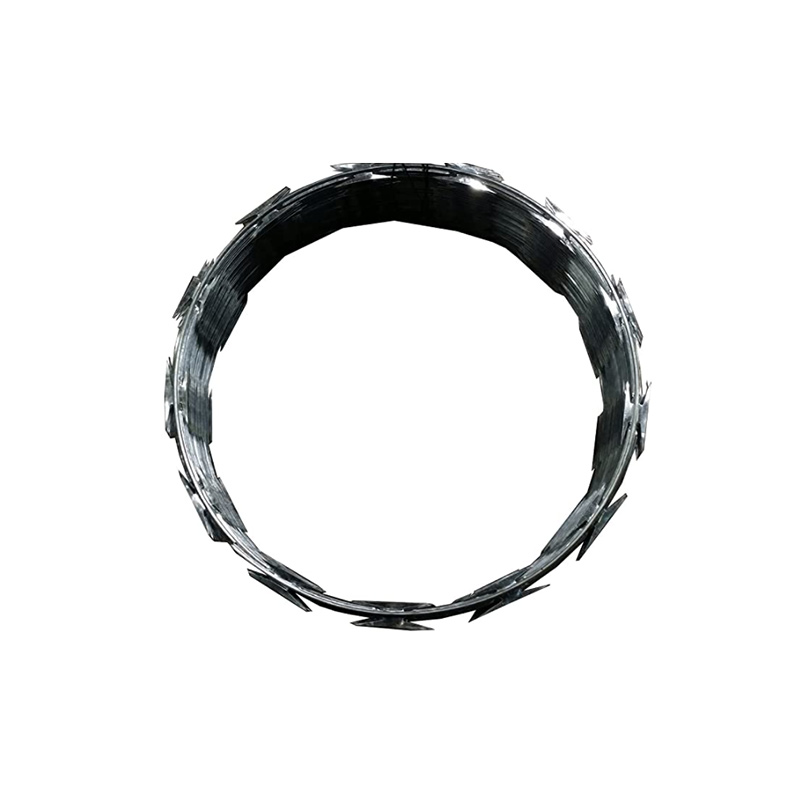
If you’ve ever caught a glimpse of those sharp, spiraled coils used in military or security setups — that’s concertina wire, and the machines that create it are quite a marvel. Simply put, a concertina wire making machine is equipment designed to manufacture razor-sharp, coiled wire barriers used primarily for security fences. It’s not just about fencing; it’s about safety, boundary definition, and sometimes, critical defense infrastructure.
Globally, the importance of such machines has surged alongside the rising demand for secure perimeters in conflict zones, protected industrial sites, and even humanitarian applications. Behind the intimidating presence of concertina wire lies a complex, precision-driven manufacturing process. Understanding it, frankly, helps us appreciate how technology can create physical boundaries so fast, so sharply, and so reliably.
Mini takeaway: Concertina wire making machines play a crucial role in global security by enabling quick production of effective barriers that protect people and assets.
The Global Context: Why Concertina Wire Making Machines Matter More Than Ever
According to reports by the United Nations and World Bank, conflicts and border tensions around the world are unfortunately persistent, while global industries—think oil fields or mining operations—need fortified perimeters more than ever. Interestingly, the global market for security barriers, including razor wire, is expected to grow at a CAGR of roughly 4-5% annually (UN Security Brief, 2022).
This rising need throws light on a seemingly simple but vital piece of equipment: the concertina wire making machine. Without rapid manufacturing capacity, these fences would not be deployed effectively where needed — say, around refugee camps, sensitive infrastructure, or disaster zones.
Yet, the challenge remains—how do you produce durable, consistent razor wire efficiently without compromising on quality and safety? That’s really the core problem these machines address.
Mini takeaway: Growing security challenges globally underscore the need for high-performance, reliable wire production machinery.
What Exactly Is a Concertina Wire Making Machine?
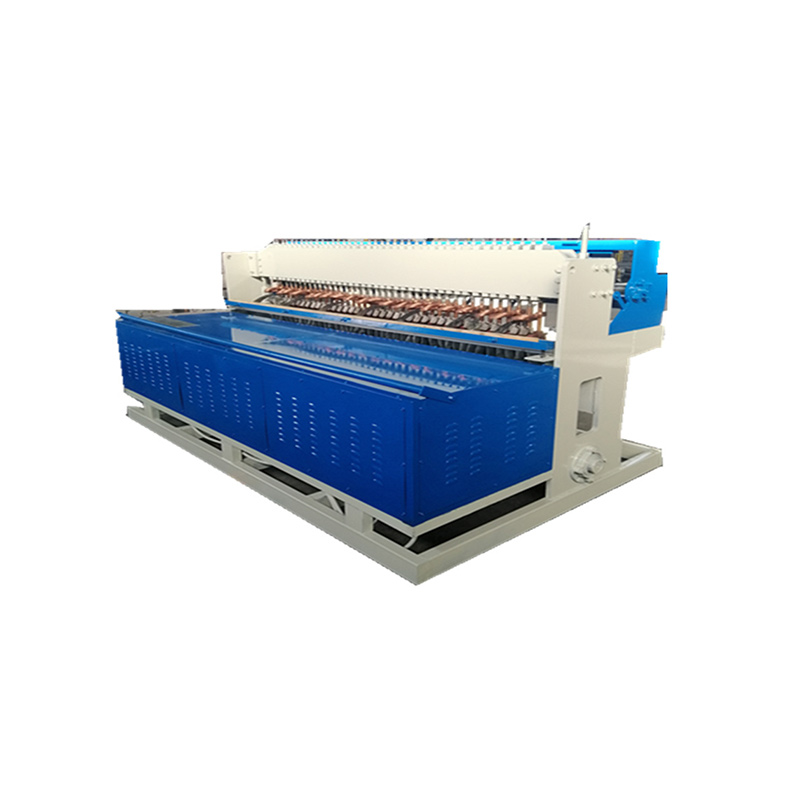
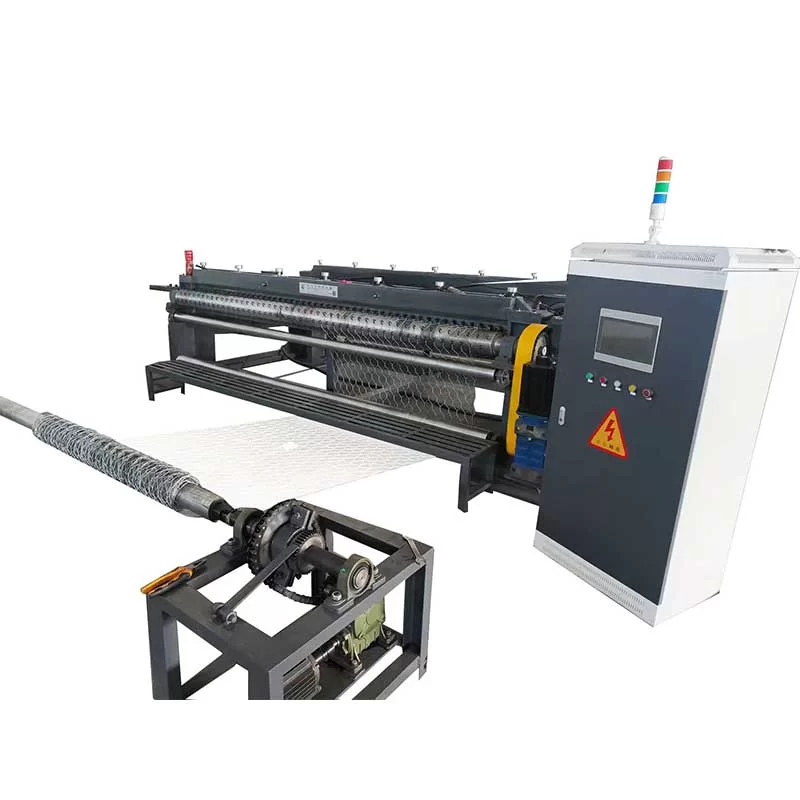
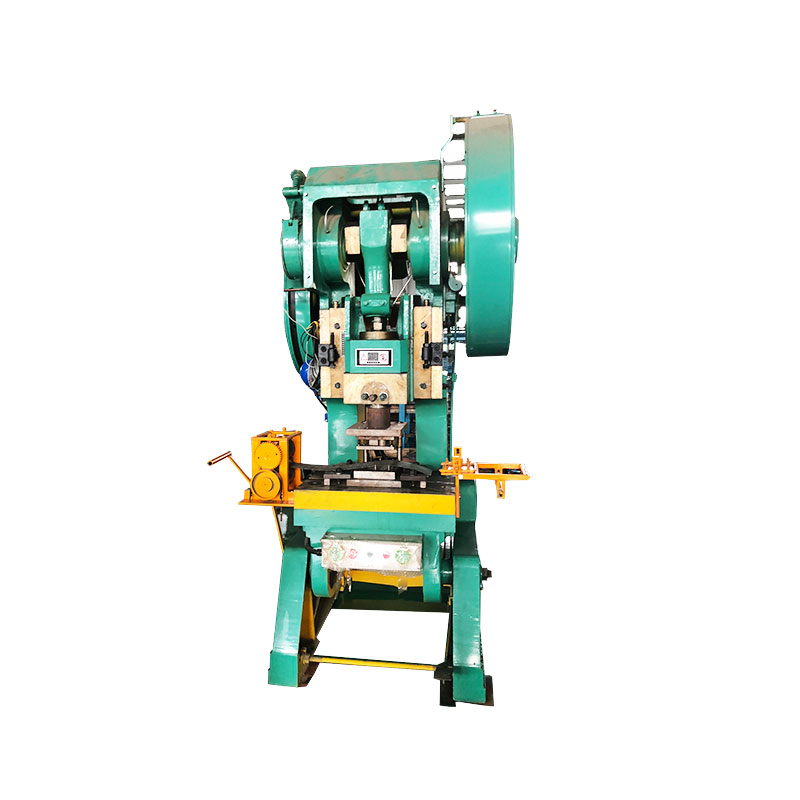
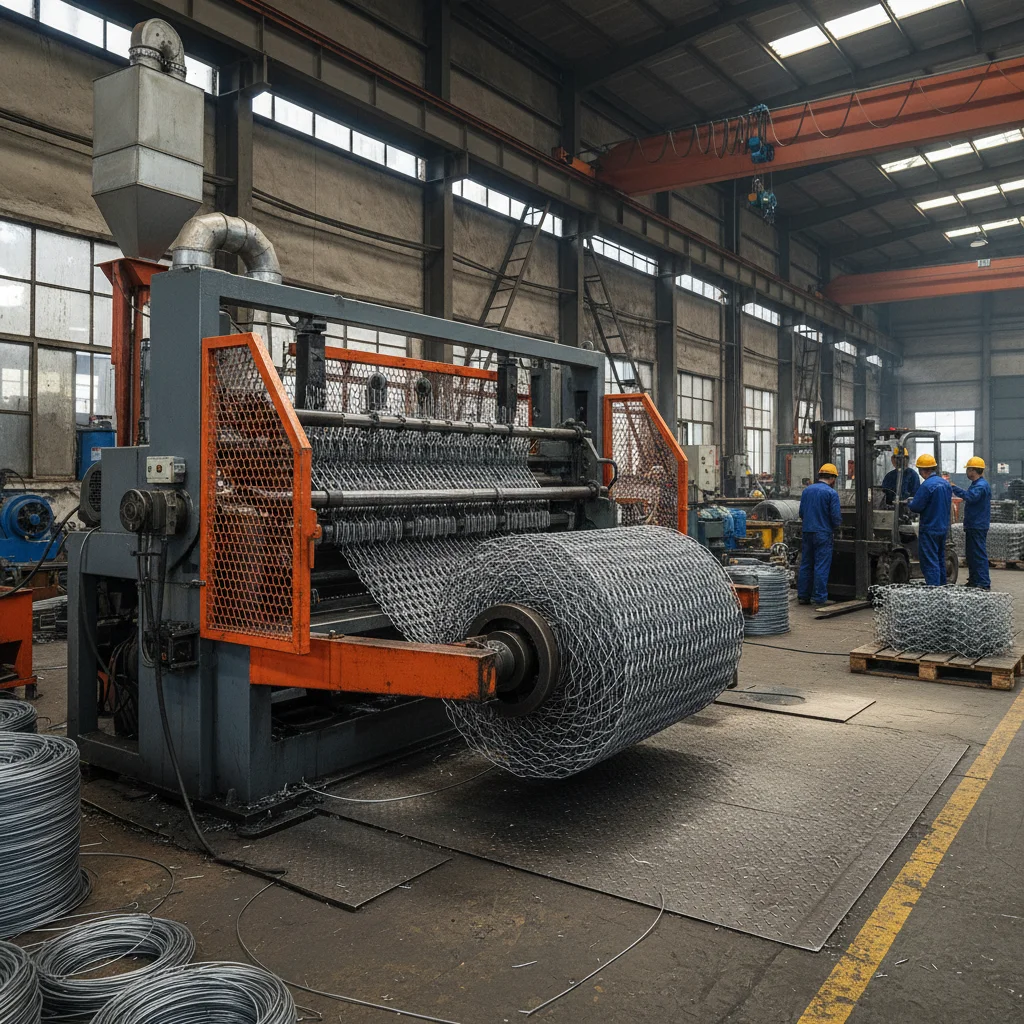
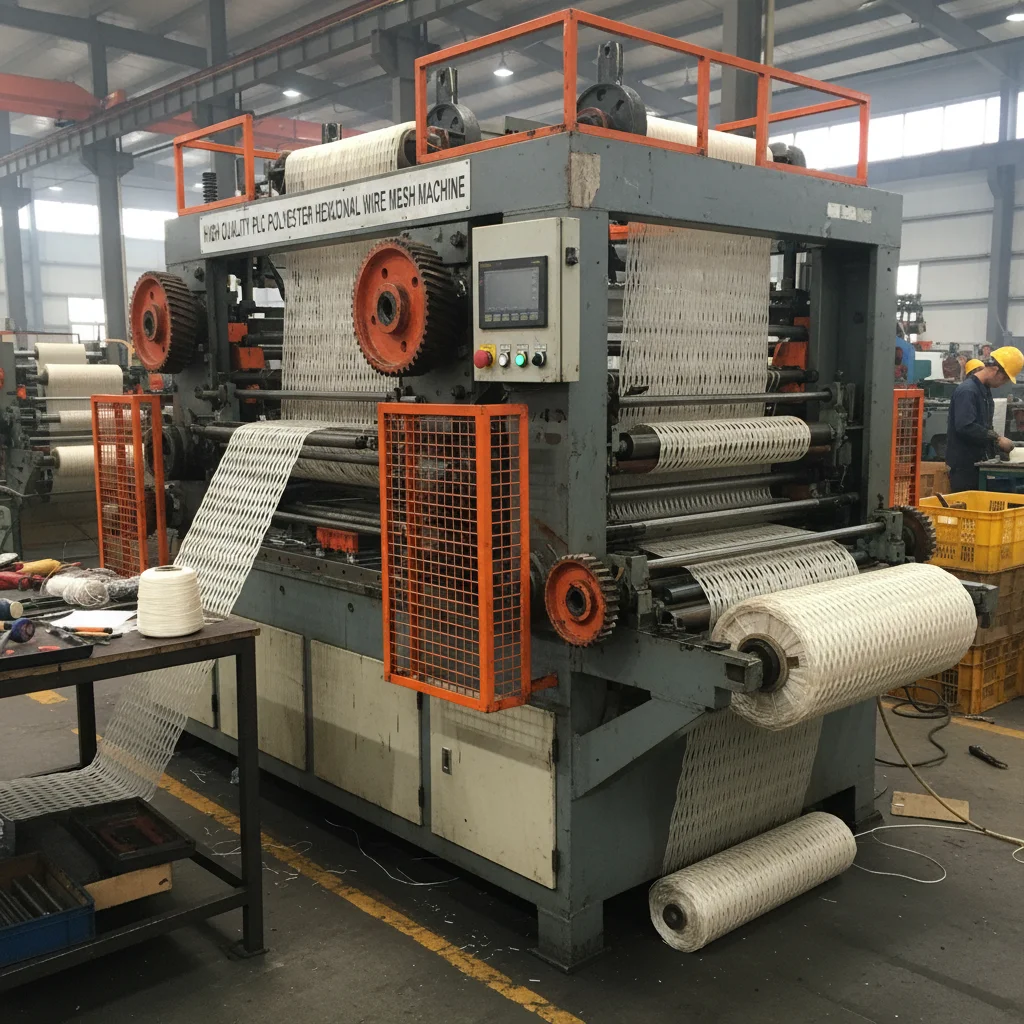
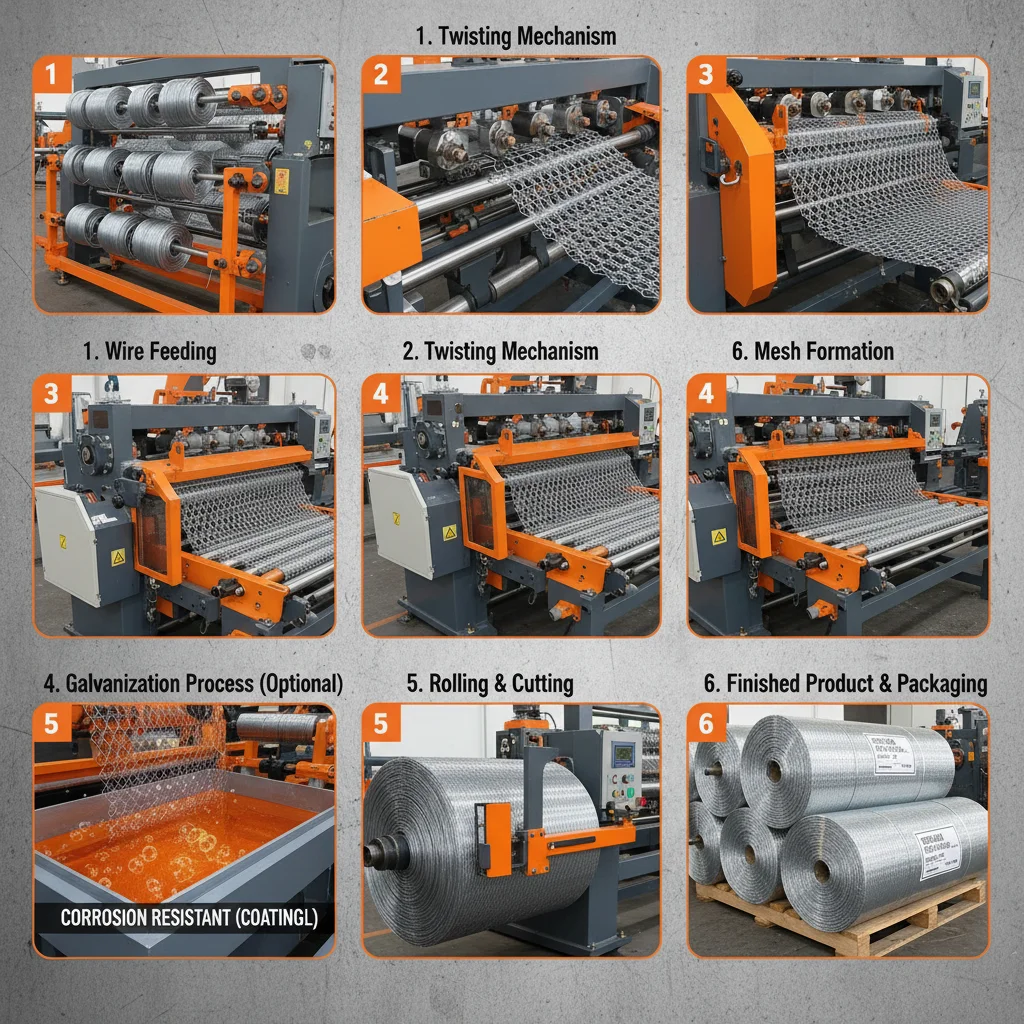
In simple terms, a concertina wire making machine mechanizes the twisting, coiling, and sharpening of metal wire to create that iconic razor coil barrier. It combines a wire straightener, roller dies for shaping, and a coiling mechanism meticulously designed to produce the concertina effect — the spiraled wire that expands like an accordion.
These machines are a kind of blend between industrial automation and metalworking craftsmanship, and they serve a range of industries beyond just the military. Humanitarian groups needing fast perimeter control use concertina wire in refugee camps, while construction sites rely on it to deter trespassers.
Mini takeaway: At its heart, the concertina wire making machine is a precision tool turning raw wire into razor-sharp, spiral barriers for many critical uses.
Core Components That Define a Great Concertina Wire Making Machine
Durability and Material Compatibility
Durability starts at the machine’s build quality. Many engineers say that the frame construction — generally heavy-duty welded steel — must resist constant vibration and metal fatigue. The machine also needs to work with galvanized and stainless steel wire, sometimes in different gauges, without jamming or wear.
Precision Coiling and Razor Cutting
The heart of the machine lies in how it coils the wire into that iconic spiked spiral while layering razor strips between loops. High precision ensures the razor strips don’t dull during the process and the coil tension is just right for easy deployment.
Scalability and Output Speed
Some machines deliver around 30-50 meters of concertina wire in less than 10 minutes, making mass production possible. For border security or emergency deployment, this speed is a game-changer.
Automation and Ease of Operation
Modern concertina wire making machines often feature PLC controls and semi-automated feeding. Operators enjoy intuitive touchscreens and fault detection which shrink downtime.
Cost Efficiency and Maintenance
Machines that balance robust parts with easy maintenance (like quick-replace dies or lubricated bearings) tend to lower long-term operation costs.
Mini takeaway: The ideal concertina wire making machine blends toughness, precision, speed, automation, and cost-effectiveness.
Where in the World Are These Machines Actually Used?
Concertina wire making machines find homes in a surprisingly broad set of contexts.
- Military and Border Security: Nations with sensitive borders or internal conflicts—places like Eastern Europe, parts of the Middle East, and Asia—use these machines to sustain local production of wire.
- Industrial Sites: Oil rigs in the Gulf, remote mining operations in Australia and Latin America, and power plants worldwide deploy razor wire fences as a first line of defense.
- Disaster Relief and Humanitarian Zones: In camps for displaced persons, rapid deployment of perimeter fencing is essential to protect vulnerable populations while authorities stabilize a situation.
Oddly enough, concertina wire sometimes pops up in wildlife conservation areas, too, where fences shield endangered species or secure protected zones from poachers.
Mini takeaway: From war zones to wildlife reserves, concertina wire making machines fuel essential security applications worldwide.
The Tangible Benefits: Why Investing in a Concertina Wire Making Machine Pays Off
- Cost Savings: Producing wire in-house or regionally cuts transportation expense and ensures steady supply.
- Speed and Reliability: Rapid, uniform wire output speeds deployment in crises or daily operations.
- Social Impact: By enabling safer secure zones, lives and property get better protection.
- Innovation: Modern machines incorporate eco-friendly metals and efficient energy use.
Concertina Wire Making Machine - Specifications at a Glance
| Specification |
Details |
| Wire Diameter Range |
1.8mm – 4.5mm |
| Output Speed |
30 – 50 meters / 10 min |
| Power Supply |
220V/380V, 3-phases |
| Control System |
PLC with Touch Screen |
| Machine Weight |
Approx. 950 kg |
| Material Compatibility |
Galvanized & Stainless Steel Wire |
A Quick Look at Some Concertina Wire Making Machine Vendors
| Vendor |
Speed (Meters/10 min) |
Automation Level |
Price Range (USD) |
Warranty |
| HT Mesh Machines |
45 |
Semi-Automatic PLC |
$18,000 – $22,000 |
12 months |
| SecureTech Machinery |
40 |
Manual + PLC Options |
$16,000 – $20,000 |
18 months |
| CoilMaster Industrial |
50 |
Fully Automated |
$25,000 – $30,000 |
24 months |
Looking Ahead: The Future of Concertina Wire Making Machines
As automation and green tech continue to evolve, so do concertina wire manufacturing machines. I hear from industry insiders that next-gen machines incorporate more energy-efficient motors, digital diagnostics, and even IoT integration for remote monitoring. Imagine a machine that emails your service tech before breaking down—sounds almost sci-fi for a wiremaker!
Material science also pushes the envelope. New wire alloys could make razor wire lighter but equally tough, reducing transport costs and ecological impact. In addition, some designs explore biodegradable coatings, which might one day help in sensitive conservation zones.
Common Challenges and How They're Being Tackled
A couple of sticking points in this field: wire jamming from inconsistent gauge, blade dullness reducing razor quality, and machine wear from prolonged daily use. Technicians often share how regular maintenance schedules and investing in better raw material quality drastically cut downtime.
Plus, modular design improvements mean parts can be swapped quickly, minimizing costly production halts. Some companies have also introduced video training modules for operators, reducing user error considerably.
FAQ: Your Questions About Concertina Wire Making Machines Answered
Q: How fast can a concertina wire making machine produce razor wire?
A: Most modern machines can produce between 30 to 50 meters of concertina wire every 10 minutes, depending on automation and wire gauge. This speed enables rapid response during emergencies or large-scale security needs.
Q: Can these machines handle different wire types and sizes?
A: Yes, most quality machines accommodate galvanized and stainless steel wires typically ranging from 1.8mm to 4.5mm in diameter, allowing users flexibility for various projects.
Q: How much maintenance does a concertina wire making machine require?
A: Routine lubrication, blade sharpening or replacement, and periodic checks of feeding mechanisms are essential. Following manufacturer guidelines can keep downtime to a minimum.
Q: Are concertina wire making machines energy-efficient?
A: Many newer models incorporate energy-saving motors and PLC systems that optimize power consumption, making them more eco-friendly than older equipment.
Q: How do I choose the right machine for my operation?
A: Consider your production volume, desired automation level, wire compatibility, and budget. Consulting with vendors like HT Mesh Machines can provide tailored advice.
Wrapping Up: Why Investing in a Concertina Wire Making Machine Is a Long-Term Win
At the end of the day, a concertina wire making machine isn’t just some metal bender—it’s a frontline tool for safety, security, and rapid response worldwide. Whether you’re safeguarding borders, constructing secure zones, or supporting humanitarian efforts, these machines empower you to produce high-quality razor wire when and where it’s needed.
Curious to explore the right solution for your needs? Check out HT Mesh Machines — they blend decades of expertise with advanced features to help you stay secure and efficient.
References:
- Wikipedia: Concertina Wire
- United Nations Security Council Reports
- ISO Official Standards