What Is a Razor Wire Making Machine and Why It Matters Globally
If you’ve ever walked past a security fence topped with those intimidating loops of razor wire, you probably never paused to think how that razor wire gets made. But behind this defensive staple lies clever machinery — the razor wire making machine. Globally, razor wire isn’t just for prisons or military zones; it plays a quiet yet vital role in safeguarding borders, industrial sites, and even humanitarian relief camps. Understanding how these machines work reveals a world of engineering precision and societal impact that you don’t usually hear about — and frankly, it's more fascinating than you might expect.
Global Context: Why Razor Wire Making Machines Are Crucial Today
In an era where security and border control have moved to the frontlines of geopolitical and economic discussions, the demand for high-quality razor wire has surged. According to UN reports, with over 70% of countries strengthening physical border infrastructures in the last decade, the need for reliable production equipment like razor wire making machines has ballooned.[1] Meanwhile, industries like energy, construction, and correctional facilities depend heavily on razor wire to protect assets and personnel. However, the challenge is ensuring razor wire production keeps pace with demand without compromising on durability or safety — this is where modern manufacturing tech steps in.
Defining the Razor Wire Making Machine
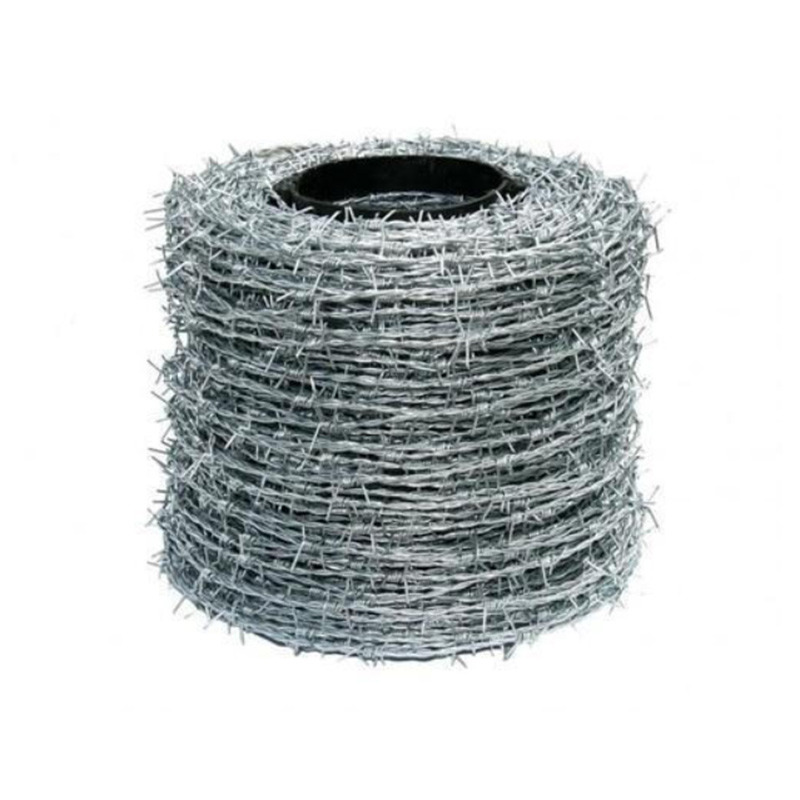
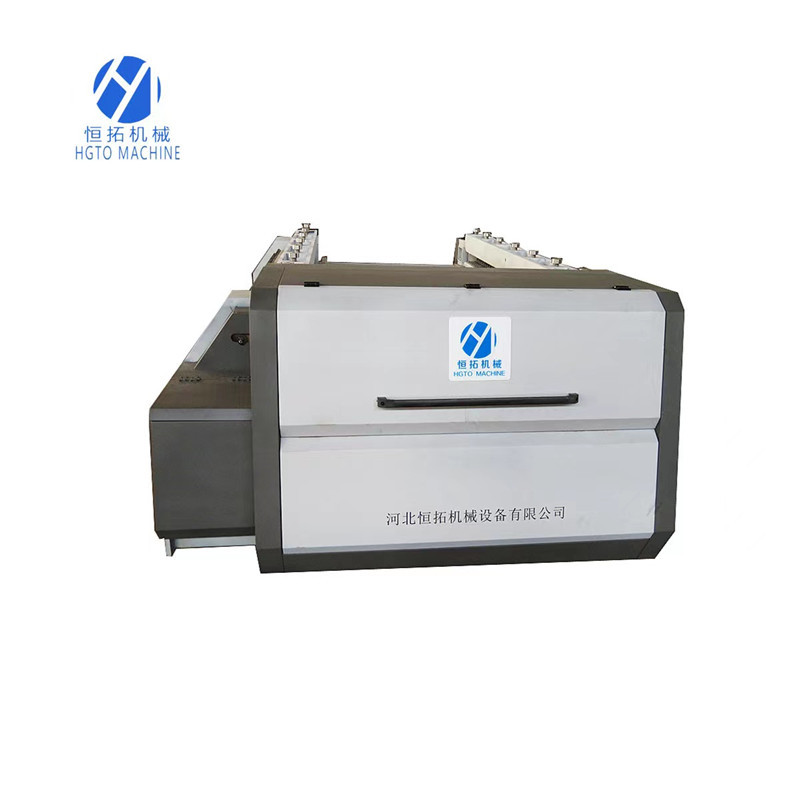
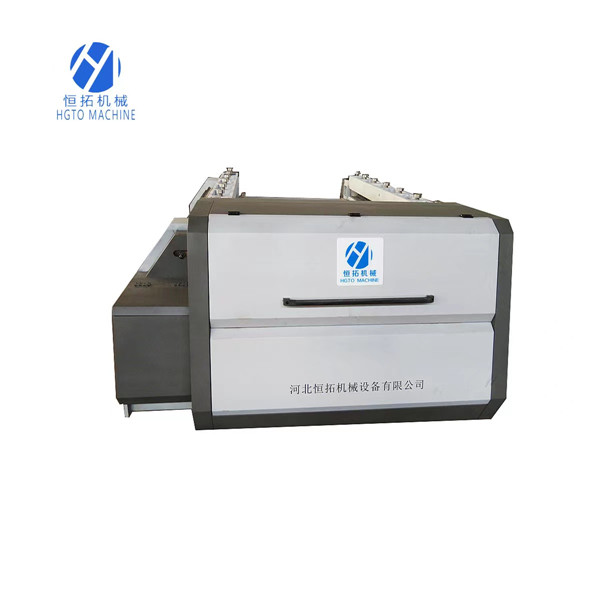
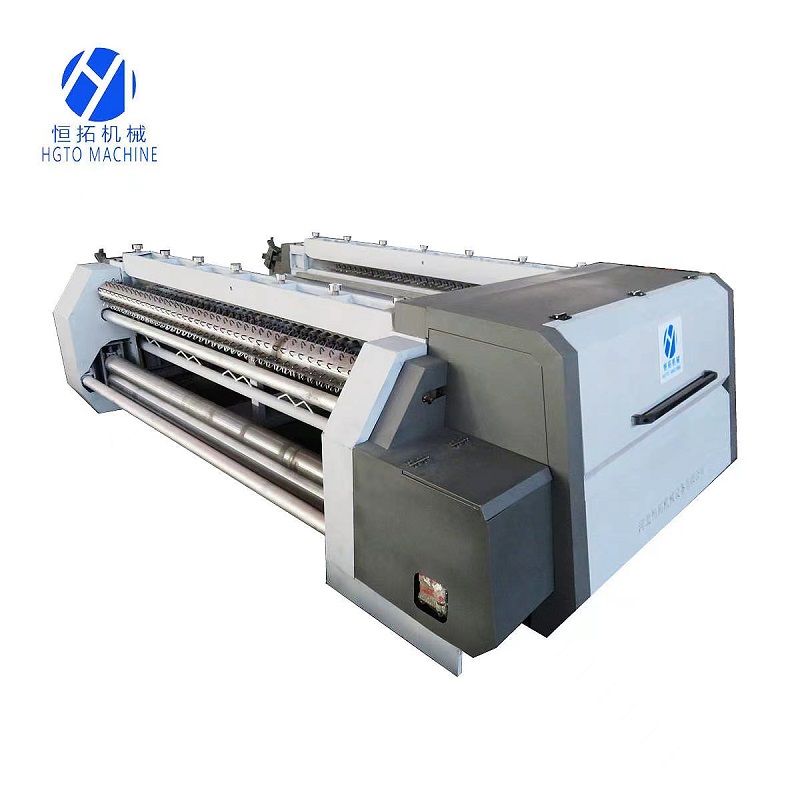
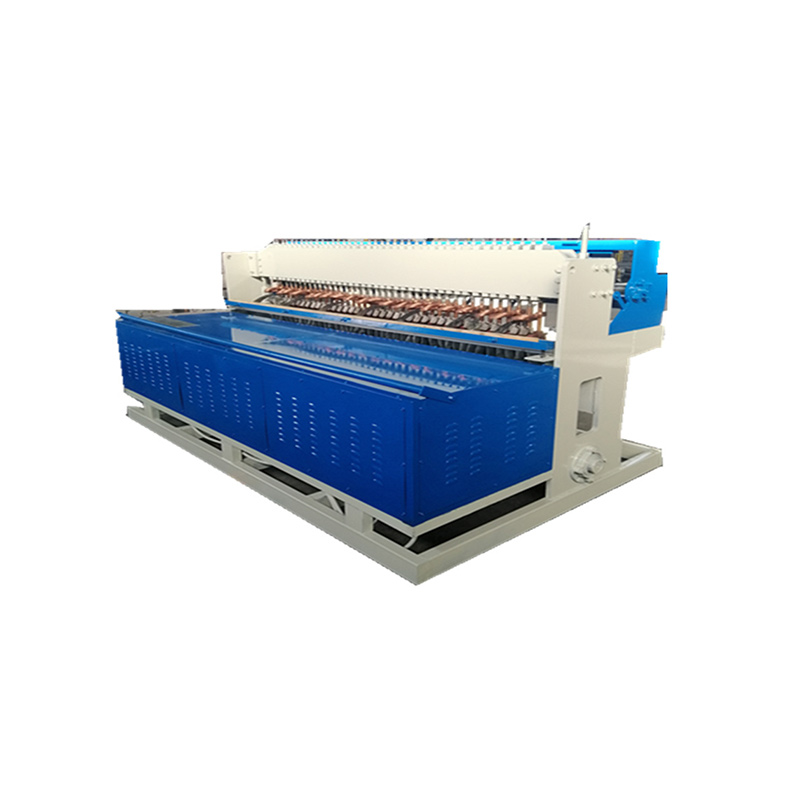
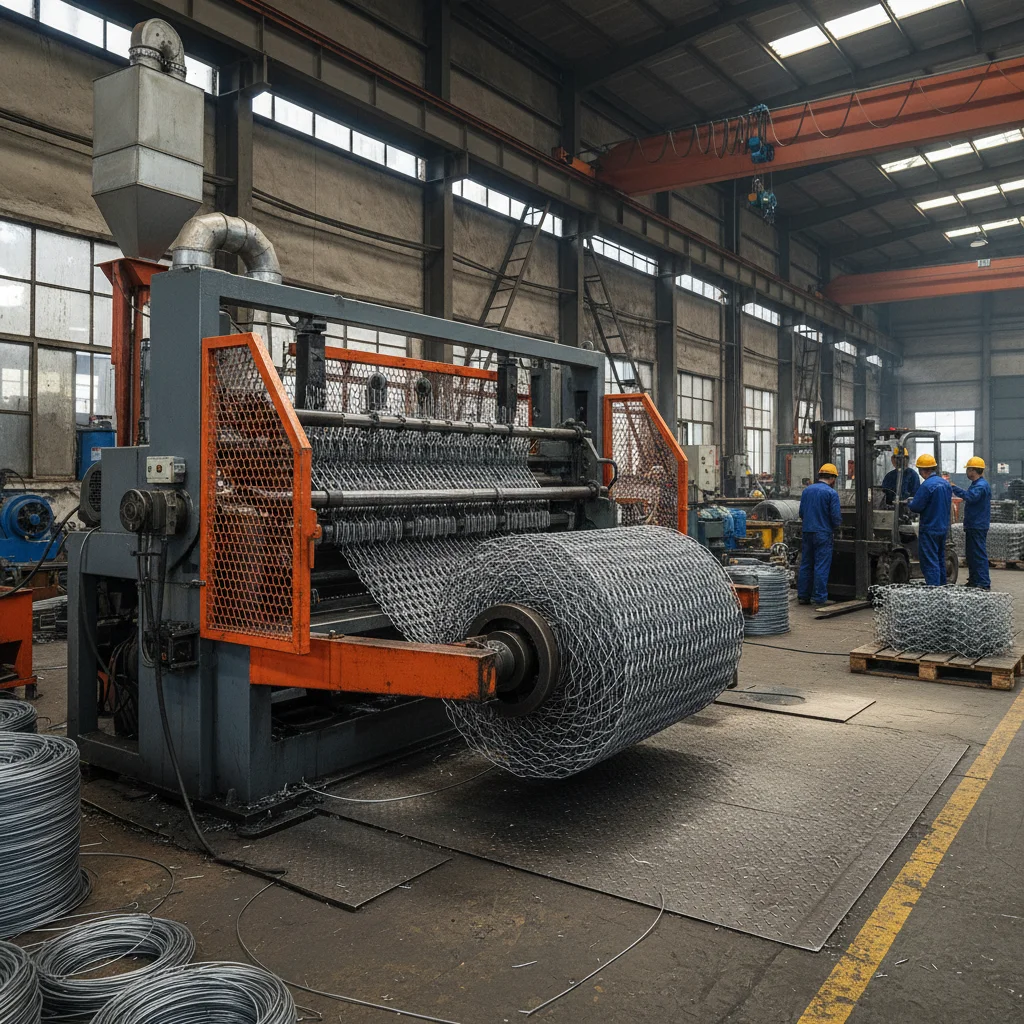
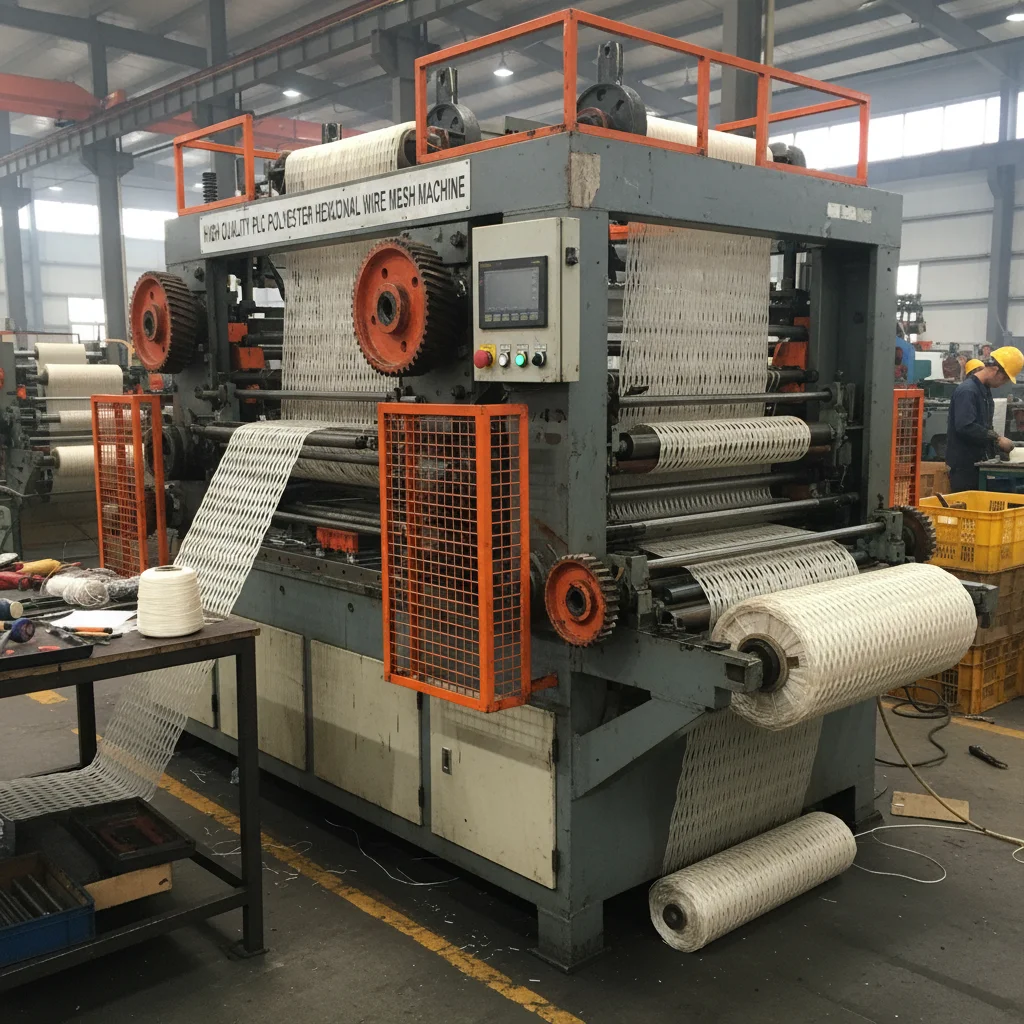
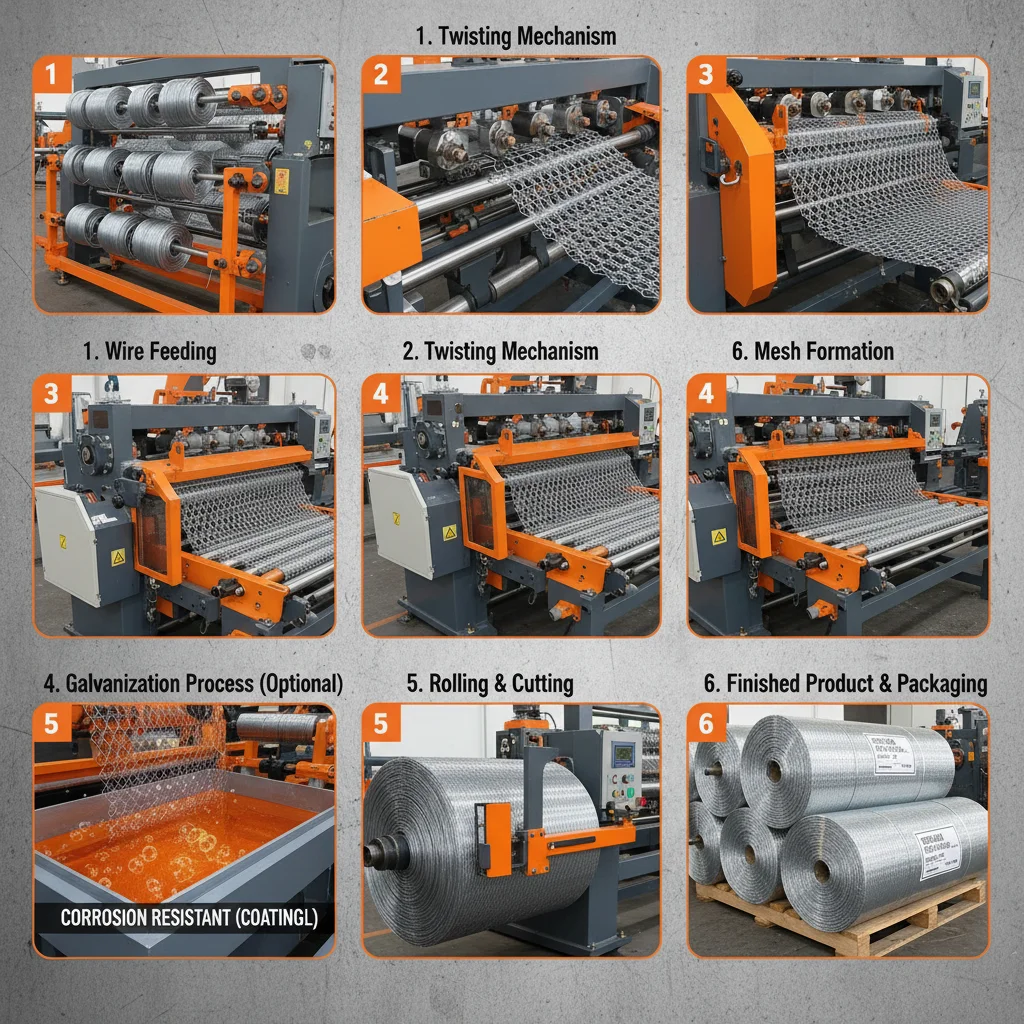
In simple terms, a razor wire making machine is a specialized piece of industrial equipment designed to manufacture razor wire by wrapping sharp metal blades onto durable wire cores. It automates the process that once was tedious and risky when done manually. These machines transform galvanized steel wire coils into spiraled loops of cutting wire—robust enough to deter unauthorized access but careful enough to withstand harsh weather. More than just a factory staple, this technology intersects with issues like refugee camp safety and infrastructure development, symbolizing modern industry’s role in both security and humanitarian fields.
Core Components and Key Factors of Razor Wire Machines
1. Durability and Material Handling
The machine must handle galvanized or stainless steel wires, which resist rust and bending. Many engineers say the ability to maintain consistent tension during processing ensures razor-sharp edges and sturdy coils.
2. Scalability and Output Speed
Modern machines produce dozens of meters per minute, sometimes even automated in lines to meet large border or industrial orders. This scalability saves time and labor costs drastically.
3. Precision Cutting Mechanism
Razor wire’s cutting ability comes from regular, razor-thin blades spaced just right. The machinery’s blade feeding and tension systems are finely tuned to produce this repeatable sharpness.
4. Safety Features
Given how dangerous razor wire fabrication is, machines often include guards, emergency stops, and automation to protect operators—an increasingly vital aspect as global standards rise.
5. Energy Efficiency and Automation
As factories look toward greener solutions, energy-saving motors and PLC controls are becoming the norm in new razor wire machine designs.
Mini takeaway:
Understanding the nuts and bolts of the razor wire making machine helps us appreciate the blend of efficiency, safety, and precision necessary to meet today’s security needs.
Global Applications & Real-World Use Cases
Razor wire is everywhere, but its applications span surprisingly diverse circumstances:
- Border security in Southeast Asia and Africa: Countries reinforcing volatile borders use razor wire extensively to prevent illegal crossings.
- Industrial protection: Factories, power stations, and warehouses in Europe deploy razor wire fences as standard perimeter security.
- Humanitarian aid camps: Temporary refugee settlements use razor wire fences to define safe zones, balancing openness with necessary protection.
- Military and correctional facilities worldwide: Razor wire remains a first line of defense, manufactured according to strict compliance standards.
For instance, after the 2010 Haiti earthquake, relief organizations worked with contractors to quickly secure makeshift medical and logistics centers with razor wire fences, relying on the rapid production abilities of modern machines.[2]
Razor Wire Making Machine: Product Specification Table
| Specification |
Details |
| Wire Diameter |
1.8mm – 4.5mm |
| Blade Width |
12mm – 22mm |
| Output Speed |
20-40 meters per min |
| Power Supply |
380V/3Phase, 50Hz |
| Dimensions (L×W×H) |
3500mm × 1200mm × 1600mm |
Advantages and Long-Term Value of Using Razor Wire Making Machines
The obvious one: cost reduction through automation. But also, a kind of peace of mind. Knowing fences are made by machines ensuring uniform quality and durability means not having to worry about failure. Industrial operators tell me it’s a trust issue — you trust the machine’s repeatability; you trust the supplier more. Plus, razor wire is recyclable steel, so sustainability is in the mix, especially when machines optimize minimal waste. Socially, razor wire’s role in protecting vulnerable populations — a difficult balance between safety and dignity — is enhanced when production is reliable and humane.
Emerging Trends and Innovations in Razor Wire Production
It’s not just spinning steel anymore. Automation, IoT sensors, and AI-assisted calibration are sneaking into factories to monitor blade sharpness, machine wear, and energy consumption in real time. Some newer models incorporate solar power compatibility or energy recovery systems, pushing the envelope on greener manufacturing. Material innovations, like weather-resistant coatings and smart alloys, promise razor wire that lasts decades longer — a shift that could save millions in maintenance and replacement costs, especially in harsh climates.
Challenges & Smart Solutions
Despite all the advances, challenges remain. Blade breakage during production can lead to downtime and safety risks. Coating uniformity on wires is another tricky bit, affecting corrosion resistance. Many manufacturers rely on modular machine designs that let operators swap parts quickly or upgrade systems without a full teardown. Training operators to use these high-tech models remains critical — the smartest machines won't do much good if folks don’t handle them correctly.
Vendor Comparison Table: Key Features Snapshot
| Feature |
Vendor A |
Vendor B |
Vendor C |
| Max Output Speed |
40 m/min |
38 m/min |
35 m/min |
| Automation Level |
Full (PLC Controlled) |
Semi-automated |
Manual Intervention Required |
| Power Consumption |
15 kW |
18 kW |
20 kW |
| Price Range (USD) |
60,000–70,000 |
50,000–65,000 |
45,000–55,000 |
FAQ: Common Questions About Razor Wire Making Machines
Q1: How difficult is it to operate a razor wire making machine?
A1: Modern razor wire making machines come with user-friendly controls and automated safety features designed to minimize manual handling of the sharp blades. While some technical training is essential, many operators find the learning curve manageable within a few days under proper guidance.
Q2: What maintenance is typically required?
A2: Routine maintenance includes blade inspection and replacement, lubrication of moving parts, wire tension adjustments, and electrical system checks. Most machines have modular parts making maintenance quicker to reduce downtime.
Q3: Can these machines produce different types of razor wire?
A3: Yes, many machines allow adjustable blade spacing and wire diameters, enabling manufacturers to produce flat, concertina, or spiraled types according to client needs.
Q4: Is energy consumption high during operation?
A4: Energy use varies by model, but more advanced PLC-controlled machines tend to be energy-efficient, averaging around 15 kW, which is reasonable given the output speeds and automated functions.
Q5: How can I find trustworthy vendors for these machines?
A5: Trusted vendors often have ISO certifications and provide after-sales training and service. Comparing key specs, warranty terms, and customer reviews helps in selecting a reliable supplier suitable for your production scale.
Conclusion: Why Investing in a Razor Wire Making Machine Makes Sense
Razor wire creating machines are more than mere industrial tools; they’re enablers of security, stability, and sometimes even humanitarian safety. Their evolution toward automation, precision, and sustainability reflects broader trends in industrial equipment but with very tangible real-world effects. If you’re considering upgrading or venturing into razor wire production, the long-term benefits — lower costs, higher quality, and broad applications — truly speak for themselves.
For tailored solutions and expert advice, visit our website: razor wire making machine.
References:
- Barbed Wire - Wikipedia
- Haiti Earthquake 2010 - Wikipedia
- ISO 9001 Quality Management