Why a Hexagonal Wire Mesh Making Machine Matters in Today’s World
At first glance, a hexagonal wire mesh making machine might sound like a piece of industrial jargon, the kind you encounter briefly in construction specs or agricultural supplies. Yet, it’s anything but trivial. This machine quietly powers countless industries worldwide, from wildlife fencing in Africa to erosion control in Europe, and even humanitarian relief projects in Asia. Its ability to craft the iconic hexagonal pattern mesh is more than aesthetic — it’s structural, durable, and essential.
Globally, the demand for efficient, cost-effective mesh solutions is increasing, largely driven by urban expansion, environmental protection efforts, and agricultural productivity. Understanding how these machines function — and why they are vital — opens insights into the backbone of many infrastructure projects that keep communities safe and productive. So, whether you’re in manufacturing, supply chain, or even development work, it’s worth getting familiar with this technology.
Mini takeaway: Hexagonal wire mesh making machines are critical for multiple industries, playing a humble but foundational role in global infrastructure and safety.
Hexagonal Wire Mesh Making Machines in the Global Industry Context
It’s fascinating to note how something as specific as hexagonal wire mesh production links to broader global trends. According to the International Organization for Standardization (ISO), standardized, durable materials are central to sustainable development goals, especially those focusing on infrastructure resilience and environmental protection.
From a data perspective, global demand for mesh products is growing by roughly 4-6% annually, with markets in China, India, and the EU leading, based on reports from the World Bank and industry research. That growth is tied to urban development and agricultural stability, where fencing and containment solutions created by these machines reduce livestock loss and protect crops efficiently.
Yet, challenges persist. With increasing raw material costs and the shift toward greener manufacturing, companies must innovate faster. The hexagonal wire mesh making machine helps address these by enabling production lines that maximize material use and speed, minimizing waste — a direct nod to sustainability.
Mini takeaway: These machines not only respond to industrial demand but also push for greener, more efficient manufacturing aligned with international standards and growth trends.
What Exactly Is a Hexagonal Wire Mesh Making Machine?
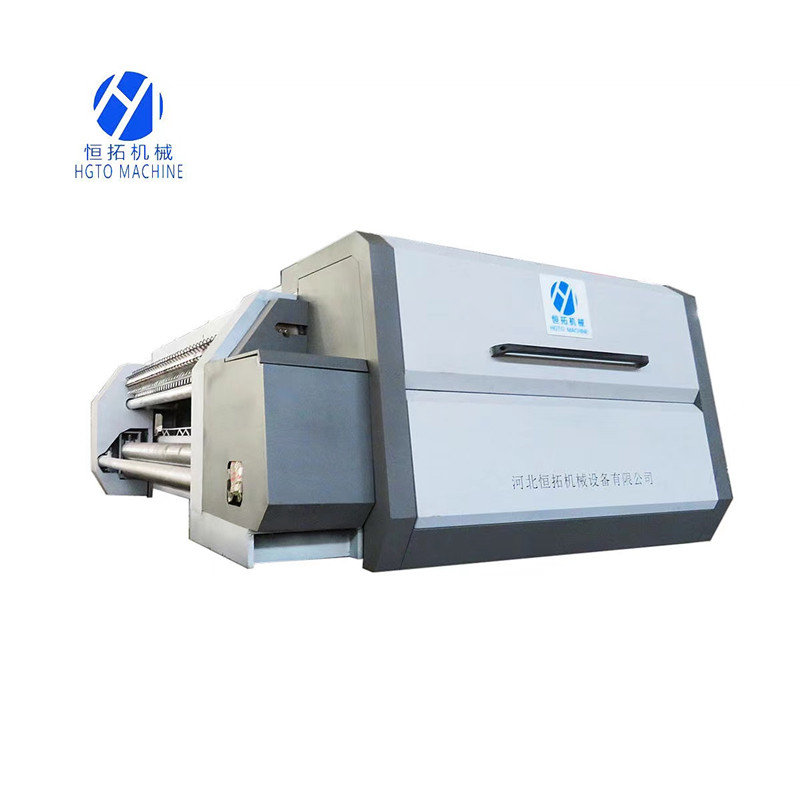
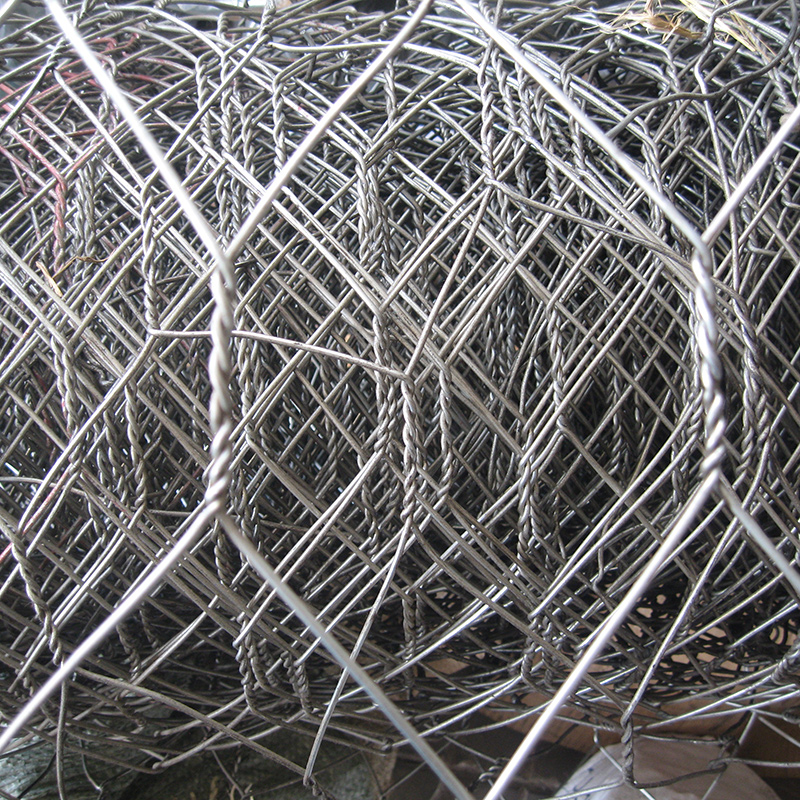
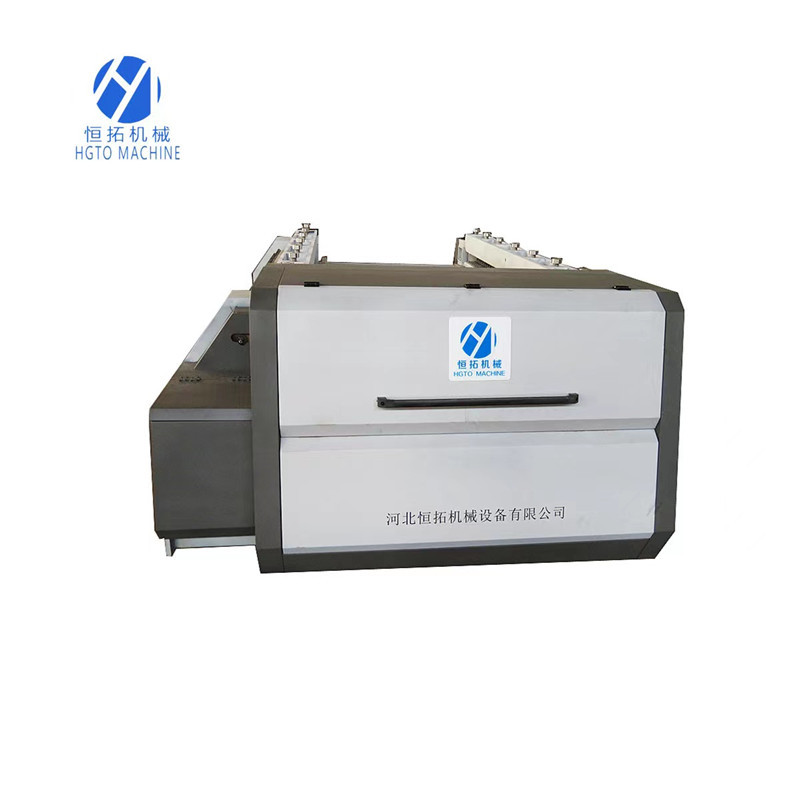
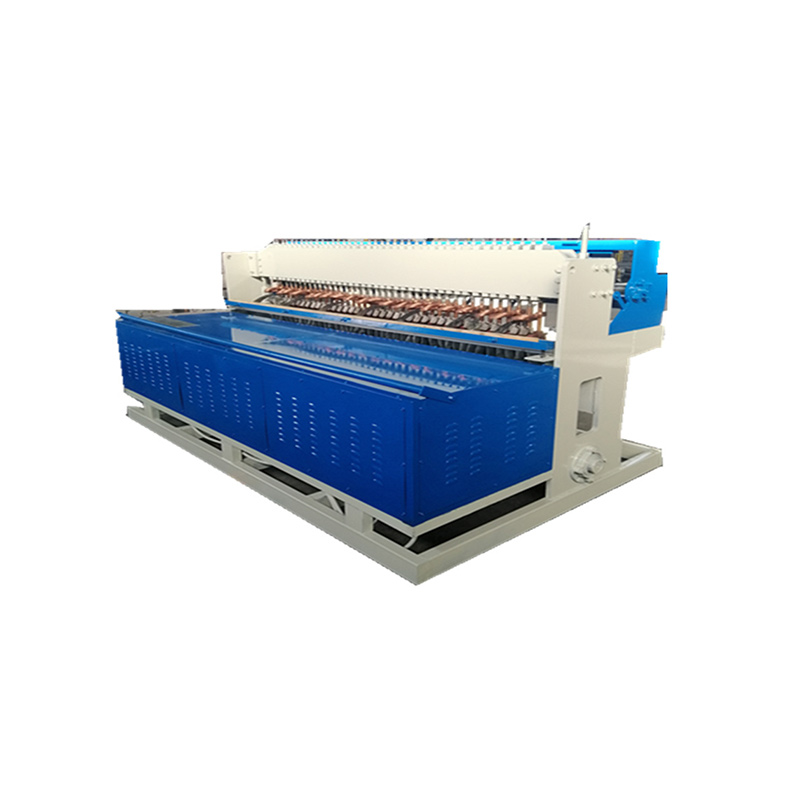
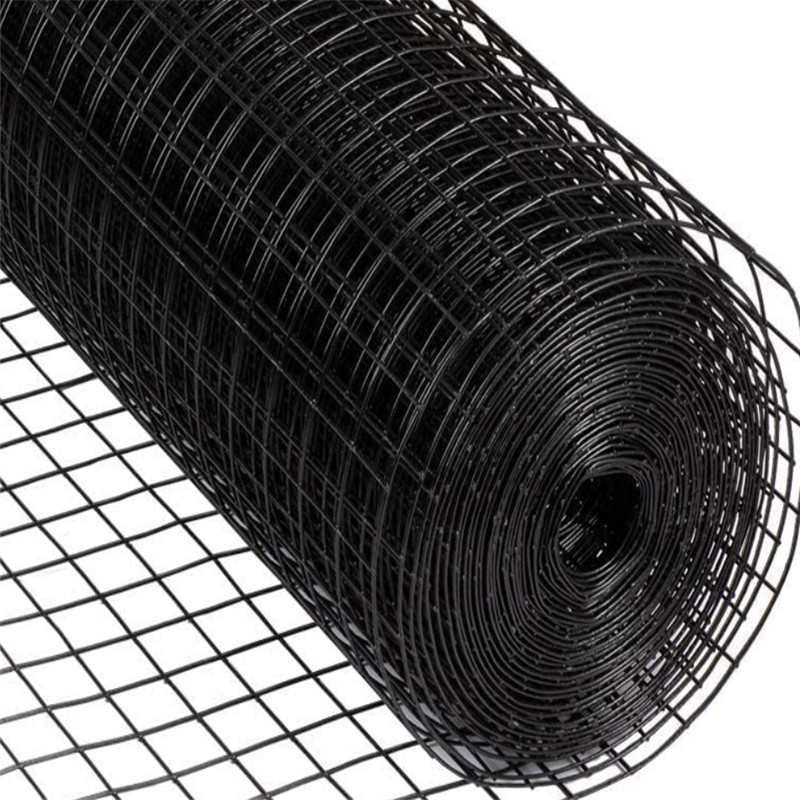
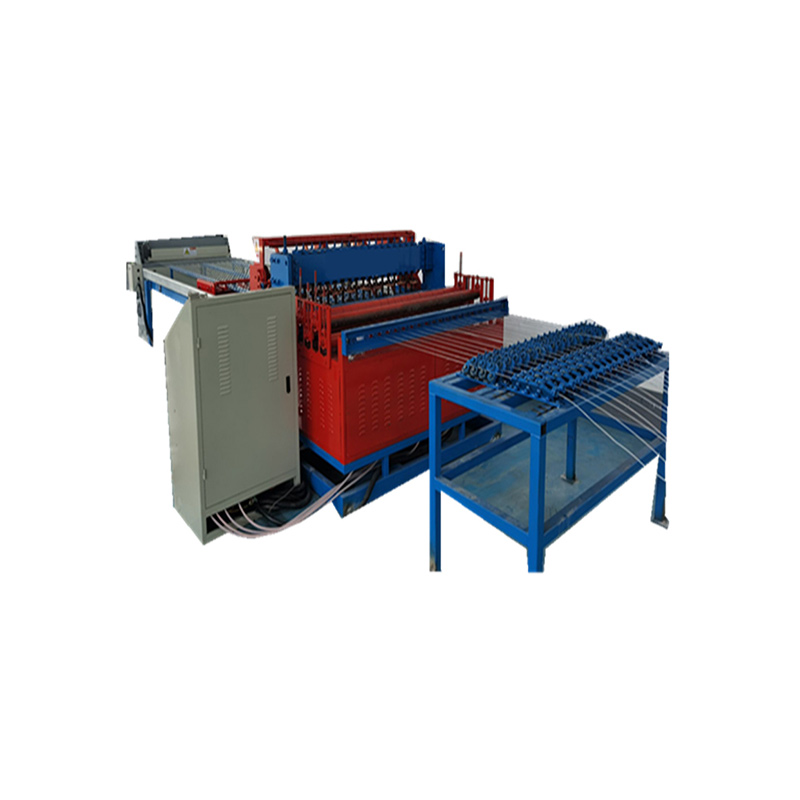
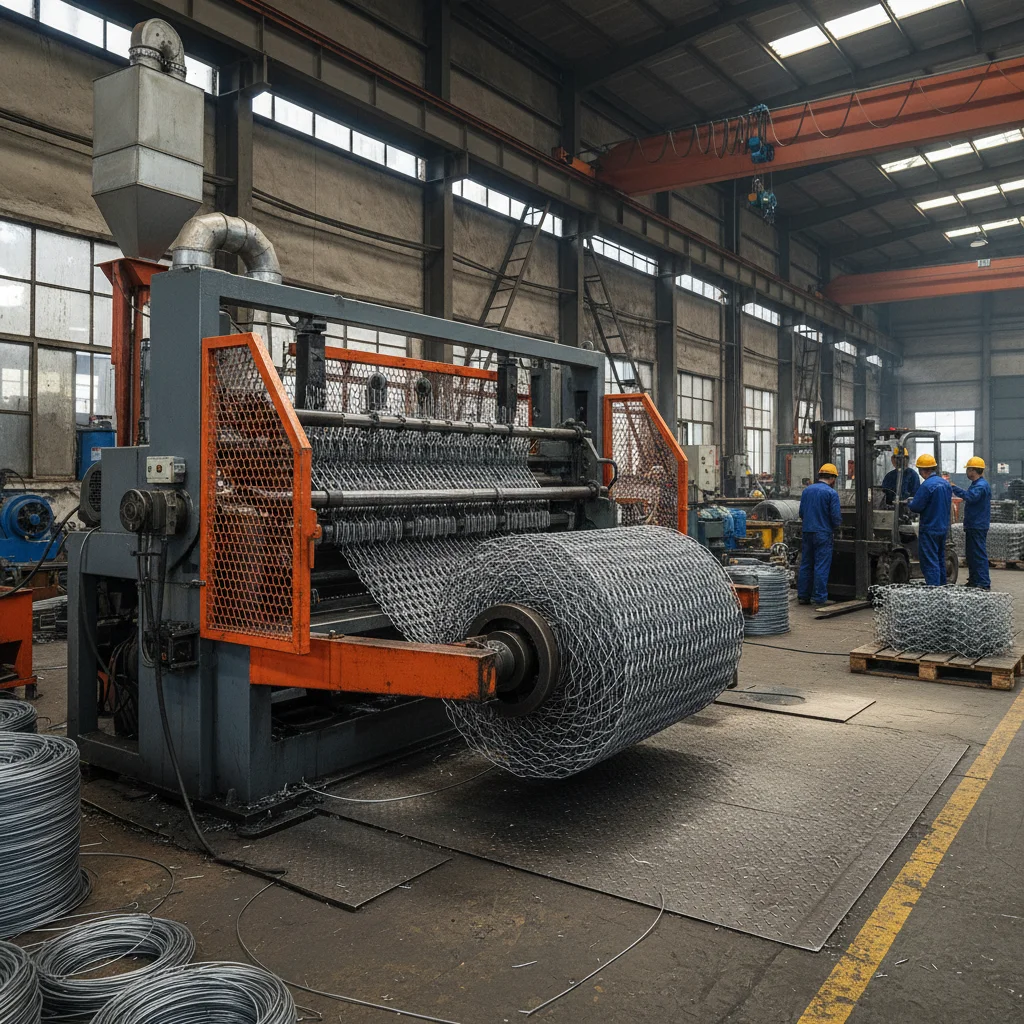
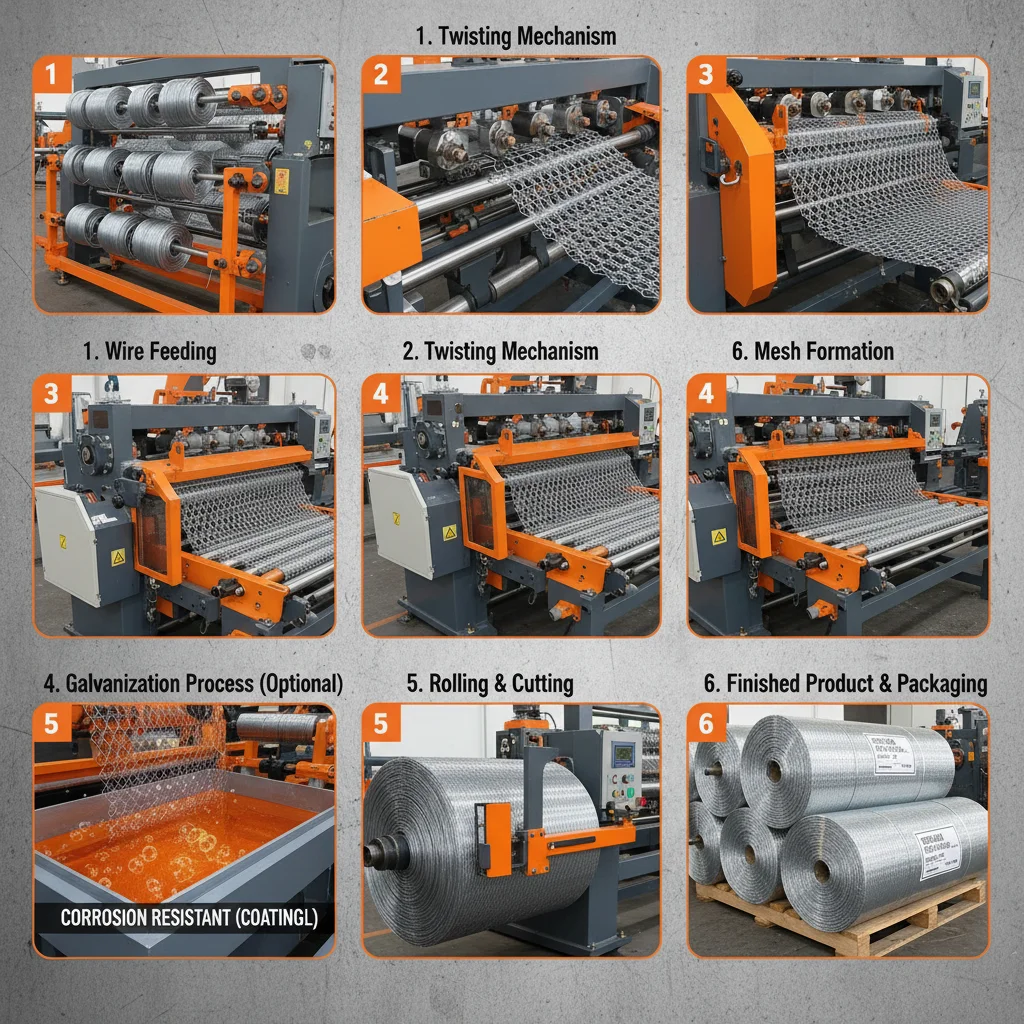
Simply put, a hexagonal wire mesh making machine is an automated or semi-automated device that twists metallic wires into a distinct honeycomb-shaped mesh pattern. This unique pattern isn’t just for looks — it provides strength, flexibility, and resilience.
Industry-wise, this machine is indispensable because it produces fencing, gabion baskets, cages, and similar products ubiquitously used across mining, agriculture, military applications, and post-disaster reconstruction, to name a few. Oddly enough, its output also supports humanitarian needs, such as protecting refugee camps from intrusions or reinforcing temporary shelters.
Beyond the mechanical action, these machines represent a direct link between metal raw material and the final industrial product, embodying millennia-old craft suddenly turbo-charged with modern automation and precision.
Core Components and Key Factors of the Machine
1. Durability and Wire Compatibility
Good machines handle a broad range of wire gauges — from thin galvanized steel to heavy-duty stainless wire. Durability means years of consistent output without frequent breakdowns, crucial for high-volume producers.
2. Production Speed and Efficiency
Modern units can crank out several meters of mesh a minute, balancing speed with precision. Faster machines reduce labor costs and half-baked products but require precise calibration.
3. Scalability and Customization
Whether producing small rolls for fencing or large gabion baskets for riverbank reinforcement, machines often allow easy adjustment of mesh size and wire thickness — adding versatility.
4. Automation & Ease of Use
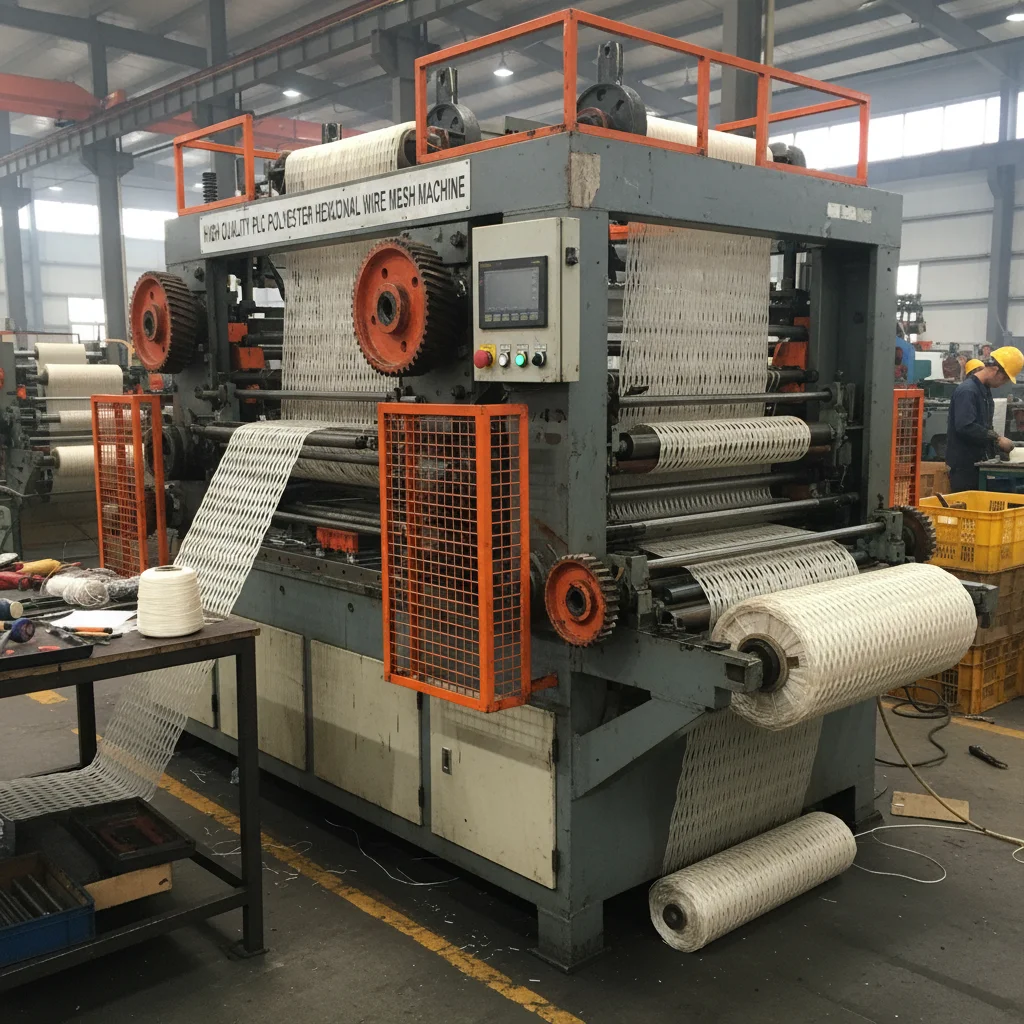
Some advanced models feature PLC controls and touchscreens, making training faster and operation simpler, which boosts overall productivity.
5. Cost Efficiency and Maintenance
A machine’s price tag is more than initial investment — it includes downtime, repair, and consumables. Manufacturers often emphasize modular parts to ease servicing.
| Component |
Description |
Typical Spec |
| Wire Diameter |
Range of compatible wire thickness |
0.4mm - 2.0mm |
| Mesh Size |
Distance between mesh hexagons |
10mm - 50mm |
| Production Speed |
Meters of mesh per minute |
8 - 15 m/min |
| Power Consumption |
Energy used during operation |
3kW - 5kW |
| Automation Level |
Manual to fully automated |
Semi-automatic or PLC controlled |
Mini takeaway: The success of these machines hinges on their balance of speed, adaptability, and durability — all tuned finely for different industry demands.
Where Are Hexagonal Wire Mesh Making Machines Used Worldwide?
So, who actually needs this honeycomb metal? The list is pretty broad:
- Agriculture: Livestock cages and protective fencing that keep farms productive and animals safe from predators.
- Construction: Gabion baskets and retaining walls, which stabilize slopes, prevent erosion, and protect flood zones.
- Mining and Industrial: Protective meshes for machinery guards and screening.
- Humanitarian and Disaster Relief: Rapidly deployable fencing and containment solutions to secure camps or temporary settlements.
For instance, in Nepal’s earthquake-impacted rural regions, NGOs have turned to hex mesh cages to rebuild river embankments quickly, using machines that can be installed locally, thus empowering communities. Similarly, in the UK, eco-conscious builders use machine-made hex mesh in greenhouses and garden fencing, actively contributing to sustainable urban farming. And the mining industries in Australia rely on robust metal mesh cages to ensure safety and machine longevity under harsh conditions.
Mini takeaway: These machines serve diverse sectors and are literally shaping landscapes, industries, and humanitarian responses worldwide.
The Long-Term Advantages of Using Hexagonal Wire Mesh Machines
When we talk about advantages, it’s more than 'faster production.' The benefits ripple across several layers:
- Cost Savings: Efficient wire usage plus automated production reduce waste and labor.
- Sustainability: The pattern itself uses less metal but retains strength — a win for resource-conscious industries.
- Safety and Reliability: Durable mesh enhances protection against animals, erosion, or unauthorized access.
- Social Impact: By enabling faster infrastructure setup, communities recover or grow with dignity and security.
Emotionally, I suppose it’s the peace of mind that these machines help create — fences that hold, barriers that don't fail, shelters supported by sturdy mesh. There’s trust built into the metal, in a way.
What the Future Holds: Innovations in Hexagonal Mesh Making
Looking ahead, several trends sweep through this sector:
- Green Energy-Powered Machines: Solar or hybrid-powered units are becoming a reality, cutting the carbon footprint of mesh production.
- Digital Integration: IoT sensors for maintenance prediction and process optimization.
- Advanced Materials: New wire coatings or composites for corrosion resistance without heavy metal use.
- Modular, Portable Units: Enabling remote or emergency site use.
These innovations are slowly transforming what seemed like a straightforward process into a smart, sustainable ecosystem, answering both environmental and humanitarian calls.
Challenges & Practical Solutions in Machine Use
Of course, no technology is perfect. Common issues with hexagonal wire mesh making machines include:
- Wire tension variation causing mesh defects.
- Energy consumption spikes in older models.
- High skill requirements for operation and troubleshooting.
However, manufacturers are tackling these with automatic tension control systems, energy-efficient motors, and improved user interfaces that demystify operation and training. Some are offering remote tech support or modular component swaps to minimize downtime — which is crucial in time-sensitive projects.
FAQ: Your Quick Guide on Hexagonal Wire Mesh Machines
Q1: How does wire gauge affect the mesh output?
A: Thicker wire yields stronger, heavier mesh ideal for security fences, while thinner wire suits agricultural uses where flexibility is key. Machines need adjustable tension systems to accommodate various gauges efficiently.
Q2: Can I customize mesh dimensions on these machines?
A: Yes, most modern machines allow you to set mesh size and wire diameter within ranges. This flexibility suits producing anything from small poultry mesh to large gabion walls.
Q3: What maintenance routines keep these machines running smoothly?
A: Regular lubrication of moving parts, checking wire tension calibration, cleaning debris, and inspecting electrical controls are essential to keep quality and speed consistent.
Q4: Are these machines suitable for small workshops or only large factories?
A: They come in sizes. Small semi-automatic models are perfect for local production, while advanced, high-capacity lines fit large-scale industrial use.
Comparing Leading Vendors of Hexagonal Wire Mesh Making Machines
| Vendor |
Automation Level |
Price Range |
Warranty |
Special Features |
| HT Mesh Machines |
Semi-automatic to fully PLC controlled |
$25,000 - $45,000 |
2 years comprehensive |
Remote diagnostics & modular parts |
| EuroWire Tech |
Automatic with touchscreen interface |
$30,000 - $55,000 |
1.5 years |
Energy-saving motor & IoT-enabled |
| Asia Mesh Solutions |
Manual to semi-auto machines |
$15,000 - $35,000 |
1 year basic |
Compact design for small shops |
Wrapping Up: Why Invest in a Hexagonal Wire Mesh Making Machine?
In real terms, investing in a hexagonal wire mesh making machine today means gearing up for a future where infrastructure must be smarter, faster, and more sustainable. These machines do much more than shape wire; they shape economies, protect environments, and support communities.
So, if you’re considering enhancing your production or stepping into the wire mesh business, the technology here promises both proven reliability and exciting potential. Curious to explore options? Feel free to visit our website for detailed specs and consultations — you might just find the exact match your projects need.
After all, a mesh is only as strong as the technology behind it...
References
- International Organization for Standardization (ISO)
- World Bank Industry Reports
- Wikipedia: Wire Mesh