The Modern Marvel of the Automatic Wire Drawing Machine: What It Is and Why It Truly Matters
At first glance, an automatic wire drawing machine might seem like yet another industrial gadget humming away in a noisy factory corner. But it’s actually a cornerstone in making countless everyday products — from electrical cables and springs to surgical needles and even advanced aerospace components. Globally, this machinery directly feeds the veins of connectivity, infrastructure, and manufacturing growth.
Understanding how an automatic wire drawing machine works, and why it has become indispensable in today’s world, is vital not only to manufacturers but also to policy planners and engineers aiming to boost industrial efficiency sustainably. After all, in a world rushing towards electrification and digital networks, the need for ever finer, stronger wires is only accelerating.
Mini takeaway: The automatic wire drawing machine is more than just factory equipment; it's a silent backbone of modern industrial progress, powering everything from power grids to surgical instruments.
Automatic Wire Drawing Machines in a Global Context: Powering Industry and Infrastructure
Industries worldwide rely heavily on wire products, which, according to the International Organization for Standardization (ISO) and industry reports, see steady growth, roughly 3-5% annually. With urbanization skyrocketing in emerging markets and renewed infrastructure investments in developed economies, the demand for high-quality wire — and thus the machines that produce it — remains critically high.
Here’s a quick reality check: The steel wire drawing market alone was valued at over $7 billion in 2023 and predicted to grow as electric vehicle (EV) components and renewable energy installations expand. But manufacturing these wires efficiently is a challenge. Conventional manual drawing requires intense labor and time — that’s where the automatic wire drawing machine steps in.
Handling the challenge of producing consistent, high-tensile, and fine-diameter wire without massive human intervention is no small feat and showcases the ingenuity behind modern automation.
Mini takeaway: The automatic wire drawing machine is not just a mechanical solution, but a strategic asset for economies trying to keep pace with technological and infrastructural demands.
So What Exactly Is an Automatic Wire Drawing Machine?
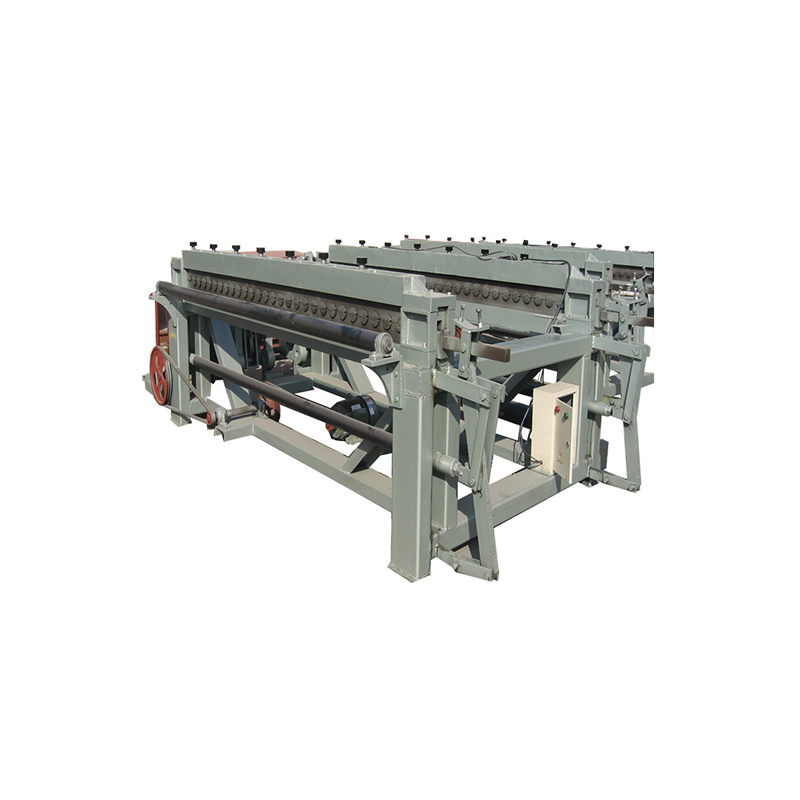
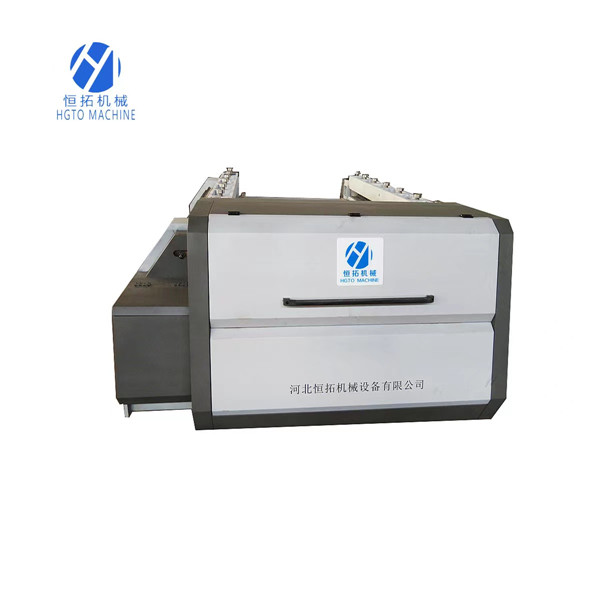
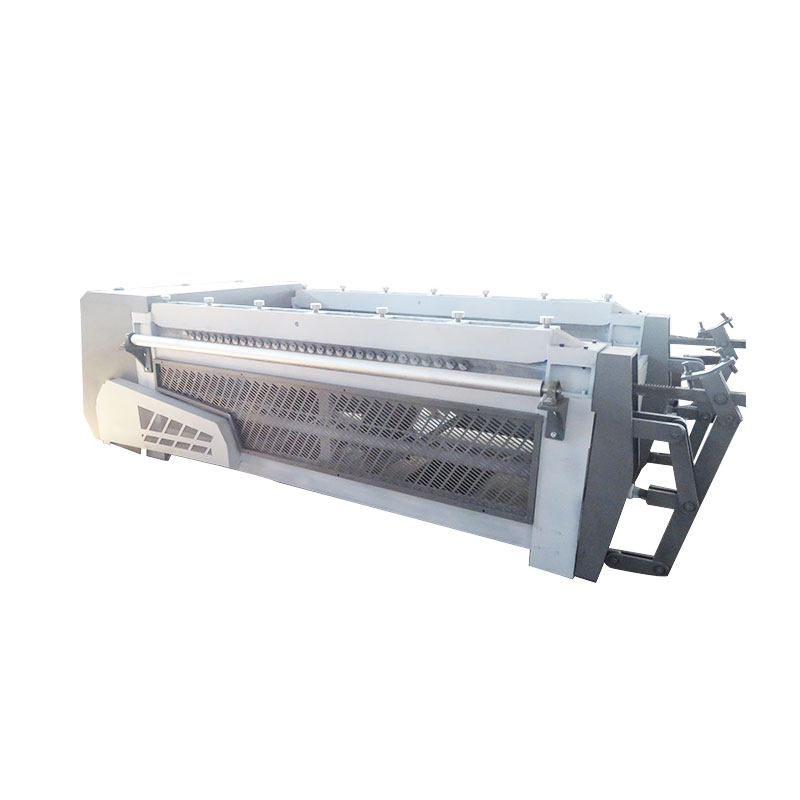
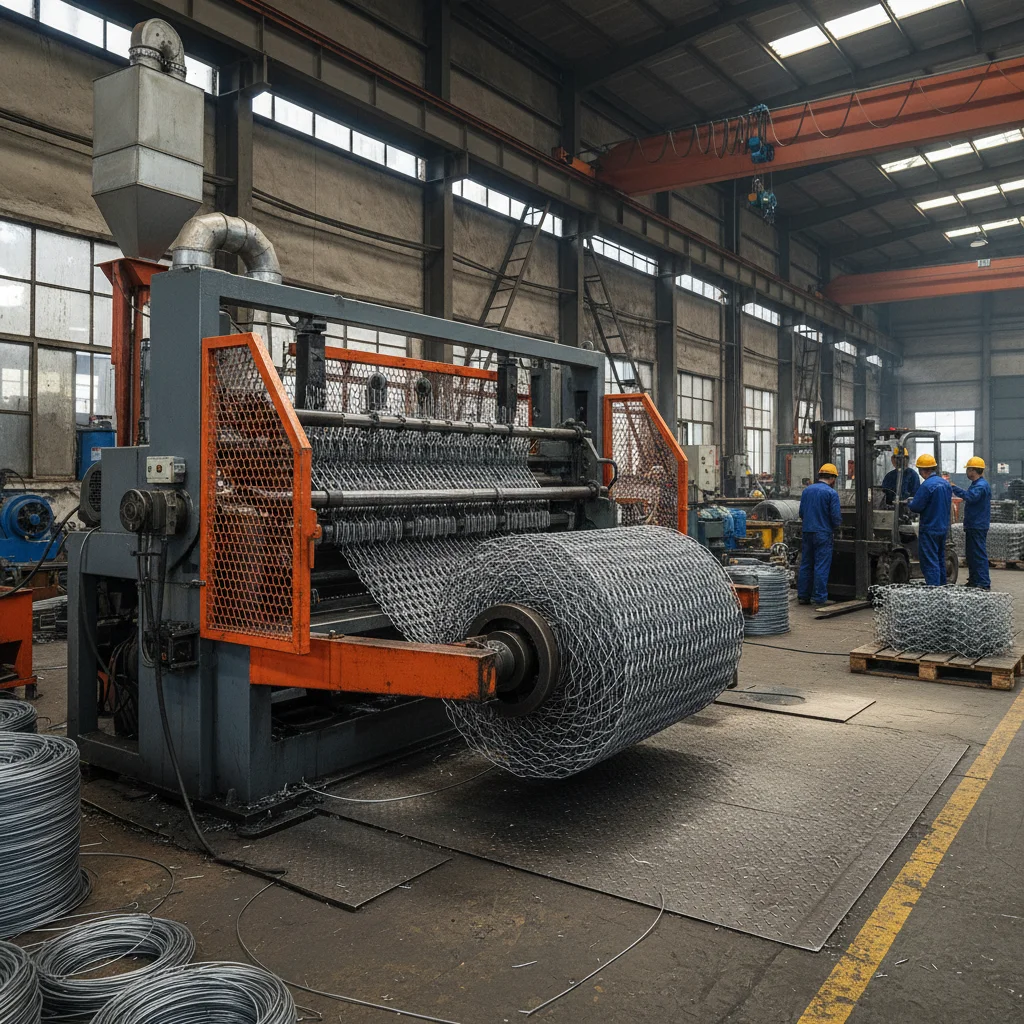
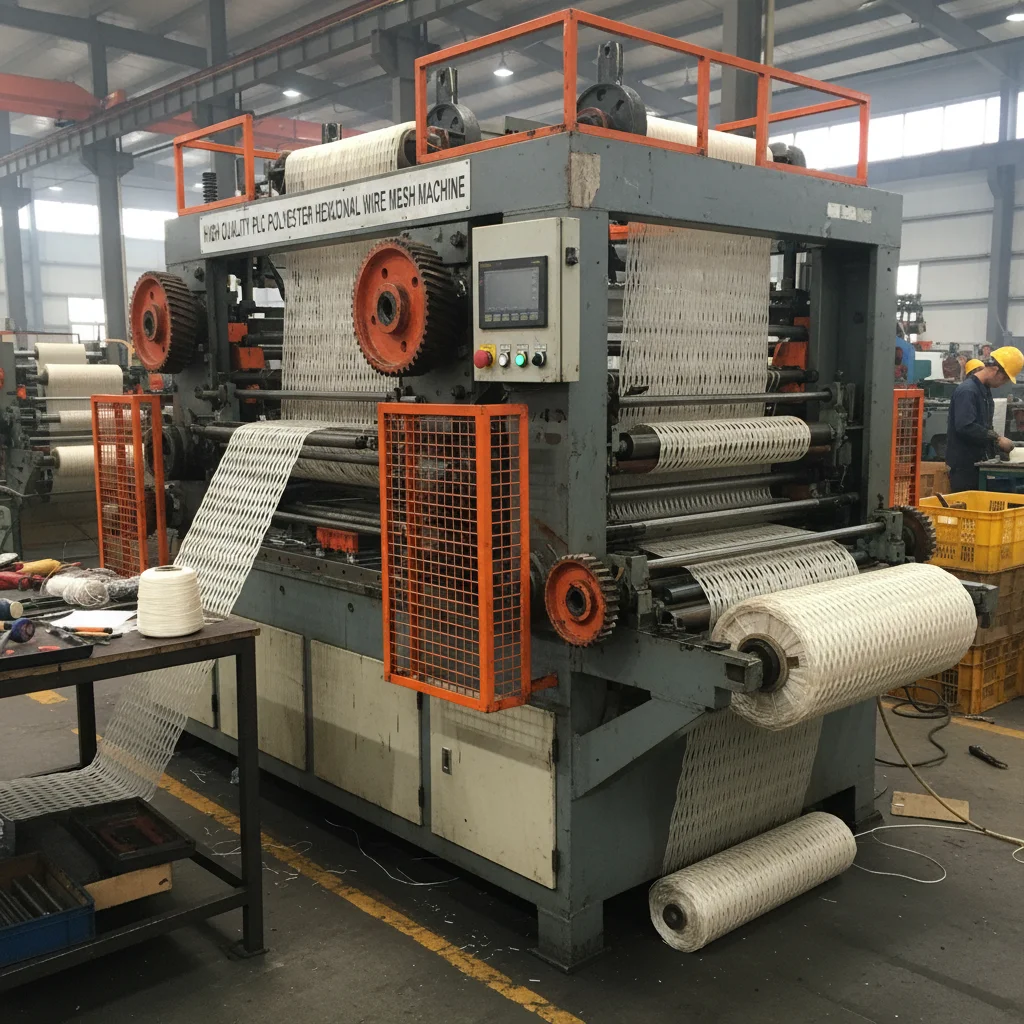
Simply put, an automatic wire drawing machine is a piece of industrial equipment designed to reduce the diameter of wire by pulling it through one or more drawing dies. The process transforms thick wire rods into thinner wire, enhancing strength and surface finish in the process. The "automatic" descriptor means it manages feeding, drawing, coiling, and sometimes annealing without much human intervention.
This machine is closely tied to modern manufacturing sectors — from electrical cable production to medical device fabrication — and indirectly supports humanitarian logistics by enabling the mass appearance of reliable wiring materials in power restoration and medical kit manufacturing.
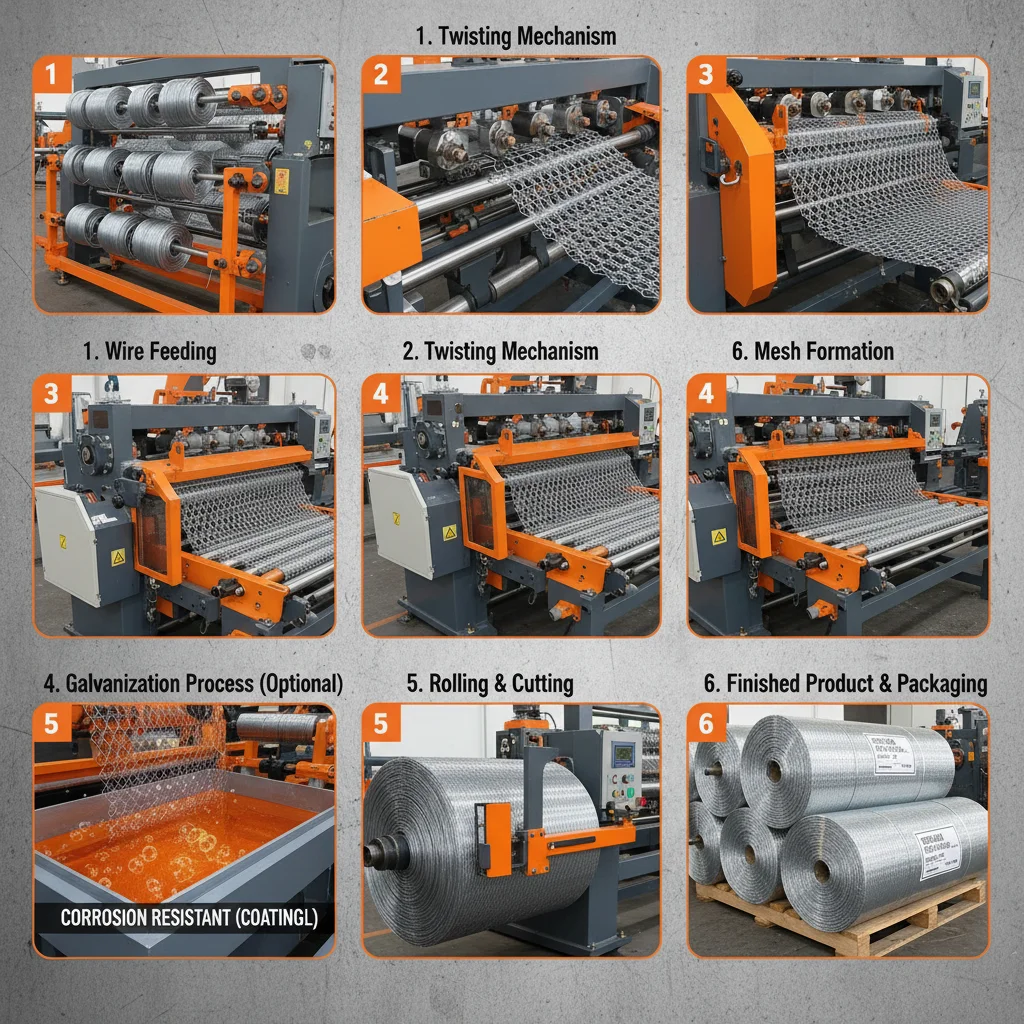
Core Components Explained:
- Wire Feed Mechanism: Ensures smooth, continuous wire supply, often controlled electronically for precision.
- Drawing Dies: Hardened steel or tungsten carbide components that shape and reduce wire diameter.
- Capstan or Pulling Unit: Applies the necessary tension force to pull wire through dies.
- Annealing Furnace (optional): Softens wire mid-process to improve ductility without compromising strength.
- Coiling Unit: Automatically reels the finished wire for easy packaging and shipping.
These components’ synergy dictates a machine’s productivity and wire quality. Many engineers I’ve spoken with emphasize the importance of maintenance and die quality when it comes to long-term reliable operation.
Mini takeaway: The automatic wire drawing machine is a blend of mechanical precision and electronic control, built to endlessly produce superior wire with minimal fuss.
Global Applications and Use Cases: Who Really Benefits?
The ripple effects of deploying advanced wire drawing technology are everywhere.
- Asia and China: Dominating cable manufacturing and supplying global telecom sectors, these regions rely on robust machines to meet fast-growing demands.
- Europe: Precision wire for automotive, aerospace, and medical device industries thrives on these machines, boosting exports and technical innovation.
- North America: Energy transmission companies use wires made on these machines to upgrade grids and promote renewable energy integration.
- Remote & Emergency Relief: In disaster zones, pre-fabricated wiring harnesses made with high-quality wire improve power restoration speed and safety.
For example, a recent project in Eastern Europe saw a supplier upgrade their wire drawing lines to automatic machines, cutting production time in half and improving wire consistency. This led to winning a contract supplying sensitive aerospace cabling — a sector where failure is not an option.
Mini takeaway: From renewable energy fields in California to remote medical centers in Africa, the benefits of automatic wire drawing machines reach far beyond factory floors.
Why Invest in an Automatic Wire Drawing Machine? Advantages and Long-Term Value
- Cost Efficiency: Automated operation reduces labor costs and waste, while enhancing throughput.
- Durability & Quality: Consistent wire diameter and surface improve product lifespan and user safety.
- Sustainability: Precise operation means less raw material waste, supporting green manufacturing goals.
- Safety: Reduced human handling lowers chance of accidents or repetitive strain injuries.
- Innovation Catalyst: Enables production of wires with complex alloys and specialty coatings unusable in manual setups.
These advantages translate directly into higher trust from clients, and often reduced environmental footprints — something many companies are proud to showcase.
Automatic Wire Drawing Machine: Core Product Specifications
| Specification |
Typical Value |
Notes |
| Wire Diameter Range |
0.1 mm – 12 mm |
Varies by die setup |
| Drawing Speed |
Up to 100 m/min |
Depends on wire material |
| Number of Drawing Dies |
4-12 stages |
Multi-step diameter reduction |
| Power Consumption |
5-15 kW |
Depending on scale |
| Automation Level |
Full automatic controls |
Includes PLC & feedback sensors |
How Do Vendors Stack Up: A Quick Comparison
| Brand |
Price Range |
Key Features |
Warranty |
Customer Support |
| HT Mesh Machines |
$$$ |
High automation, energy efficient, modular design |
2 years |
24/7 technical support, remote diagnostics |
| WireTech Solutions |
$$ |
User-friendly interface, decent speed, low maintenance |
1 year |
Business hours support, on-site visits |
| Precision Wire Inc. |
$$$$ |
Cutting-edge control systems, ultra-high speed, custom alloys |
3 years |
Dedicated engineer pods, extensive training available |
Looking Ahead: Trends and Innovations Shaping Automatic Wire Drawing Machines
Automation is evolving. The latest machines integrate AI-powered diagnostics that predict wear and maintenance needs before a breakdown actually happens. Green manufacturing principles encourage the use of biodegradable lubricants and energy-saving motors, making production cleaner and cheaper in the long run.
Materials science is also pushing boundaries. Copper alloys infused with nano-particles are being drawn with these machines to create ultra-light yet highly conductive wires perfect for EV battery cables. Digital twin technology allows remote simulation and optimization — frankly, it’s an exciting time.
Mini takeaway: If you think these machines are old news, think again. Tomorrow’s automatic wire drawing machines are smarter, greener, and more responsive — literally changing the way industries wire the world.
Common Challenges and How Industry Experts Are Tackling Them
No tech is perfect, right? Some common issues include:
- Die wear causing inconsistent diameters
- Energy costs from continuous operation
- Handling ultra-fine wires without breakage
- Training staff to manage complex automation systems
Innovative solutions include:
- Developing hardened composite dies that last longer
- Implementing variable speed controllers to optimize power use
- Refining process controls to gently handle fragile wire materials
- Virtual reality training modules for operator upskilling
Such advances bring the technology closer to perfection — or at least as close as industry needs now.
FAQ: Quick Answers to Your Automatic Wire Drawing Machine Questions
- How does an automatic wire drawing machine improve production speed compared to manual drawing?
- Automatic machines continuously feed wire through multiple dies without stopping, cutting downtime drastically and increasing output by up to 3 times compared to traditional manual methods.
- What kind of maintenance is required for automatic wire drawing machines?
- Regular inspection of drawing dies for wear, lubrication of moving parts, calibration of sensors, and prompt replacement of worn components are essential to maintain consistent quality and extended machine life.
- Are automatic wire drawing machines suitable for all metal types?
- Most machines can handle a range of metals such as copper, steel, aluminum, and their alloys. However, some metals require specialized dies and speed settings to avoid wire breakage or surface damage.
- Can the machine be customized for specific wire diameters or materials?
- Absolutely. Modern automatic wire drawing machines offer modular dies and programmable speed controls, allowing manufacturers to tailor the process for various wire thicknesses and materials.
- Is energy consumption a major concern with these machines?
- While these machines consume power continuously during operation, energy-efficient motors and smart controls have significantly reduced consumption compared to older models.
Wrapping Up: Why the Automatic Wire Drawing Machine Is a Smart Investment
From its ability to transform raw wire rods into precision-engineered strands to its role in enabling everything from medical technology to clean energy infrastructure, the automatic wire drawing machine stands out as a key enabler of modern manufacturing productivity. Its balance of automation, quality, and cost savings keeps it relevant despite rapidly advancing tech landscapes.
For companies committed to sustainable growth and cutting-edge manufacturing, investing in a reliable automatic wire drawing machine isn’t just smart — it’s essential.
Explore more about how these machines can elevate your production lines by visiting HT Mesh Machines today.
References
- Wikipedia: Wire Drawing Process
- ISO Standards on Wire Products
- World Bank: Industrial Production Data