Understanding the Fully Automatic Wire Drawing Machine: A Key to Modern Industry
If you’ve ever wondered how tiny wires that run through electronics, appliances, or even skyscraper frameworks get so precisely formed, the fully automatic wire drawing machine is probably behind the scenes. Globally, the demand for thin, high-strength wire is booming — in automotive, telecommunications, construction, and countless other sectors. Understanding these machines, which automate the entire wire drawing process, is critical not just for manufacturers but for anyone in industries relying on durable wire products.
This article unpacks what a fully automatic wire drawing machine really is, why it matters on a global scale, and how its innovations are reshaping industries around the world.
Fully Automatic Wire Drawing Machines: Why They Matter Globally
Wire is the unsung hero of modern infrastructure. According to the World Bank, global steel production, much of which is drawn into wire, topped 1.8 billion tons in 2022, underpinning construction and manufacturing worldwide. But what happens behind that tonnage figure is a challenge: how to produce consistent, high-quality wire efficiently and with minimal labor.
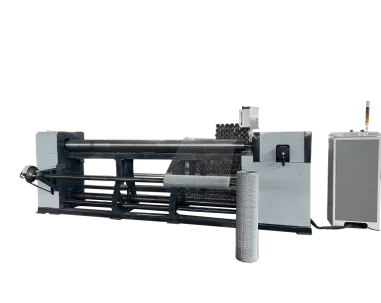
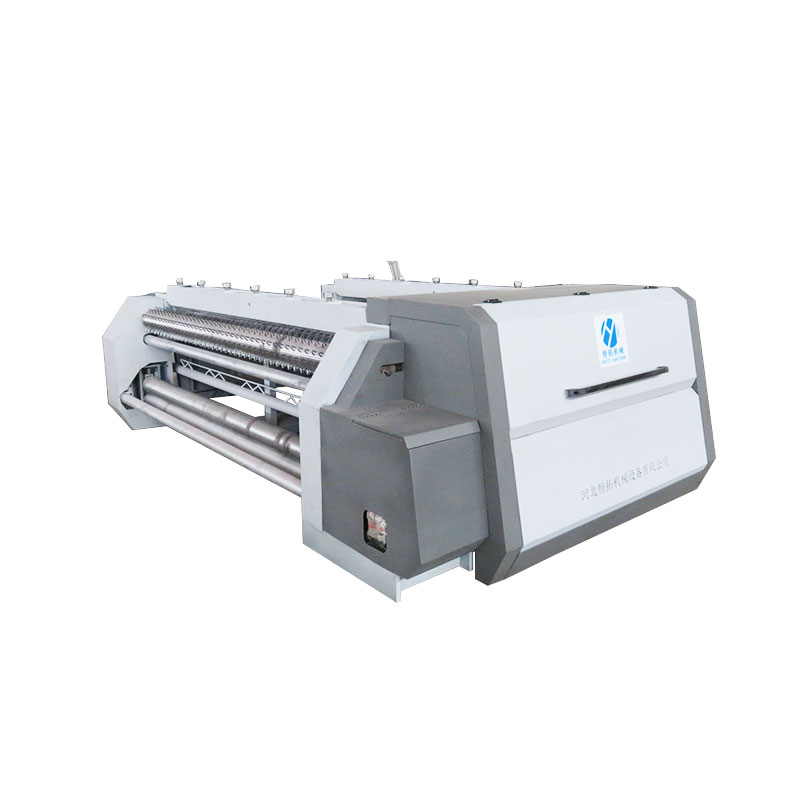
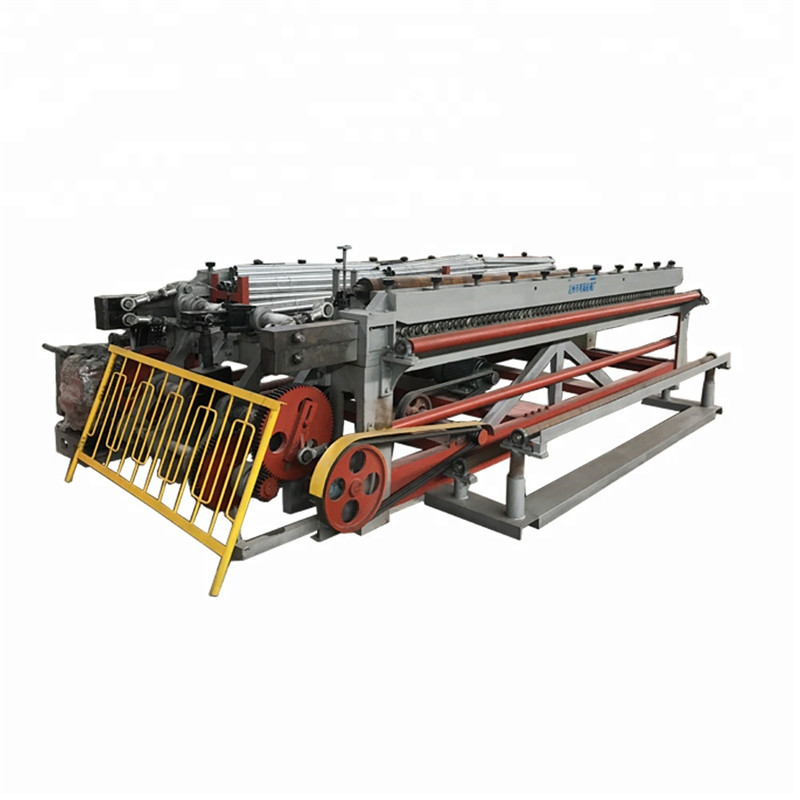
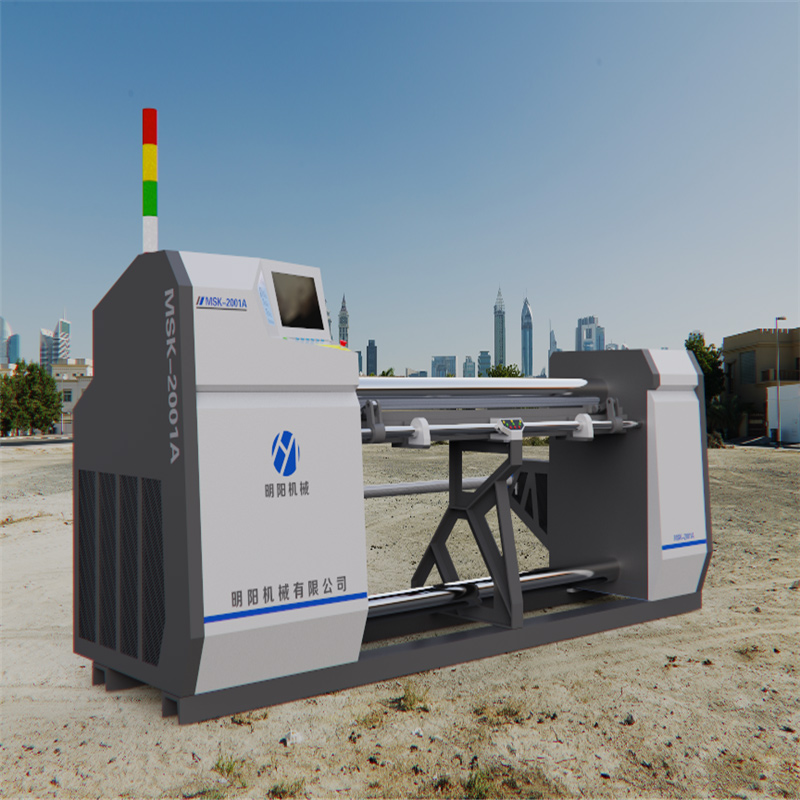
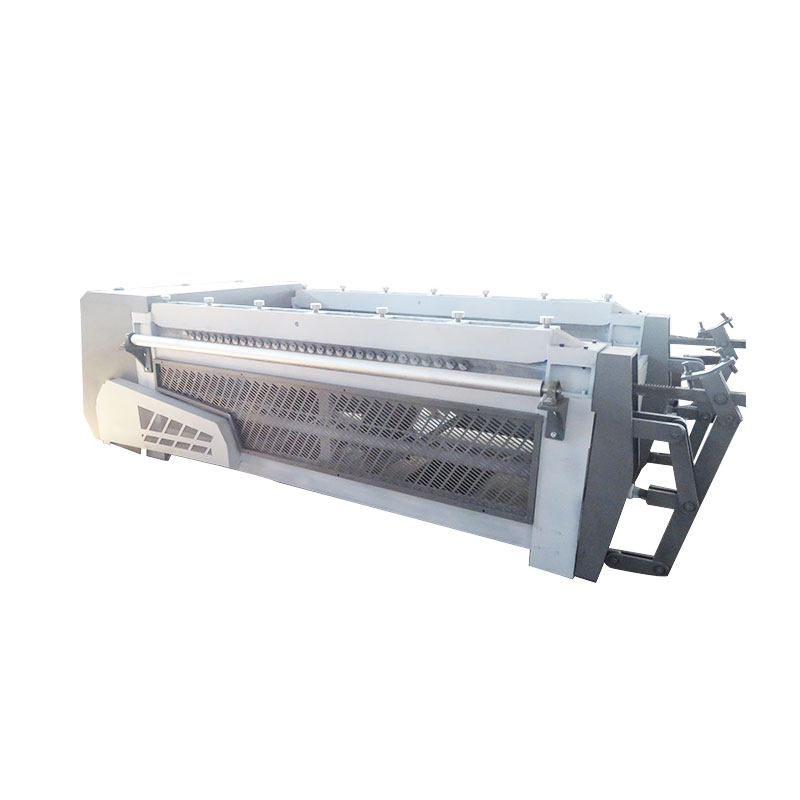
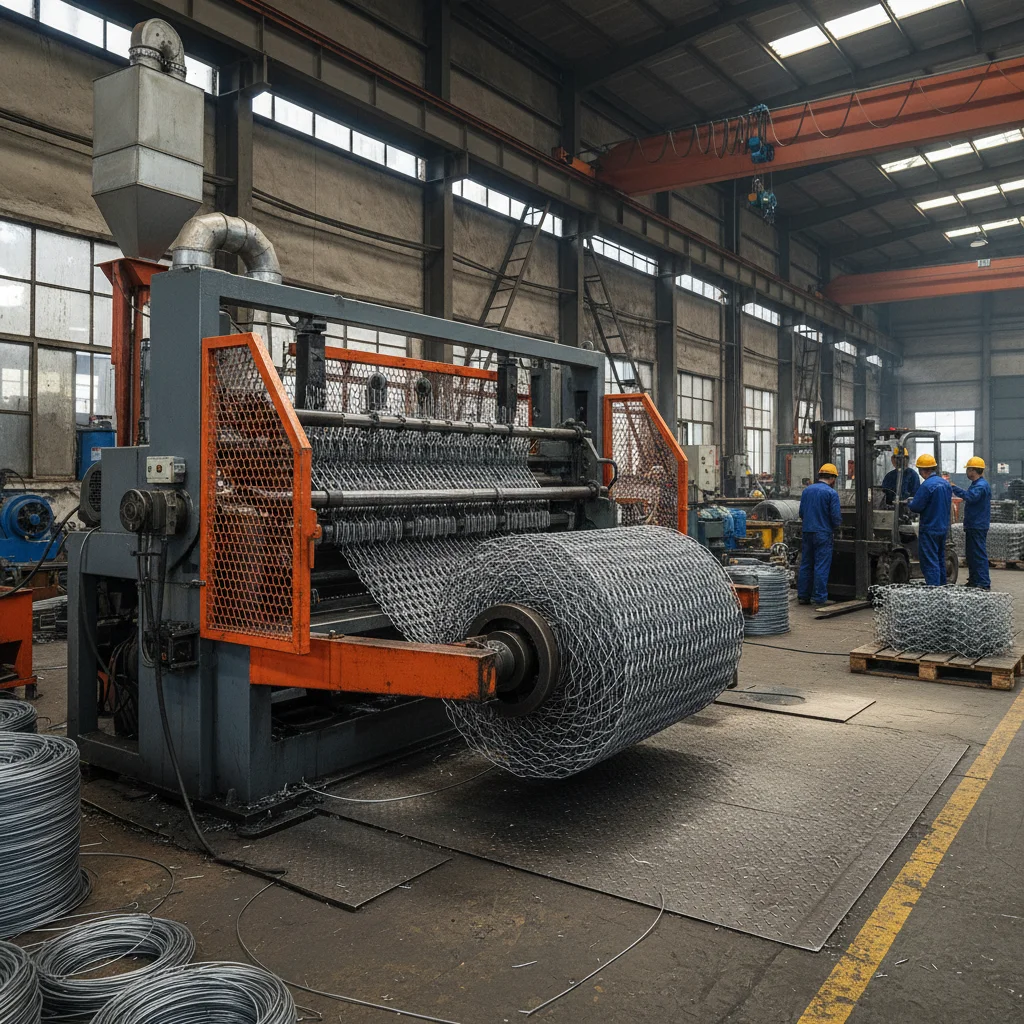
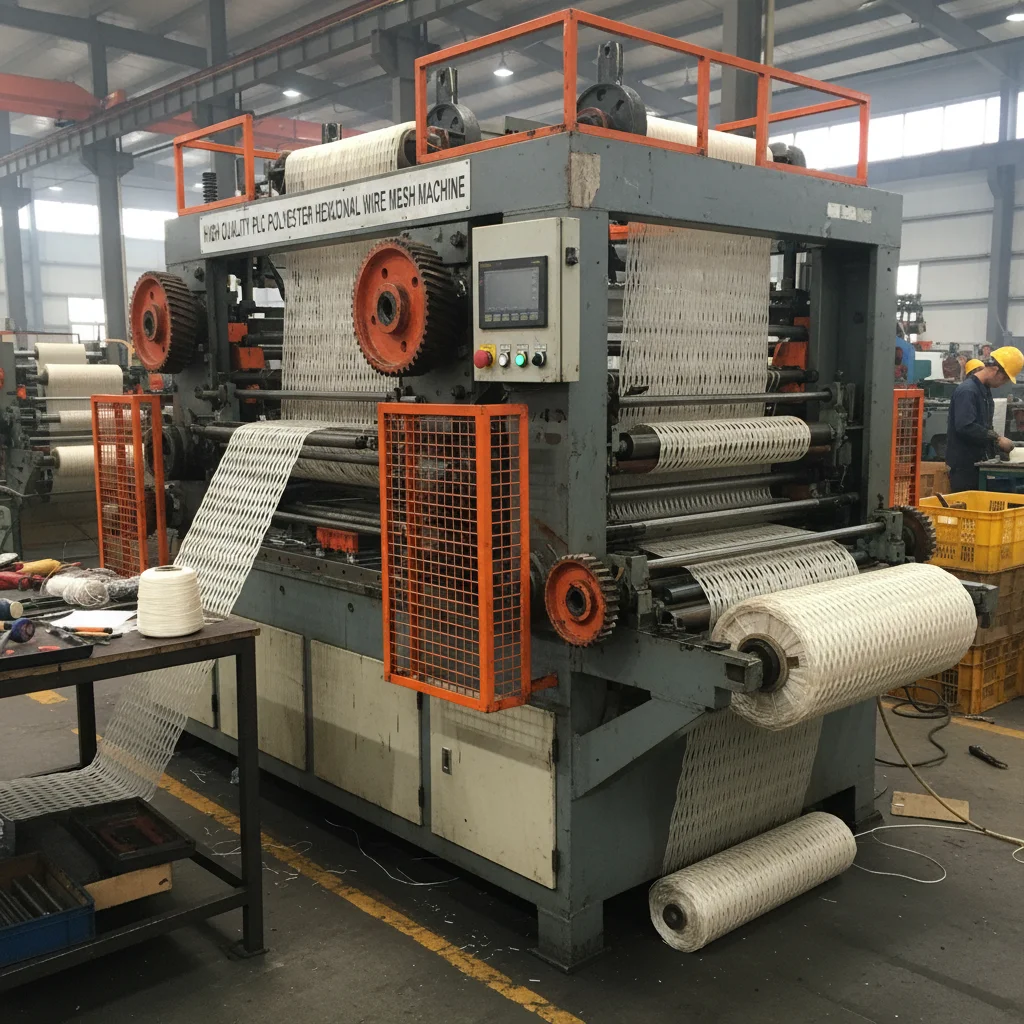
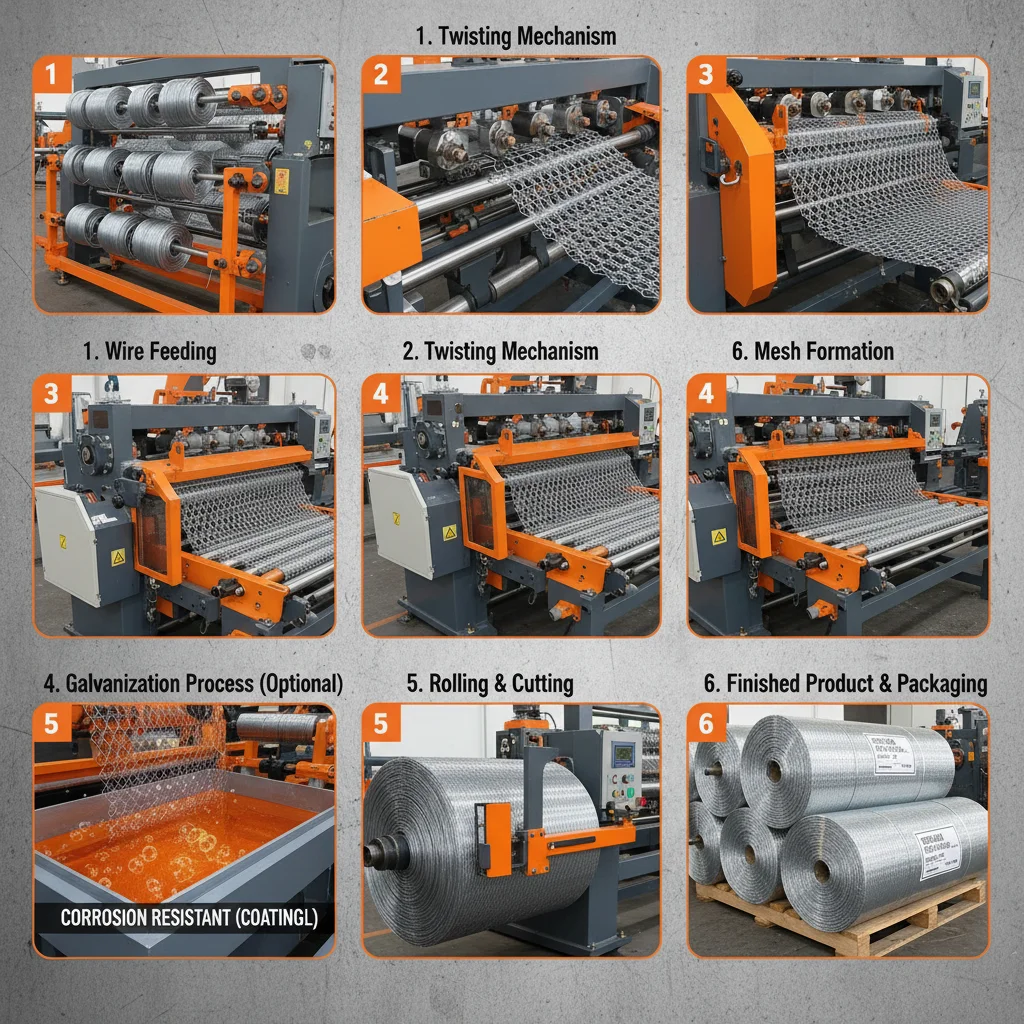
Enter the fully automatic wire drawing machine. These machines streamline multiple steps — from pulling raw wire through dies to reach precise diameters, to coiling and quality checks — all with minimal human intervention.
Industries from automotive manufacturing in Germany to electronics assembly in South Korea benefit from these machines because they cut down costs, increase production speeds, and reduce waste.
But there are challenges too: power supply inconsistencies in developing regions, technical training demands, and the high upfront costs of automation still hamper universal adoption.
Mini takeaway: The fully automatic wire drawing machine isn’t just a gadget; it’s a global linchpin in making reliable wire essential for modern life.
Defining the Fully Automatic Wire Drawing Machine
Simply put, a fully automatic wire drawing machine is a production system that continuously pulls metal wire through a series of tapered dies without manual readjustment. The goal is to reduce the diameter of the wire systematically, refine its mechanical properties, and coil it ready for shipment or further processing.
This type of machine is a step beyond semi-automatic models because it incorporates automatic die replacement, tension control, lubrication, and even inline inspection — all digitally managed. It's a bit like upgrading from riding a bike to driving a fully self-driving car, especially in industrial terms.
And why does it matter beyond factories? Imagine rebuilding infrastructure post-natural disasters or pushing low-cost, high-quality manufacturing in emerging economies. These machines make high-grade wire accessible for everything from medical devices to electrical grids.
Core Components and Operational Insights
1. Precision Drawing Dies
The heart of the machine lies in the dies — carefully engineered to exact angles and materials (usually tungsten carbide or diamond-coated alloys) to ensure smooth wire reduction without cracking or deformities.
2. Automated Feeding and Drawing Mechanism
Wire spool feed systems work with servo motors to control tension actively, ensuring that the wire is pulled through steadily and evenly — think of it like feeding dough into a mechanical pasta maker, but far more precise.
3. Lubrication and Cooling Systems
Proper lubrication reduces friction and heat generation, preserving wire quality and die lifespan. Many modern systems feature closed-loop coolant recycling to improve environmental sustainability.
4. Quality Control and Inline Monitoring
Optical sensors, laser micrometers, and cameras continuously check diameter and surface defects. Data is logged and the machine can self-adjust or alert operators to deviations.
5. Coiling and Packaging Automation
Once sized, wire is automatically coiled or drum-wound, reducing handling damage and speeding shipping prep — a small but crucial detail to maintain product integrity.
6. Control Interface and Data Integration
Modern machines integrate with manufacturing execution systems (MES), allowing remote diagnostics, predictive maintenance, and production analytics.
Mini takeaway: These machines blend mechanical engineering with digital smart tech, making production lines more reliable and adaptive.
Global Applications and Real-World Use Cases
To give you a clearer picture, here’s how the fully automatic wire drawing machine shows up across various contexts worldwide:
- Automotive manufacturers in Europe and Japan: Use automated wire drawing for high-tensile wiring harnesses critical to safety systems.
- Telecom giants in China and South Korea: Produce ultra-fine copper wire for fiber optic cabling internally, ensuring tight quality control.
- Construction sectors in India and Brazil: Manufacture reinforcing wire mesh with consistent thickness, which strengthens concrete and improves safety.
- Remote industrial zones in Africa: Deploy modular wire drawing units for localized production, cutting down import costs and delays.
Oddly enough, I read about a post-disaster relief effort where mobile wire drawing units were set up to restore electrical grids rapidly — that’s a real game-changer when traditional supply lines are interrupted.
Product Specification Table
| Specification |
Details |
| Wire Diameter Range |
0.1 mm – 12 mm |
| Drawing Speed |
Up to 150 m/min |
| Automation Level |
Fully automatic with remote monitoring |
| Lubrication System |
Closed-loop, coolant recycling |
| Power Consumption |
9–12 kW (variable by model) |
| Control Interface |
Touchscreen PLC with MES integration |
Advantages and Long-Term Value of Automation
Let's face it: when you automate such a finicky task as wire drawing, the benefits ripple far beyond just speed. Cost efficiency is a huge driver — less scrap, less manual labor, and predictable output translate into saved resources over time.
But it’s more than just dollars. Consistent quality enhances machine safety when wire is used in elevators or medical devices. There’s a certain dignity in producing a flawless product that lives up to stringent industrial standards — kind of like a craftsman proud of their work, but on a massive scale.
Moreover, fully automatic machines have a smaller environmental footprint. Reduced waste, smart irrigation of lubricants, and better energy utilization all fit well with growing sustainability goals.
Long-term, companies report improved vendor trust and customer satisfaction, which are priceless when global supply chains are so fragile.
Vendor Comparison Table
| Vendor |
Automation Level |
Price Range (USD) |
Warranty |
Global Support |
| WirePro Systems |
Full automation + AI monitoring |
80,000 – 110,000 |
2 years + on-site service |
Yes (50 countries) |
| TechMesh Equip |
Fully automatic |
65,000 – 90,000 |
1.5 years |
Limited to Asia & Europe |
| EcoWire Tech |
Full automation + green tech integration |
90,000 – 120,000 |
3 years |
World-wide |
Emerging Trends and Innovations in Wire Drawing
Innovation never truly stops. Currently, more vendors are incorporating AI-powered diagnostics that predict die wear or lubrication needs before failures occur. The rise of Industry 4.0 means these machines can chat with other factory systems, making everything more connected.
On sustainability fronts, using biodegradable lubricants and recycling heat generated during drawing are gaining traction.
In materials science, hybrid wire coatings and advanced alloys require ultra-precise drawing conditions, pushing machine designs to become ever more sophisticated.
Challenges and Expert Solutions
Challenges persist though. Power stability issues in emerging markets can interrupt sensitive automation processes. Skilled operator scarcity also limits machine utilization.
Experts recommend hybrid training modules combining e-learning with hands-on workshops. For power, integrating machines with uninterruptible power supplies (UPS) and local energy storage helps.
Furthermore, modular machine designs allow incremental scaling, which suits small or medium-sized manufacturers hesitant to invest huge capital upfront.
FAQ: Common Questions About Fully Automatic Wire Drawing Machines
- Q: How does a fully automatic wire drawing machine improve quality compared to manual systems?
A: By automating tension control, die switching, and inline inspections, the machine reduces variance in wire diameter and surface defects, resulting in consistently higher-quality wire output.
- Q: What materials can these machines handle?
A: They mostly work with copper, aluminum, steel, stainless steel, and specialty alloys. Some models are adapted to handle composite wires used in emerging technologies.
- Q: Are fully automatic wire drawing machines expensive to maintain?
A: Maintenance costs are often lower than manual systems due to integrated diagnostics and controlled wear processes. Scheduled lubrication and periodic die replacement are common.
- Q: Can these machines be customized to specific production needs?
A: Yes, many manufacturers offer modular features such as variable die blocks, automation upgrades, and software interfaces tailored to user requirements.
- Q: How can small manufacturers benefit from fully automatic wire drawing?
A: Modular options and financing plans allow smaller players to start small and scale, improving productivity without massive upfront costs.
A Final Thought on the Fully Automatic Wire Drawing Machine
In real terms, the fully automatic wire drawing machine isn’t just a piece of equipment. It’s part of a larger narrative about productivity, sustainability, and innovation in the modern manufacturing landscape. For companies wanting to stay competitive, it offers not just efficiency but a future-proof way of doing business.
If you’re interested in exploring or upgrading your production capabilities, fully automatic wire drawing machine specialists can guide you through the right solutions for your needs.
Until next time, when machines quietly hum in factories worldwide, remember the wire drawing machine’s unseen part in powering our wired lives.
References
- World Bank - Steel industry overview
- Wikipedia - Wire drawing
- ISO Standards for Wire Drawing