Understanding the Water Tank Wire Drawing Machine: A Quiet Backbone of Modern Industry
Have you ever wondered how the wires used in those massive water tanks—critical in farms, factories, and even disaster relief—are made? That’s where the
water tank wire drawing machine quietly earns its keep. Across the globe, this specialized equipment isn't just some industrial oddity; it's central to producing durable wire crucial for storage and infrastructure that millions rely on daily.
Why should this matter to anyone outside the industry? Simple: the quality and efficiency of wire drawing affect everything from water safety to storage longevity, impacting agricultural supply chains, urban development, and emergency response efforts worldwide. Understanding this machine’s role offers insight into how industries keep the essentials flowing, literally.
The Global Stage: Why Water Tank Wire Drawing Machines Matter Today
Water scarcity and infrastructure resilience are undeniably global challenges. According to the UN, over two billion people live without safe drinking water at home (source: UN Water, 2023). Water tanks—especially those reinforced with wire mesh—are vital to storing and protecting these precious resources. Producing reliable wire for these tanks demands precision and durability, which the water tank wire drawing machine uniquely provides.
World Bank data also highlights that industrializing countries are ramping up storage infrastructure to modernize agriculture and boost rural resilience. Here, the machines that produce high-quality wire feed directly into this supply chain. But here’s the rub: inefficient or outdated wire drawing can cause weak tanks prone to leaks and failure, exactly when reliable storage is needed most.
Think of it as the quiet workhorse behind a nation’s water security.
What Exactly Is a Water Tank Wire Drawing Machine?
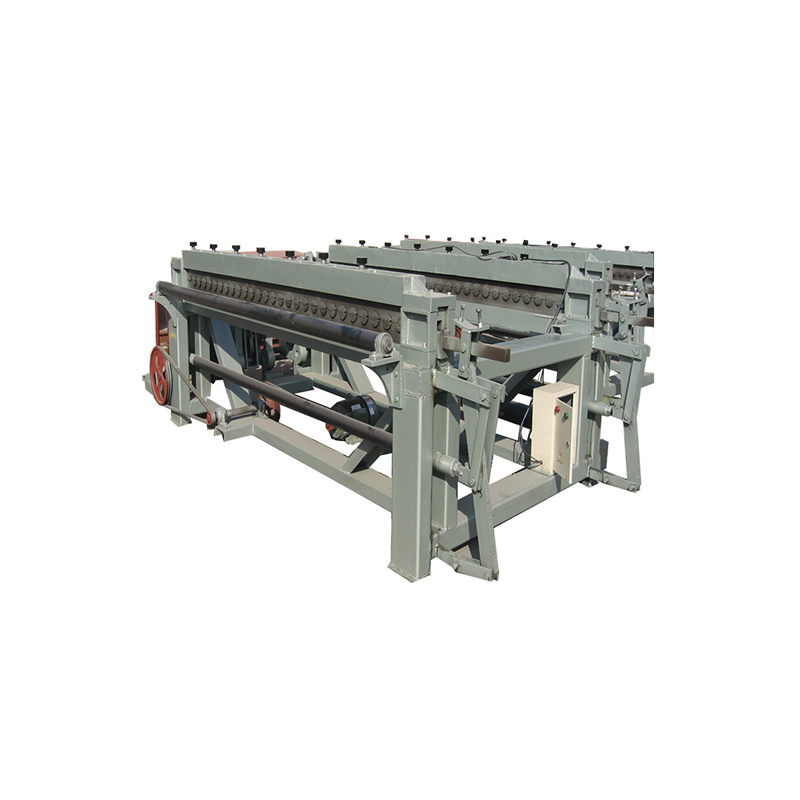
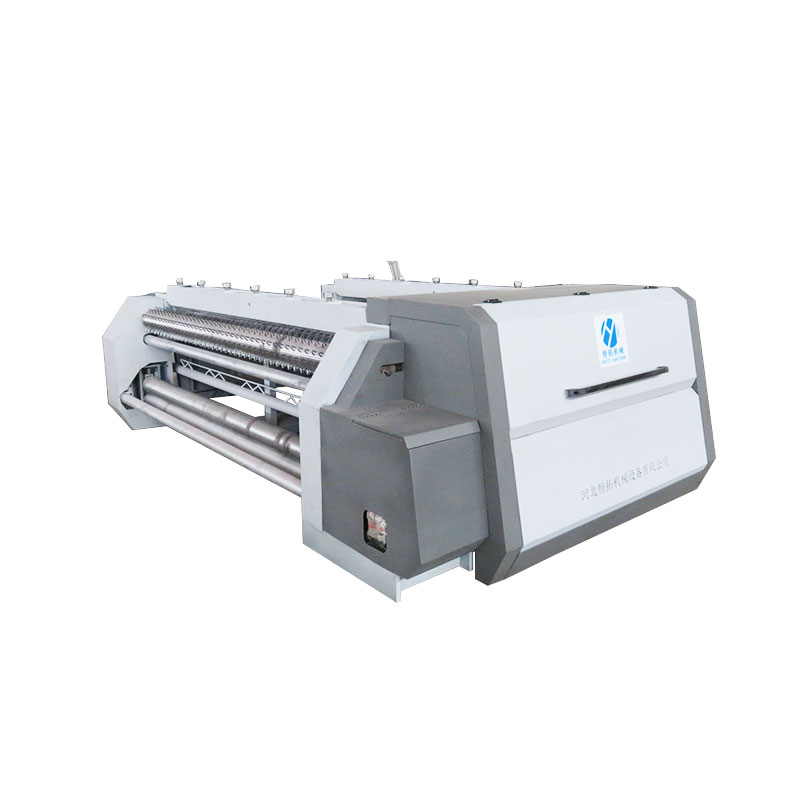
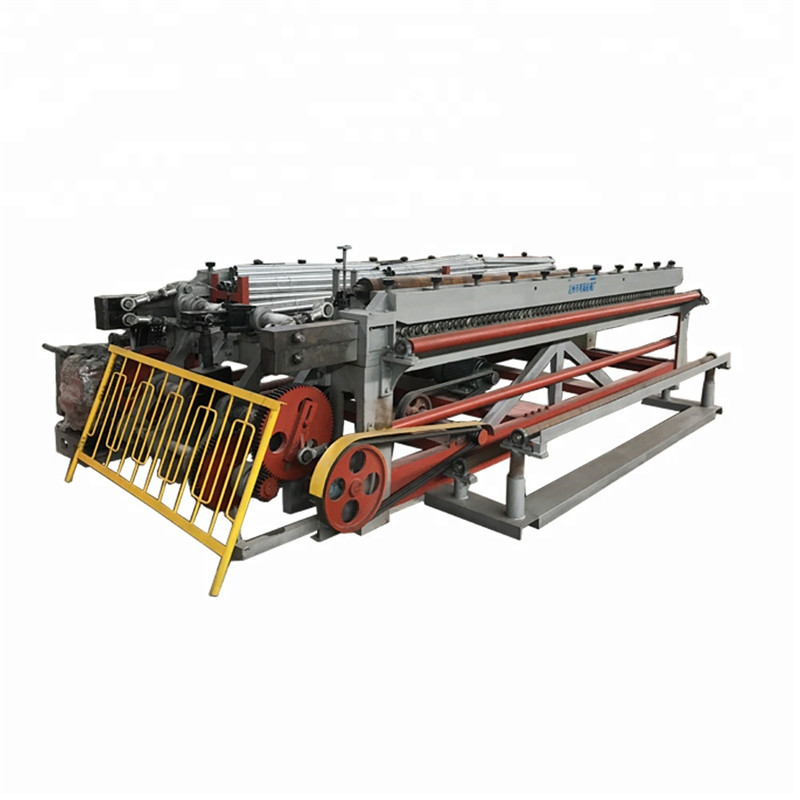
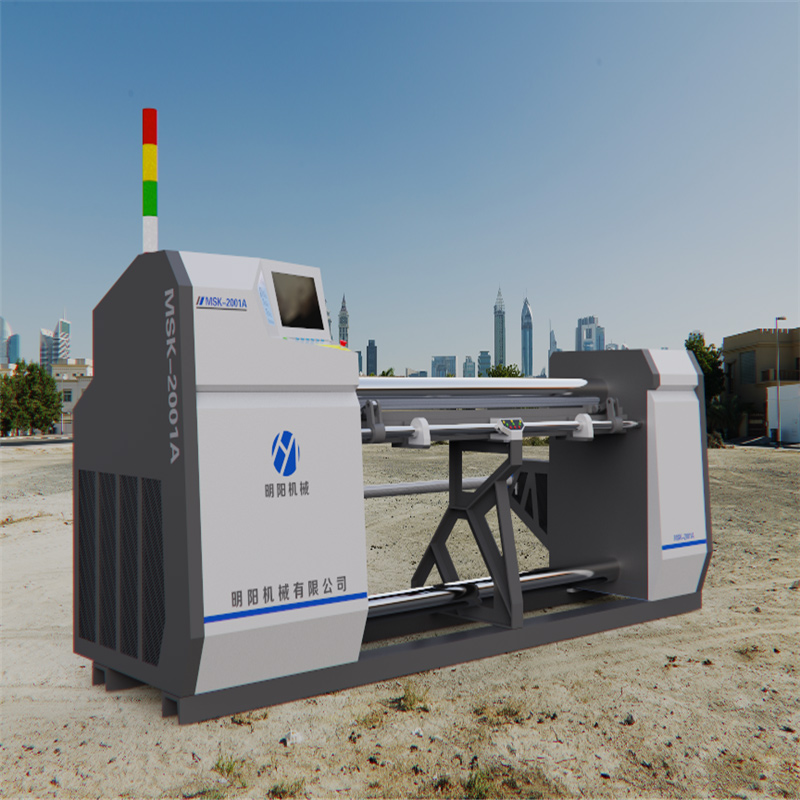
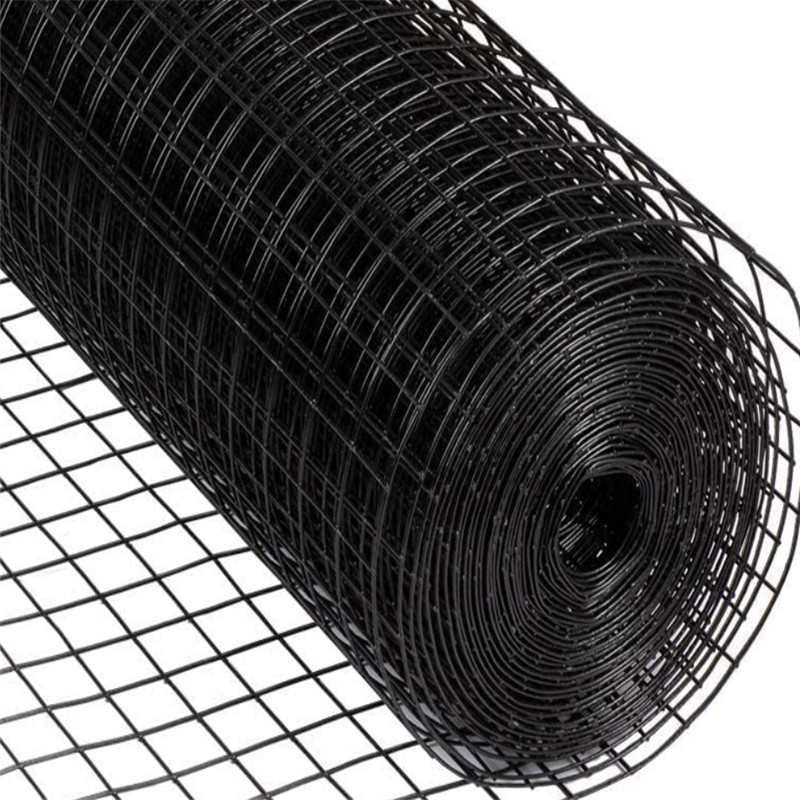
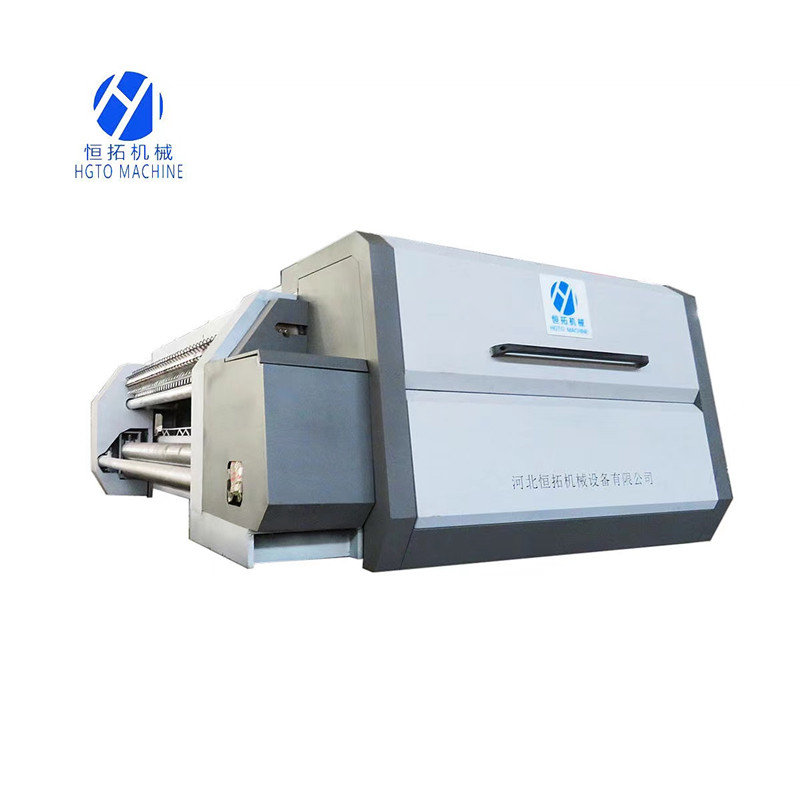
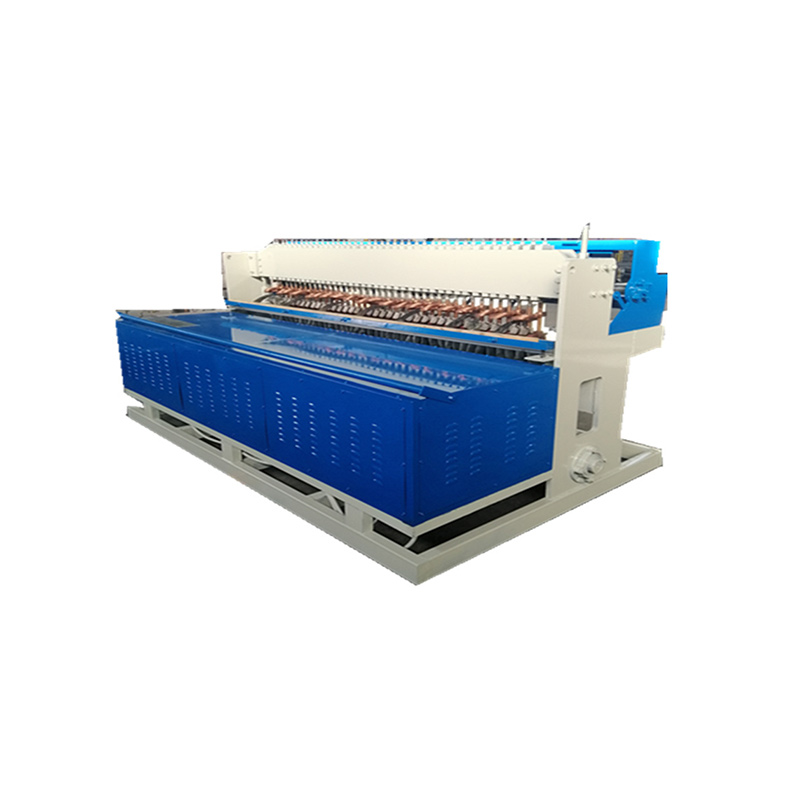
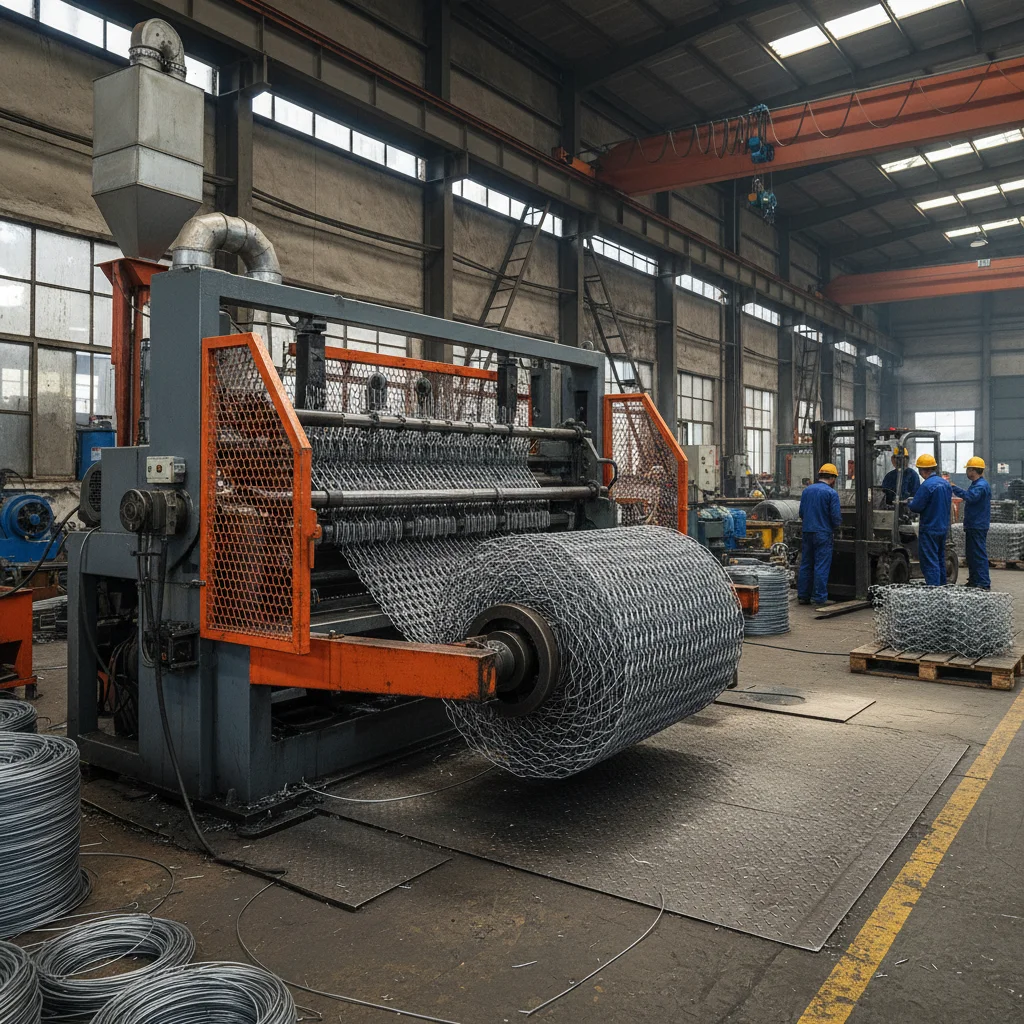
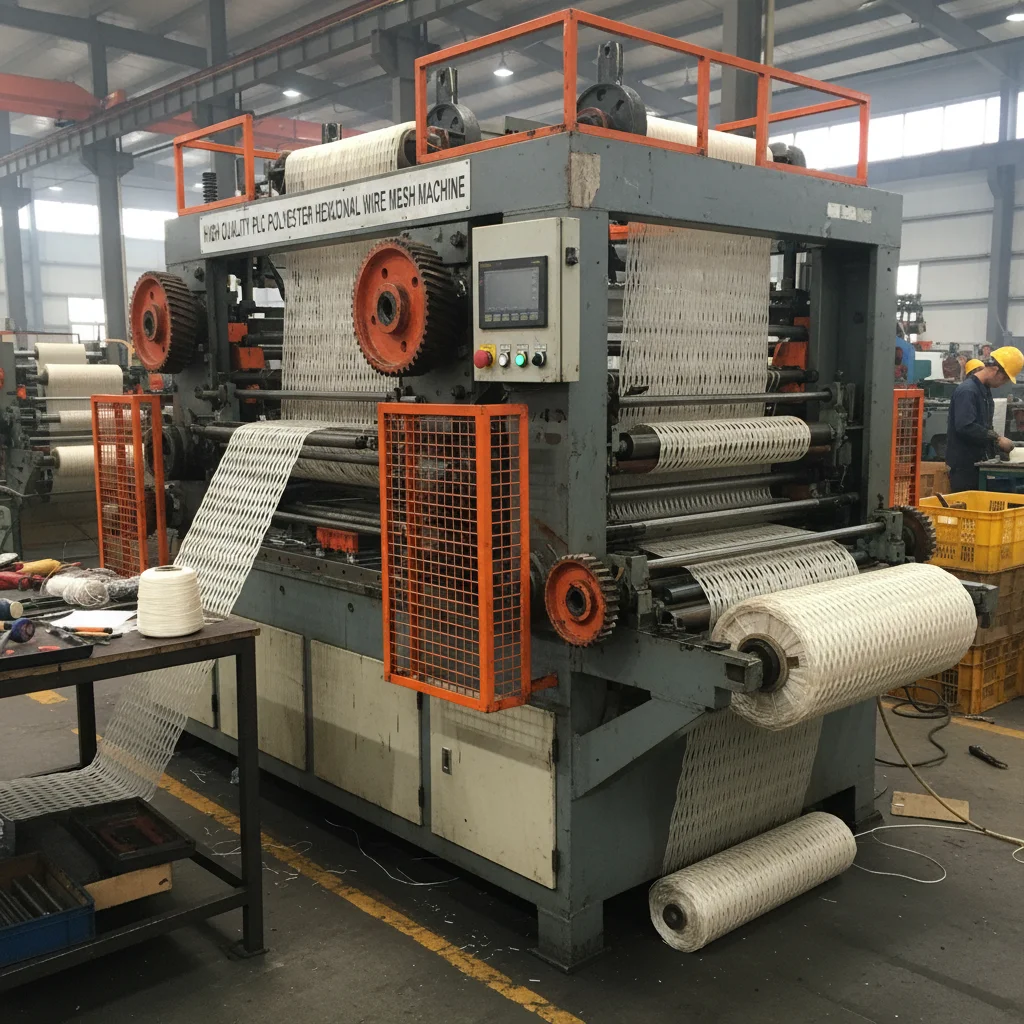
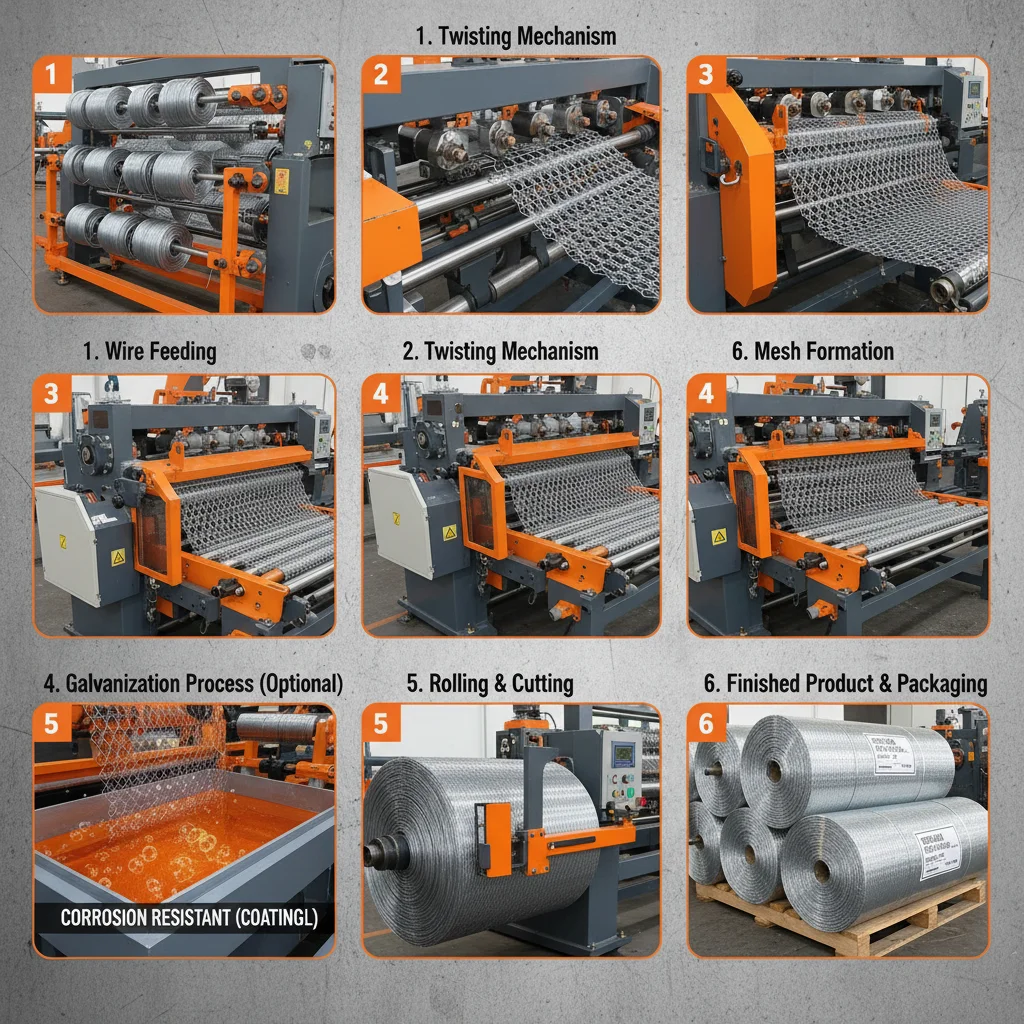
At heart, a water tank wire drawing machine is a piece of industrial equipment that reduces the diameter of metal wires—commonly steel—by pulling them through a series of dies or plates. This process strengthens the wire and shapes it ideally for mesh reinforcement in water tanks.
Its connection to humanitarian and industrial needs couldn’t be stronger. Modern wire drawing machines enable faster production of high-tensile wires that can withstand environmental stressors, from high humidity to heavy mechanical loads. That means water tanks last longer, are safer, and require less maintenance, all crucial in places ranging from remote farms to sprawling cities.
Mini takeaway:
- The machine transforms raw metals into tough, reliable wire used to reinforce water tanks worldwide.
- Strong wire directly impacts water security and infrastructure durability.
Core Components and What Makes a Good Water Tank Wire Drawing Machine
A quality water tank wire drawing machine is all about a blend of precision, durability, and efficiency. Let’s break down the essentials:
1. Durability and Material Compatibility
The machine should handle various metals—steel, galvanized iron—without compromising output quality. Real-world conditions mean wires must resist corrosion and fatigue, so the machine’s pulling and shaping mechanisms have to be tough yet gentle. Oddly enough, some engineers say wear-resistant coatings on drawing dies can literally be the difference between a stagnant order backlog and smooth production runs.
2. Scalability and Speed
Production volumes vary: some factories need tons of wire daily, others maybe just hundreds of kilos monthly. The best machines scale their speed accordingly while maintaining wire consistency. Faster wire drawing doesn’t have to mean lower quality when automation and control tech come into play.
3. Precision and Tolerances
To mesh correctly for tank walls, wire thickness and tensile strength must stay within tight tolerances. State-of-the-art machinery often includes computer-monitored controls to minimize variability. Without that, you risk weak points in the tank mesh that can lead to cracking or rust.
4. Energy Efficiency and Footprint
Energy costs drag manufacturing expenses up, especially in energy-intensive wire drawing. Machines designed around sustainability—like low-friction dies or regenerative braking systems—both save money and align with global ‘greener manufacturing’ trends.
5. Ease of Maintenance
If a machine constantly needs downtime or parts replacement, it ruins production flow. Vendors these days focus on modular parts and simple troubleshooting panels that can sharply reduce repair times.
Product Specification Table: Common Features of a Water Tank Wire Drawing Machine
| Specification |
Typical Range |
Notes |
| Wire Diameter Output | 0.5 mm to 6 mm | Adjustable per process needs |
| Production Speed | 20-60 m/min | Depends on wire thickness |
| Motor Power | 10-50 kW | Higher power for thicker wires |
| Die Material | Tungsten carbide/coated steel | Long life and wear resistance |
| Control System | PLC/Computerized | For precise tension/speed |
Mini takeaway:
The best machines balance strength, speed, and precision without gouging energy bills or reliability.
Where Are Water Tank Wire Drawing Machines Used Around the World?
The applications are broad but always focused on creating dependable wire for water tanks and mesh reinforcement. Here are some notable scenarios:
-
Agricultural Hubs: In countries like India and Brazil, vast rural areas rely on reinforced water tanks to manage irrigation reserves during dry spells. Wire drawing machines enable factories to supply quality wire mesh at scale.
-
Disaster Relief Zones: Post-disaster rebuilding efforts in places like the Philippines or Caribbean islands often need quick-deploy water storage. Reliable wire mesh creates tanks that can be swiftly set up and endure harsh tropical conditions.
-
Industrial Complexes: In places like Germany and China, manufacturing plants use wire-drawn tanks to store acids, oils, and more—requiring extra-strong wire to prevent leaks or contamination.
-
Remote Regions: Mining camps or remote construction sites in Australia and Canada rely on wire mesh tanks due to their portability and robust design.
Fun fact: A factory in Vietnam, after upgrading its water tank wire drawing machines, saw a 25% boost in output and managed to supply critical infrastructure projects faster than ever. Those wires literally kept villages hydrated during a drought season.
Why Invest in Quality? The Advantages and Long-Term Value
It’s more than just industrial jargon. Better wire drawing machines mean:
-
Cost Savings: Less wire scrap, lower maintenance, and faster production add up to real dollars saved.
-
Sustainability: Longer-lasting tanks reduce waste and the need for frequent replacements—a small but meaningful footprint reduction.
-
Social Impact: Reliable water storage means safer drinking water and improved hygiene, boosting community health and dignity.
-
Innovation and Trust: Companies investing in advanced machinery build reputations for quality, attracting clients and partners.
In real terms, it feels like giving communities a bit more peace of mind — knowing their water tanks won’t fail when they need them most.
Looking Ahead: Trends and Innovations in Wire Drawing for Water Tanks
This industry, surprisingly agile, is embracing several exciting shifts:
-
Green Energy in Production: Some manufacturers are combining wire drawing machines with solar power or energy recovery systems to cut carbon emissions.
-
Automation and AI: Smart sensors monitor wire tension and machine wear in real time, predicting maintenance needs before breakdowns.
-
New Materials: Research into composite wire alloys offers potential for enhanced corrosion resistance without added weight.
-
Digital Twin Models: Factories are simulating wire drawing workflows virtually to optimize processes before starting actual production.
These trends promise to make machines more efficient, eco-friendly, and adaptable — keeping pace with global water infrastructure needs.
Common Challenges & How Manufacturers Are Tackling Them
Like any tech, water tank wire drawing machines face hurdles:
-
Wear and Tear: Dies and parts erode with use, raising downtime. Solution? Advanced coatings and predictive replacement schedules help.
-
Energy Consumption: Wire drawing is power-hungry. New motor drives and regenerative braking limit this.
-
Variable Input Quality: Raw metal differs batch to batch, causing uneven wire. Reality check: suppliers use inline inspection and adjustable dies to handle this.
-
Scaling Production for Custom Jobs: Small batches need flexibility without excessive costs. Modular machine designs allow quick format shifts.
A little innovation plus solid engineering—this combo is what keeps the machines humming well past warranty periods.
Vendor Comparison: What to Look for When Choosing a Water Tank Wire Drawing Machine
| Feature |
Vendor A |
Vendor B |
Vendor C |
| Production Speed |
Up to 55 m/min |
45 m/min |
60 m/min |
| Energy Efficiency |
High (Regenerative drive) |
Medium |
Moderate |
| Automation Level |
Full PLC control |
Partial automation |
Manual controls |
| Maintenance Ease |
Modular parts, quick servicing |
Standard |
Complex |
| Price Range |
$$$ |
$$ |
$ |
Frequently Asked Questions About Water Tank Wire Drawing Machines
- Q: What metal types can water tank wire drawing machines process?
- A: Mostly steel and galvanized iron are used, but some machines handle alloys or stainless steel. Selection depends on the tank requirements for corrosion resistance and strength.
- Q: How often do drawing dies need replacement?
- Typically, wear depends on production volume and material hardness. High-quality carbide dies may last months of continuous use, but predictive maintenance setups can extend this.
- Q: Can these machines be integrated with automation systems?
- Yes! Modern wire drawing machines often come with PLCs or computer controls, allowing real-time monitoring and integration with factory automation for consistent output.
- Q: How does wire quality affect water tank durability?
- The uniform thickness and tensile strength of wire ensure mesh stability under stress; poor-quality wire leads to early rusting or breakage, compromising tank integrity.
- Q: Is it possible to customize wire diameters for special projects?
- Absolutely. Most machines offer adjustable dies and tension settings catering to specific diameter requirements, supporting custom tank designs or mesh types.
Conclusion: Why the Water Tank Wire Drawing Machine Is an Unsung Hero
From enhancing water security in drought-prone regions to supporting sprawling industrial projects, the water tank wire drawing machine quietly strengthens infrastructure all over the planet. Investing in modern, efficient machines means safer communities, sustainable practices, and innovation driving the future of water storage.
If you want to learn more or explore options around this indispensable technology, consider visiting our site:
water tank wire drawing machine. You might just stumble upon the perfect fit for your next project.
---
References
- UN World Water Development Report 2023
- World Bank Infrastructure & Water Supply Data
- Wire Drawing - Wikipedia