Mesh Panels for Sale: A Modern Essential for Industry and Infrastructure
In today’s fast-paced world, where infrastructure must be both reliable and adaptable, mesh panels for sale have quietly become a foundational component across various sectors. From construction to security, and even humanitarian aid, these versatile products address real problems—like durability, scalability, and quick deployment—that many industries face worldwide. Understanding how mesh panels work and why they matter globally opens up possibilities for smarter design and more sustainable projects.
Introduction: Why Mesh Panels Matter Globally
Globally, the demand for dependable building materials grows alongside urbanization and economic development. According to the United Nations, more than 55% of the world’s population now lives in urban areas, a figure that’s rising steadily. This rapid growth poses challenges to infrastructure’s ability to keep pace without compromising safety or environmental concerns.
Mesh panels—for sale from various manufacturers—play a key role in meeting these challenges. Whether it’s for reinforcing concrete structures, providing protective fencing, or creating temporary barriers, mesh panels combine cost efficiency with practical strength. For example, ISO standards on construction materials increasingly emphasize products that can withstand extreme weather or seismic activity; mesh panels often fit these criteria well.
Yet, challenges remain: How can we source mesh panels that balance cost with quality? Are they sustainable enough for long-term use? And do they support fast, flexible deployment when emergencies occur? These questions underscore the increasingly important role mesh panels play worldwide.
What Exactly Are Mesh Panels?
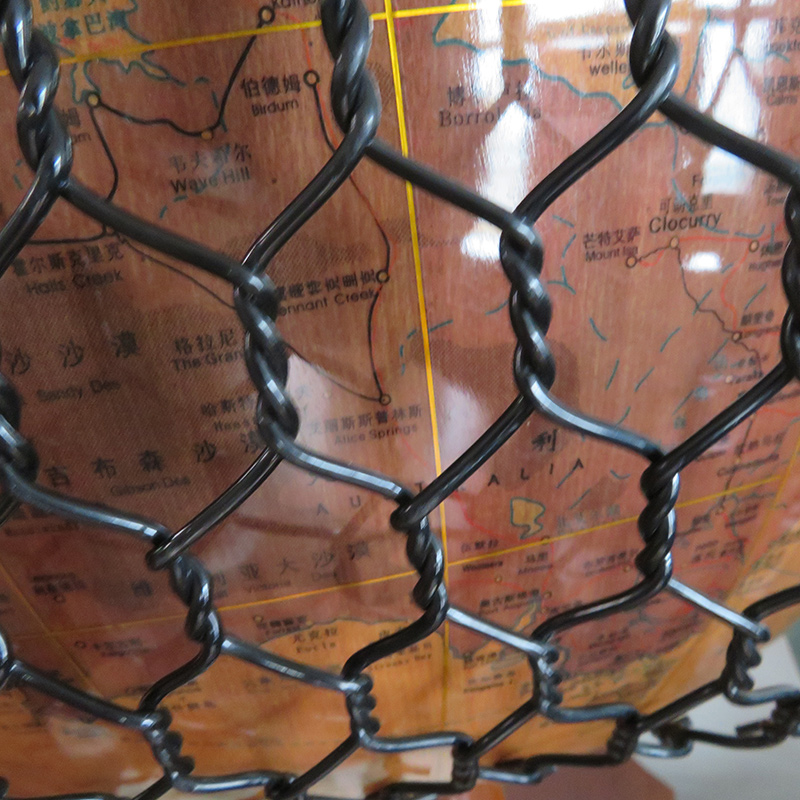
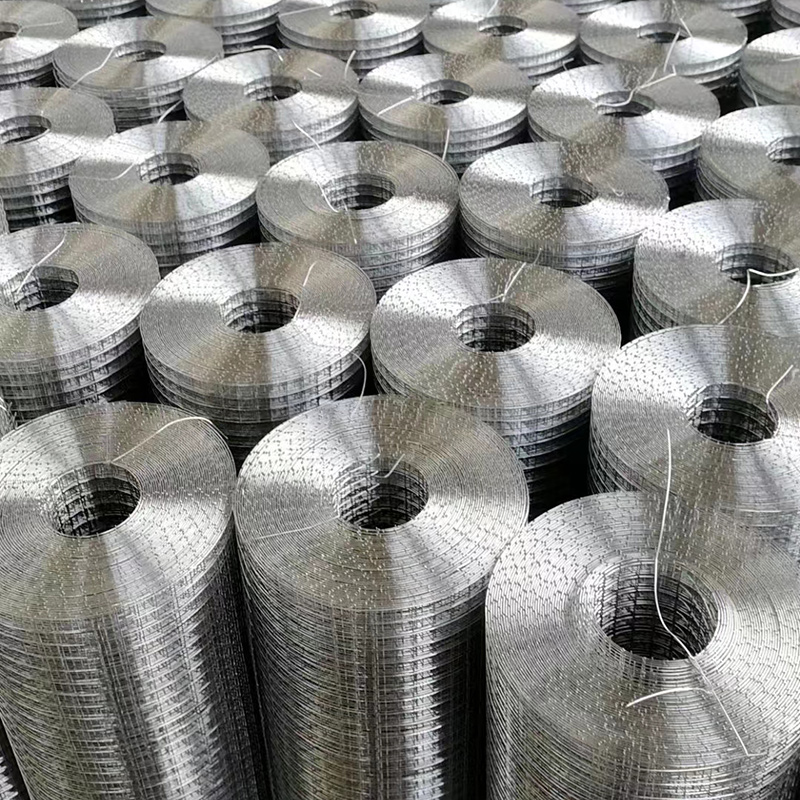
At their core, mesh panels are grid-like sheets made of metal, plastic, or composite fibers. These sheets have evenly spaced openings that allow air, light, or fluids to pass through, while providing structural integrity or security. The panels come welded, woven, or expanded, depending on the required strength and application.
In modern industry, mesh panels show up everywhere—from construction sites to manufacturing floors. They provide fencing around hazardous zones, cages for industrial equipment, and even architectural features on building facades. In humanitarian contexts, they can form components of temporary shelters or secure storage units, helping crisis-affected populations rebuild with dignity.
Key Factors When Choosing Mesh Panels for Sale
Durability
Typically, mesh panels are made of galvanized steel or stainless steel, which makes them resistant to rust, corrosion, and physical wear. This is critical for outdoor use in challenging environments like coastal areas or industrial plants where chemicals may be present.
Scalability & Size Variations
You can find mesh panels in various dimensions and thicknesses, allowing configurations from small partitions to large fence perimeters. This makes them scalable for different project sizes —whether a single cargo area or a multi-acre security fence.
Cost Efficiency
The production process for mesh panels is relatively straightforward, especially welded wire mesh, which keeps costs lower without sacrificing strength. Moreover, their lightweight nature reduces transport expenses, a nice plus if you need a bulk order.
Installation Flexibility
One of the great things about mesh panels is how easily they can be installed or dismantled. No fancy equipment is usually required, just bolts or clips. This means quick deployment and reconfiguration are often possible, especially handy in temporary or emergency structures.
Customization Options
Panels come in assorted weave patterns, materials, and coatings to adapt to specific needs such as anti-climb fences, high-security barriers, or decorative meshes. Some suppliers even offer bespoke panels tailored to irregular shapes or heavy-duty applications.
Environmental Considerations
Today, suppliers increasingly offer eco-friendly options using recyclable metals or sustainable post-production processes, aligning mesh panels with ‘green building’ goals.
Typical Product Specifications for Popular Mesh Panels
| Specification |
Welded Wire Mesh |
Expanded Metal Mesh |
Woven Wire Mesh |
| Material |
Galvanized steel |
Stainless steel |
Steel or stainless |
| Mesh Opening (mm) |
12.7 x 12.7 |
Varies (5-50) |
1 - 50 (fine to coarse) |
| Thickness (mm) |
1.5 - 3 |
0.5 - 3 |
0.8 - 2.5 |
| Typical Use |
Security fencing, concrete reinforcement |
Ventilation, walkways, guards |
Filtration, sieves, precision fencing |
Worldwide Applications and Examples
Across continents, mesh panels find use in surprisingly diverse contexts:
- Construction in Asia: Reinforcement for concrete slabs and scaffolding safety nets.
- Security fencing in Europe and North America: Protecting public spaces, airports, and industrial facilities.
- Humanitarian relief zones in Africa: Temporary shelters and animal pens during aid distributions.
- Mining and industrial sectors in Australia: Safety guards around equipment and walkways.
For instance, I once worked with an aid organization that deployed millions of mesh panels after a cyclone. These panels were repurposed as fencing for water distribution points, which helped manage crowds safely and improved sanitation conditions.
Vendor Comparison of Leading Mesh Panel Suppliers
| Feature |
Supplier A |
Supplier B |
Supplier C |
| Material Options |
Galvanized steel, stainless |
Mostly galvanized |
Expanded metals, steel/alloys |
| Customization |
High (sizes, coatings) |
Medium (patterns) |
Low (stock items) |
| Lead Time |
2-4 weeks |
1-3 weeks |
1 week |
| Price Range |
$$$ (premium) |
$$ (mid) |
$ (budget) |
| Sustainability |
Recycled metals & eco-friendly coating |
Standard galvanized |
Limited sustainability focus |
Advantages and Long-Term Value of Mesh Panels
The benefits go beyond just the numbers on a spec sheet. Obviously, mesh panels are cost-effective and durable, but they also provide peace of mind. They reduce theft risks around sites and help maintain workplace safety. And frankly, the quick install means projects keep moving, which clients love.
There’s also a sustainability angle: many modern panels are recyclable, and their lightweight nature means less fuel used to transport. On a social level, communities gain security and dignity when their spaces are properly enclosed without being oppressive—remember, mesh allows air and light through!
Emerging Trends and Innovations in Mesh Panels for Sale
Looking forward, the market is buzzing with innovations:
- Smart coatings: Panels embedded with corrosion inhibitors or self-cleaning surfaces.
- Eco-materials: Use of recycled metals and biodegradable composite meshes.
- Automation: Laser-cut precision meshes that fit complex custom designs.
- Green building integration: Incorporation into living walls or solar panel mounts.
These trends match global pushes for energy efficiency and digital transformation in construction (ISO 19650 BIM standards apply here).
Challenges and Expert Solutions
It’s not perfect, of course. Problems with mesh panels can include difficulty sourcing high-quality materials in remote regions or issues with corrosion in highly acidic or saline environments. Also, cheap panels might lack the structural integrity needed for certain applications.
Experts suggest thorough vetting of supplier certifications and onsite testing to mitigate risks. New surface treatments and alloy blends are proving promising to overcome corrosion problems. Plus, partnering with reputable manufacturers provides warranties that shield customers from hidden flaws.
FAQ: Practical Questions About Mesh Panels for Sale
- What types of mesh panels are best for outdoor security fencing?
- Galvanized steel welded wire mesh panels with a small opening (around 12.7 mm) are often preferred due to their strength and rust resistance. Adding a powder coating further extends lifespan. Make sure panels conform to security fencing standards (like ASTM F2781).
- How quickly can mesh panels be installed on large sites?
- Installation speed varies, but many projects complete fencing in days rather than weeks thanks to standardized panel sizes and plug-and-play mounting systems. Training a few workers is usually enough to handle installation efficiently.
- Are mesh panels environmentally friendly?
- Yes, particularly those made from recycled steel and coated with eco-friendly finishes. The panels are fully recyclable at end-of-life, making them a smart choice for sustainable projects.
- Can mesh panels withstand extreme weather conditions?
- High-quality mesh panels, especially stainless steel types, perform well in harsh environments including heavy winds, storms, or salty air. However, selection should depend on regional climate and chemical exposure to ensure durability.
Conclusion: Why You Should Consider Mesh Panels for Sale
So, when you look at it all, mesh panels stand out as versatile, reliable, and increasingly sophisticated materials essential for today’s industrial, security, and humanitarian needs. Their adaptability, combined with innovations in sustainability and customization, means they’ll keep playing a vital role across continents.
If you’re interested in sourcing quality mesh panels, check out mesh panels for sale. Whether it’s a small project or a large-scale industrial installation, there’s almost certainly a panel solution ready for your needs.
Thanks for following along — it feels like mesh panels may not be glamorous, but they’re quietly powerful, you know? Sort of like the unsung heroes of modern infrastructure.
References
- United Nations Urbanization Data
- ISO Standards for Sustainable Construction
- Welded Wire Fabric - Wikipedia