Understanding the Various Types of BRC Mesh
If you’ve ever driven by a construction site or seen roadside barriers, chances are you've caught a glimpse of BRC mesh, that sturdy, grid-like steel reinforcement that quietly plays a starring role in countless infrastructure projects worldwide. But honestly, what exactly are the types of BRC mesh, and why does understanding them matter, not just for civil engineers, but for anyone interested in sustainable and resilient construction?
Globally, BRC (British Reinforced Concrete) mesh is one of those backbone materials that keeps buildings, roads, and bridges safe and enduring. It’s more than just steel rods woven together; it’s a carefully designed solution that balances strength, flexibility, and cost-effectiveness. Knowing its types and their applications can help improve construction quality, reduce waste, and promote safer architecture — benefits that ripple across economies and communities.
Setting the Stage: Why BRC Mesh Matters Globally
According to the World Bank, infrastructure investment is expected to rise continuously to meet booming urban populations and post-disaster rebuilding efforts, especially in Asia and Africa. This means the demand for reliable materials, like reinforced steel mesh, is climbing sharply. But the challenge remains: how do we ensure timely, durable construction that’s also cost-efficient and adaptable to different environments? This is where the types of BRC mesh come in — offering tailored options to meet diverse needs.
Oddly enough, despite the global integration of construction supply chains, there’s still confusion about what constitutes the right BRC mesh for a project. And frankly, making that choice without solid knowledge can lead to over-specification, project delays, or safety concerns.
What Exactly Is BRC Mesh?
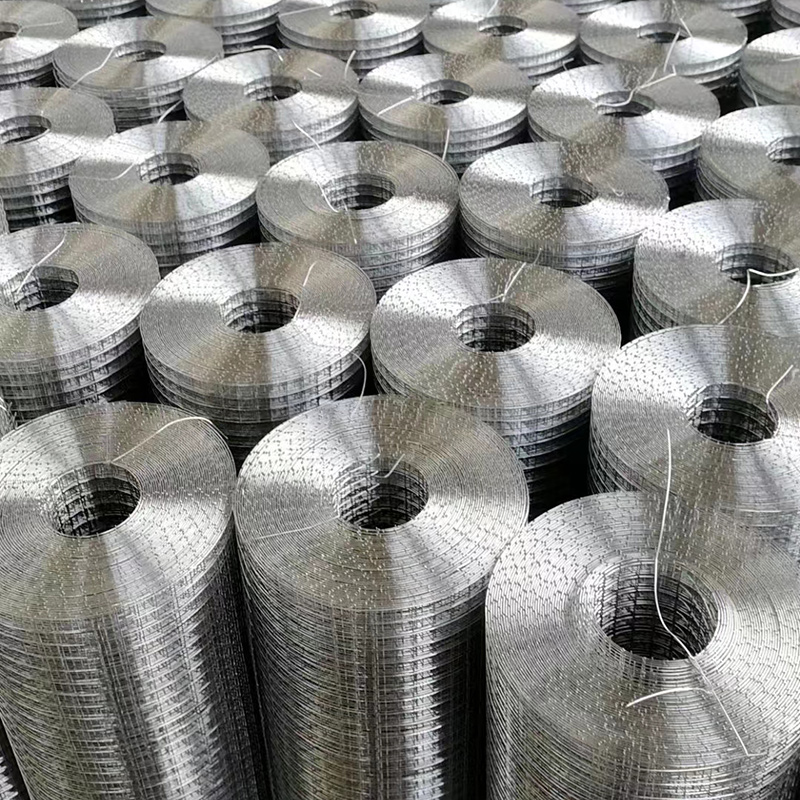
In simple terms, BRC mesh is a prefabricated welded wire reinforcement used within concrete slabs and walls. Created mainly of low carbon steel, the mesh features longitudinal and transverse wires welded at intersections, forming a rigid grid-like fabric. These steel grids improve concrete’s tensile strength, prevent cracking, and distribute loads more evenly.
Its importance in modern industry goes beyond just buildings — it’s a crucial element in bridges, industrial warehouses, and even humanitarian relief projects where rapid but durable shelter is required.
Core Components That Define Types of BRC Mesh
There are several key factors to consider, each shaping a different type of BRC mesh.
- Wire Diameter: Typically ranges from 6 mm to 12 mm. Thicker wires provide higher strength but cost more. The right choice depends on structural demands.
- Mesh Size: The spacing between wires, often 50x50 mm or 100x100 mm. Different sizes offer varied load distribution and flexibility in concrete reinforcement.
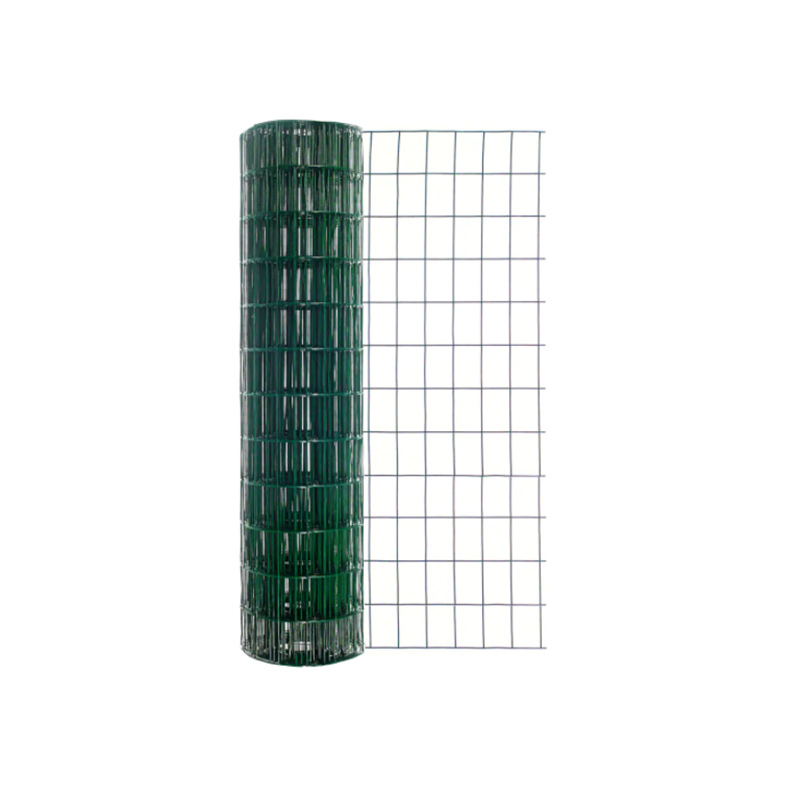
- Coatings & Treatments: Some meshes come galvanized or PVC-coated for corrosion resistance, essential in humid or coastal environments.
- Panel Size: Common panel dimensions are 2.4 x 3.6 meters, but custom sizes are available for specific applications.
- Welding Quality: Automated welding versus manual welding can impact the mesh’s strength consistency.
Table 1: Typical BRC Mesh Specifications
| Specification |
Common Range |
Purpose |
| Wire Diameter |
6 - 12 mm |
Load-bearing reinforcement |
| Mesh Size |
50x50 mm to 100x100 mm |
Crack control and load distribution |
| Material Coating |
Galvanized / PVC Coated / Plain |
Corrosion resistance |
| Panel Size |
2.4 x 3.6 meters (typical) |
Ease of handling and installation |
Mini takeaway: The “types of BRC mesh” revolve mainly around variation in wire thickness, mesh pattern, coating, and panel size — all chosen based on the specific demands of the concrete structure to be reinforced.
How Different Types of BRC Mesh Are Used Worldwide
In real terms, the versatility of BRC mesh’s types enables its application across vastly different regions and industries. For instance:
- Urban Infrastructure in Europe: Heavier gauge mesh with galvanized coatings is standard due to harsher weather and strict building codes.
- Post-Disaster Reconstruction in Southeast Asia: Lightweight and quick-to-install mesh panels gain popularity for fast temporary shelters.
- Industrial Flooring in America: Custom mesh sizes to accommodate high-impact machinery and loading.
You can even find NGOs leveraging specific coated meshes for corrosion resistance in humid tropical zones — a smart way to extend the life of concrete shelters. For a broader idea, see our guide on types of brc mesh for varied utility.
Table 2: Vendor Comparison of Common BRC Mesh Types
| Vendor |
Wire Diameter Range |
Coating Options |
Typical Panel Size |
Price Level |
| SteelMesh Solutions |
6 - 10 mm |
Plain, Galvanized |
2.4 x 3.6 m |
$$ |
| EcoReinforce Ltd. |
8 - 12 mm |
PVC coated, Galvanized |
2.4 x 3.0 m |
$$$ |
| GlobalMesh Corp |
5.5 - 9 mm |
Plain only |
1.8 x 3.6 m |
$ |
Why Invest in the Right BRC Mesh? Advantages & Longevity
Frankly, the right type of BRC mesh isn’t just about structure — it’s about trust. From a builder’s standpoint, it’s easier to reassure clients and inspectors when using mesh tailored for particular stress loads and environmental conditions. From a user’s perspective, that means greater safety and comfort.
Long-term, these meshes contribute to sustainability by reducing the need for repairs and extension work—saving resources. Corrosion-resistant coatings especially matter; coastal regions face saltwater exposure that can terribly shorten the lifespan of unprotected steel.
Emotionally, there’s a dignity in knowing that infrastructure built with care won’t unexpectedly fail or collapse. Innovation in mesh varieties also lets engineers push the boundaries of design, creating lighter, stronger, or faster-assembled structures.
Looking Ahead: Future Trends in BRC Mesh Technology
Several exciting innovations promise to reshape the uses of BRC mesh.
- Green Materials: Hybrid meshes combining steel with recycled fibers to reduce carbon footprint.
- Digital Integration: QR-coded panels for traceability and quality control in large projects.
- Automation: Better welding and cutting tech that customizes mesh dimensions onsite.
- Smart Coatings: Self-healing corrosion barriers that extend structure life by decades.
As sustainable construction grows imperative, these innovations make selecting the right mesh type not just technical but visionary.
Overcoming Challenges in BRC Mesh Use
The main hurdles include inconsistent quality from suppliers, improper installation, and corrosion issues. However, many manufacturers now adhere to ISO standards for steel reinforcement (see ISO 17660-1 and ISO 17660-2 guidelines), which helps maintain consistent quality.
Additionally, on-site training and digital monitoring systems reduce installation errors. For corrosion, selecting galvanized or PVC-coated mesh trusted by experts is essential — a detail that can’t be overlooked.
FAQ: Your Common Questions About Types of BRC Mesh
- Q: What are the key differences between galvanized and PVC-coated BRC mesh?
- Galvanized mesh has a zinc coating that protects against rust but can wear over time especially in aggressive environments. PVC coating adds a plastic layer offering better corrosion resistance and longer-lasting protection, especially in coastal or chemically harsh settings.
- Q: How do I choose the appropriate mesh size for my project?
- It depends on load requirements and concrete thickness. Smaller mesh sizes (50x50 mm) help control cracking in thin slabs, while larger spacing (100x100 mm) suits thicker structures and heavy load-bearing walls. Consulting structural specs is vital.
- Q: Can BRC mesh be customized for unique construction needs?
- Yes, many suppliers offer custom panel sizes, wire thicknesses, and coatings. Quick-turnaround professional customization supports unusual architectural designs or specific industrial applications.
- Q: Is there a significant cost difference between plain and coated meshes?
- Plain mesh is generally cheaper but may lead to increased long-term maintenance costs due to corrosion. Coated meshes cost more upfront but provide better durability and life-cycle savings.
- Q: Where can I learn more about different types of BRC mesh?
- Comprehensive resources and vendor catalogs are available online at trusted manufacturers and industry portals such as types of brc mesh.
Wrapping Up: Why Knowing Your BRC Mesh Types Pays Off
Tackling the types of BRC mesh might seem like a minor detail, but in construction, these details build the foundation of safety, quality, and sustainability. When you understand what options exist and why they matter, you’re better equipped to meet challenges head-on — whether in urban skyscrapers, disaster relief, or remote infrastructure projects.
So if you’re involved in construction or design, I encourage you to dig a little deeper into the mesh specifications and options. It’s one of those small investments that can pay dividends in durability and peace of mind.
For a thorough dive and supplier options, do visit https://www.htmeshmachines.com, where the latest on types of brc mesh awaits.
After all, in construction, as in life, the strength is often in the mesh — or so I’ve come to learn.
References:
- ISO 17660-1 and ISO 17660-2: Steel reinforcement welding standards, International Organization for Standardization.
- World Bank Infrastructure Report, 2023 — Projected investment and material needs.
- Wikipedia: Geosynthetic Reinforcement & Construction Materials