Exploring the Types of Chicken Wire Mesh: What You Need to Know
We hardly think twice about chicken wire mesh, yet it quietly plays a huge role in agriculture, construction, and even humanitarian efforts worldwide. Understanding types of chicken wire mesh not only helps farmers contain poultry safely but also aids industries and communities in creating sustainable, cost-effective barriers and enclosures. From rural farms in India to urban projects in Europe, this humble mesh is everywhere.
Introduction: Global Context and Why It Matters
Interestingly, the global poultry industry—valued at over $300 billion according to recent figures by the Food and Agriculture Organization (FAO)—relies heavily on protective structures like chicken wire mesh. As urbanization expands and food security concerns rise, effective containment methods are crucial. Oddly enough, many regions face challenges such as livestock theft, predator attacks, and disease control that can be partially mitigated through proper fencing and enclosures made from chicken wire mesh.
Environmental sustainability is increasingly important too. Chicken wire, often crafted from galvanized steel, offers longevity while minimizing waste. This aligns with ISO standards on sustainable agricultural materials, further cementing its global relevance.
Mini takeaway: The types of chicken wire mesh aren’t just farm implements; they are vital to global food security, safety, and sustainability efforts.
What Exactly Are Types of Chicken Wire Mesh?
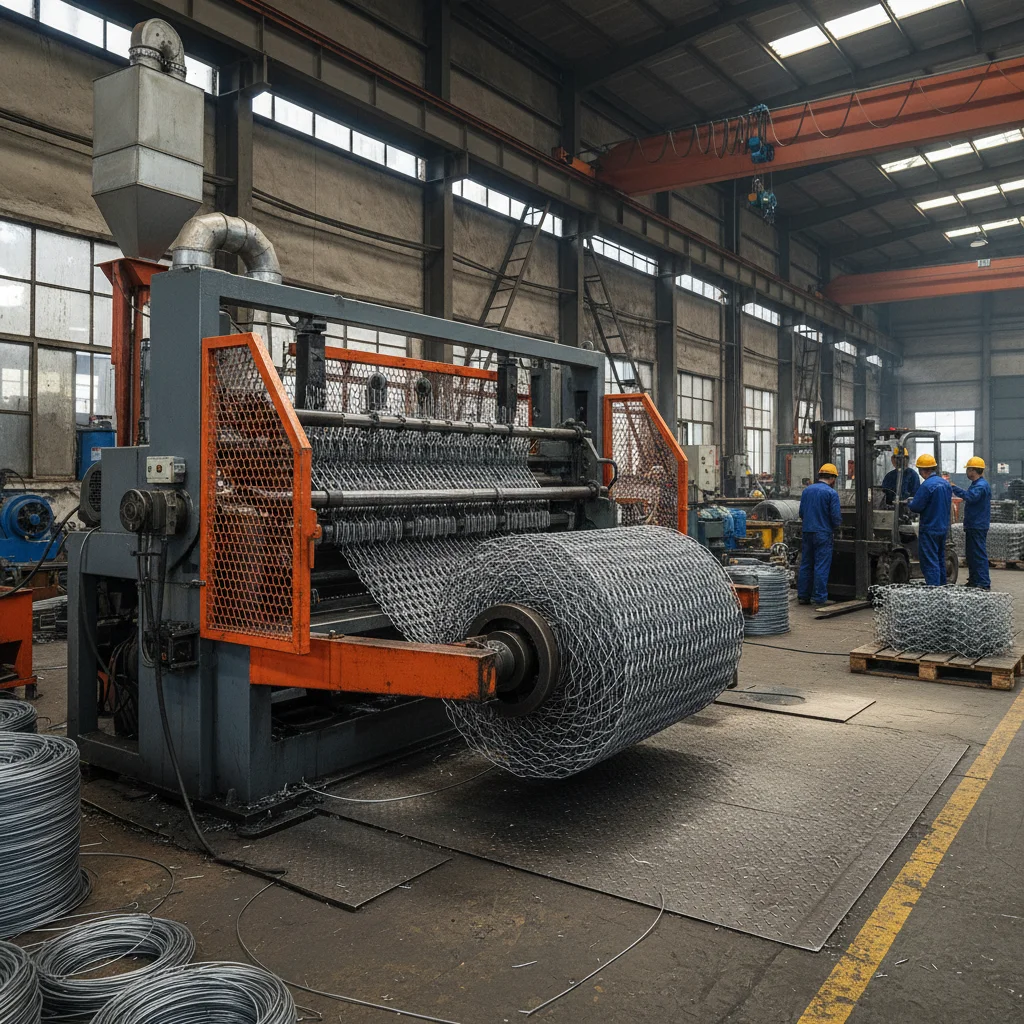
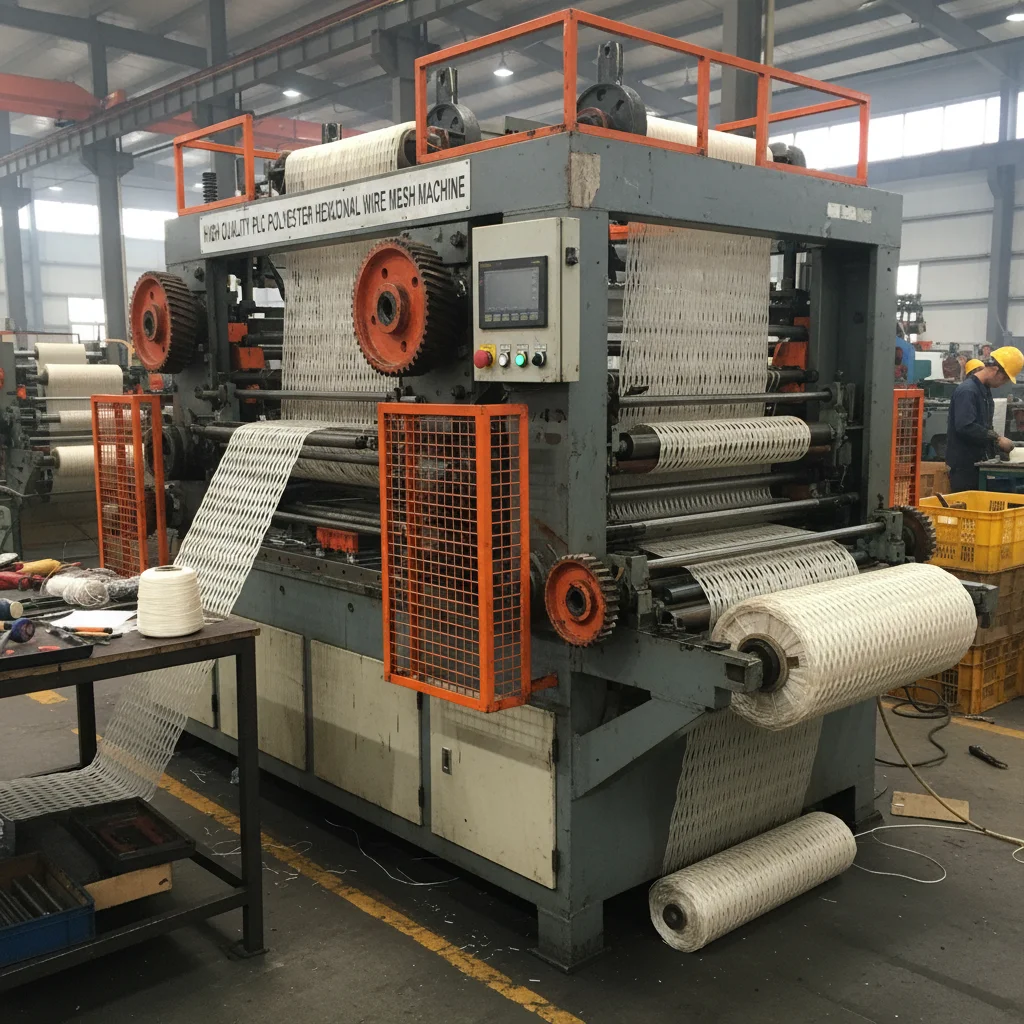
Simply put, chicken wire mesh refers to a woven wire fencing material, usually hexagonal, designed primarily to keep poultry confined. Yet, it comes in various forms distinguished by wire gauge, mesh size, and coating. The term encompasses all these variations, each tailored to different environmental and usage demands.
Beyond farming, chicken wire meshes intersect with modern industries such as construction (for plaster reinforcement), landscaping, and even humanitarian shelter solutions. Modern humanitarian aid agencies find utility in this material for creating rapid protective enclosures in shelters or livestock pens during disaster relief operations.
Core Components and Key Factors Behind Chicken Wire Mesh
Durability
One of the biggest criteria when choosing chicken wire mesh is durability. Most meshes are galvanized or PVC coated to prevent rust and extend lifespan, especially in wet or corrosive environments. For example, 19 gauge galvanized wire will resist wear better than thinner, uncoated wire.
Mesh Size
Mesh size affects what animals can be contained or kept out. Standard chicken mesh has 1" to 2" hexagonal openings; smaller mesh sizes are used for delicate chicks or to keep out small pests. Select mesh size thoughtfully based on your specific containment needs.
Wire Gauge
Wire gauge—basically thickness—varies typically between 19 and 23 gauge in chicken wire. Thicker wires offer robustness but add weight and cost. In high-stress environments, a lower gauge (thicker wire) is advisable.
Coating Type
Galvanized coatings resist rust but may degrade over decades. PVC coatings offer extra protection and sometimes come in colors for landscape aesthetics or camouflage.
Flexibility and Ease of Installation
Chicken wire mesh’s hexagonal pattern gives it flexibility, allowing for easy shaping around structures or uneven terrain. This pliability is a practical advantage for both small-scale farms and large construction sites.
Mini takeaway: Different types of chicken wire mesh offer varying balances of durability, protection, and ease of use — choosing the right specs is key to long-term success.
Product Specification Table for Common Chicken Wire Mesh Types
| Specification |
19 Gauge Galvanized |
21 Gauge PVC Coated |
23 Gauge Galvanized |
| Wire Diameter |
1.07 mm |
0.91 mm |
0.64 mm |
| Mesh Opening Size |
1" Hexagon |
1" Hexagon |
0.75" Hexagon |
| Coating |
Hot-Dip Galvanized |
PVC Coated (Green) |
Electro-Galvanized |
| Typical Roll Dimensions |
3ft x 50ft |
3ft x 100ft |
2ft x 50ft |
| Common Uses |
General Poultry Fencing |
Landscaping, Aesthetic Fencing |
Small Animal Enclosures |
Comparing Leading Chicken Wire Mesh Vendors
| Vendor |
Price Range (per roll) |
Coating Types |
Customization Options |
Delivery Regions |
| HT Mesh Co. |
$40 - $70 |
Galvanized, PVC |
Wire gauge, length |
Global (see options) |
| AgriFencing Ltd. |
$30 - $60 |
Galvanized only |
Mesh opening size |
North America, Europe |
| EcoWire Industrial |
$50 - $80 |
Recycled PVC coated |
Full customization |
Europe, Asia |
Global Applications & Use Cases
Chicken wire mesh finds purpose beyond farms, impacting diverse areas:
- Agriculture: Beyond poultry fencing, it protects gardens and orchards from rodents and birds across Africa and Asia.
- Construction: Used for plaster reinforcement or barrier fencing in European urban projects.
- Disaster Relief: Agencies like the Red Cross utilize it for quickly setting up secure animal pens in post-disaster zones.
- Civil Engineering: Mesh embedded into concrete to reduce cracking, commonly used in North America.
- DIY and Landscaping: Homeowners worldwide use colored and PVC-coated mesh for aesthetic enclosures rather than bare galvanized steel.
For those interested in deeper dives, you might find the section on types of chicken wire mesh quite informative as it covers tailored products for specific industries.
Mini takeaway: Chicken wire mesh is a versatile material, serving industries from farming to emergency shelters worldwide.
Advantages & Long-Term Value
When you think about it, chicken wire mesh combines cost efficiency with sustainability and social impact in a neat bundle.
- Cost Efficiency: Long-lasting galvanized coating means fewer replacements, saving money long-term.
- Sustainability: Many producers now offer recycled or environmentally friendly coatings, reducing ecological footprints.
- Safety & Dignity: Securing livestock protects livelihoods, food sources, and in some cases, community dignity and health.
- Reliability: Tested globally, this fencing material is trusted by farmers and engineers alike.
Emotionally, investing in sturdy chicken wire mesh feels like investing in a community's future — tangible and resilient.
Future Trends & Innovations
The mesh industry isn’t static. Emerging trends include:
- Smart Coatings: Anti-microbial and weather-adaptive coatings to extend lifespan.
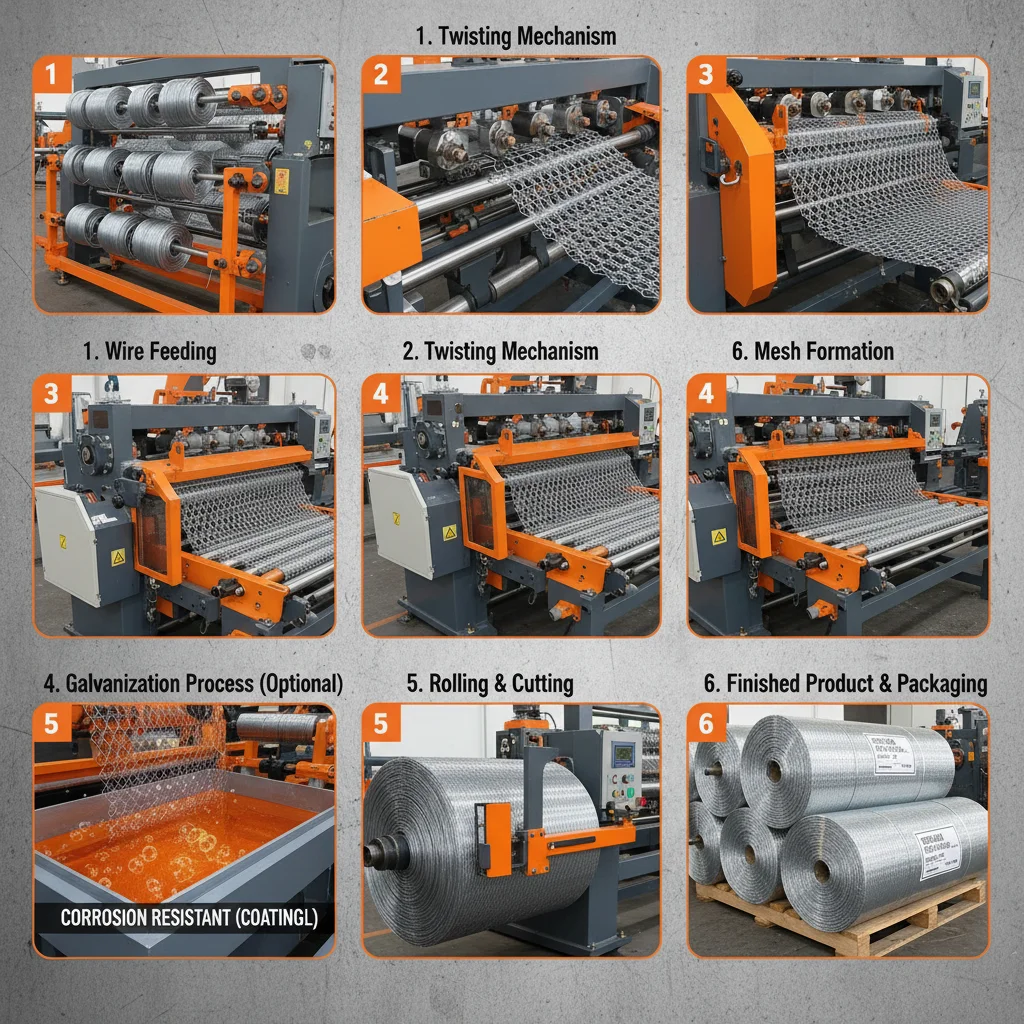
- Automation in Production: Improving consistency and reducing costs via robotics.
- Eco-conscious Materials: Biodegradable composites or recycled polymers for coatings.
- Digital Integration: Traceability and QR-coded batches complying with ISO quality standards.
Such advances suggest that types of chicken wire mesh will soon be as much a part of smart agriculture as drones or sensors — oddly enough!
Challenges & Solutions
Despite its virtues, chicken wire mesh faces hurdles:
- Corrosion Risks: Particularly in coastal and humid zones, galvanized coatings can degrade faster.
- Strength Limitations: For predators like foxes or raccoons, standard mesh might not suffice.
- Environmental Concerns: Disposal of PVC coatings can conflict with green goals.
Experts recommend:
- Using thicker gauge wires or welded wire mesh for enhanced protection.
- Opting for newer, eco-friendly coatings or periodic maintenance schedules.
- Combining wire mesh with other barriers or electric fencing where necessary.
FAQ: Frequently Asked Questions About Types of Chicken Wire Mesh
Q: Which type of chicken wire mesh is best for wet climates?
A: Hot-dip galvanized wire with PVC coating offers the best corrosion resistance in humid or rainy areas. It prevents rust and prolongs mesh life effectively.
Q: Can chicken wire mesh keep out all predators?
A: Not always. While standard chicken wire is great for smaller animals, larger or more aggressive predators may require welded wire or thicker gauge mesh combined with other barriers.
Q: Are PVC-coated meshes more expensive?
A: Yes, typically about 10-20% pricier due to added protection and aesthetic appeal, but the longer lifespan often offsets initial costs.
Q: Can I customize mesh size and coating when ordering?
A: Many vendors, including HT Mesh Co., offer customization of wire gauge, mesh opening, coating type, and roll length to suit your needs.
Q: Is chicken wire mesh recyclable?
A: Galvanized steel wire mesh is recyclable; PVC coatings complicate recycling but eco-conscious options are emerging to address this challenge.
Conclusion: Why Understanding Types of Chicken Wire Mesh Matters
Types of chicken wire mesh represent more than just fencing; they are woven into global efforts spanning agriculture, construction, environmental sustainability, and humanitarian aid. By choosing the right type—balancing durability, cost, and application—you invest in safety, innovation, and communities worldwide.
Interested in exploring the best chicken wire mesh options? Visit our website at https://www.htmeshmachines.com for detailed products and services designed around your exact needs.
Ultimately, this mesh does a quiet, powerful job — and knowing your options is where it all begins.
Reflecting on this, the humble chicken wire is a real-world hero in so many fields, often overlooked yet indispensable.
- FAO Corporate Document Repository, http://www.fao.org/documents/en/
- ISO Standards for Agricultural Materials, https://www.iso.org/standards.html
- Wikipedia contributors, "Chicken wire," Wikipedia, The Free Encyclopedia, https://en.wikipedia.org/wiki/Chicken_wire