Exploring the Types of Metal Mesh: Why They Matter Globally
Metal mesh might sound like a simple industrial component, but its impact stretches surprisingly wide — from construction sites in bustling cities to humanitarian relief zones in distant corners of the world. Understanding the types of metal mesh isn’t just for engineers or procurement specialists; it’s a key that unlocks better safety, sustainability, and innovation across diverse sectors. In short, knowing these types helps industries and communities choose the right solutions — balancing durability, cost, and functionality — for their unique challenges.
Global Industry Context: A Versatile Solution in a Complex World
Globally, the demand for metal mesh has surged alongside infrastructure development and industrial expansion. According to the International Organization for Standardization (ISO), metal mesh falls under critical materials used in manufacturing, mining, and agricultural sectors worldwide. Oddly enough, it’s also a silent hero in emergency shelters, filtration systems, and even art installations.
Yet, with growing urban populations and the increasing need for sustainable construction materials — as highlighted by the United Nations’ Sustainable Development Goals — selecting the right type of metal mesh can solve challenges like durability under extreme weather or cost-efficiency in mass production. For instance, in flood-prone areas, metal mesh used in retaining walls must resist corrosion for decades.
So, the proverbial rubber meets the road when choosing mesh that balances strength, weight, and corrosion resistance.
What Are Types of Metal Mesh? A Simple Definition
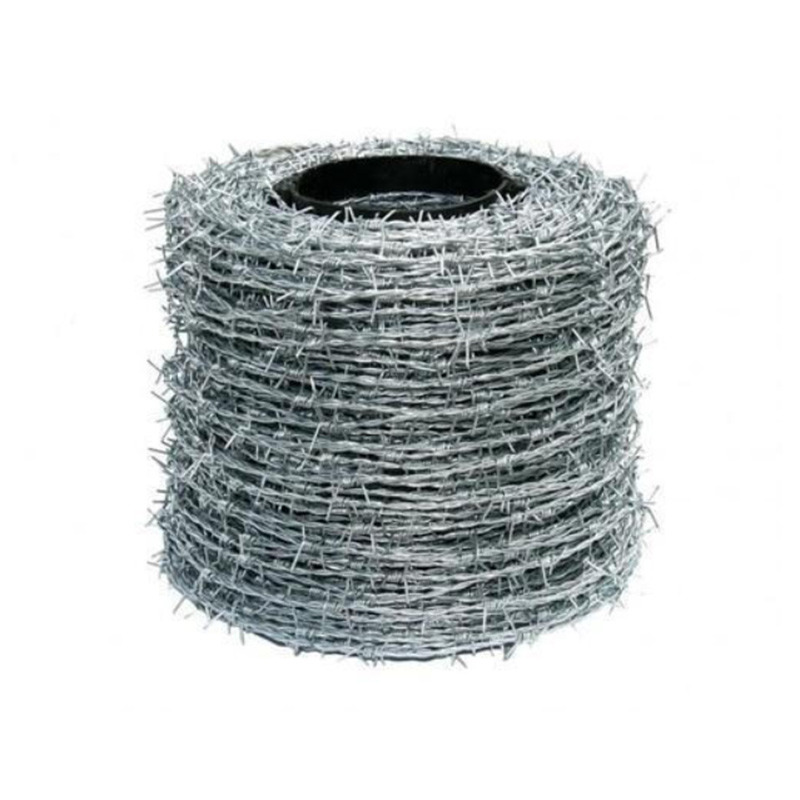
In the simplest terms, metal mesh is an interconnected network of metal strands woven or welded to form a grid or net-like structure. The types of metal mesh differ by weaving pattern, material, strand thickness, opening size, and manufacturing method — factors that define their suitability for particular functions.
Think of it as a fabric, but instead of threads, you have metallic wires forming patterns that are either flexible or rigid. This versatility makes metal mesh indispensable in industries ranging from construction and filtration to security and agriculture.
Plus, in humanitarian contexts like disaster relief, metal mesh serves as a robust base for building quick shelters or reinforcing supplies, offering both protection and longevity.
Key Factors That Define Types of Metal Mesh
1. Material Composition
The first big factor is the kind of metal used — stainless steel, aluminum, copper, galvanized steel, or even specialty alloys. Each metal brings unique corrosion resistance, weight, and strength qualities. Stainless steel mesh, for example, is preferred for its rust resistance and high tensile strength in harsh environments.
2. Weave and Construction
The pattern of wires is crucial: woven mesh resembles a fabric with interlaced wires, while welded mesh features perpendicular wires spot-welded at junctions for rigidity. There are also knitted, expanded, and perforated metal mesh types — each ideal for different degrees of flexibility or load-bearing.
3. Opening Size and Wire Diameter
This controls the mesh’s “tightness” or porosity. Larger openings might be great for fencing or heavy-duty screening, while smaller apertures fit applications like filtration or insect control. Wire thickness also impacts weight and strength.
4. Durability and Corrosion Resistance
Environmental factors are king here. Saltwater environments or industrial pollution demand specialized coatings or alloys. Hot-dip galvanizing is a common treatment enhancing longevity in outdoor use.
5. Scalability and Customization
Metal mesh can easily be cut or bent to size, and users can request custom designs — a key point in industries that require precise specifications, like aerospace or electronics.
Mini Takeaway:
- Types of metal mesh vary widely by material, weave, size, and treatment.
- Every factor tailors the mesh for specific industry needs.
- Knowing these characteristics helps in making practical, cost-effective choices.
Global Applications & Real-World Use Cases
In the construction sector—think skyscrapers and bridges—stainless steel and welded wire meshes provide reinforcement, safety barriers, and façade solutions. Asia’s urban growth is a massive driver here, with an estimated 60% of global infrastructure projects integrating metal mesh components (World Bank data, 2023).
In agriculture, mesh fencing protects crops from animals without the environmental impact of plastic alternatives. Meanwhile, in post-disaster relief operations—from earthquake zones in Turkey to flood-hit South Asia—lightweight but strong metal mesh helps create temporary shelters and water filtration units, rapidly restoring a semblance of normalcy.
Even aerospace and automotive industries rely on precision metal meshes for filtering, ventilation, and soundproofing tasks. The US and Germany, for instance, are hubs for advanced metal mesh manufacturing supporting these sectors.
Advantages & Long-Term Value of Metal Mesh
- Cost Efficiency: Despite an upfront investment, metal mesh’s durability drastically reduces replacement and maintenance costs over time.
- Sustainability: It’s often recyclable and reduces reliance on plastics, aligning with environmental goals.
- Safety & Security: Robust mesh protects against intrusion and hazards, offering physical security and peace of mind.
- Innovation & Versatility: Custom patterns and treatments allow uniquely tailored solutions for complex challenges.
- Social Impact: In shelters and infrastructure, it supports dignity and lasting relief for vulnerable populations.
In a way, metal mesh choices echo broader industrial and social priorities — balancing logic and heart.
Future Trends & Innovations in Metal Mesh
The rise of green energy and digital manufacturing are shaping metal mesh’s future. Light yet ultra-strong composites blended with traditional metals are emerging to optimize performance in solar panel frames and wind turbine components.
Automation and robotics now enable mass customization, where every mesh roll can be fine-tuned with precise apertures and coatings on-demand. Sustainability policies pushed by ISO and other organizations also encourage development of corrosion-resistant alloys requiring less chemical treatment — good news for eco-conscious buyers.
Plus, we’re seeing experiments with smart metal mesh embedded with sensors for structural health monitoring, a sort of “living fabric” that alerts engineers to stress or damage early.
Challenges & Solutions Facing Metal Mesh Applications
One challenge is often cost sensitivity, especially in developing economies where cheaper plastic or wood substitutes persist. But as lifecycle costs and environmental impact become better understood, metal mesh adoption grows.
Another hurdle is corrosion, particularly in humid or saline environments — yet new coatings and alloy advances are improving resistance continually.
Finally, sourcing standardized yet customizable mesh can be tricky. Vendors offering a wide range of types and responsive service — like types of metal mesh suppliers — can bridge those gaps with expert advice and tailored products.
Product Specification Table
| Specification |
Description |
| Material |
Stainless Steel / Galvanized Steel / Aluminum |
| Wire Diameter |
0.5mm - 5mm |
| Opening Size |
1mm - 100mm (customizable) |
| Weave Types |
Woven, Welded, Expanded, Perforated |
| Surface Treatment |
Galvanized, Powder Coated, Mill Finish |
Vendor Comparison Table
| Feature |
Vendor A |
Vendor B |
Vendor C |
| Material Variety |
High |
Medium |
High |
| Customization |
Full Range |
Limited |
Moderate |
| Eco-Friendly Options |
Yes |
No |
Yes |
| Lead Time |
2 Weeks |
4 Weeks |
3 Weeks |
Frequently Asked Questions About Types of Metal Mesh
- What is the difference between woven and welded metal mesh?
- Woven metal mesh consists of interlaced wires similar to fabric weaving, offering flexibility and even openings. Welded mesh uses spot welding at wire intersections, creating a rigid, stable grid better suited for heavy structural uses.
- How does corrosion resistance vary among metal mesh types?
- Materials like stainless steel provide inherent corrosion resistance, while galvanized steel gains protection via zinc coatings. The environment and surface treatments significantly impact longevity — for instance, marine environments require specialized alloys or coatings.
- Can metal mesh be customized for specific industrial applications?
- Absolutely. Manufacturers often provide custom wire diameters, opening sizes, and even weaving patterns to meet specialized needs, such as filtration micron sizes or security specifications.
- Is metal mesh recyclable and eco-friendly?
- Most metal meshes are completely recyclable, reducing their environmental footprint. Choosing untreated or powder-coated mesh further improves eco-friendliness, aligning with sustainable development goals.
- How long does metal mesh typically last in outdoor applications?
- With proper material selection and surface treatment, metal mesh can last anywhere from 15 to over 50 years outdoors. Maintenance and environmental factors influence this lifespan considerably.
Conclusion: Why Know Your Types of Metal Mesh?
To sum it all up: metal mesh is more than just a mesh. It’s a versatile, durable, and environmentally sensible solution impacting industries globally. When you grasp the nuances — materials, weave, size, and treatment — you unlock smarter ways to solve real-world problems, whether building safer infrastructure or improving humanitarian relief. If you want to explore more about types of metal mesh and find products that fit your unique needs, don’t hesitate to visit the website!
Final Reflection
Honestly, understanding metal mesh feels like discovering a new toolkit — one where knowledge translates directly into stronger, more sustainable solutions across so many fields. Sometimes the simplest materials, once properly understood, create the biggest impact.
References
- ISO Standards on Metal Mesh
- World Bank Urban Development Data
- United Nations Sustainable Development Goals