Understanding the Various Types of Wire Mesh Fencing and Their Importance
If you've ever paused to consider the fences that surround industrial sites, agricultural fields, or even wildlife reserves, you've likely encountered some form of wire mesh fencing. This simple yet versatile material plays a surprisingly significant role worldwide. With the world’s rising need for security, sustainability, and efficient land use, types of wire mesh fencing have become an integral solution deployed across continents and climates.
Why does this matter globally? Wire mesh fencing supports everything from urban development to humanitarian projects — and at the core, it balances strength, visibility, and cost-effectiveness. Understanding these fencing types offers insight into how industries safeguard assets, regulate spaces, and even protect communities. Plus, it’s a window into innovation where traditional materials meet modern needs.
The Global Context: Why Wire Mesh Fencing Is Pervasive
In 2023 alone, the global fencing market was valued at approximately $7.5 billion, with wire mesh products accounting for a significant share. According to the International Organization for Standardization (ISO), standards for fencing materials continue to evolve in response to factors like durability demands and environmental impacts.
Broadly, wire mesh fencing addresses growing challenges in urban expansion, agricultural productivity, wildlife conservation, and industrial safety. For example, in regions where horizontal land lines blur, fencing defines property boundaries and protects resources — reducing conflicts and promoting clarity. However, challenges persist: the need for fencing systems that are affordable, adaptable, and long-lasting often collides with environmental and logistical constraints.
What Exactly Are Types of Wire Mesh Fencing?
Simply put, wire mesh fencing consists of woven or welded wires arranged in grids or patterns to form a barrier. These fencing types vary mainly by weave style, wire gauge, coating materials, and mesh size. The goal? To balance visibility, strength, and ventilation.
Most crucially, wire mesh fencing acts as a physical and visual barrier that doesn’t entirely block the view—useful in industrial sites, sports facilities, and prisons alike. Beyond that, humanitarian agencies rely on it to create safe zones after crises, and farmers use it to protect livestock without enclosing an unsightly solid wall.
Core Characteristics That Shape Wire Mesh Fencing Choices
Durability and Material Quality
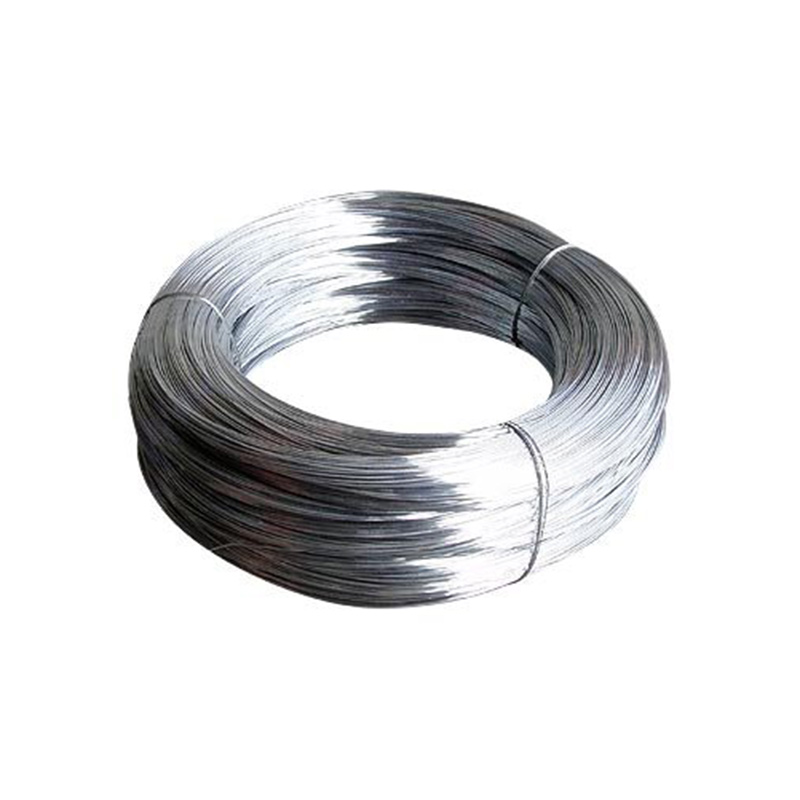
Wire mesh fencing is typically made from galvanized steel, stainless steel, or PVC-coated wire. Each offers a unique balance of corrosion resistance and strength. For example, galvanized steel is common for outdoor applications due to its rust resistance, while stainless steel fits harsh environments demanding longevity.
Mesh Size and Pattern
The “mesh size” refers to the spacing between wires and dramatically impacts the fence’s function. Smaller mesh sizes improve security against smaller animals or intruders, while larger meshes reduce cost and improve airflow. The pattern — whether square, hexagonal, or rectangular — also influences strength and aesthetics.
Cost Efficiency
One reason wire mesh fencing continues to thrive globally is its cost-effectiveness. The material requires modest manufacturing processes compared to solid walls or concrete barriers. Plus, installation is relatively quick and maintenance costs tend to be low.
Scalability and Customization
From small gardens to sprawling industrial complexes, wire mesh fencing is highly scalable. Modular panels allow rapid expansion or replacement, a favorite in dynamic environments like construction sites or refugee camps.
Sustainability
With an increasing focus on eco-friendly solutions, many manufacturers now recycle steel in producing wire mesh fencing. This aligns with broader sustainable development goals and offers an alternative to plastic or timber fencing, which have drawbacks in durability and environmental impact.
Global Applications & Use Cases
- Agriculture: In countries like New Zealand and Canada, livestock fencing made from durable wire mesh safeguards animal welfare and prevents crop damage.
- Industrial Security: Manufacturing plants in Germany and the U.S. utilize high-tensile wire mesh fences for perimeter security, often integrated with cameras or motion sensors.
- Humanitarian Relief: NGOs deploy wire mesh fencing rapidly for temporary shelters and protection in post-disaster zones across Southeast Asia and Africa.
- Wildlife Conservation: Protected areas in South America use specialized wildlife-friendly mesh to reduce animal entrapment while controlling poaching.
Such diversity shows just how adaptable different types of wire mesh fencing can be — from protecting assets to preserving ecosystems.
Mini Takeaway
Wire mesh fencing is not a one-size-fits-all solution; each type is selected based on durability, cost, and intended use, reflecting a wide array of real-world needs.
Advantages and Long-Term Value
Tangible benefits of wire mesh fencing include:
- Cost Savings: Affordable materials and straightforward installation lead to budget-friendly projects.
- Durability: With proper coatings, fences can reliably last more than 20 years outdoors.
- Safety & Visibility: They provide security without complete visual obstruction, fostering safer environments.
- Social Impact: Secure fencing ensures dignity and privacy, critical in humanitarian camps.
From an emotional perspective, a sturdy fence can mean peace of mind, a clear boundary, or the pride of protecting one’s property or community.
Product Specification Table: Sample Wire Mesh Fence Panel
| Specification |
Details |
| Material |
Galvanized Steel Wire |
| Wire Gauge |
4.0 mm |
| Mesh Opening Size |
50 mm x 50 mm |
| Coating |
Hot-dip Galvanized & PVC Coated |
| Panel Size |
2.5 m x 2 m |
| Weight |
18 kg per panel |
Future Trends and Innovations
The future of wire mesh fencing is bright—and a bit techy. Innovations include:
- Smart Fencing: Integration of sensors and IoT to monitor breaches or damage in real-time.
- Eco-friendly Coatings: New biodegradable or lower-impact coatings reduce environmental footprints.
- Recycled Materials: Increased use of recycled steel aligns with circular economy aims.
- Automation in Manufacturing: Robotics and AI ensure higher quality and customization at scale.
These trends not only improve performance but address sustainability — a pressing concern worldwide.
Challenges and Their Innovative Solutions
Of course, wire mesh fencing isn’t without its hitches:
- Corrosion over Time: Particularly in saltwater environments, fences degrade faster. Solution? Advanced coatings and stainless steel options.
- Installation Difficulties: On uneven or rocky ground, panels may not fit perfectly. Modular and adjustable frames help solve this.
- Vandalism and Tampering: Adding sensor technology and community engagement programs can deter damage.
Vendor Comparison Table: Leading Wire Mesh Fencing Suppliers
| Supplier |
Material Types |
Customization |
Global Reach |
Eco Focus |
| HT Mesh Machines |
Galvanized, PVC-coated, Stainless steel |
Yes, modular options |
Worldwide |
High (Use of recycled steel) |
| Global Fencing Ltd. |
Galvanized steel, Aluminum |
Limited |
North America & Europe |
Medium |
| EcoMesh Solutions |
Recycled Steel, Biodegradable coatings |
Yes |
Europe & Asia |
Very high |
FAQ: Types of Wire Mesh Fencing
- What types of wire mesh fencing are best for agricultural use?
- For agriculture, fencing with smaller mesh openings (like 50 mm x 50 mm) made from galvanized steel with PVC coating is often preferred. This prevents livestock from escaping and protects against predators while ensuring durability under outdoor conditions.
- Can wire mesh fencing be customized for uneven terrain?
- Yes, many vendors offer modular fencing solutions that adapt to slopes and rocky grounds. Adjustable panels and flexible frameworks enable installation in challenging landscapes, reducing gaps and improving security.
- How long does a typical wire mesh fence last outdoors?
- With proper materials like galvanized or stainless steel and protective coatings, fences can last 15-25 years depending on environmental exposure and maintenance routines.
- Is wire mesh fencing environmentally sustainable?
- Increasingly so. Many manufacturers now incorporate recycled steel, use eco-friendly coatings, and design fences for recyclability, aligning with global sustainability goals.
- Where can I find professional wire mesh fencing solutions?
- Look for suppliers with proven experience and global reach, like HT Mesh Machines, who offer high-quality products and customizable options.
Conclusion
In closing, types of wire mesh fencing embody a remarkable balance of strength, flexibility, and cost-efficiency that meet diverse global needs—from protecting farms and factories to helping humanitarian missions provide safe spaces for people in crisis. Their evolving technology and sustainability focus will only deepen their relevance going forward. If you want to explore high-quality, adaptable, and eco-friendly fencing solutions designed to meet your needs, visit our website: https://www.htmeshmachines.com.
It feels like wire mesh fencing is one of those quietly essential technologies—always there, yet hardly noticed until you rely on it. That’s probably why learning about it is so rewarding; it’s everyday innovation at its best.
References
- International Organization for Standardization (ISO)
- Wikipedia: Wire Mesh
- World Bank Urban Infrastructure Insights