Understanding Wire Mesh Types: Key to Durable Modern Solutions
Wire mesh types might sound niche or even mundane at first, but they're quietly critical in countless industries worldwide—from construction and agriculture to filtration and even disaster relief. Understanding these varieties is more than just an academic exercise; it’s fundamental to selecting the right material that lasts, performs, and ultimately sustains human and environmental needs. Given the astounding global infrastructure growth—especially in developing regions—the right wire mesh solution ensures projects don’t just get off the ground but thrive long-term.
Why Wire Mesh Types Matter Globally
Globally, infrastructure development is booming. The World Bank estimated over $94 trillion in infrastructure investment needs by 2040 across energy, transport, water, and telecommunications sectors. Wire mesh components are essential in many of these projects, functioning as reinforcements, filters, and protective barriers.
However, challenges exist, like durability in harsh climates or sustainability in resource-scarce areas. That’s where knowing the right wire mesh types comes in—it can reduce costs, avoid premature failures, and support more resilient infrastructure worldwide.
Mini takeaway: Wire mesh is a behind-the-scenes hero in global infrastructure, providing strength and flexibility needed for modern development challenges.
What Are Wire Mesh Types?
At its core, a wire mesh is a grid formed by weaving, welding, or otherwise connecting wires, commonly made from steel, stainless steel, or other metals. When we talk about different wire mesh types, we refer to variations in material, weave pattern, wire diameter, mesh size, and finishing that give each type unique properties suited for specific needs.
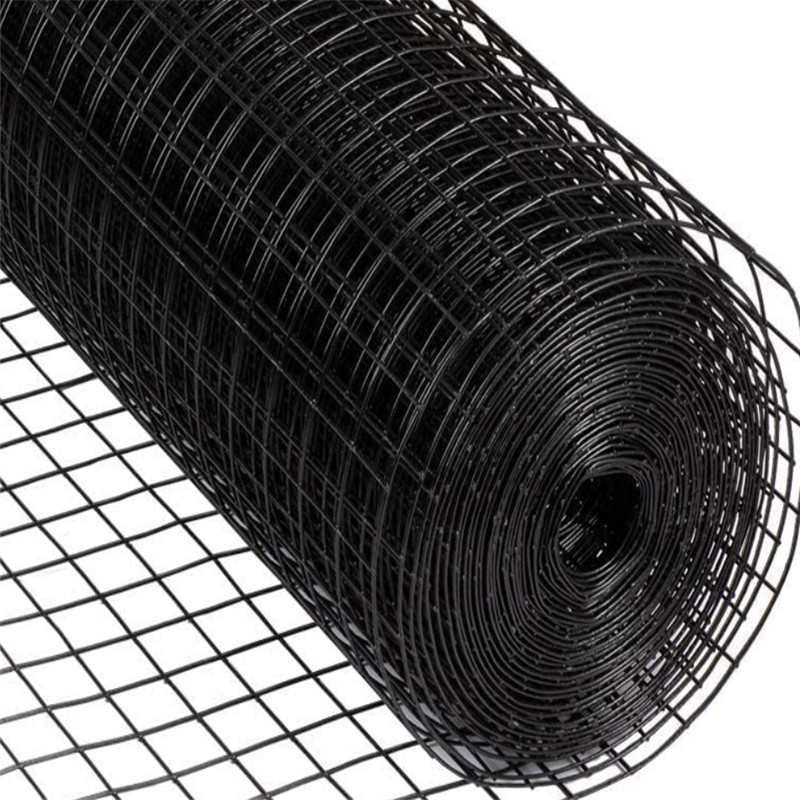
For example, woven wire mesh (woven like fabric) differs from welded wire mesh, where wires are fused at intersections. These variations impact everything from tensile strength to corrosion resistance, important when wire mesh supports architectural facades or forms animal enclosures.
wire mesh types connect industrial requirements with practical design—in effect, shaping many sectors' ability to innovate efficiently and sustainably.
Mini takeaway: Wire mesh types reflect a fascinating interplay of material science and engineering tailored to specific real-world functions.
Key Aspects of Wire Mesh Types
Durability
If you need wire mesh outdoors, durability is king. Stainless steel or galvanized finishes resist rust, crucial for marine or humid environments. Ordinary steel mesh, though cheaper, may not stand weather stresses without treatment.
Mesh Size and Wire Diameter
The size of the openings and thickness of the wires define the mesh’s filtration capability and strength. Finer mesh is typically used in filtration or precision sieving, while thicker wires serve structural roles.
Weave Pattern
Patterns like plain weave, twill weave, or dutch weave influence flexibility and strength. For example, dutch weave meshes have denser construction, perfect for fine particle filtration.
Scalability and Cost Efficiency
Some wire mesh types are easier to mass-produce, lowering costs for large projects. Welded wire mesh can be rapidly fabricated in standardized sizes, while woven mesh offers more customization, albeit at a price.
Sustainability
Innovations in materials, such as recycled metals or coatings derived from eco-friendly processes, are becoming common, aligning wire mesh production with sustainable development goals.
Mini takeaway: Choosing wire mesh hinges on balancing durability, size, weave, cost, and sustainability per project needs.
Product Specification Table: Typical Wire Mesh Types
| Type |
Material |
Mesh Size (mm) |
Wire Diameter (mm) |
Typical Use |
| Woven Wire Mesh |
Stainless Steel |
0.1–10 |
0.05–1.0 |
Filtration, Sieving |
| Welded Wire Mesh |
Galvanized Steel |
10–50 |
1.5–5.0 |
Reinforcement, Fencing |
| Crimped Wire Mesh |
High-Carbon Steel |
20–100 |
2.0–10.0 |
Mining, Screening |
Global Applications and Use Cases
Wire mesh types have a surprisingly broad footprint:
- Construction: Reinforcing concrete, fencing, and safety nets in booming urban landscapes—from Latin America to Southeast Asia.
- Agriculture: Animal enclosures and crop protection in regions like Sub-Saharan Africa and India.
- Industrial Filtration: Chemical and water treatment plants in Europe and North America rely on woven wire mesh for precise filtration.
- Disaster Relief: Welded wire mesh forms temporary shelters and erosion control in post-flood zones, such as those monitored by UN agencies.
Oddly enough, some NGOs highlight wire mesh fencing as a pivotal element in safeguarding displaced persons’ camps, balancing security with environmental concerns.
Mini takeaway: Wire mesh types underpin diverse frontline and industrial applications globally, showing flexibility and essential utility.
Vendor Comparison Table: Leading Wire Mesh Manufacturers
| Vendor |
Material Range |
Customization |
Geographic Reach |
Lead Time (Weeks) |
| HT Mesh Machines |
Steel, Stainless Steel, Galvanized |
High—Custom sizes & weaves |
Global (30+ countries) |
2-4 |
| Global Wire Solutions |
Mostly Galvanized Steel |
Medium—Standard sizes only |
Europe, North America |
3-6 |
| MetalTex Industries |
Steel, Copper, Brass |
Low—Limited options |
Asia Pacific |
4-8 |
Advantages and Long-Term Value
Choosing the right wire mesh type isn’t just about immediate functionality. There’s an emotional and social dimension too — it offers safety, dignity, and trust in environments where failure is not an option. Think about agricultural fencing keeping livestock safe, or erosion control preventing deadly landslides.
Logically, wire meshes improve cost efficiency by reducing repair needs, enabling better resource use, and supporting sustainability goals. Their adaptability means they fit well into renewable energy projects (solar panel fences, windbreaks) or green infrastructure.
Mini takeaway: Wire mesh types deliver a rare combo of immediate utility and long-term societal benefit.
Future Trends and Innovations in Wire Mesh
Looking ahead, the industry is buzzing about:
- Smart Mesh: Embedded sensors track stress or corrosion in real time.
- Eco-Materials: Biodegradable coatings or recycled metals shrink carbon footprints.
- Automation: AI-driven machines create hyper-customized weaves on demand.
- Green Energy Integration: Wire mesh supporting solar farms in harsh environments.
In a world that's digitally and ecologically evolving, wire mesh is quietly evolving too, becoming smarter and greener, pushing old boundaries.
Challenges and Solutions
Still, there are issues. Corrosion remains a major challenge—though better coatings help. Sometimes you get supply chain disruptions, especially in remote sites. Cost pressures can push firms to low-quality alternatives, risking safety.
The solutions? Investing in better-quality specifications upfront, working with trusted vendors like HT Mesh Machines, and incorporating lifecycle analysis to choose sustainable options—not always easy but well worth it.
FAQ: Frequently Asked Questions About Wire Mesh Types
- What are the main differences between woven and welded wire mesh?
- Woven wire mesh interlaces wires like fabric, offering flexibility and fine filtration, while welded wire mesh fuses wires at intersections, providing rigidity and strength ideal for structural uses.
- How do I select the right mesh size and wire diameter?
- Selection depends on your specific needs—finer mesh sizes filter smaller particles but reduce flow, while thicker wire diameter increases durability but can raise costs. Balance required strength and filtration carefully.
- Can wire mesh be customized for unique industrial needs?
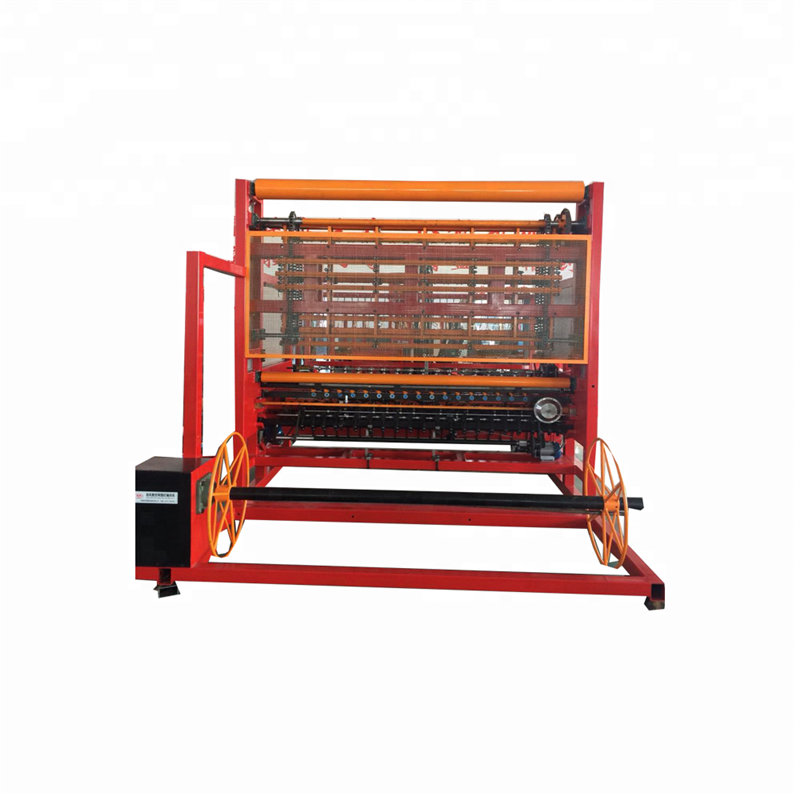
- Absolutely. Manufacturers like HT Mesh Machines offer high degrees of customization in size, weave pattern, and material, perfect for specialized applications.
- What is the typical lifespan of wire mesh in outdoor environments?
- Depending on material and coating, stainless steel meshes can last 20+ years outdoors, galvanized meshes roughly 10-15 years. Environmental factors greatly affect longevity.
- Is wire mesh recyclable or environmentally friendly?
- Many wire meshes are made from recyclable metals. New eco-friendly coatings and manufacturing advances also reduce environmental impact, making wire mesh a sustainable choice if properly managed.
Conclusion & Call to Action
In sum, understanding different wire mesh types opens doors to smarter, safer, and more sustainable infrastructure choices globally. The long-term benefits ripple beyond products to society and environment alike. For detailed guidance and customized solutions, visit HT Mesh Machines—your reliable partner in mesh innovation.
A quick thought: wire mesh is one of those unsung materials quietly shaping our built world, and it’s worth paying attention.
References
- World Bank Infrastructure Overview
- Wikipedia: Wire Mesh
- ISO Standards on Wire Mesh