Understanding Aluminum Wire Fence: Durable, Sustainable, and Versatile
In a world hungry for sustainable infrastructure and cost-efficient solutions, aluminum wire fence stands out as a quietly powerful choice. From protecting agricultural fields in Australia to securing humanitarian aid zones in Africa, this fencing solution offers a blend of resilience, lightness, and adaptability that modern industries and governments increasingly rely on. But what exactly makes aluminum wire fencing a go-to material worldwide? And why should businesses, NGOs, and governments care?
Introduction: The Global Context of Aluminum Wire Fence
Interestingly, the global fencing market is growing steadily, partly driven by urban expansion and rising security needs. According to a 2023 report by the World Bank, infrastructure investments focusing on sustainable materials are up by 15% year-over-year in developing countries. Aluminum wire fence, known for its corrosion resistance and reduced weight, fits this trend well. It addresses the challenging environments of coastal zones, high-humidity areas, and rapidly shifting climatic conditions. And frankly, traditional steel fences just can’t cope without heavy maintenance.
Globally, nearly 40% of fencing used in agriculture and construction now incorporates aluminum components, showing the shift toward lighter, more sustainable metallurgy. Yet, there are challenges: cost and technical nuance in installation still limit adoption in some regions. So this article unpacks what aluminum wire fence entails, why it’s gaining traction, and how it might solve some pressing fencing problems.
What Is Aluminum Wire Fence?
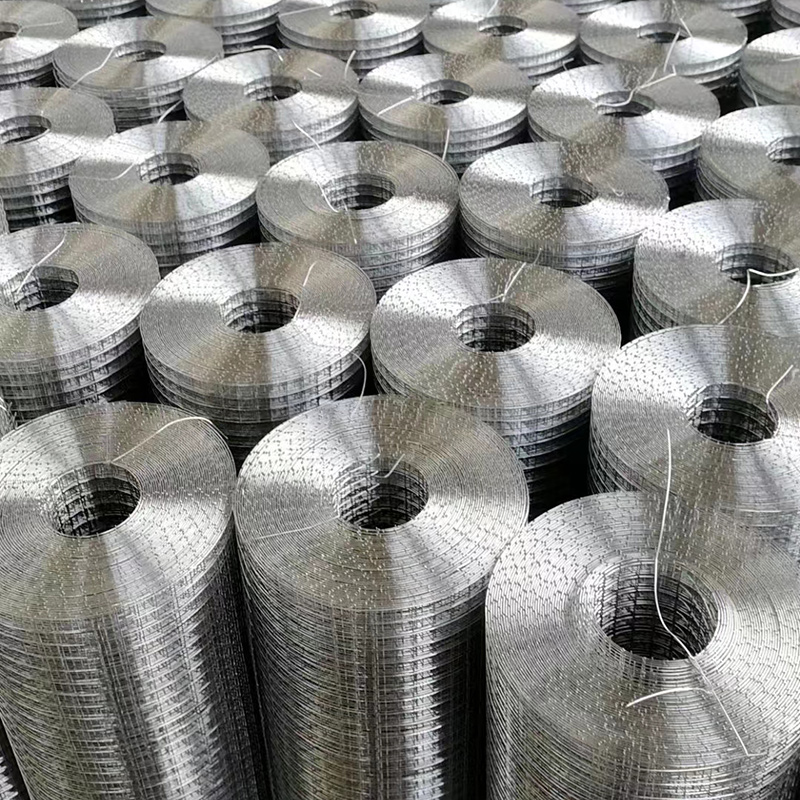
Put simply, aluminum wire fence is a barrier system made primarily with aluminum alloy wires woven or welded into panels or rolls. These fences serve the same purpose as their steel cousins — boundary marking, security, animal containment — but with a lighter, corrosion-resistant edge. Aluminum makes sense in places where moisture causes steel to rust or where portability is critical.
On a higher level, aluminum fences reflect a fusion of modern metallurgy and practical industry needs. They're employed extensively in humanitarian efforts — think refugee camps or remote field clinics — where durability, ease of transport, and re-assembly are paramount. This fencing type provides a humane balance of security and dignity, keeping environments safe while not feeling oppressive or overly industrial.
Key Factors That Define Aluminum Wire Fencing
Durability and Corrosion Resistance
Aluminum doesn’t rust like steel, which makes aluminum wire fences durable in coastal and tropical climates. It lasts decades with minimal maintenance, meaning lower long-term costs.
Lightweight and Ease of Installation
The low density of aluminum means fences can be installed quickly and with smaller teams. This benefits remote construction projects or disaster response where time is precious.
Cost Efficiency Over Time
While aluminum fencing might come with a slightly higher upfront price, its lifespan and minimal upkeep deliver better total cost of ownership compared to galvanized steel fences that often need repainting.
Scalability and Customization
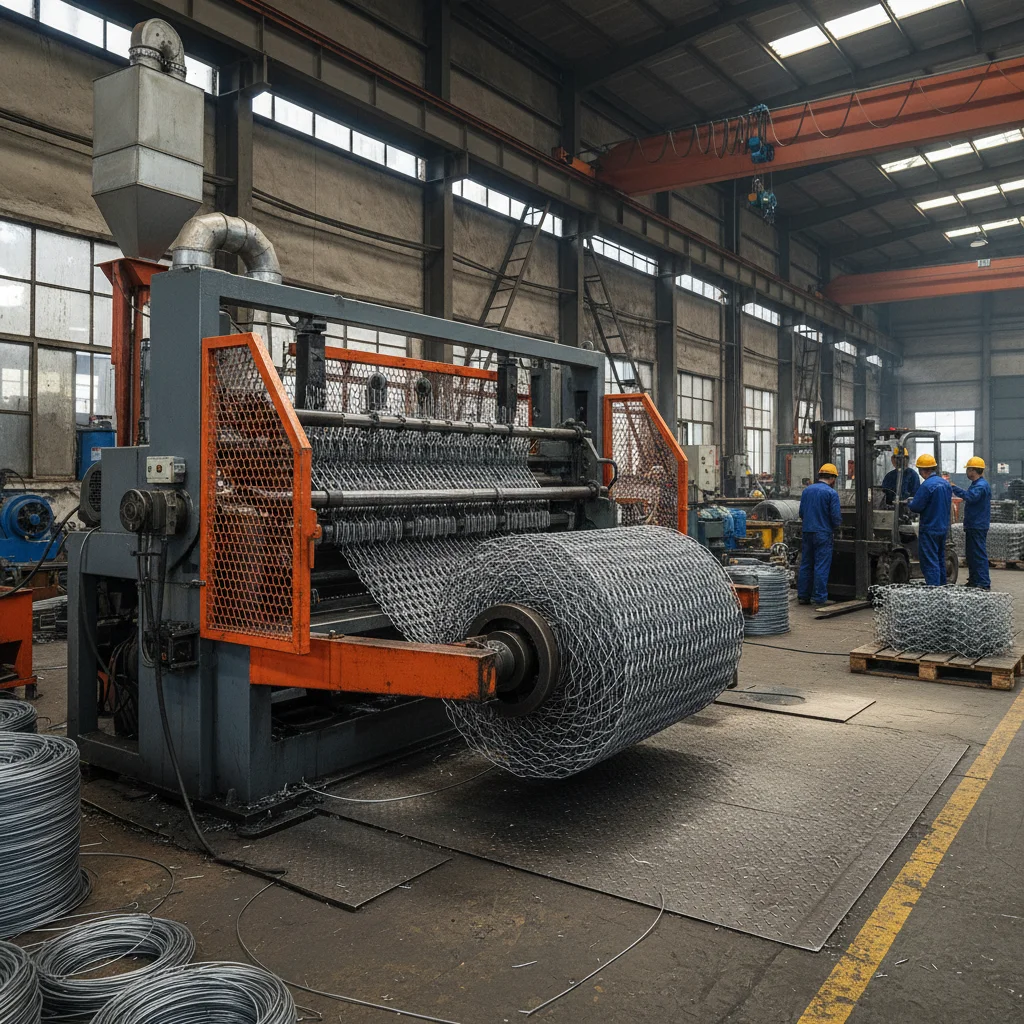
Manufacturers can tailor aluminum wire fence sizes, mesh counts, and panel heights, fitting diverse applications from garden enclosures to industrial perimeters.
Eco-Friendly Material
Aluminum is highly recyclable—over 90% of aluminum used in fencing can be reprocessed without degradation, aligning with global sustainability goals like those from the ISO 26000 standards.
Mini takeaway: Aluminum wire fences combine durability, lightness, and eco-friendliness, offering practical solutions that outlast traditional materials in challenging environments.
Global Applications & Use Cases
- Post-disaster Relief: Aid organizations in Southeast Asia often deploy aluminum wire fences to quickly establish safe zones after flooding or cyclones.
- Agricultural Security: In the U.S. Midwest, farmers use cattle-proof aluminum fencing that withstands corrosion from weather and livestock impacts.
- Industrial Sites: Remote mining operations in Canada prefer lightweight fencing for easy relocation as excavation zones shift.
- Urban Parks and Recreational Areas: Municipal governments in Europe opt for aluminum wire fences as aesthetically pleasing, durable barriers that don't rust or require constant painting.
Oddly enough, the versatility means it’s not just about “fences” anymore; this material is seeing creative uses in greenhouses, sports courts, and even electric fence integrations for wildlife management.
Advantages & Long-Term Value of Aluminum Wire Fence
The benefits span several dimensions:
- Cost Savings: Less maintenance equals less downtime and expense over decades.
- Sustainability: Aluminum’s recyclability and lighter transport weight reduce carbon footprints.
- Social Impact: Provides safe, humane containment and boundary definition especially critical in refugee camps or schools.
- Reliability: Withstands harsh weather, UV radiation, and chemical exposure better than many alternatives.
Looking at it emotionally, a fence that stays strong and looks neat without peeling paint or rust patches builds trust among communities and facility managers alike. It's also a small but tangible symbol of innovation meeting responsibility.
Product Specification Table: Popular Aluminum Wire Fence Model
| Feature |
Specification |
| Material |
6063-T5 Aluminum Alloy |
| Wire Diameter |
2.5 mm (varies 2–3.5 mm) |
| Mesh Opening |
50 mm x 50 mm standard |
| Height Options |
1m, 1.5m, 2m, 2.5m |
| Finish |
Mill finish or powder-coated |
| Weight (per sq. meter) |
Approx. 1.5 kg |
Vendor Comparison: Aluminum Wire Fence Suppliers
| Vendor |
Product Range |
Customization |
Global Shipping |
Certifications |
| HT Mesh Machines |
Wide (including aluminum wire fence) |
Full Customization |
Yes, to 120+ countries |
ISO 9001, CE |
| Global Fence Co. |
Moderate, standard panels |
Limited |
North America and Europe only |
ASTM certified |
| EcoMetal Fencing |
Focus on sustainable lines |
Medium, powder coating options |
Global but with extended lead times |
ISO 14001 (environmental) |
Future Trends & Innovations in Aluminum Wire Fencing
Looking forward, developments in anodized coatings and nano-technology treatments are pushing aluminum wire fence durability even further. Automated installation systems that use drones or robotic machinery are under trial in Australia to speed up fencing large pastoral lands.
Eco-conscious buyers will welcome emerging aluminum alloys that incorporate recycled content beyond 80% without compromising performance. Also, integration with IoT sensors for perimeter monitoring is becoming a reality — imagine fences that warn security personnel of breaches in real-time.
Policies encouraging sustainable public infrastructure and funding will likely expand the market further, aligning with UN Sustainable Development Goals related to resilient infrastructure and sustainable cities.
Challenges & Innovative Solutions
Despite the upsides, aluminum wire fence adoption isn’t without hurdles. Cost sensitivity, particularly in developing nations, remains a real barrier. But companies like HT Mesh Machines innovate by offering modular designs that reduce shipping volume and allow phased installations, lowering initial spend.
Another challenge is training installers unfamiliar with aluminum’s flex characteristics. Some vendors now provide on-site workshops or virtual reality training modules — a surprisingly effective way to boost skills and confidence.
FAQ: Frequently Asked Questions About Aluminum Wire Fence
- Q: How does aluminum wire fence compare to steel fences in terms of maintenance?
- A: Aluminum fences generally require less maintenance because they don’t rust. This means no painting or rust treatment, which saves time and repeated costs over their 20+ year lifespan.
- Q: Is aluminum wire fencing suitable for high-security applications?
- A: While aluminum fencing offers solid physical security, for very high-security sites, it’s often combined with other features like razor wire or electronic monitoring to enhance protection.
- Q: Can aluminum wire fences be recycled at the end of their life?
- A: Absolutely. Aluminum is one of the most recyclable metals globally, and fencing components can be fully reprocessed into new products without loss of quality.
- Q: Are there color options available for aluminum wire fences?
- A: Yes, besides standard mill finishes, aluminum fences can be powder-coated in multiple colors to match aesthetic or branding needs.
Conclusion & Call to Action
In real terms, embracing aluminum wire fence means investing in a resilient, eco-friendly, and adaptable barrier solution that meets the needs of today’s industries and humanitarian efforts. If you’re considering upgrading your fencing or need bulk solutions with expert customization, visit our website — discover how advanced aluminum fencing can protect your world with less fuss and more trust.
A fence may seem mundane, but one made with aluminum isn’t just boundary—it’s a quiet statement of innovation and sustainability.
References
- Wikipedia - Aluminium Fence
- ISO 26000 Guidance on Social Responsibility
- World Bank Infrastructure Reports