What Is Black Aviary Mesh and Why It Matters Globally
Black aviary mesh — you might not think about it every day, but this simple, sturdy material plays a surprisingly critical role worldwide. Put simply, it’s a durable mesh used to enclose aviaries and other bird-containing environments, ensuring safety, protection, and controlled ecosystems. Yet beyond bird care, its importance spreads through agriculture, conservation, and even humanitarian sectors. Understanding black aviary mesh reveals much about cross-industry innovation and sustainable solutions that hinge on affordable, practical materials.
The need for reliable bird containment and pest control systems is huge, especially as global poultry demands rise and conservation efforts intensify. According to the Food and Agriculture Organization (FAO), global poultry production has doubled in the past 15 years, pushing demand for efficient aviary solutions that include mesh technologies. Moreover, in ecosystems vulnerable to invasive species, black aviary mesh offers a physical barrier that’s both strong and subtle.
Mini takeaway: Far from a niche product, black aviary mesh intersects with food security, biodiversity preservation, and safety on an international scale.
Global Context: Why Black Aviary Mesh Is Essential Today
In a world of expanding urban farming, post-disaster rebuilding, and enhanced biosecurity measures, the black aviary mesh emerges as a quietly essential player. Global markets value it not just for bird enclosures but as a multipurpose agricultural tool. ISO standards for mesh durability highlight how select materials are certified for longevity, UV resistance, and weatherproofing. According to a UN Environment Programme report, protecting crops and livestock from pests sustainably reduces pesticide dependency, contributing to healthier ecosystems.
However, the challenge remains: how to deliver a mesh that resists extreme weather, deters predators, and is cost-effective for widespread use? This is where black aviary mesh, with its unique combination of durability and flexibility, meets a crucial global need.
Mini takeaway: Globally, black aviary mesh is a practical solution addressing sustainability, safety, and agricultural productivity challenges.
Defining Black Aviary Mesh
Let's break it down: black aviary mesh is a woven or knitted netting made generally from polyethylene or polypropylene fibers that are UV-stabilized and treated for weather resistance. Its "black" hue isn’t just aesthetic; it helps reduce glare and provides subtle camouflage — beneficial for sensitive bird species and those monitoring wildlife without disturbance.
In industrial terms, it’s often fabricated with knotless weave technology, enhancing tensile strength and flexibility. This makes it ideal not only for aviaries but also for applications like greenhouse screens and protective nets for crops.
Mini takeaway: Black aviary mesh blends material science and design to serve ecological and agricultural needs effectively.
Core Components That Make Black Aviary Mesh Effective
Durability
UV resistance and weatherproof coatings mean that black aviary mesh lasts through seasons without significant degradation. Engineers often test samples per ISO 4892 standards to guarantee lifespan.
Flexibility and Ease of Installation
The mesh is lightweight yet tough, allowing quick installation in complex aviary shapes. Assembling large enclosures requires agility, and black aviary mesh delivers.
Security and Bird Welfare
The mesh spacing and tensile strength prevent predators from entry but allow natural ventilation and sunlight — this is crucial for bird health.
Cost Efficiency
Though options vary by weave tightness and material grade, black aviary mesh remains one of the more affordable long-term investments in aviary construction and maintenance.
Environmental Impact
Many manufacturers now produce recyclable or biodegradable versions. Reducing chemical inputs and increasing durability improves sustainability footprints overall.
Mini takeaway: These factors interplay to create a product that’s resilient, ecological, and user-friendly, answering diverse practical demands.
Global Applications & Use Cases
Black aviary mesh is everywhere, from backyard bird pens to vast commercial poultry farms in the Americas to conservation sanctuaries in Australia. Oddly enough, it is also vital in humanitarian relief zones. For example, post-hurricane rebuilding in the Caribbean uses black aviary mesh to reconstruct poultry enclosures swiftly, supporting food security in vulnerable communities.
In Asia, agribusinesses use it as sun-shielding bird netting, improving egg-laying conditions, while in Europe, conservationists rely on it to protect endangered species from invasive predators without chemical repellents.
- In post-disaster zones: rapid deployment bird containment to stabilize local food supplies.
- In organic farming: chemical-free pest protection.
- In urban and private gardening: aesthetic, low-visibility protection.
Mini takeaway: The versatility and global reach of black aviary mesh are impressive — it’s kind of a quiet hero in many feeds and habitats.
Advantages & Long-Term Value of Black Aviary Mesh
So why choose black aviary mesh? Beyond durability and cost, many users mention peace of mind. It keeps prized birds safe from hawks, raccoons, or even neighborhood cats. Socially, it supports community livelihoods by protecting agricultural outputs, thereby fostering dignity and economic resilience.
Environmentally, it lessens pesticide reliance, contributing to sustainability goals aligned with ISO 14001 environmental management systems. Plus, it’s low-maintenance — imagine that, a practically hands-off investment.
| Specification |
Details |
| Material |
UV-stabilized High-Density Polyethylene (HDPE) |
| Mesh Size |
15mm to 50mm, customizable |
| Tensile Strength |
> 40 MPa |
| Color |
Matte Black (UV protective) |
| Roll Size |
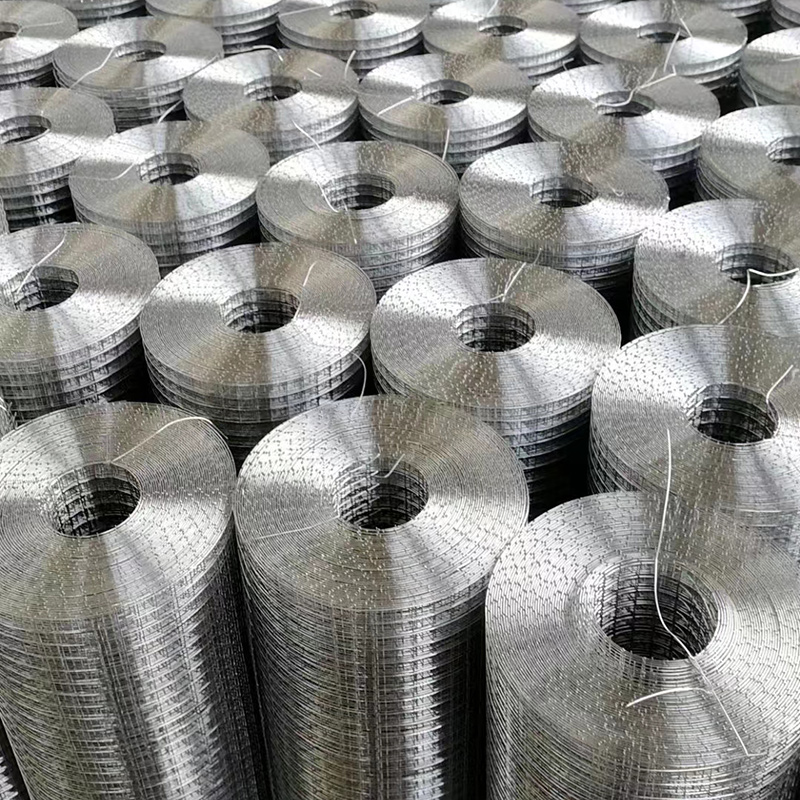
50m length × 2m width |
| Warranty |
5 years against UV degradation |
Mini takeaway: It’s a long-term asset offering safety, sustainability, and savings that many users say is “well worth it.”
Vendor Comparison: Choosing the Right Black Aviary Mesh Supplier
| Vendor |
Material Quality |
Customization |
Pricing |
Global Shipping |
Warranty |
| HT Mesh Machines |
High-Density, UV-stabilized HDPE |
Mesh size, roll length |
Competitive (bulk discounts) |
Worldwide |
5 years |
| AviaryTech Ltd. |
Medium density with less UV treatment |
Limited |
Moderate |
Europe only |
3 years |
| MeshPro Co. |
High quality, but limited weatherproofing |
Standard sizes only |
Higher cost |
North America & Asia |
4 years |
Future Trends & Innovations
Looking ahead, the black aviary mesh space is excitingly dynamic. Innovations include biodegradable polymer blends that dissolve harmlessly after a few years, reducing environmental impact further. Some companies are integrating sensors within mesh fibers — sort of an IoT leap — enabling temperature, humidity, or even motion detection to alert aviary managers remotely.
Additionally, the rise of digital fabrication methods, including 3D knitting, promises more tailored mesh designs with variable density — better airflow in one section, tighter security in another. This modularity means meshes adapt well to complex bird behaviors and environmental changes.
Mini takeaway: Just when you thought mesh couldn’t get smarter, it’s transforming with tech and eco-conscious materials.
Challenges & Expert Solutions
No product is perfect, and black aviary mesh faces issues like occasional tearing in extreme hailstorms or degradation in high-salinity coastal environments. Sometimes UV protection coatings wear off sooner if low quality materials are used. However, manufacturers counteract this by increasing polyethylene density and adding multi-layered UV inhibitors.
On installation, uneven tension can cause sagging, but professional training or DIY kits with tensioners help avoid such pitfalls.
Mini takeaway: With expert care and high-grade materials, these challenges become manageable rather than dealbreakers.
FAQ: Your Questions About Black Aviary Mesh Answered
- Q: How long does black aviary mesh typically last outdoors?
- A: Most UV-stabilized black aviary mesh lasts 5 to 7 years under typical outdoor conditions, depending on exposure intensity and maintenance. Manufacturers usually offer warranties of 3-5 years, which is a good quality indicator.
- Q: Can black aviary mesh be recycled?
- A: Yes, many black aviary meshes are made from recyclable HDPE or polypropylene. However, recycling availability depends on local programs, so check facilities near you. Some companies are innovating with biodegradable alternatives as well.
- Q: Is black aviary mesh suitable for all bird species?
- A: Generally, it can be customized to fit any bird enclosure size, but mesh size and strength should match species behavior. Smaller mesh sizes work well for small finches, while larger gaps suit larger birds. Expert consultation helps determine ideal specs.
- Q: How do I ensure proper installation?
- A: Using tensioners and supports, and maintaining consistent mesh tightness, is key. Many vendors supply installation guides or kits. For large setups, it’s worth hiring experienced technicians.
Conclusion: Why Black Aviary Mesh Is a Smart Long-Term Choice
In a nutshell, black aviary mesh is a foundational component in bird care, agriculture, and environmental protection worldwide. Its blend of durability, sustainability, and adaptability offers real value that grows over time — financially and ethically. Whether you're building a backyard aviary or managing a large-scale ecological preserve, this mesh supports your goals with trusted performance.
Curious to explore top-range options and detailed specifications? Visit our website at HT Mesh Machines to find the right black aviary mesh tailored for your needs.
It feels like such a simple thing — a mesh — but when you unpack the layers, you realize it’s really about building safer futures for birds, farmers, and the environment alike.
References
- FAO Poultry Production Statistics
- ISO 4892: Plastics – Exposure to Laboratory Light Sources
- UNEP Global Environment Outlook 6