Understanding the Binding Wire Drawing Machine: Why It Matters Globally
If you’ve ever wondered how simple wire — the kind that holds everything from construction elements to packaging — is shaped and stretched to meet rigorous industrial demands, the binding wire drawing machine is your unsung hero. Globally, these machines play a subtle but vital role in supporting industries that range from agriculture to construction to logistics.
With industrial supply chains under pressure and growing demands for durable, cost-effective materials, understanding this machine’s role helps illuminate a tiny but crucial piece of that puzzle. Whether it’s binding rebar on skyscrapers or packaging pallets of goods, the efficiency and precision of wire drawing directly impact the quality and sustainability of countless products worldwide.
Mini takeaway: Though often overlooked, binding wire drawing machines are quietly powering infrastructure and commerce behind the scenes, shaping basic materials into indispensable tools.
The Global Context: Binding Wire Drawing Machines in Industry
Globally, the steel wire market is expected to grow steadily, driven by advancing construction and infrastructure projects, especially in Asia-Pacific and South America (according to recent World Bank infrastructure investment reports). Factories equipped with modern binding wire drawing machines are essential players in meeting these demands.
However, challenges persist — namely, how to scale production efficiently without compromising quality, and how to make the machines more energy-efficient — since steel manufacturing already accounts for roughly 7-9% of greenhouse gases worldwide (source: International Energy Agency).
These machines address key issues by allowing manufacturers to customize wire thickness, length, and tensile strength on-demand, reducing waste and improving overall efficiency. The push for smart manufacturing also means these machines are evolving rapidly.
Mini takeaway: Binding wire drawing machines are at the crossroads of industrial growth and sustainability challenges, adapting under pressure from global markets and environmental goals.
What Exactly Is a Binding Wire Drawing Machine?
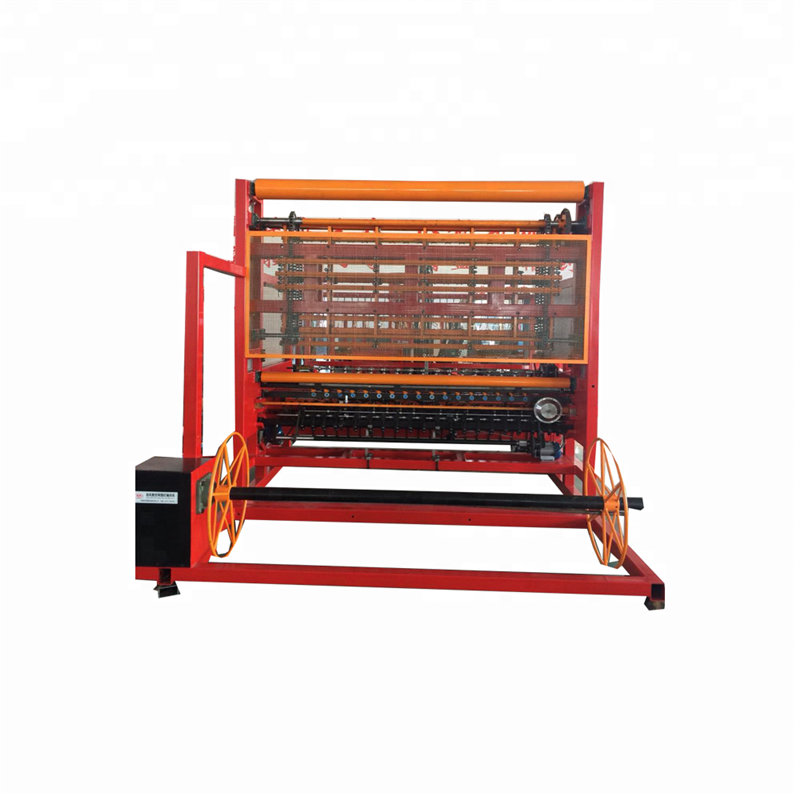
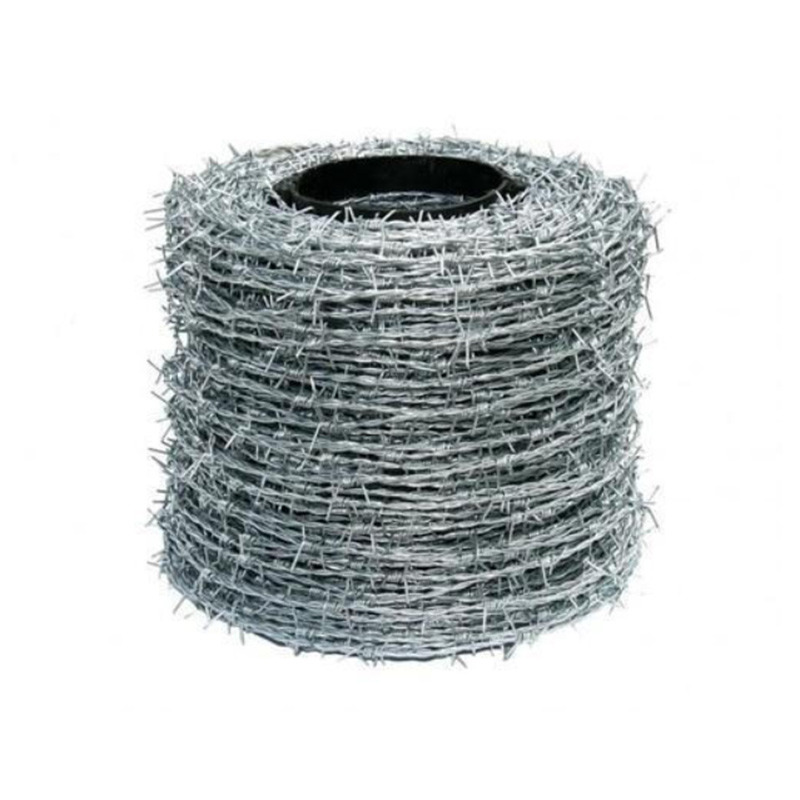
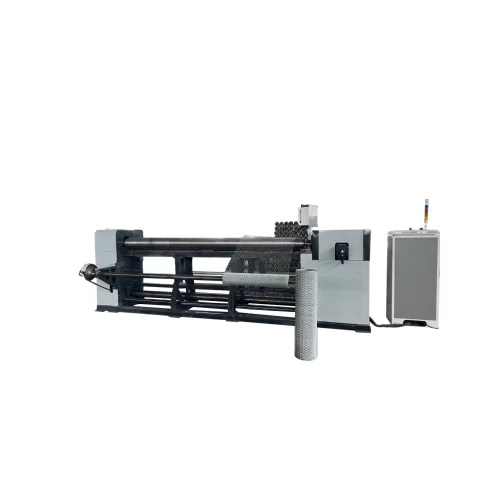
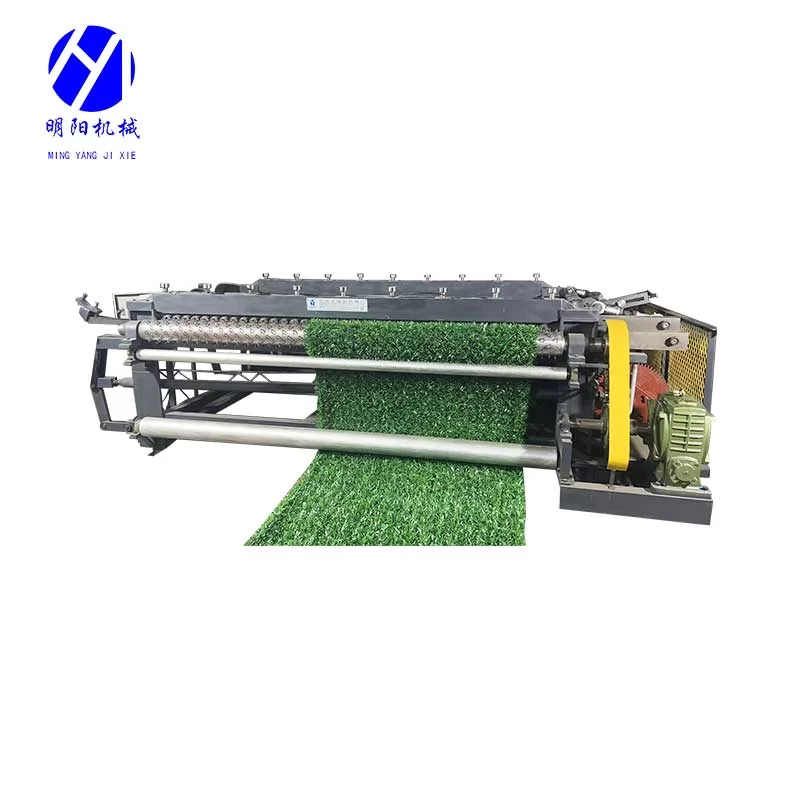
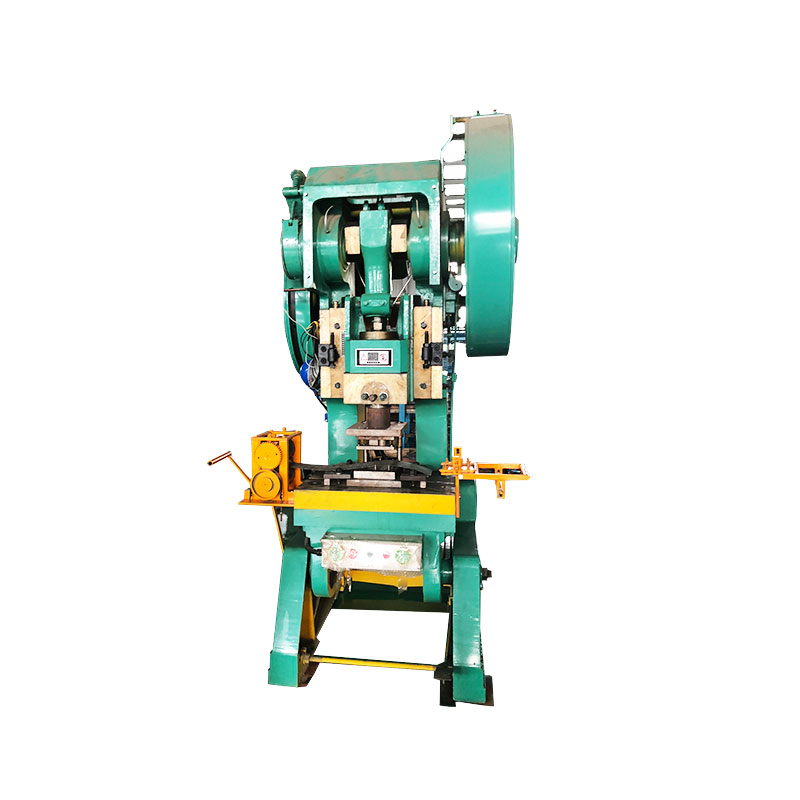
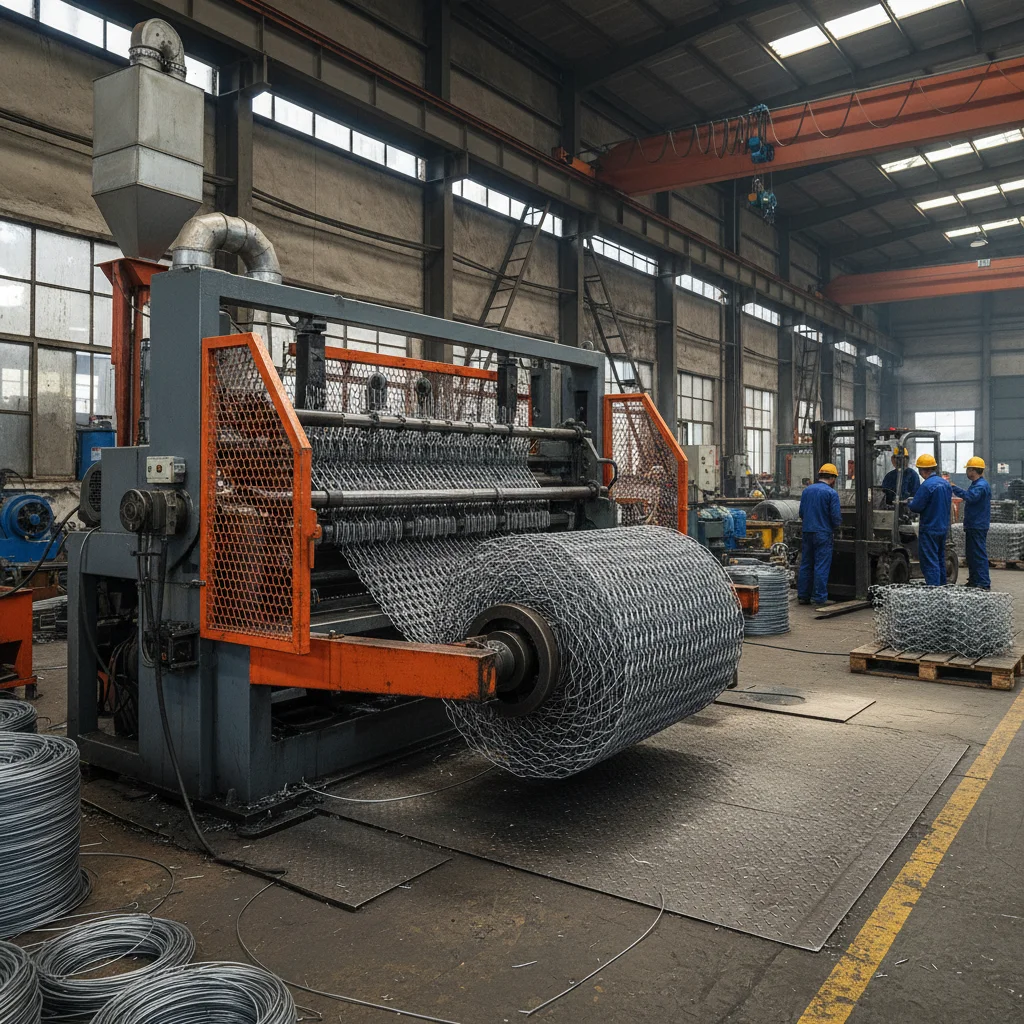
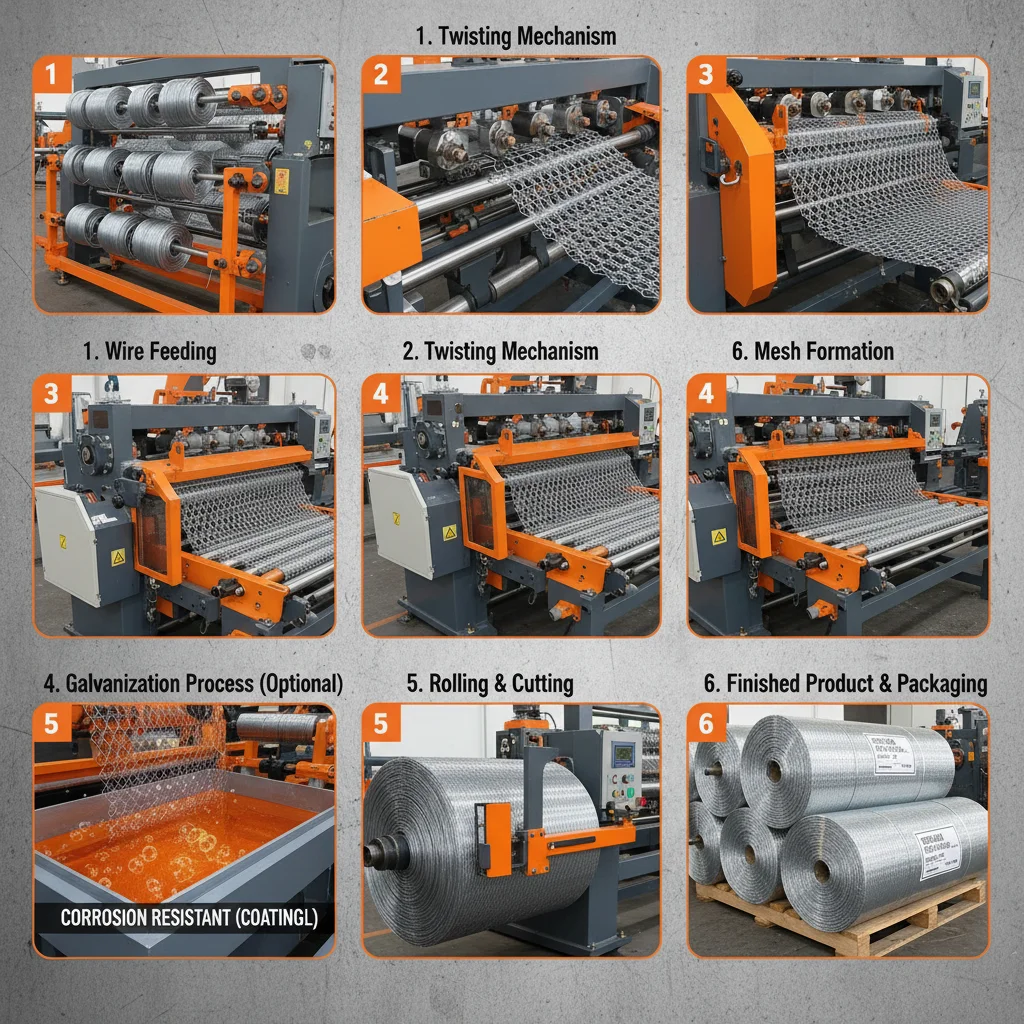
Put simply, a binding wire drawing machine is specialized equipment used to pull steel wire through progressively smaller dies to reduce its diameter and increase its length. This process — known as wire drawing — improves the wire’s tensile strength and surface quality, making it suitable for “binding” purposes: securely tying construction materials, packaging loads, or agricultural fencing.
The machine’s operation may seem straightforward, but finely tuned components like drawing dies, lubricating systems, and take-up reels ensure consistent quality. Its importance extends beyond mundane tying tasks: in many cases, these drawn wires are critical safety components.
Mini takeaway: It’s not just a machine pulling on wire — it’s a precision tool shaping foundational industrial materials with huge ramifications in construction and logistics.
Core Components and Key Features of Binding Wire Drawing Machines
1. Durability and Material Handling
The machine’s frame and drawing dies typically use hardened steel or carbide materials to withstand prolonged wear. Many engineers I’ve talked to emphasize reliability here — if the dies aren’t durable, quality drops quickly, and downtime spikes.
2. Scalability and Production Speed
Modern models offer variable speed controls allowing manufacturers to increase throughput without stressing the wire, balancing speed and quality intelligently.
3. Cost Efficiency
Machines designed to minimize lubricant use and energy consumption can drastically cut operational costs. Over years, these savings grow significantly.
4. Automation and Control Systems
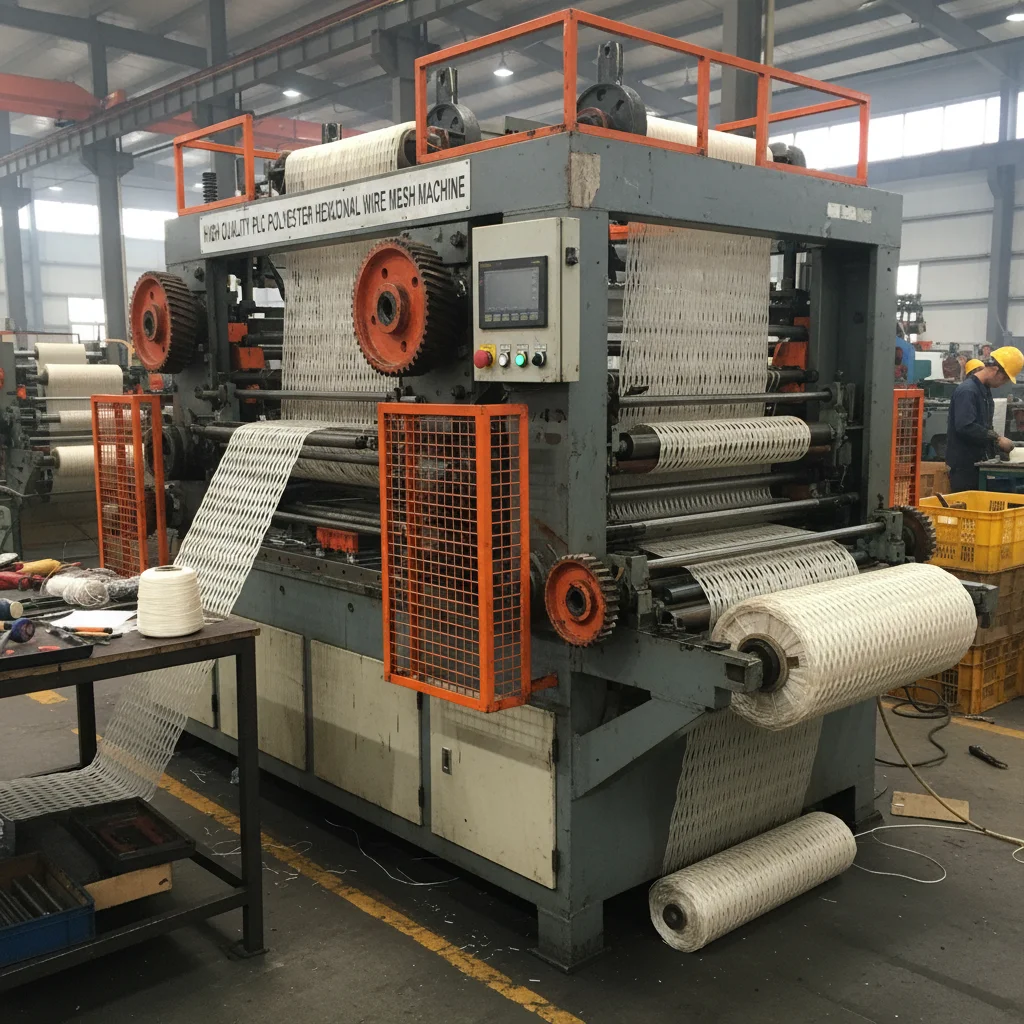
Integration with PLCs (programmable logic controllers) and real-time monitoring enable precise control over wire tension, diameter, and speed, reducing errors and material waste.
5. Flexibility and Customization
Some machines handle a range of wire gauges and materials (including galvanized and stainless steel), giving manufacturers versatility for different applications.
6. Safety Features
Given the high tensions involved, emergency stop systems and protective guards are standard to protect operators, reflecting evolving workplace safety norms.
Mini takeaway: These machines balance toughness, speed, and smart controls, making them the backbone of efficient wire production facilities.
Where Binding Wire Drawing Machines Make a Difference Worldwide
From large urban centers to remote rural zones, these machines have found varied applications:
- Construction hubs use them to produce binding wire for securing rebar and structural elements.
- Packaging industries rely on drawn binding wire for pallet wrapping and cargo securing, especially in manufacturing hotspots like Germany and China.
- Agriculture in Sub-Saharan Africa benefits from fencing wire to protect farmland and livestock, improving local economies.
- Disaster relief and emergency housing need binding wire for fast, durable setup of temporary shelters and structural support.
One insightful example: during recent earthquake relief efforts in Japan, portable wire drawing setups were used directly on-site to produce just-in-time binding wires, saving time and costs.
Mini takeaway: Binding wire drawing machines aren’t just factory workhorses. Their reach touches construction sites, supply chains, farms, and emergency zones worldwide.
Advantages and the Long-Term Value of Using Binding Wire Drawing Machines
These machines deliver tangible benefits that extend beyond just making wire. Here’s why they matter:
- Cost-effective production: Reduced waste means savings passed on to end-users.
- Sustainability: Energy-efficient models contribute to lower carbon footprints.
- Reliability and safety: Consistent wire quality reduces material failures, saving lives and money.
- Innovation: Smart machines can adapt quickly to new industry requirements.
Frankly, for many manufacturers, investing in modern wire drawing machines is about trust — trusting that each batch of binding wire will hold up, whatever the job.
Mini takeaway: Beyond cost, these machines preserve safety, support innovation, and promote environmental stewardship in wire production.
Looking Ahead: Trends and Innovations in Binding Wire Drawing Technology
As green manufacturing becomes a must, machine builders are focusing on:
- High-efficiency motors reducing electricity use.
- Robotics and automation for zero-defect production lines.
- Use of advanced alloys and eco-friendly lubricants that extend die life and reduce pollution.
- Smart diagnostics and IoT integration enabling remote monitoring and predictive maintenance.
This digital transformation promises not just faster wiring but “smarter” wiring — adjustable on the fly and closely linked with supply chain systems.
Mini takeaway: The future is a melding of old-school metalwork with cutting-edge tech — which, frankly, is kind of exciting to watch.
Common Challenges and How Experts Are Tackling Them
Despite advances, issues remain common:
- Die wear leads to quality inconsistencies.
- High energy consumption still burdens factories.
- Lubricant waste impacts the environment.
- Skilled operator shortage in some regions.
Innovative solutions include:
- Using ultra-hard nano-coatings on dies to prolong life.
- Switching to eco-lubricants based on biodegradable oils.
- Implementing energy recovery systems within wire drawing lines.
- Remote training platforms helping operators worldwide upskill without lengthy downtime.
Mini takeaway: The industry isn’t static — ongoing improvements tackle both traditional and new challenges head-on.
Frequently Asked Questions About Binding Wire Drawing Machines
- Q1: How long does it take for a typical binding wire drawing machine to install and start production?
- A: Installation usually takes a few days to a week depending on machine size and site readiness. After set-up, calibration and trial runs ensure wire quality before full production starts.
- Q2: Can these machines handle different wire materials besides plain steel?
- A: Yes, many models can process galvanized, stainless steel, and even copper wires, but adjustments to die size and lubricants might be necessary for optimal results.
- Q3: How energy-efficient are modern binding wire drawing machines compared to older models?
- A: Advances in motor technology and automation have improved efficiency by up to 30-40% in recent generations, reducing power usage and operational costs significantly.
- Q4: Is it difficult to train operators for these machines?
- A: While there’s a learning curve, manufacturers now offer comprehensive training packages, including remote support. Operators typically achieve competency within a few weeks.
- Q5: What are some signs a wire drawing machine needs maintenance?
- A: Common indicators include inconsistent wire diameter, unusual noises, increased energy consumption, and visible die wear. Preventive maintenance schedules help avoid costly downtime.
Conclusion: Binding Wire Drawing Machines Are More Than Just Tools
In the grand scheme, these machines might seem humble, but they are foundational to modern industry’s backbone. They transform raw steel wire into versatile, dependable binding wire — essential for safe construction, robust packaging, and more sustainable supply chains.
If you’re in manufacturing or supply chain management, understanding these machines offers an edge — a way to improve costs, elevate quality, and reduce environmental footprints.
Ready to explore advanced, reliable binding wire drawing machines that meet today’s challenges? Check out our detailed product range and expert support at HT Mesh Machines, where innovation meets tradition in wire manufacturing.
Keep an eye on the industry — it’s evolving faster than you think.
Product Specification Table
| Specification |
Typical Value |
Notes |
| Input Wire Diameter |
5 mm to 8 mm |
Raw wire before drawing |
| Output Wire Diameter |
1 mm to 3 mm |
Depends on die sets used |
| Max Drawing Speed |
80 m/min |
Variable speed control |
| Power Consumption |
12 kW (approx.) |
Depends on model size |
| Lubrication System |
Oil-mist or water-based |
Reduces die wear and wire surface defects |
| Control System |
PLC with HMI interface |
Enables automation and monitoring |
Vendor Comparison Table
| Feature |
HT Mesh Machines |
Competitor A |
Competitor B |
| Maximum Drawing Speed |
80 m/min |
65 m/min |
70 m/min |
| Energy Efficiency |
High (12kW avg.) |
Moderate |
Low |
| Automation Level |
Full PLC |
Semi-automated |
Manual controls |
| Warranty |
24 months |
18 months |
12 months |
| After-sales Support |
Global helpline + local technicians |
Regional only |
Limited |
References
- World Bank - Infrastructure Overview
- International Energy Agency - Iron and Steel Sector Report
- Wikipedia - Wire Drawing