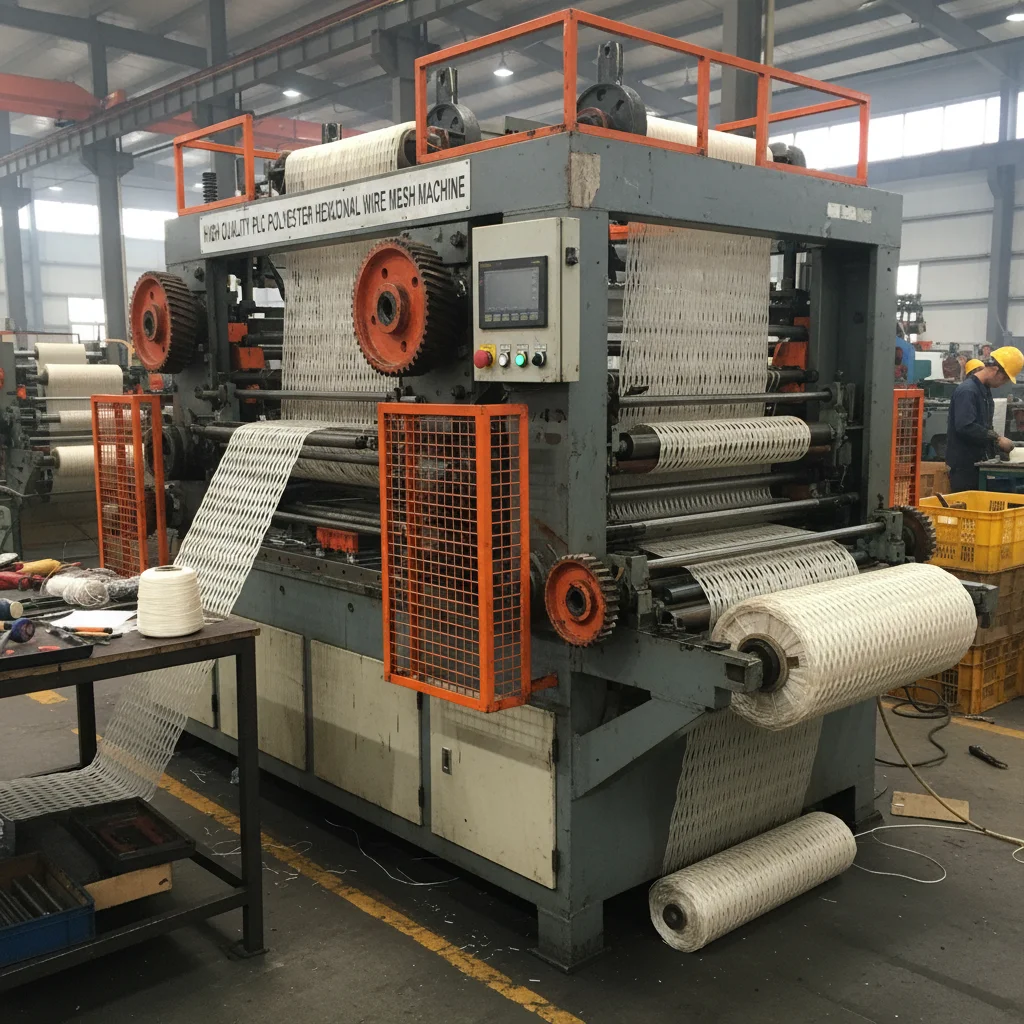
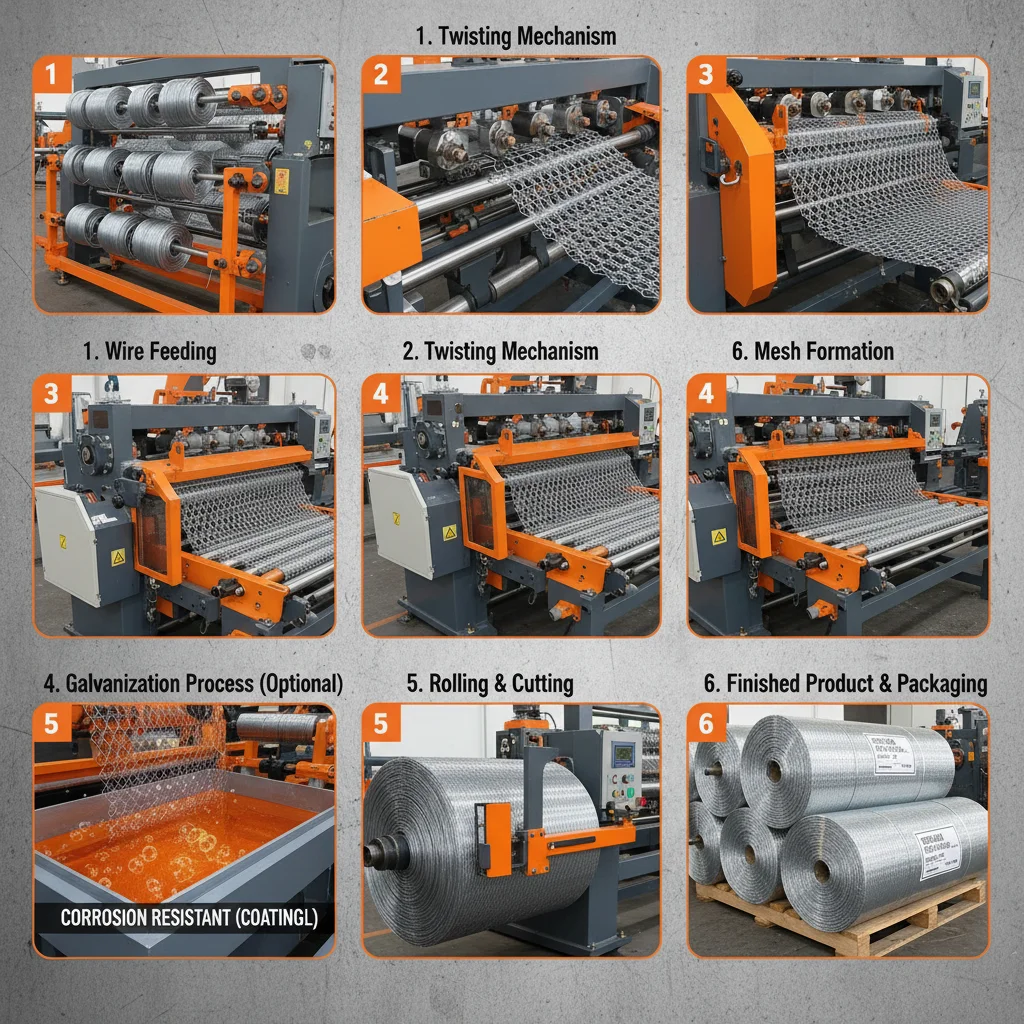
Understanding Wire Drawing Machine Design: What It Is and Why It Matters
If you’ve ever thought about how the fine wires in cables, electronics, or even jewelry get their precise dimensions, the answer lies largely in the mechanics of wire drawing machines. The wire drawing machine design process isn’t just an industrial curiosity — it's a key technology powering countless modern applications worldwide. From telecommunications infrastructure to aerospace wiring, the better the design, the more efficient, consistent, and reliable the wire production becomes.
Globally, wire production is a booming sector — according to the International Electrotechnical Commission (IEC), the demand for high-strength, fine wires has grown by nearly 5% annually over the last decade. Behind those numbers is a growing need for machines that can handle finer gauges, tougher materials, and higher production speeds. It’s this idea — how the design intricacies directly impact efficiency and quality — that we’ll explore here.
Mini takeaway: Wire drawing machine design drives the backbone of numerous industries by enabling production of wires with precise tolerances and enhanced mechanical properties.
The Global Industry Context: Why Wire Drawing Machine Design Is Critical
In a world increasingly dependent on electrification, telecommunications, and renewable energy, raw wire production isn’t a simple task. The World Bank estimates that infrastructure projects requiring specialized wire — think power lines, solar panel wiring, or 5G networks — will double in the next 15 years. That ups the ante considerably for drawing machine designers who face ever-changing demands.
However, the challenges are many: maintaining wire quality at higher speeds, reducing waste, and ensuring the sustainability of the whole process. This is where advanced wire drawing machine design steps in, balancing speed, precision, and material properties without sacrificing cost efficiency.
One big problem the industry faces is the aging machinery in many factories across Asia and Eastern Europe. Some plants still use decades-old designs that do not scale well or support modern alloys. So, there’s a strong push to innovate.
Mini takeaway: Optimizing machine design is vital to meet the global surge in demand for advanced wire products while controlling costs and environmental impact.
Defining Wire Drawing Machine Design: The Basics
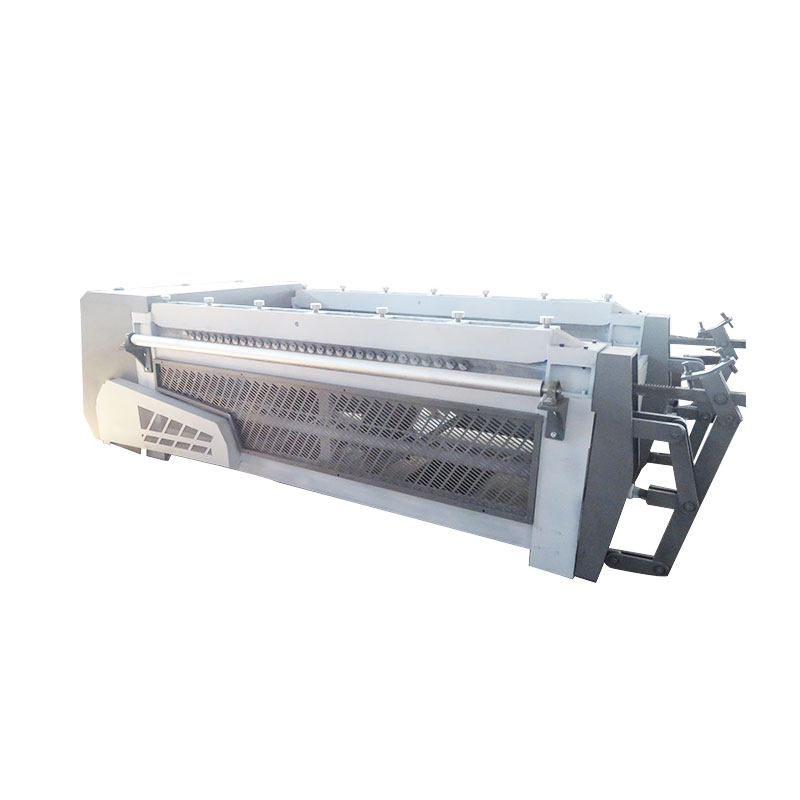
At its core, wire drawing machine design refers to the creation and configuration of equipment that pulls metal wire through a series of dies to reduce its diameter. Through this mechanical process, the wire gains strength and a smooth surface finish.
Imagine pulling a thick rope through a narrow funnel that shapes and stretches it — that’s roughly how the wire drawing works. Designers must specify everything from the frame layout, die materials, lubrication systems, tension controls, and motor capacities to the wire storage mechanisms.
This design effort ties closely to industries concerned with performance and safety — aerospace wires, medical device cables, and automotive harnesses all rely on reliably drawn wire.
Mini takeaway: The design of wire drawing machines is fundamentally about precision mechanics aligned to material science and production efficiency.
Core Components of Wire Drawing Machine Design
1. Durability and Material Selection
The metal wire pulls strains the machine components relentlessly. So, engineers prefer high-grade steel, wear-resistant alloys, or even composites to construct the frame and drawing dies.
2. Scalability and Speed
From drawing copper wires for electronics to stainless steel cables for construction, machines need adjustable speeds and scalable modules. Variable frequency drives (VFDs) allow fine-tuning of wire speed, balancing production rate with wire integrity.
3. Lubrication and Cooling Systems
Friction can ruin the wire surface or damage dies. So, integrated lubrication setups circulate oils or specialized fluids, sometimes cooled, to reduce heat and wear.
4. Automation and Safety Controls
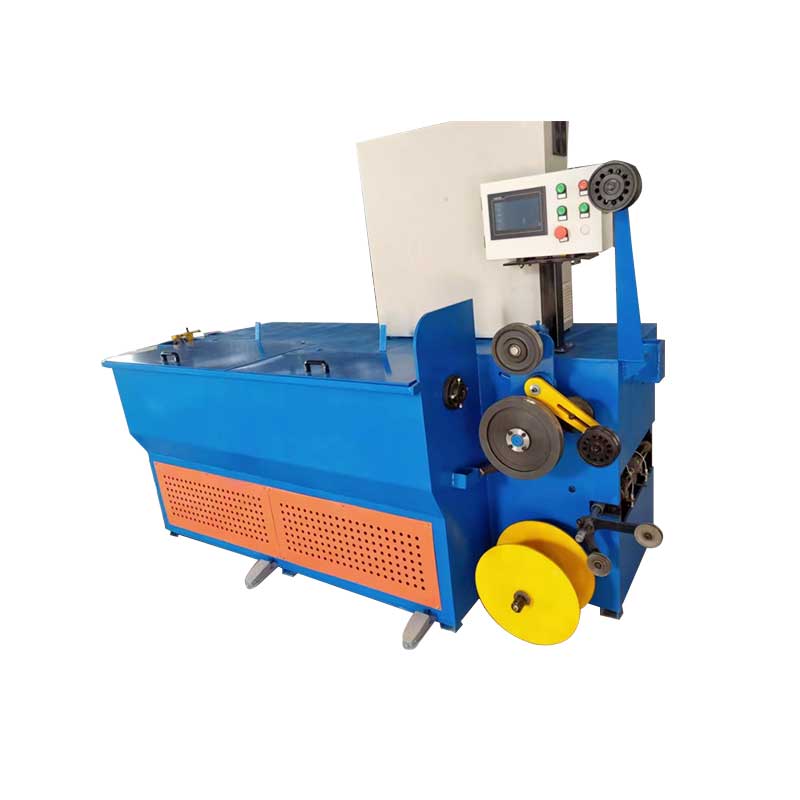
Modern wire drawing machines often feature automated tension control, force sensors, and emergency stop functions — making the process safer and more consistent.
5. Cost Efficiency and Maintenance
Designers must prioritize ease of maintenance, replaceable parts, and energy-efficient motors to reduce overall operating costs without compromising output quality.
Mini takeaway: These components combined explain why wire drawing machines are precision instruments rather than simple industrial pullers.
How Wire Drawing Machines Are Changing the Global Landscape
The real-world impact of these design principles is visible in several major sectors:
- Telecommunication Industry: Optical fiber and copper wires for broadband have benefited from machines capable of ultra-fine drawing with minimal defects.
- Renewable Energy Projects: High-strength wires fuel wind turbines and solar panel frameworks, often in remote or harsh environments.
- Disaster Relief and Infrastructure: Portable drawing machines with robust designs allow quick wire repair or construction in post-disaster scenarios, maintaining crucial power and communication links.
Oddly enough, some humanitarian agencies are exploring compact machines to rebuild power grids rapidly, which speaks to the versatility and social impact of good machine design.
Wire Drawing Machine Product Specification Table
| Feature |
Specification |
Benefit |
| Wire diameter range |
0.1 mm - 12 mm |
Wide application versatility |
| Max drawing speed |
100 m/min |
High productivity |
| Material Frame |
Alloy Steel with anti-corrosion coating |
Durability in harsh conditions |
| Automation Level |
Full PLC integration |
Consistent quality control |
| Lubrication System |
Closed loop, temperature controlled |
Reduced wear and longer machine life |
Comparing Top Wire Drawing Machine Vendors
| Vendor |
Product Range |
Price
(Approx.) |
Special Features |
Warranty |
| HTM Machines |
0.1 mm to 10 mm |
$40,000 - $120,000 |
Energy-efficient motors, remote system monitoring |
2 years |
| Global WireTech |
0.2 mm to 12 mm |
$50,000 - $130,000 |
Customizable die sets, enhanced cooling |
3 years |
| Precision Draw Solutions |
0.05 mm to 8 mm |
$45,000 - $110,000 |
Fully automated with AI tension adjustment |
1.5 years |
What Advantages Does Wire Drawing Machine Design Offer?
Why invest effort and capital into refining these machine designs? First, the tangible gains: reduced production costs through better energy efficiency, less waste material, and fewer breakdowns save factories millions over machinery lifetimes.
Second, the sustainability angle is increasingly important. Better designs use less lubricant, generate less heat, and can adapt to recycled metals — all good for meeting ISO environmental standards.
From a human perspective, reliable machines mean safer workplaces and consistent wire quality. Customers trust that products won’t fail prematurely, which in industries like aerospace or medical devices, literally saves lives.
Mini takeaway: Effective wire drawing machine design combines economy, environmental responsibility, and social value all in a single package.
Emerging Trends and Innovations on the Horizon
The future of wire drawing machines, it seems, points toward smarter, more adaptable technology. Digital transformation is key: Internet of Things (IoT) sensors monitor wear, temperature, and tension in real-time, enabling predictive maintenance instead of reactive fixes.
Also, new die materials incorporating nano-coatings promise longer life at higher speeds. Automation and robotics allow multi-wire simultaneous drawing — cutting production times and costs.
Lastly, there’s a push toward "green manufacturing." Hybrid power supplies combining solar or grid power with battery backups allow remote facilities to run wire drawing plants sustainably. Clearly, this sector isn’t standing still.
Mini takeaway: Expect wire drawing machines to become smarter, greener, and far more efficient in the near future.
Challenges Designers Still Face and How They’re Overcome
No design is perfect, and wire drawing machinery has its share of hurdles. Controlling micro cracks in brittle alloys or dealing with fluctuating feedstock quality calls for adaptive controls and testing systems.
Many engineers say a key bottleneck is die wear and replacement downtime. To address that, modular and quick-change die systems have been introduced, minimizing production stops.
Moreover, with globalization comes supply chain challenges for high-quality parts. Manufacturers respond by using local outsourcing and extensive quality assurance protocols.
Mini takeaway: While challenges persist, innovative engineering keeps pushing these machines toward greater resilience and flexibility.
FAQ: Frequently Asked Questions About Wire Drawing Machine Design
Q1: What key features should I look for in a wire drawing machine for small-scale production?
A1: Focus on versatility in wire diameter, ease of die changes, and basic automation like tension control. Compact footprint and energy efficiency are also valuable for smaller setups.
Q2: Can wire drawing machines handle exotic metals like titanium or alloys?
A2: Yes, but these require specialized dies, stronger machinery, and precise cooling/lubrication systems to handle harder, more brittle materials without damaging the wire or equipment.
Q3: How do I ensure consistent wire quality during large production runs?
A3: Utilize machines with automated tension feedback, regular die inspections, and continuous lubrication monitoring. Incorporate inline testing equipment if possible.
Q4: Are there environmental benefits to using newer wire drawing machine designs?
A4: Definitely. Modern designs reduce lubricant use, lower energy consumption, and often support recycled materials, aligning with sustainability targets.
Q5: How complicated is maintenance on these machines?
A5: Maintenance complexity depends on the design, but many modern machines prioritize modular parts and remote diagnostics to simplify upkeep and avoid costly downtimes.
Wrapping It Up: Why Wire Drawing Machine Design Is Worth Your Attention
Overall, the intricacies behind wire drawing machine design shape the quality, efficiency, and sustainability of wire-based products worldwide. Whether you're a factory manager, engineer, or business owner, investing in modern, well-designed drawing machinery pays dividends in long-term reliability and cost savings.
Interested in learning more or exploring specific solutions? Visit our website: wire drawing machine design for detailed options and expert guidance tailored to your needs.
References
- Wikipedia – Wire Drawing
- International Organization for Standardization (ISO)
- World Bank – Infrastructure Development