What Is an Aluminum Wire Drawing Machine, and Why Should You Care?
At a glance, an aluminum wire drawing machine might sound like a bland piece of industrial kit. But as with many things that keep the world turning smoothly, it actually plays a pretty vital role in modern manufacturing and infrastructure — not just for factories, but for global economies and even humanitarian efforts.
Simply put, this machine transforms thick aluminum rods into thin wires with remarkable precision, which then get used for everything from power lines to electronics and aerospace components. Considering aluminum’s rise as a preferred metal — due to its lightweight and conductive properties — understanding this machinery is key to grasping how industries keep evolving, and why aluminum itself is so central to future tech and sustainability goals.
And hey, if you work in manufacturing, R&D, or supply chain management, knowing these machines inside-out can unlock smarter sourcing decisions and innovation opportunities.
The Global Stage: Why Aluminum Wire Drawing Machines Matter
Across the globe, the demand for aluminum wire products is soaring. According to the International Aluminum Institute, global aluminum production topped 70 million metric tons recently, while the World Bank highlights the surge in infrastructure and renewable energy projects relying on lightweight, durable wiring. But here’s the kicker: producing ultra-fine aluminum wire requires more than just raw metal — it demands machinery that’s accurate, reliable, and adaptable.
Without high-performance aluminum wire drawing machines, it’s tough to meet stringent industry standards or scale efficiently. This becomes crucial when countries push for greener grids or when tech firms race to shrink microelectronics. In short, these machines are quietly pivotal to solving big energy and manufacturing challenges worldwide.
Demystifying the Aluminum Wire Drawing Machine
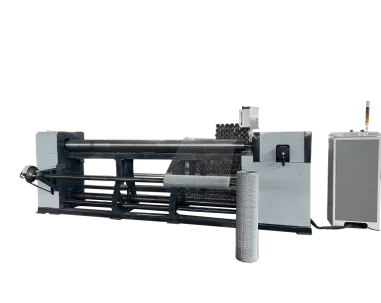
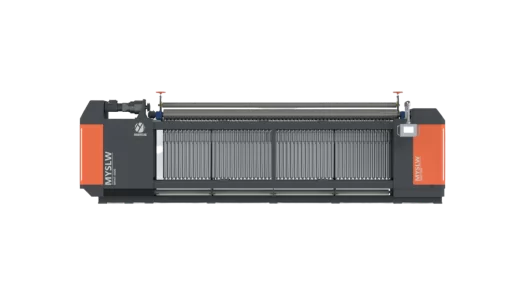
So, what is it exactly? Think of the aluminum wire drawing machine as an industrial "shrinker." It pulls thick aluminum rods through a series of dies, each smaller than the last, stretching the metal to reduce its diameter while increasing its length. The process needs to be meticulous to avoid fractures, maintain electrical conductivity, and ensure surface quality.
This machinery is the unsung hero behind power cables in cities, satellite wiring, and even the flexible aluminum wires in your headphones. In emergency situations — like post-disaster communication lines or makeshift power setups — the reliability of wire drawing processes can directly impact speed and safety.
Core Aspects of Aluminum Wire Drawing Machines
1. Durability and Build Quality
Most engineers I talk to swear by robust construction as the single most important feature. These machines work under high tension, pulling metal wire for hours without faltering. Frames made from hardened steel paired with precision die holders ensure longevity, which saves replacement costs and downtime.
2. Scalability and Flexibility
Modern designs often let operators adjust die sequences and wire feeding speeds to accommodate different wire gauges or aluminum alloys. This means a single machine can serve multiple product lines — from thicker electrical cables to ultra-fine wires for electronics.
3. Cost Efficiency
Energy and material waste are big concerns here. Efficient motors and lubrication systems cut down electricity use and reduce surface defects on wires, minimizing scrapped product — which in turn keeps total production costs in check.
4. Automation and Digital Controls
Digital interfaces and sensors are increasingly common, allowing real-time monitoring of tension, speed, and temperature. This doesn’t just improve output — it lowers mechanical failures and reduces operator fatigue in a pretty demanding environment.
5. Safety Features
Given the machine’s intense mechanical forces, safety guards, emergency stop buttons, and enclosures are standard. Some manufacturers also add predictive maintenance alerts to head off hazards before they occur.
Mini Takeaway:
The best aluminum wire drawing machines blend rugged mechanical engineering with sophisticated controls to juggle durability, cost, and precision — all without breaking a sweat.
Real-World Impact: Who Benefits and How
Industries spanning from aerospace (think satellite wiring) to electrical transmission lines benefit tremendously. In countries investing heavily in renewable energy, aluminum wiring offers better conductivity per weight than copper, boosting installation ease and reducing environmental footprint.
Example: After the 2017 hurricanes in Puerto Rico, companies used portable aluminum wire drawing setups to quickly produce replacement cables in-field, speeding up restoration work and powering hospitals faster. In Asia’s industrial hubs, these machines underpin the manufacture of lightweight electric vehicle wiring harnesses which are gradually replacing heavier copper-based ones.
Remote mining operations leverage compact machines for onsite wire production, avoiding costly imports and supply disruptions.
Advantages of Using Aluminum Wire Drawing Machines
- Reduced material costs: Aluminum is generally cheaper than copper and more abundant.
- Sustainability: Aluminum is highly recyclable, and modern machines optimize waste reduction during production.
- Lightweight wiring: Improvements help industries lower overall product weight, enhancing fuel efficiency or portability.
- Durability and corrosion resistance: Essential for harsh environments and long-term infrastructure projects.
- Elevated safety: High-quality wire reduces electrical faults and fire risks.
Emotionally, this means better, safer lives for end-users — few think about wires until the power goes out, but reliable wiring builds trust and peace of mind in infrastructure.
Product Specification Table
| Specification |
Typical Range |
Notes |
| Wire Diameter (after drawing) |
0.1 mm – 10 mm |
Depends on die sets and machine model |
| Maximum Drawing Speed |
1 – 50 m/s |
Higher speed models available for mass production |
| Motor Power |
5 kW – 30 kW |
Energy efficient motors common in newer models |
| Control System |
Manual, PLC, or CNC |
Digital monitoring increasing rapidly |
| Approximate Weight |
800 – 3500 kg |
Varies by size and capacity |
Vendor Comparison: Which Aluminum Wire Drawing Machine Suits Your Needs?
| Feature |
HTM Machinery |
WirePro Solutions |
MetalTech Draw |
| Draw Speed (max) |
50 m/s |
45 m/s |
42 m/s |
| Automation Level |
Full PLC with real-time monitoring |
Semi-automatic |
Manual with optional upgrades |
| Energy Efficiency |
High, with regenerative braking |
Moderate |
Basic |
| Price Range |
$$$ |
$$ |
$ |
| Warranty |
3 years |
2 years |
1 year |
Looking Ahead: Innovations Transforming Aluminum Wire Drawing
The shift towards sustainability and Industry 4.0 is spotlighting smart aluminum wire drawing machines. Automated adjustments based on AI image recognition to detect wire flaws as they’re pulled? That’s no longer sci-fi but already piloted in some factories.
Materials science is also working on hybrid aluminum alloys allowing even thinner wires without performance loss, helping electronics get lighter and more flexible. All this happens while adhering to stricter environmental regulations worldwide, nudging manufacturers toward zero-waste solutions and using green-powered equipment.
Common Challenges and How to Overcome Them
Of course, it’s not all smooth. Wire breaks during drawing remain a headache if setup is incorrect, and ensuring consistent temperature control can require expensive sensors and more operator expertise. Some companies wrestle with importing dies or parts due to regional trade limits.
Innovative approaches like remote monitoring, modular machine design for rapid die swaps, and local partnerships for sourcing consumables help user communities lower these barriers. Plus, training programs have cropped up worldwide emphasizing the nuanced art of wire drawing — because guess what — despite machines helping, human know-how still rules.
FAQ: Common Questions About Aluminum Wire Drawing Machines
- Q1: What range of wire diameters can aluminum wire drawing machines handle?
- A1: Most machines cover a diameter range from roughly 0.1 mm up to 10 mm, with modular die sets letting you fine-tune for specific wire thicknesses suitable for your application.
- Q2: How energy efficient are modern aluminum wire drawing machines?
- A2: Thanks to optimized motors and features like regenerative braking, newer machines can cut electricity consumption by up to 30% compared to older models, improving sustainability and operational costs.
- Q3: Are aluminum wires drawn with these machines suitable for high voltage power lines?
- A3: Absolutely. Aluminum's conductivity and corrosion resistance, combined with fine control in the drawing process, make these wires ideal for overhead and underground power distribution.
- Q4: Can these machines be customized for specific alloys or wire shapes?
- A4: Yes. Many machines allow adjustments for different aluminum alloys and even non-round wire profiles, depending on die configurations, feeding systems, and control software.
- Q5: How do companies ensure quality control during wire drawing?
- A5: Most rely on digital sensors monitoring tension, surface finish, and diameter in real time, enabling immediate corrections to prevent defects and maintain consistency.
Wrapping Up: Why Investing in Aluminum Wire Drawing Machines is Smart
When you think about it, these machines are silent enablers behind a lot of what we take for granted — reliable power, phones that work, electric cars that last longer. If your business is looking for a way to optimize production or explore new lightweight wiring applications, investing in a quality aluminum wire drawing machine could be a game changer.
Plus, sustainability is no longer optional. Choosing that next machine wisely means lower costs, less waste, and being ready for the innovations ahead.
Curious to explore top-tier options? Visit HTM Machinery for trusted, cutting-edge solutions tailored to your needs.
Mini Takeaway:
Aluminum wire drawing machines are quietly revolutionizing manufacturing worldwide — and knowing their ins and outs is more relevant than ever.
References:
- Wikipedia: Aluminium
- World Bank: Infrastructure Data
- ISO Standards for Wire Drawing