Understanding the Impact of the Automatic Welded Wire Mesh Machine
From the backbone of sprawling construction projects to the heart of modern manufacturing facilities, the automatic welded wire mesh machine is quietly reshaping how industries approach productivity and efficiency worldwide. While it may sound niche or technical at first, understanding this machine’s role sheds light on a global dynamic of faster construction, sustainable sourcing, and high-strength materials that communities everywhere rely on. If you’re curious why cities are rising faster or fences last longer, this is part of the story.
In real terms, the automatic welded wire mesh machine offers a streamlined method to produce welded wire mesh—grids made from steel or other metal wires, fused at intersections by heat or pressure. These meshes are everywhere: infrastructure, agricultural fencing, even in disaster relief shelters. The global scale of demand is pretty remarkable, given the myriad industrial, commercial, and humanitarian applications.
Mini takeaway: Automatic welded wire mesh machines contribute significantly to faster and more reliable infrastructure development, influencing industries and communities worldwide.
A Global Perspective: Why This Technology Matters
According to the International Steel Fabricators Association, demand for welded wire mesh has grown by roughly 4% annually over the past decade, especially in emerging markets. Why? Because it’s a go-to for reinforcing concrete structures, building safety barriers, and even controlling erosion. Urbanization in Asia and Africa is lifting infrastructure needs to new heights, while at the same time, humanitarian organizations rely on these materials for quick, resilient shelter solutions in disaster zones.
However, manually producing welded wire mesh is a notorious bottleneck—slow, inconsistent, and labor-intensive. The automatic welded wire mesh machine tackles this by mechanizing production with precision and speed. This machine automates feeding, welding, and cutting of wire, achieving both volume and uniform quality. So, it’s quite literally helping build the future, one mesh panel at a time.
Mini takeaway: Automation helps bridge infrastructure gaps in rapidly developing and disaster-affected regions, improving quality and availability.
What Exactly Is an Automatic Welded Wire Mesh Machine?
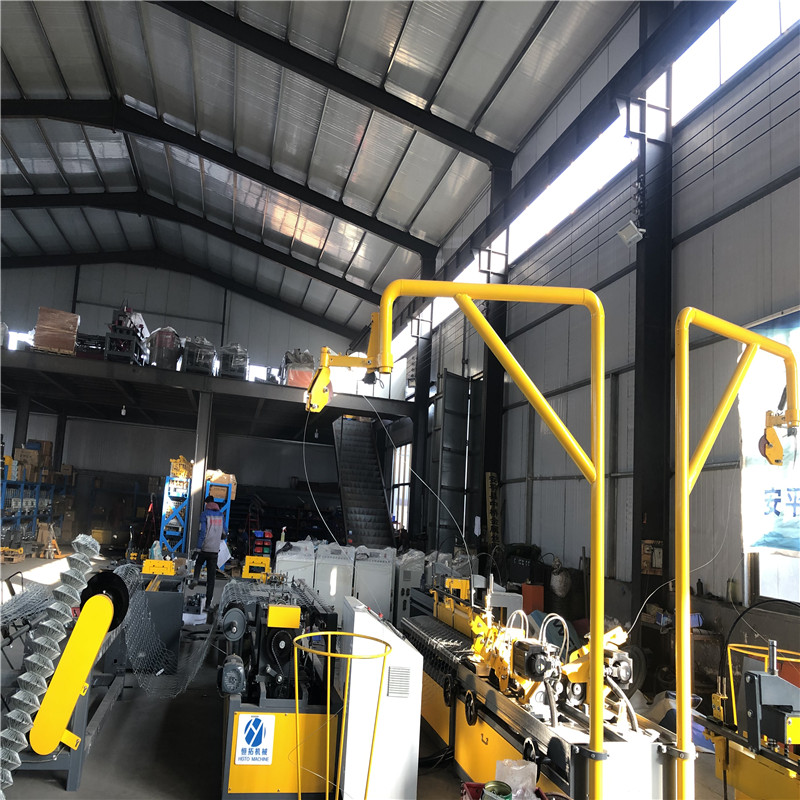
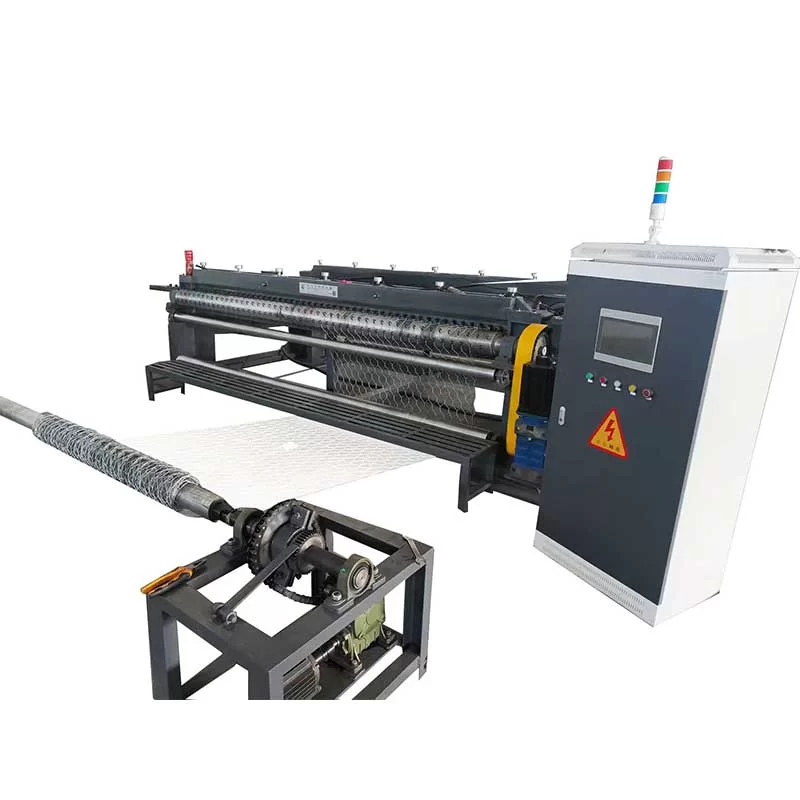
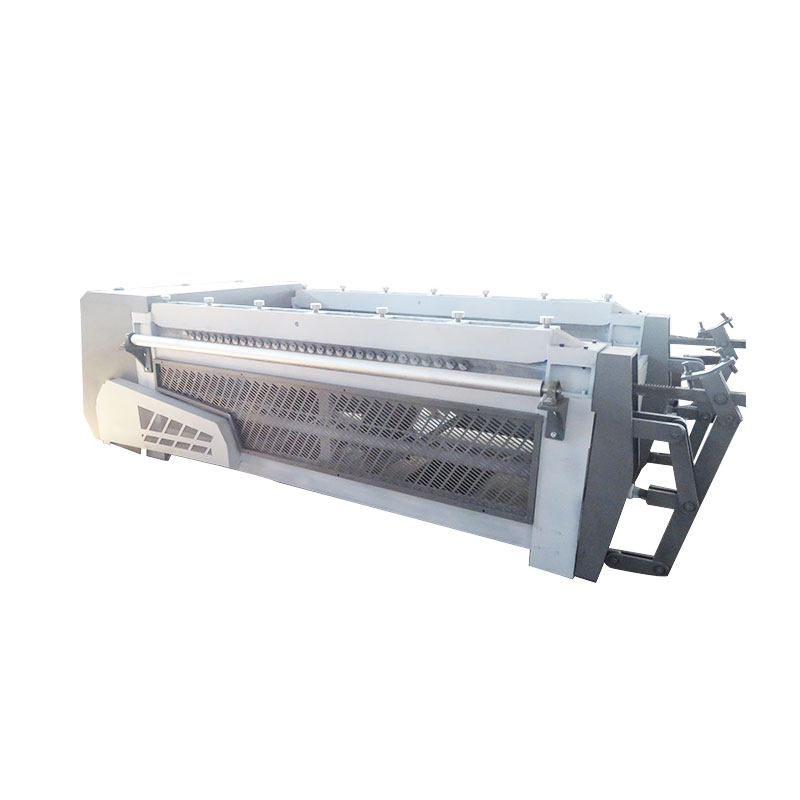
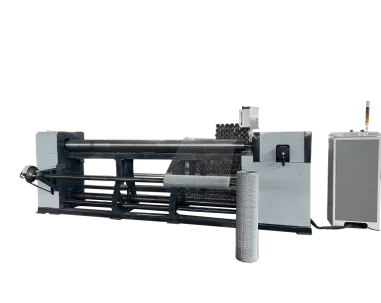
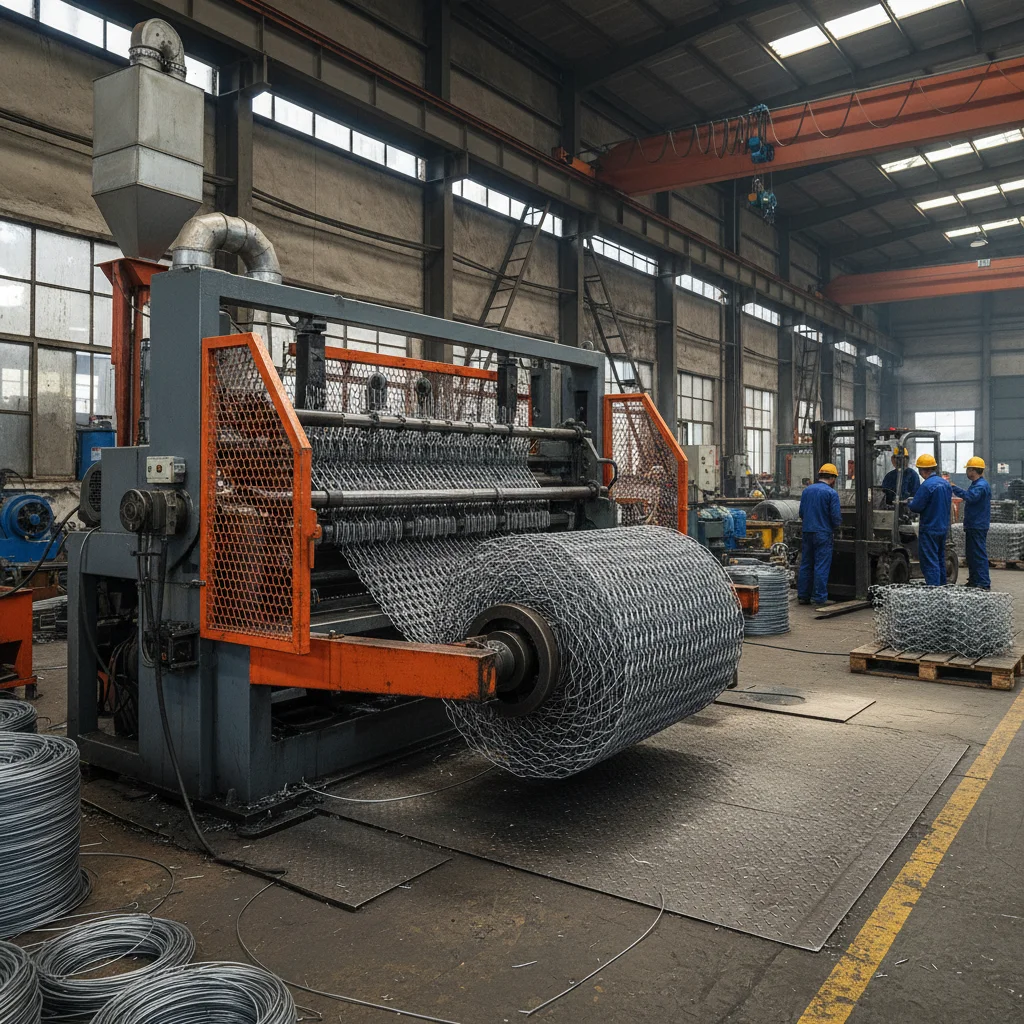
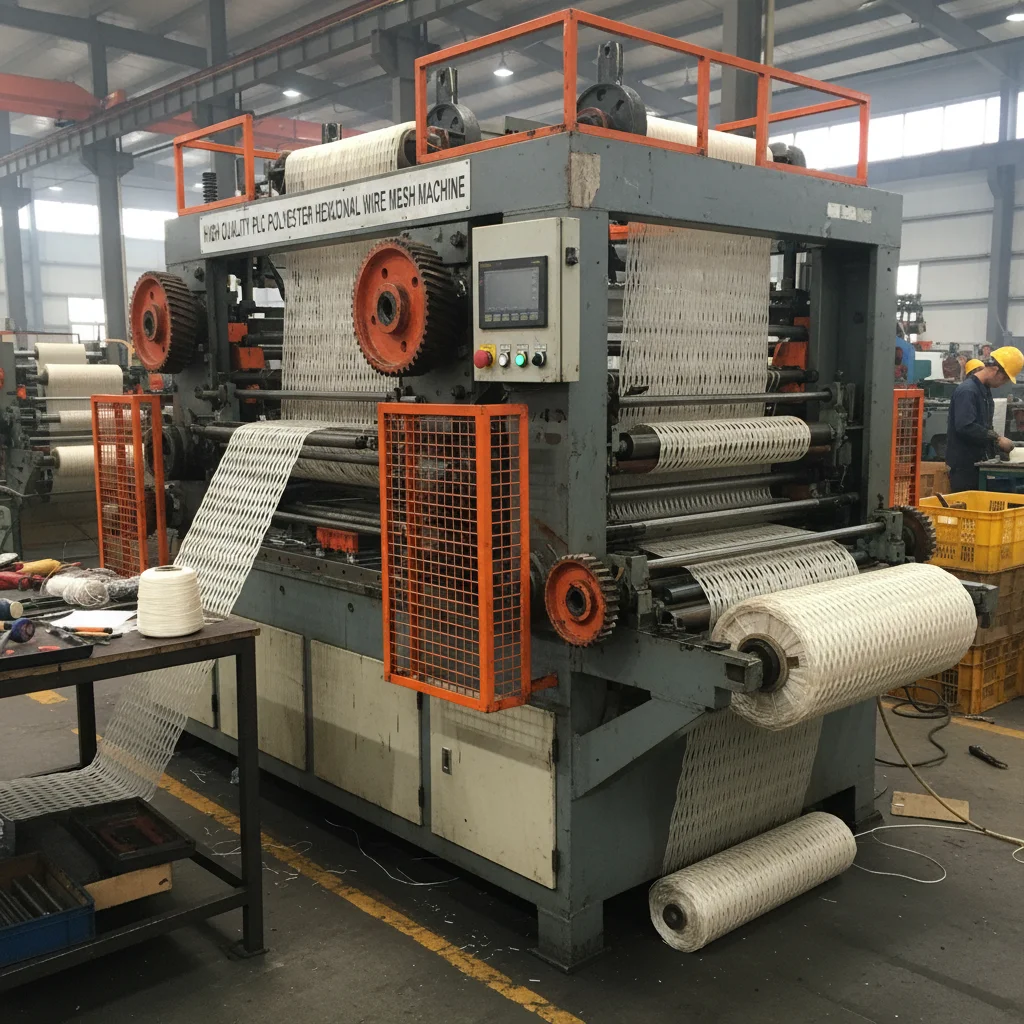
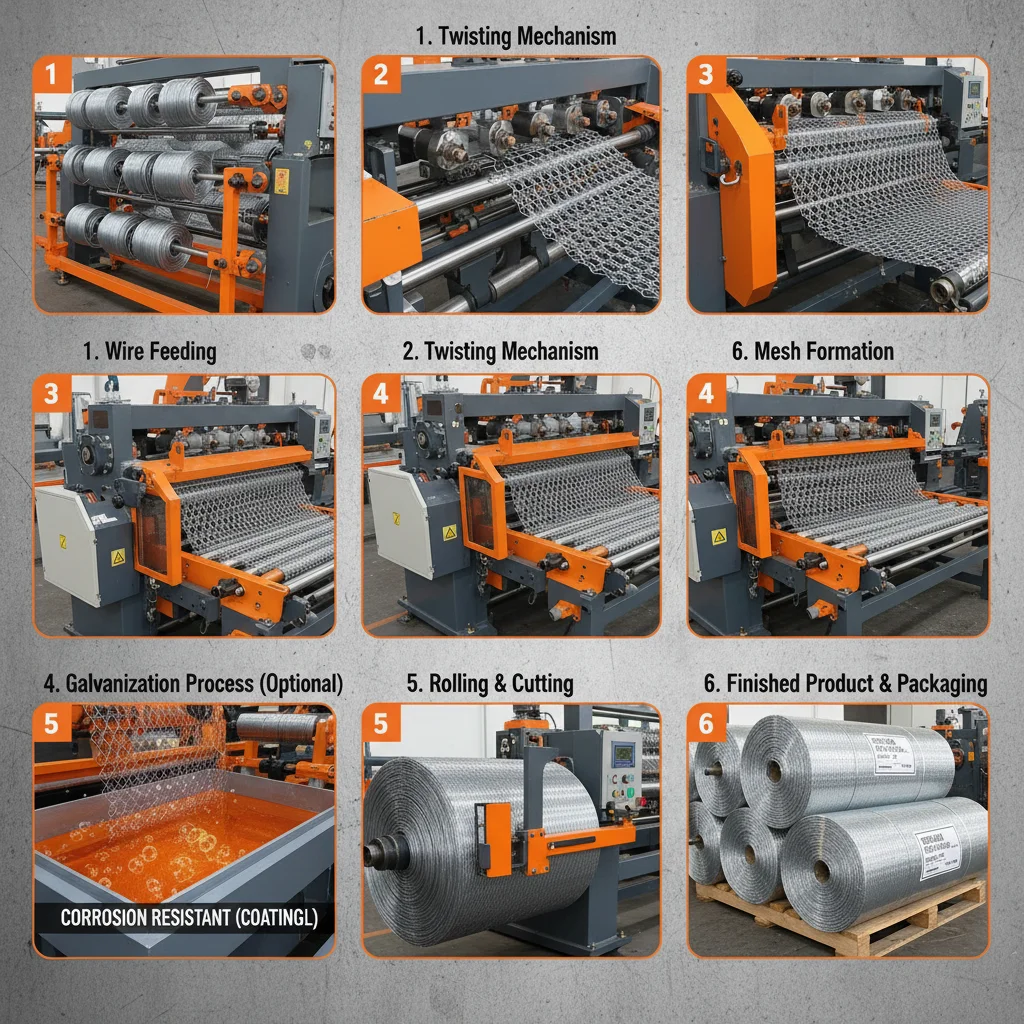
If you’re picturing an oversized mechanical spider fusing steel threads, you’re not far off. The automatic welded wire mesh machine is an industrial device designed to automatically weld intersecting metal wires in a grid pattern. It consists of wire feeders, a welding unit, and a cutter, all synchronized so that meshes come out continuously and with minimal human intervention. No messy manual twisting or spot-welding—just a smooth production line.
This technology is an anchor in modern industries like construction, agriculture, transportation, and even security. It not only increases production speed but also enhances the mesh’s strength and precision, directly impacting the durability and safety of whatever it’s used for.
Mini takeaway: The automatic welded wire mesh machine simplifies and accelerates production processes critical to modern infrastructure and safety.
Core Components and Key Features of Automatic Welded Wire Mesh Machines
1. Precision Wire Feeding System
This ensures wires are supplied consistently and at the correct tension—critical to avoid warping of the mesh. Many machines can handle a variety of wire thicknesses without much downtime for adjustments.
2. High-Efficiency Welding Unit
Using resistance welding, it joins wire intersections in milliseconds with strong, clean seams. This component is often the heart of the machine. Some advanced models even self-monitor welding strength.
3. Automated Cutting Mechanism
Cuts mesh sheets to desired lengths automatically, reducing errors and waste. This adds efficiency, especially when producing customized sizes for clients.
4. User-Friendly Control Panel
Modern units feature digital HMI (Human-machine interface) allowing operators to program sizes, spacings, and speeds quickly. This flexibility drives diverse production runs.
5. Durability and Construction
Built with heavy-duty steel frames and industrial-grade motors to handle continuous running in factory settings with minimal maintenance.
Mini takeaway: Combining precision engineering with automation, these core machine elements are why the automatic welded wire mesh machine is a game-changer in industrial production.
Typical Specifications of a High-Quality Automatic Welded Wire Mesh Machine
| Specification |
Details |
| Wire Diameter Range |
1.5 mm – 5.0 mm |
| Mesh Size Variation |
20 mm x 20 mm to 150 mm x 150 mm |
| Production Speed |
Up to 40 mesh sheets per minute |
| Power Consumption |
15 kW average |
| Control System |
PLC with Touch Screen Interface |
| Dimensions (L×W×H) |
6000 mm × 1200 mm × 1900 mm |
Vendor Comparison: Leading Automatic Welded Wire Mesh Machine Manufacturers
| Feature / Vendor |
HT Mesh Machines |
WirePro Technologies |
MeshMaker Inc. |
| Max Wire Diameter |
5 mm |
4.5 mm |
5 mm |
| Production Speed (sheets/min) |
40 |
38 |
35 |
| Advanced Control Panel |
Yes (PLC Touch) |
No |
Yes (Basic LCD) |
| Warranty |
2 Years |
1 Year |
1.5 Years |
| Price Range (USD) |
60,000 - 80,000 |
55,000 - 75,000 |
50,000 - 70,000 |
Where and How These Machines Make the Biggest Difference
The versatility of automatic welded wire mesh machines means they have a presence across many industries and geographies:
- Construction: Reinforcing concrete slabs, walls, and bridges with consistently manufactured mesh significantly boosts structural integrity.
- Agriculture: Durable fencing to protect crops and livestock is faster and cheaper to produce.
- Transportation: Road safety barriers and noise reduction walls rely heavily on welded mesh components.
- Post-Disaster Relief: Quick production of mesh reinforcements for temporary shelters aids faster, safer rebuilds.
- Security: Enhanced fencing solutions for prisons, military bases, and private security sectors.
For example, after the 2019 cyclones in Southeast Asia, mobile mesh production helped rebuild safer temporary housing within weeks, not months.
Mini takeaway: The automatic welded wire mesh machine is at the crossroads of speed, safety, and sustainability in diverse real-world contexts.
Why Investing in an Automatic Welded Wire Mesh Machine Pays Off
Cost savings come first: automated production reduces labor costs and material waste. But there’s more. These machines help maintain uniform quality that’s hard to replicate by hand, reducing failures and reworks later. This reliability breeds trust—clients know the mesh will hold up under pressure.
Also, from a social perspective, stronger fences and reinforced structures contribute to safety and peace of mind. You’re not just investing in steel wires welded faster, but in communities’ dignity and long-term resilience.
Plus, modern machines tend to be more energy-efficient, dovetailing with sustainability goals many companies are adopting. It’s a win-win for business and the environment, which oddly enough, feels more rare than it should.
Mini takeaway: Beyond cost and efficiency, these machines support long-lasting safety, environmental goals, and operational peace of mind.
Looking Ahead: The Future of Welded Wire Mesh Production
What’s next? Industry insiders predict integration with IoT tech for remote monitoring and predictive maintenance, cutting downtime drastically. Some vendors are experimenting with hybrid machines that weld and coat mesh products in a single line, improving corrosion resistance using eco-friendly polymers. Renewable energy-powered factories producing mesh with near-zero emissions might also be on the horizon.
Also, flexible automation could let manufacturers quickly switch mesh patterns or wire materials — a boon as custom orders grow. This shift aligns nicely with current trends toward smart manufacturing, where data and adaptability drive competitive advantage.
Challenges Facing Automatic Welded Wire Mesh Machines — And How They're Addressed
No tech is perfect. Issues like initial investment cost, maintenance complexity, and the need for skilled operators still present hurdles — especially for small plants or developing regions. But step-by-step, improvements like better user interfaces, modular designs, and remote diagnostics are lowering these barriers. Plus, companies offering turn-key packages with training help new operators onboard faster.
Moreover, raw material inconsistencies can affect weld quality. Advanced sensors and AI-driven monitoring can flag potential defects early, ensuring output quality remains high.
FAQ: Your Questions on Automatic Welded Wire Mesh Machines
- Q: What industries benefit most from automatic welded wire mesh machines?
A: Primarily construction, agriculture, and security industries due to the need for durable reinforcement and fencing materials.
- Q: Can these machines produce custom mesh sizes?
A: Yes, most machines allow easy adjustment of mesh size and wire diameter, meeting various client specifications.
- Q: How energy efficient is automatic welded wire mesh production compared to traditional methods?
A: Automated machines typically consume less energy per unit because of optimized welding parameters and faster cycle times, reducing overhead.
- Q: What kind of maintenance do these machines require?
A: Routine cleaning, welding electrode replacement, and software updates are common; many vendors offer remote diagnostics for preventive care.
- Q: Are these machines suitable for use in developing countries?
A: Yes, especially models designed for ease of use and low maintenance; they help boost local infrastructure efforts quickly and efficiently.
Wrapping Up: Why This Machinery is Crucial for Tomorrow’s Infrastructure
In summary, the automatic welded wire mesh machine is much more than an industrial gadget; it’s a catalyst for safer buildings, stronger fences, and quicker disaster recovery worldwide. Economically, it balances cost, speed, and quality on a scale manual methods simply can’t achieve. Socially and environmentally, it supports a resilient, sustainable future. If you’re in manufacturing, construction, or supply chain management, it’s well worth exploring how these machines could transform your operations.
Don't just take my word for it — visit HT Mesh Machines to see live demos, detailed specs, and client success stories that prove the machine’s edge.
References
- Welded Wire Fabric - Wikipedia
- World Steel Association - Construction
- ISO/TC 164 – Steel Wire and Steel Wire Products