The Brass Wire Drawing Machine: Why It Matters Worldwide
At first glance, a brass wire drawing machine might seem like a niche industrial device, but its impact is much broader. Across continents, this piece of equipment plays a pivotal role in manufacturing wires that find their way into countless products, from electronics to construction materials. Given the rising global demand for durable, corrosion-resistant metal wiring, understanding how these machines work and why they are indispensable illuminates a slice of modern industrial progress. The benefits? Better efficiency, quality output, and sustainability in metal processing — all critical in a rapidly evolving global economy.
Global Context: The Role of Brass Wire Drawing Machines Today
With the global market for electrical and mechanical components steadily expanding, brass has become a popular choice for wiring due to its excellent conductivity combined with resistance to rust. According to industry data, worldwide brass production surpassed 5 million tons in recent years (1), hinting at how much raw material needs processing. The brass wire drawing machine answers the call to transform thick brass rods into fine wires without compromising strength. However, many factories, especially in emerging economies, still struggle with outdated or inefficient equipment, leading to subpar product quality and wasted resources.
The challenge: how to make brass wire drawing more efficient and scalable without demanding excessive energy or manual labor? Modern machines offer solutions through automation, better materials, and precision tools — features that align well with sustainable manufacturing goals.
What Exactly Is a Brass Wire Drawing Machine?
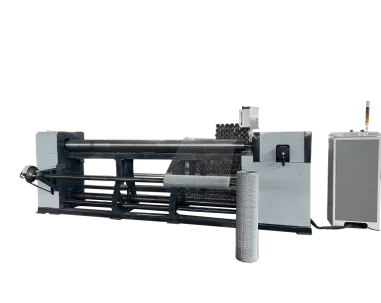
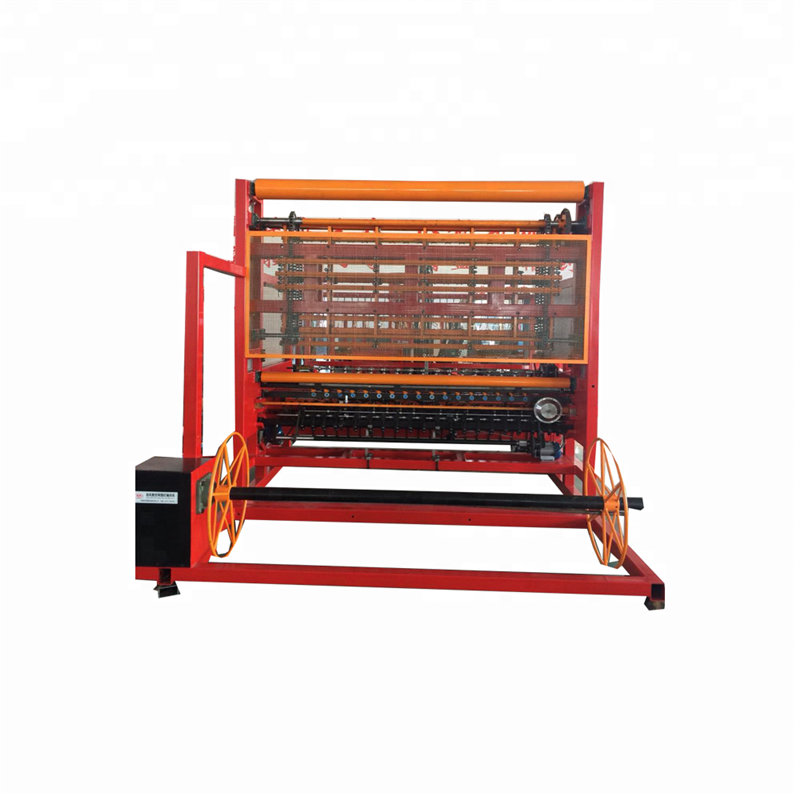
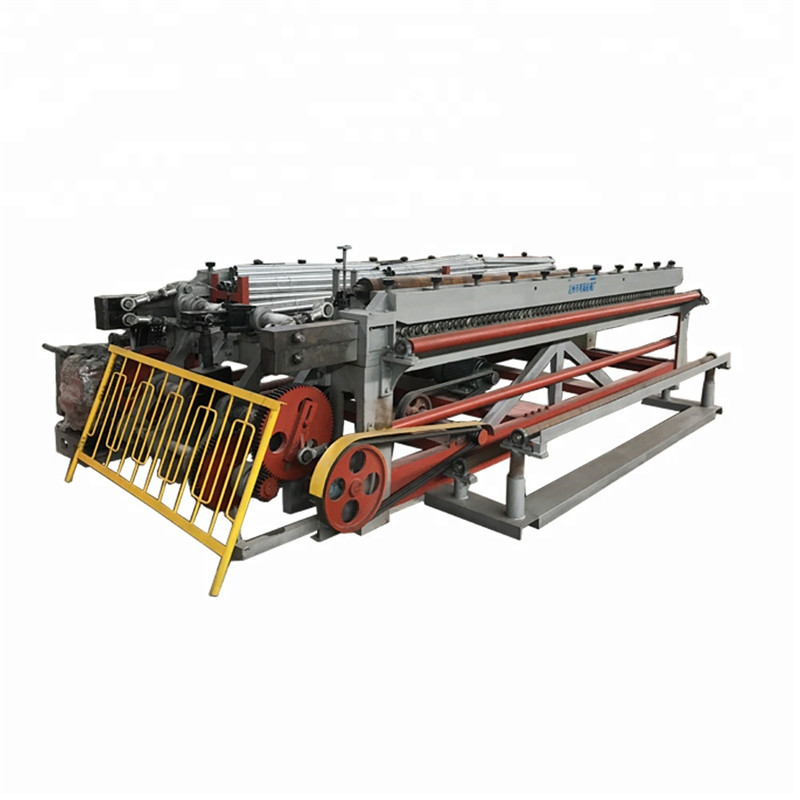
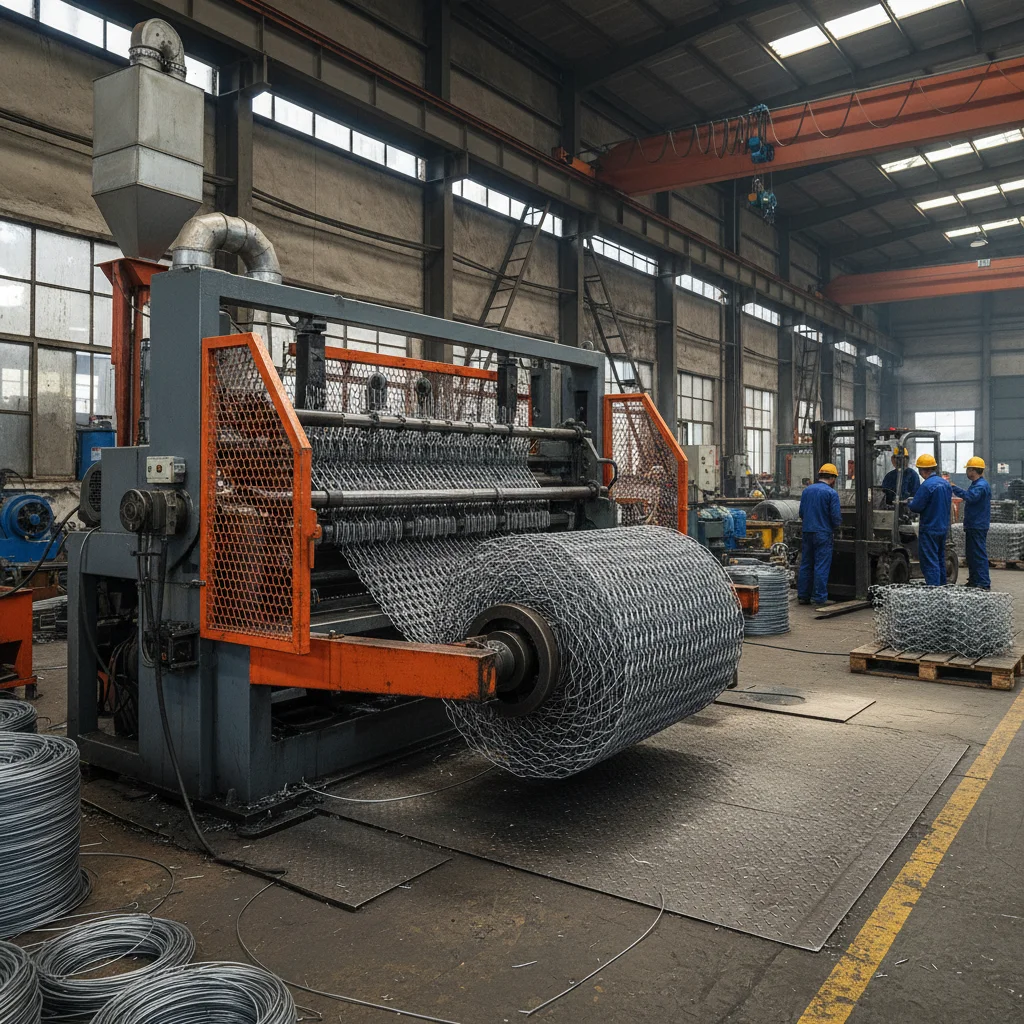
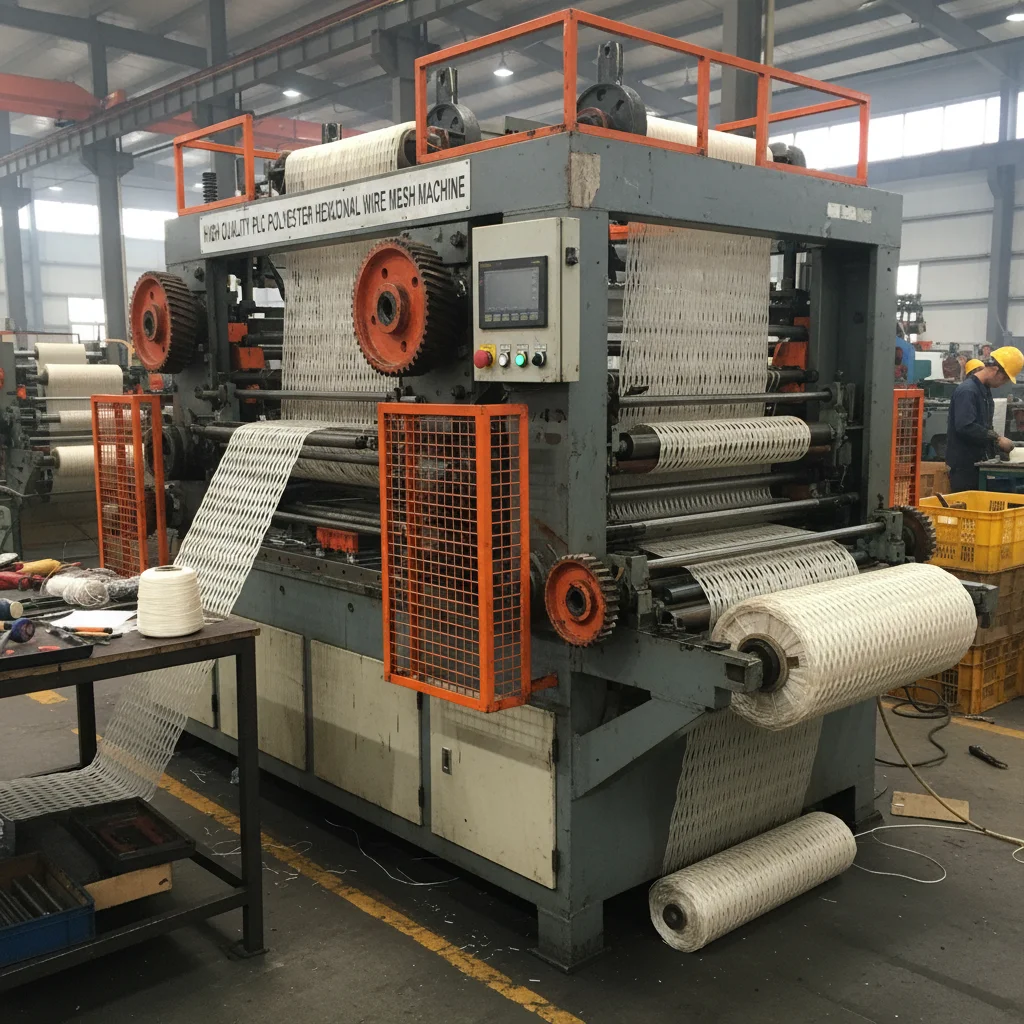
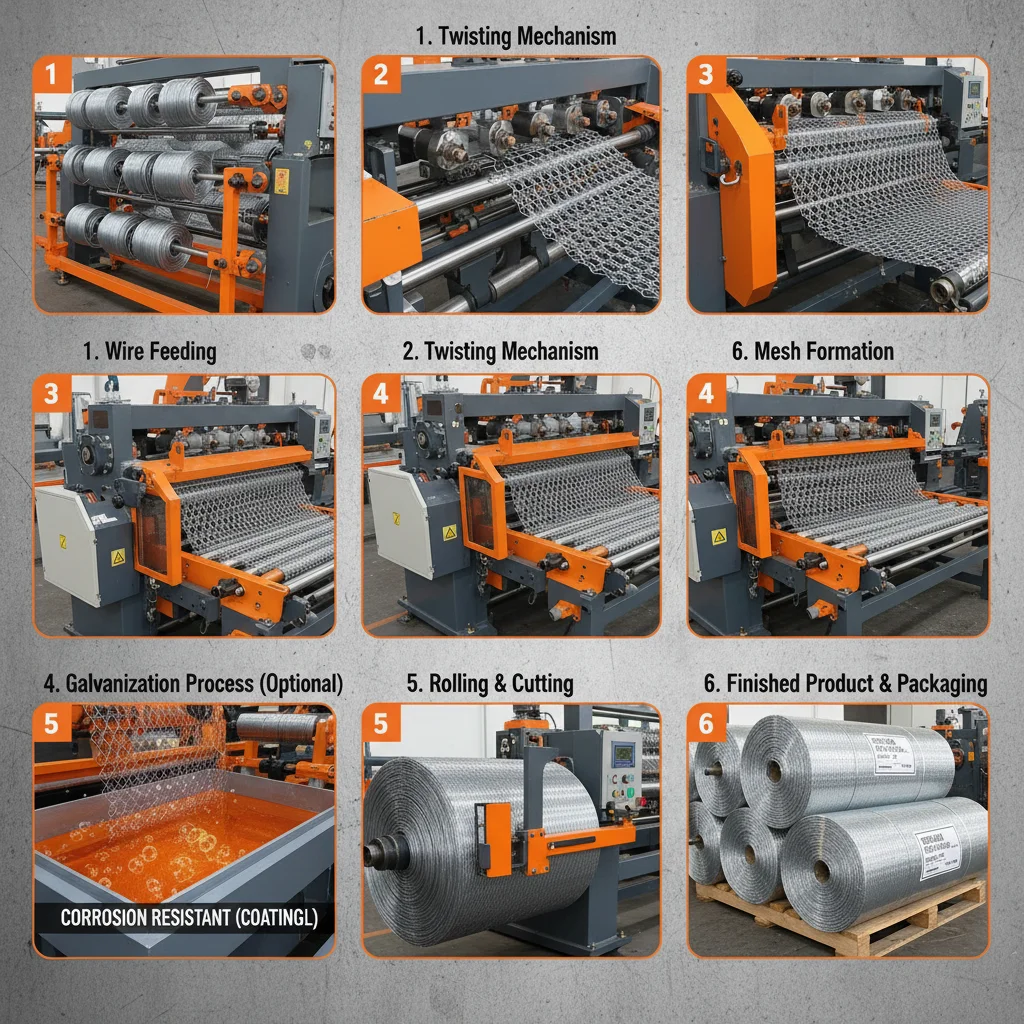
Put simply, it’s a specialized mechanical device designed to pull brass rods through progressively smaller dies or openings, thinning the rod into a wire of desired diameter. Imagine stretching taffy or chewing gum, but a hundred times more precise and controlled to prevent breakage or structural flaws. These machines often include components like a feeding system, drawing capstans, dies, and a take-up spool.
Beyond just shrinking metal rods, the drawing process aligns the brass’s internal crystal structure for enhanced tensile strength and smoothness — qualities essential in electrical connectors, decorative objects, and even aerospace components.
Key Components That Define Performance
1. Durability and Material Quality
Every part must withstand continuous strain and friction. For example, dies often use tungsten carbide or industrial diamond coatings to keep tolerances tight over long runs.
2. Energy Efficiency
Modern machines aim to consume less power per meter of wire drawn by using variable frequency drives (VFDs) and optimized motor controls.
3. Precision and Control Systems
Computerized control panels allow operators to tweak speeds, tension, and lubrication on the fly — critical since brass flows differently compared to steel or copper.
4. Scalability and Integration
Many factories now integrate the drawing machine into larger automated lines that include wire winding, annealing, and quality inspection stations.
5. Safety Features
Protective sensors, emergency stops, and streamlined enclosures reduce workplace accidents — a must-have with these powerful machines.
Mini takeaway: A good brass wire drawing machine balances raw strength, smart controls, and safety to serve diverse industrial needs.
How and Where Are Brass Wire Drawing Machines Used Around the World?
From sprawling manufacturing hubs in China and India to specialized workshops in Europe and North America, brass wire drawing machines are everywhere. Industries range from producing electronic terminals and musical instrument strings to plumbing fixtures and automotive parts.
Oddly enough, even in humanitarian and infrastructure projects, brass wiring plays a key role. For instance, in post-disaster reconstruction zones, durable brass wiring ensures long-lasting electrical connections in temporary shelters, minimizing short circuits or corrosion risks.
Remote industrial zones with limited access to cutting-edge gear often rely on rugged, manually assisted drawing machines that still keep production alive, albeit at lower volumes.
Advantages & Long-Term Value of Using a Brass Wire Drawing Machine
- Cost Efficiency: Less material waste and faster turnover mean better profit margins.
- Sustainability: Many machines now use eco-friendly lubricants and recycle process water.
- Product Reliability: Consistent wire quality boosts customer trust and reduces field failures.
- Social Impact: Automated lines can lessen repetitive strain injuries, improving worker wellbeing.
There’s also an emotional resonance for brands aiming to innovate responsibly — trust comes from not cutting corners on quality or environmental impact.
Brass Wire Drawing Machine – Typical Product Specification
| Parameter |
Typical Value |
Notes |
| Max Wire Diameter |
20 mm |
Depends on model |
| Min Wire Diameter |
0.1 mm |
Suitable for fine wire |
| Drawing Speed |
50 – 200 m/min |
Variable control |
| Motor Power |
7.5 – 22 kW |
Depends on size |
| Lubrication System |
Oil or emulsion |
Optimizes wire finish |
| Control Type |
PLC / Digital panel |
User-friendly interface |
Comparing Leading Brass Wire Drawing Machine Vendors
| Feature |
Vendor A |
Vendor B |
Vendor C |
| Max Diameter |
18 mm |
20 mm |
15 mm |
| Automation Level |
Semi-automatic |
Fully Automatic |
Manual assist |
| Energy Efficiency |
Moderate |
High (VFD motors) |
Low |
| Price Range (USD) |
25,000 – 40,000 |
40,000 – 65,000 |
15,000 – 25,000 |
| Warranty |
12 months |
18 months |
6 months |
| After-Sales Support |
Good |
Excellent, 24/7 |
Basic |
What Does the Future Hold for Brass Wire Drawing Machines?
The buzzword is automation, no surprise there. But going beyond basic motor controls, manufacturers are moving towards AI-driven predictive maintenance to reduce downtime and optimize output. Materials science is also tangentially touching this area: better die materials and next-gen lubricants help reduce wear and environmental impact.
Renewable energy integration is in its infancy in this domain, yet pilot projects using solar power to run smaller drawing units are underway — a neat way to serve off-grid factories in developing regions.
And one can’t forget the digitization of production lines to enable traceability and quality control — increasingly a market demand in regulated industries.
Challenges and How to Tackle Them
Despite advances, the biggest headache remains wire breakage during drawing — which wastes time and material. Many hidden factors come into play: brass alloy composition, temperature, tension settings, and die wear. Experienced operators swear by gradual speed ramp-ups and fine-tuning lubrication.
Another issue is upfront investment costs — smaller outfits hesitate before upgrading to automated machines. Leasing programs and flexible financing from vendors can soften this stumbling block.
FAQ about Brass Wire Drawing Machines
1. What types of brass alloys can these machines handle?
Most brass wire drawing machines can accommodate a wide range of standard brass alloys, including C260 (cartridge brass) and C360 (free-machining brass). The specific alloy affects drawing parameters like speed and lubrication but does not require different machinery.
2. How often do the drawing dies need replacement?
Depending on production volume and wire size, high-quality tungsten carbide dies typically last between 500 to 1500 hours of operation. Regular inspection helps avoid premature wire defects.
3. Can the machine process other metals besides brass?
Yes, many brass wire drawing machines are versatile enough to handle copper, aluminum, and certain steel alloys, provided the appropriate dies and settings are used.
4. Is training required to operate the machine effectively?
Definitely. While modern machines are user-friendly, operators must understand tension control, lubrication, and safety features. Many vendors provide training as part of the purchase deal.
5. What maintenance is recommended to ensure longevity?
Routine lubrication, checking die wear, cleaning, and prompt replacement of worn parts are essential. Following the manufacturer's manual closely prevents many common breakdowns.
Wrapping Up: Why Investing in Brass Wire Drawing Machines Pays Off
Ultimately, a brass wire drawing machine isn’t just another piece of industrial hardware — it’s a critical link in the chain of producing high-quality brass wire used globally. The blend of precision, efficiency, and adaptability these machines offer underscores their value long term. Whether your focus is cost savings, environmental considerations, or product excellence, making an informed choice here can have ripple effects across projects and industries.
If you’re ready to take the next step, be sure to visit our website for expert advice and the latest models tailored to your production needs.
Mini takeaway: Think of brass wire drawing machines as unsung heroes behind the scenes — quietly powering wires that run the world.
References
- Wikipedia: Brass
- ISO 24518: Brass Wire Quality Standards
- UNCTAD: Global Manufacturing Resilience