Unlocking the Potential of Bulk Hardware Cloth: Durability Meets Versatility
In a world that’s increasingly interconnected yet facing complex challenges — from agriculture to construction, disaster relief to environmental conservation — understanding materials like bulk hardware cloth isn’t just niche knowledge. It’s key. This durable, flexible metal mesh fabric finds its way into all kinds of solutions, offering protective barriers, reliable enclosures, and even helping reduce waste in unexpected ways.
Why Bulk Hardware Cloth Matters Globally
Globally, bulk hardware cloth is an unsung hero in infrastructure projects. According to recent ISO standards on materials, products that blend strength with adaptability tend to see wider usage in both emerging and developed economies. Its relevance touches on food security, public safety, and even ecological restoration.
Consider this: the UN Food and Agriculture Organization notes that agriculture losses due to pests and animals account for billions yearly, especially in developing regions. Bulk hardware cloth, with its robust yet cost-efficient design, becomes vital here, reducing crop damage and enabling protective fencing at scale. Oddly enough, something so simple can ripple through supply chains and community resilience.
What Exactly Is Bulk Hardware Cloth?
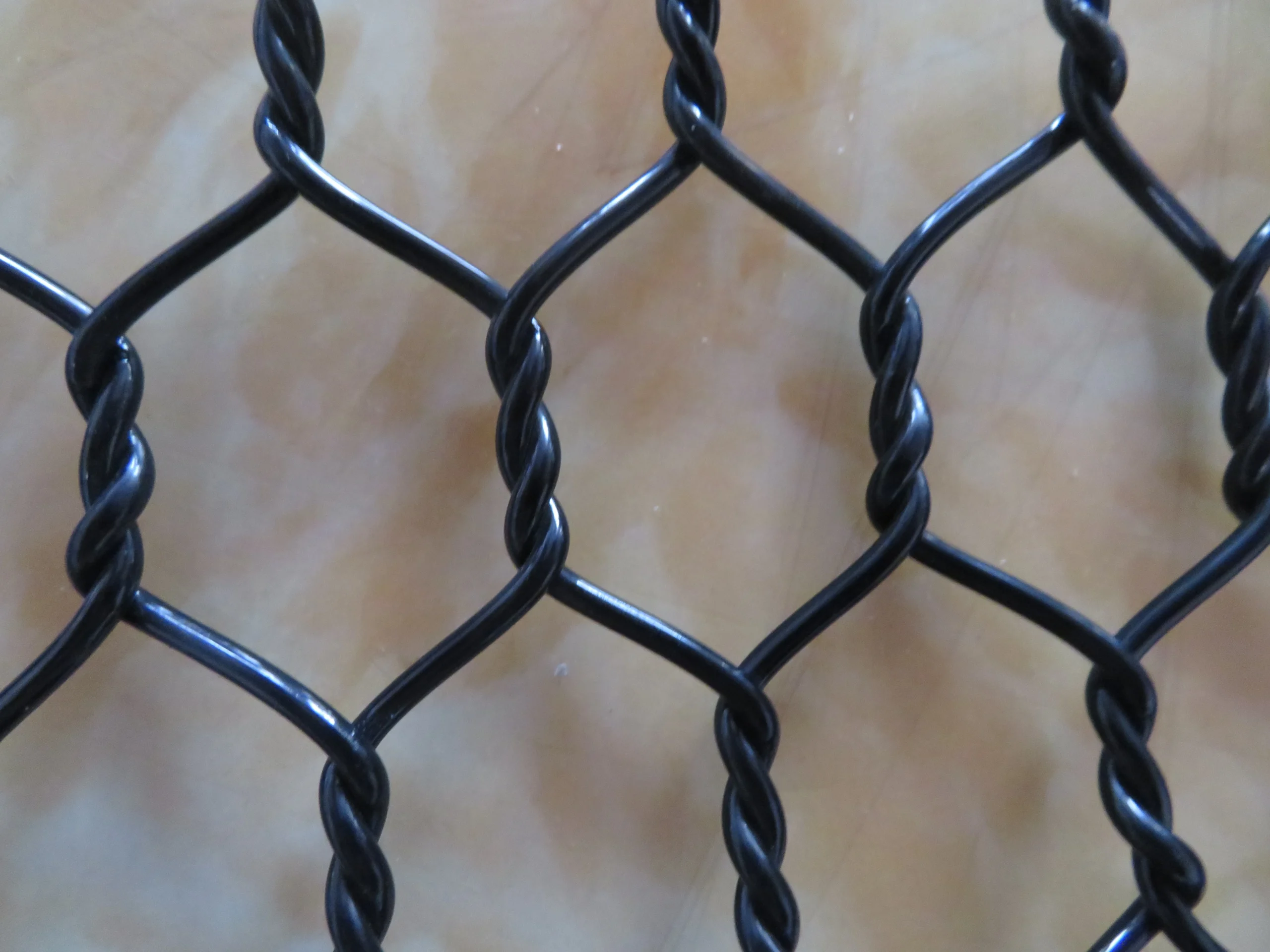
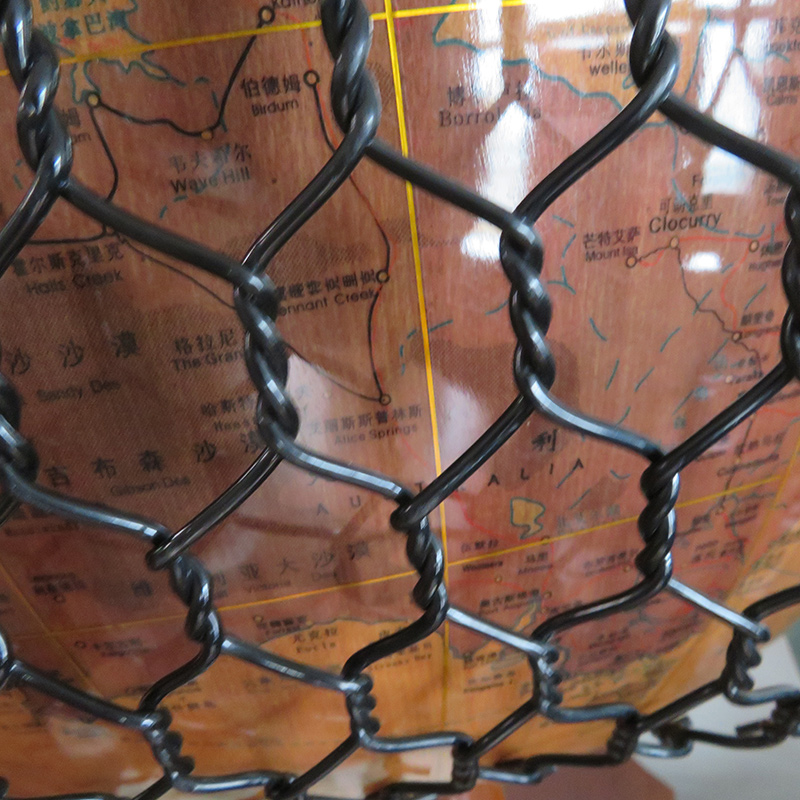
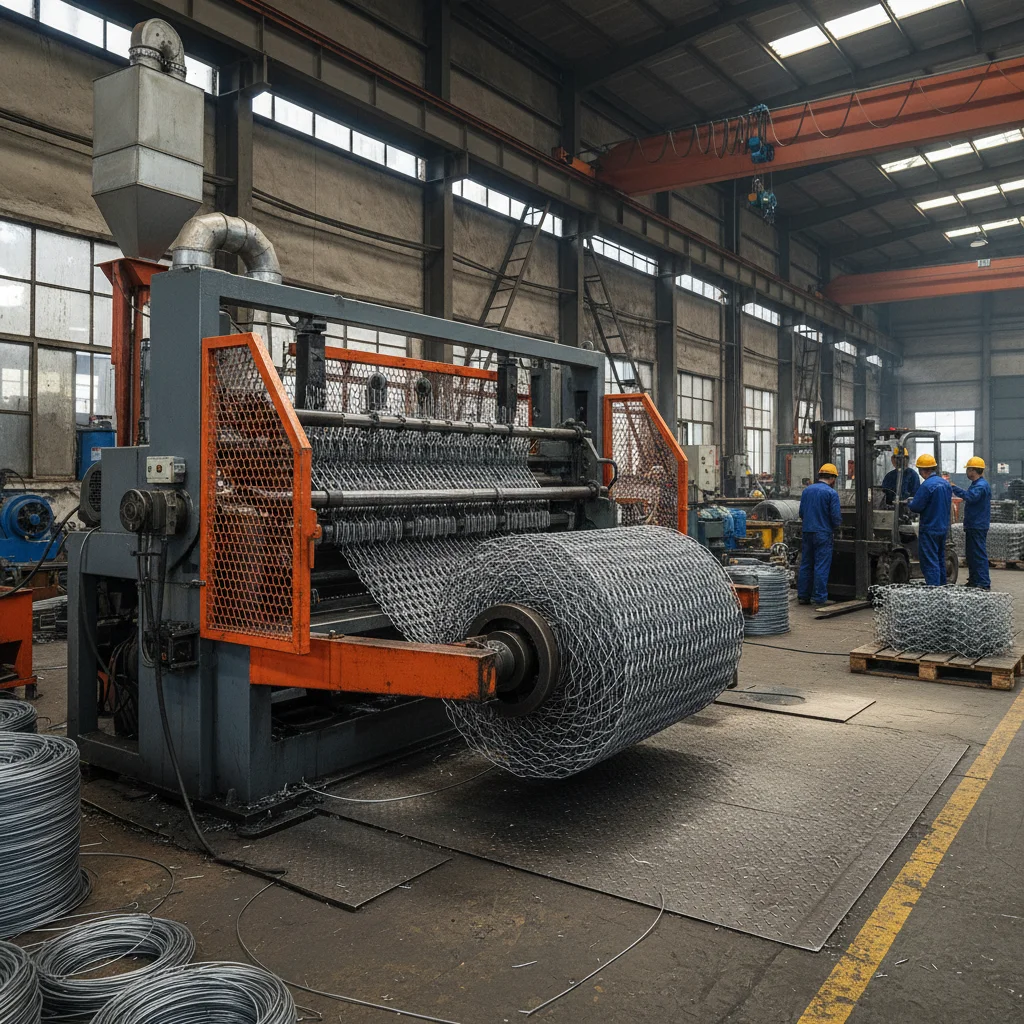
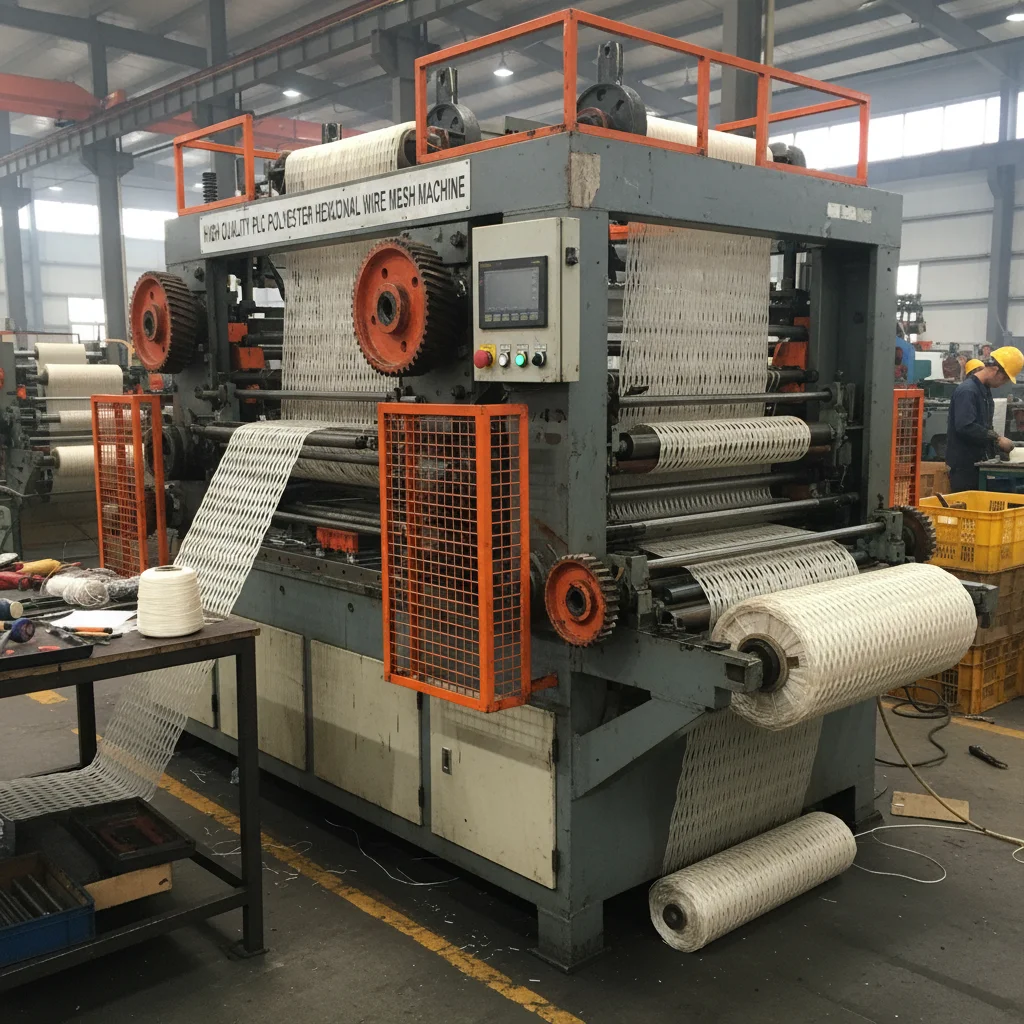
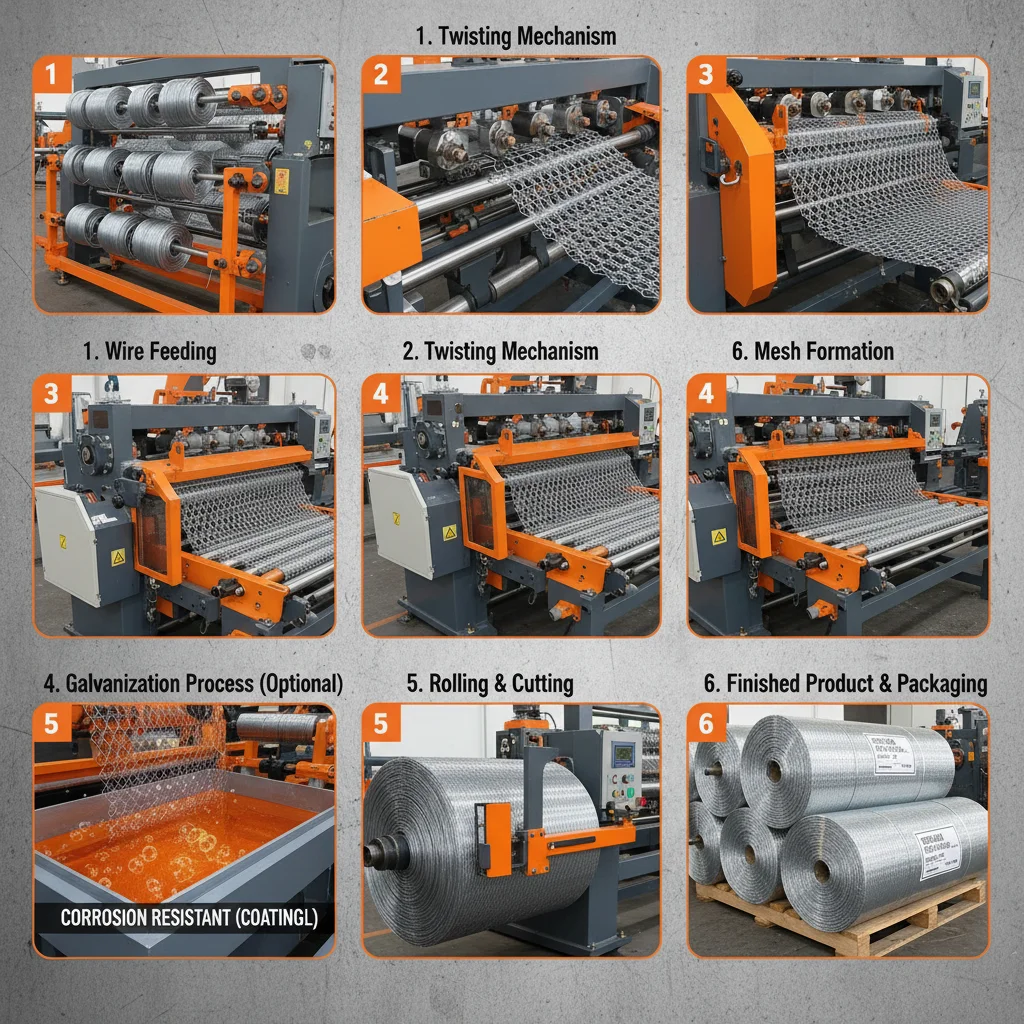
Put simply, bulk hardware cloth is a woven wire mesh—usually galvanized steel or stainless steel—offered in large rolls or sheets. The grid-like pattern serves as a tough, permeable screen barrier. Though “hardware cloth” might sound like a technical term confined to hardware stores, its role cuts across industrial, agricultural, and humanitarian needs.
In modern industry, its use ranges from pest-proofing poultry coops to reinforcing concrete and housing vents. Humanitarian agencies even rely on it for fast-deploy fencing in refugee camps.
Core Components & Key Factors that Define Bulk Hardware Cloth
- Durability: Galvanized or stainless steel wire offers corrosion resistance, which means the cloth withstands harsh weather and chemical exposure for years. This is why it often outperforms cheaper plastic netting in long-term projects.
- Scalability: Rolling out the mesh in bulk allows for mass procurement. This matters when fencing large agricultural plots or securing industrial warehouses—cost and logistics line up nicely when you buy in large volumes.
- Cost Efficiency: While initial costs are higher than thin plastic mesh, longevity and multi-purpose use make it a bargain in the long run. Oddly enough, investing a bit more upfront prevents frequent replacements.
- Versatility: Bulk hardware cloth comes in various grid sizes and wire gauges. Smaller apertures block fine animals and debris, while larger grids provide ventilation or larger openings. This flexibility means it fits diverse application needs perfectly.
- Environmental Impact: The material is recyclable, and its durability means less waste over time—a bonus in sustainability-conscious projects.
- Ease of Installation: Lightweight rolls and customizable sizes mean it can be cut on-site and fixed quickly compared to rigid fencing materials.
Mini Takeaway: Bulk hardware cloth strikes a practical balance between strength, adaptability, and cost. That's why it’s indispensable across industries from agriculture to humanitarian aid.
Product Specifications of Typical Bulk Hardware Cloth
| Specification |
Details |
| Material |
Galvanized Steel, Stainless Steel |
| Wire Gauge |
15 to 23 gauge (varies by application) |
| Mesh Size |
1/4 inch to 1 inch (customizable) |
| Roll Length |
25 ft to 100 ft (bulk options available) |
| Corrosion Resistance |
High (due to galvanization or stainless steel) |
How Bulk Hardware Cloth is Applied Around the World
The applications of bulk hardware cloth stretch widely. In agricultural settings, it’s crucial for protecting vegetables and grains from rodents and birds. It forms sturdy, breathable pens for poultry farms across North America and parts of Europe, and in developing countries, it helps smallholder farmers guard their produce effectively.
In construction and infrastructure, engineers use it to reinforce concrete and prevent erosion — for example, in hillside stabilization or trench shielding. In disaster-prone areas, organizations deploy hardware cloth fencing to create secure zones quickly and affordably.
Take post-disaster relief operations in Southeast Asia, where swift establishment of protective barriers helps regulate aid distribution points efficiently. In industrial zones, it safeguards machinery enclosures and creates ventilated partitions.
Major NGOs and government agencies in Africa also turn to bulk hardware cloth for affordable window screens to prevent insect-borne diseases like malaria while maintaining airflow.
Bulk hardware cloth thus plays a surprising yet vital role in global humanitarian and industrial landscapes.
Mini Takeaway: From rural farms to urban relief camps, this mesh fabric supports food security, safety, and infrastructure resilience worldwide.
Advantages and Long-Term Value You Can Count On
What really makes bulk hardware cloth stand out isn’t just its physical performance. Feelings of safety and dignity only attach when structures are reliable over time. Its long-term cost savings, thanks to corrosion resistance and toughness, mean fewer replacements and disruptions. You get sustainability too — reusable and recyclable materials help lower environmental footprints, especially when paired with local sourcing.
There's also the innovation factor — many manufacturers offer customizable mesh sizes and coatings, opening doors to specialized uses like high-security fencing or wildlife conservation programs.
In practical, emotional, and ecological terms, bulk hardware cloth helps communities innovate, protect, and sustain themselves.
Looking Ahead: Trends & Innovations in Hardware Cloth
Looking a bit further ahead, the industry is embracing smarter materials:
- Eco-friendly Coatings: New biodegradable or powder coatings expand corrosion resistance while reducing toxic runoff.
- Advanced Alloys: Lightweight alloys are in the pipeline improving strength-to-weight ratios.
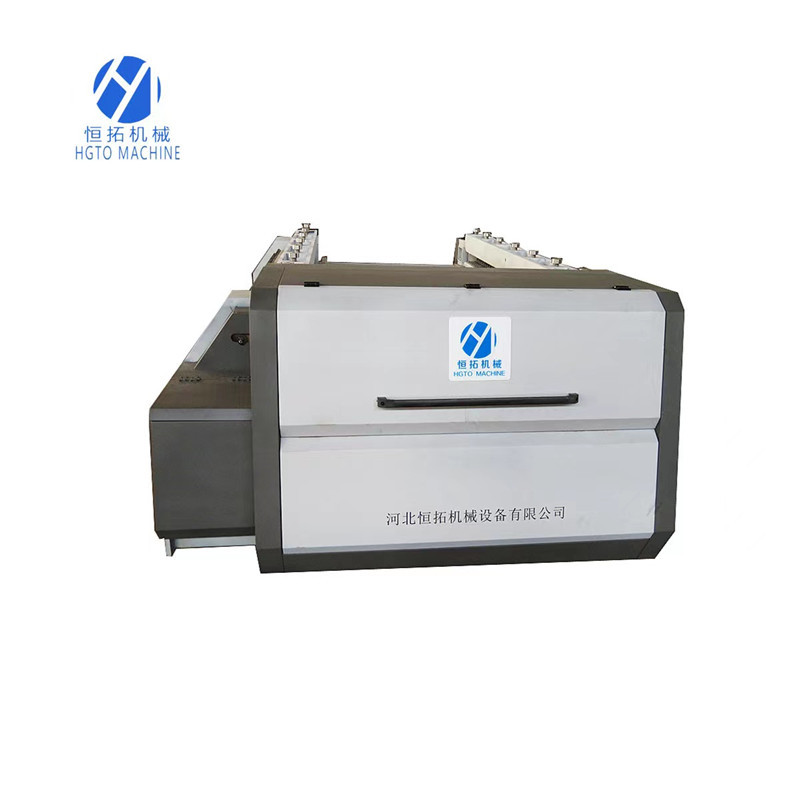
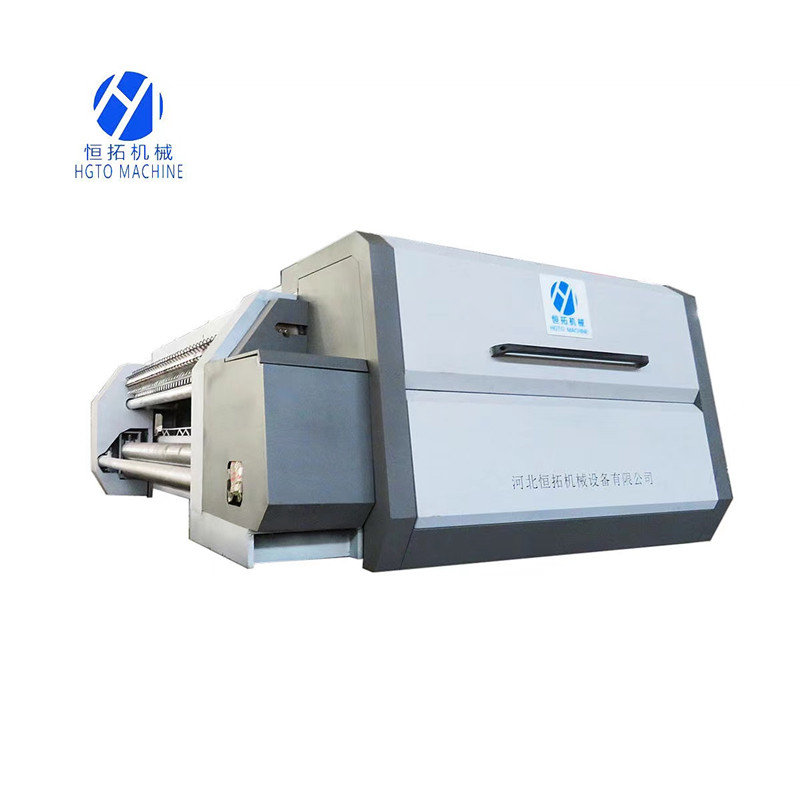
- Automation in Production: Robotics streamline cutting and shaping, enabling just-in-time manufacturing for more custom orders.
- Integration with IoT: Some envision embedding sensors into mesh for structural health monitoring or pest detection.
These innovations promise to blend durability with smart, green technologies, perfectly aligning with global sustainability goals championed by organizations like the United Nations Sustainable Development Goals.
Challenges & Creative Solutions
That said, bulk hardware cloth isn’t without its challenges. Installation in difficult terrains can be labor-intensive. Sometimes, corrosion happens faster in extreme chemical environments if not properly treated. And, as with any metal product, theft or vandalism is a risk in insecure locations.
Experts suggest combining hardware cloth with other materials — like protective polymer films or monitoring systems — to boost lifespan. Training local workers on best practices also improves installation quality and maintenance.
Manufacturers increasingly provide ready-made kits and adaptive designs to help deployment speed and durability.
Frequently Asked Questions About Bulk Hardware Cloth
- What mesh size is best for protecting gardens from small pests?
- For most rodent and bird protection, mesh sizes between 1/4 inch to 1/2 inch work well. Smaller apertures block even fine debris and insects, but full enclosure depends on installation integrity.
- Is galvanized steel hardware cloth suitable for coastal areas?
- Galvanized steel offers decent corrosion resistance but might need additional coatings in saltwater environments. Stainless steel is preferred for long-term exposure near coasts.
- How do I cut and install bulk hardware cloth safely?
- Use wire cutters or tin snips with gloves and eye protection. Fix the mesh with staples, nails, or cable ties depending on the substrate. Patience during cutting prevents sharp edges.
- Can bulk hardware cloth be recycled?
- Yes, steel mesh is widely recyclable. Collecting scrap reduces waste significantly, aligning with circular economy practices.
- Where can I buy affordable bulk hardware cloth?
- Wholesale suppliers and specialized mesh manufacturers, like this vendor, offer bulk options with customizable specs.
Vendor Comparison: Bulk Hardware Cloth Suppliers
| Supplier |
Material Options |
Custom Sizes |
Price Level |
Delivery Time |
| HT Mesh Machines |
Galvanized & Stainless Steel |
Yes, fully customizable |
Competitive |
1-2 weeks standard |
| WireTech Supplies |
Galvanized only |
Limited preset sizes |
Moderate |
2-3 weeks |
| Global Mesh Corp |
Stainless steel premium |
Custom projects available |
High |
3-4 weeks |
Conclusion: Why Investing in Bulk Hardware Cloth Is a Smart Move
In real terms, choosing bulk hardware cloth combines long-lasting durability with cost-effective adaptability. Whether you’re securing crops in rural landscapes or outfitting industrial sites, it’s the material that keeps on giving. Reliability, sustainability, and global utility converge here.
If you’re ready to source high-quality bulk hardware cloth tailored to your needs, feel free to browse this supplier’s range. Their customizable rolls and expert support make the difference.
With the steady pace of innovation and growing demands for sustainable materials, understanding and utilizing bulk hardware cloth feels less like an option and more like a necessity — both today and tomorrow.
Mini takeaway: Bulk hardware cloth isn’t just mesh — it’s a foundational material for modern resilience and innovation.
1. Wikipedia - Hardware Cloth
2. International Organization for Standardization (ISO)
3. United Nations Sustainable Development Goals