Understanding Hardware Cloth for Sale: Why It’s a Big Deal Worldwide
If you’ve been browsing for fencing materials, animal enclosures, or even protective screens, chances are you’ve bumped into the term hardware cloth for sale. It's more than just some metal mesh sitting in a warehouse somewhere. This humble wire mesh intersects with global needs — from agriculture and construction to humanitarian projects and wildlife conservation.
Why does it matter globally? Well, according to data from the United Nations Environment Programme (UNEP), sustainable and resilient infrastructure is key for environmental protection and disaster mitigation, goals hardware cloth helps meet in its unique way. It’s about durability, versatility, and accessibility all rolled into one product that supports industries and communities in many parts of the world.
We’ll break down what hardware cloth really means, how it’s used, the key features you should look for when buying, and why it’s becoming even more important in an ever-changing industrial and humanitarian landscape.
Mini takeaway: Hardware cloth isn’t just mesh — it’s part of a global toolkit supporting resilience, safety, and sustainability.
The Global Context: Why Hardware Cloth for Sale is More Relevant Than Ever
Simply put, hardware cloth sits at an intersection of supply chains that stretch across continents. The World Bank’s reports on urban agriculture and infrastructure emphasize the growing need for efficient protective mesh in densely populated areas and farming communities. In regions like Southeast Asia, Africa, and Latin America, hardware cloth is a backbone material — crucial for keeping livestock predators out, securing construction sites, or creating safer environments quickly and affordably.
On a challenging note, natural disasters and climate change have amplified the need for materials that are quick to deploy, sturdy enough to withstand harsh conditions, and affordable for developing communities. Hardware cloth fits that niche almost perfectly.
So, when you see hardware cloth for sale, think not only of fences and cages but also of a component of industrial and humanitarian resilience worldwide.
Mini takeaway: Hardware cloth is a global player, supporting everything from smallholder farmers to large infrastructure projects.
What Exactly Is Hardware Cloth?
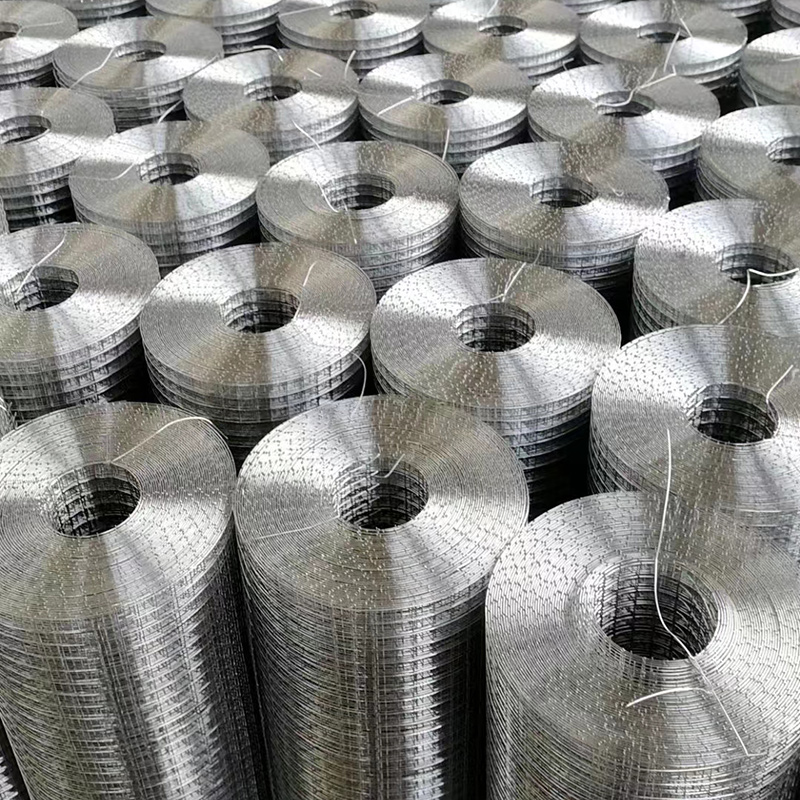
Let’s demystify this term: hardware cloth is a woven or welded wire mesh, typically made from galvanized steel or stainless steel, with square openings commonly ranging from 1/8 inch to 1/2 inch. Unlike chicken wire, which is hexagonal and often flimsy, hardware cloth is stronger, more rigid, and stands up well to outdoor exposure.
Industrially, it acts as a barrier, filter, or reinforcement. For humanitarian efforts, it often plays a vital role in protecting shelters from animal intrusions or helping local communities build sustainable gardens.
This product genuinely blends modern practicality with age-old needs for protection and structure.
Mini takeaway: Hardware cloth is strong, versatile wire mesh, used worldwide to shield, support, and secure.
What Should You Look For? Key Factors When Choosing Hardware Cloth
1. Durability
Most hardware cloth buyers want a product that lasts — especially outdoors. Galvanized steel resists rust; stainless steel offers corrosion resistance. Thickness (gauges) matters here, too: thicker wire equals sturdier fencing but less flexibility.
2. Mesh Size and Weave
The size of the openings governs what it keeps in or out. Smaller openings are excellent for pest control, larger ones for structural reinforcement. Welded versions tend to be more rigid than woven styles.
3. Cost Efficiency
Price plays a huge part. Sometimes, a higher upfront cost in stainless steel pays off long term by reducing replacements. Buying from trusted vendors can save money and headaches down the line.
4. Adaptability
Is the hardware cloth easy to cut, shape, and fix in place? Many DIYers love how simple it is to work with, but industrial users may require pre-cut sizes or custom coatings.
5. Environmental Factors
Exposure to salty air, chemicals, or moisture calls for specialized materials. Coastal construction projects or marine farms might prefer vinyl-coated options.
| Feature |
Description |
Typical Specs |
| Material |
Galvanized Steel, Stainless Steel, Vinyl-coated |
Gauge 19–23, Grade 304 Stainless |
| Mesh Size |
Square openings |
1/8" to 1/2" |
| Roll Length |
Flexible sizes based on vendor |
25 ft, 50 ft rolls common |
| Coatings |
Protective surface treatments |
Galvanized, PVC, Powder-coated |
| Applications |
Use cases |
Agriculture, Construction, Wildlife Control, DIY |
Mini takeaway: When choosing hardware cloth, think durability, mesh size, and environment — that’s where the rubber meets the wire.
Practical Applications Around the World
Hardware cloth is everywhere — sometimes literally invisible in everyday life. For instance:
- Agriculture: Farmers in Europe use hardware cloth to protect crops from rodents and birds.
- Disaster Relief: NGOs in the Caribbean use it to reinforce shelters after hurricanes, a cheap and quick fix to improve safety.
- Construction: Builders in Australia incorporate hardware cloth in concrete reinforcement and pest-proofing buildings.
- Wildlife Conservation: Protected reserves in Africa install hardware cloth barriers to manage animal movement without harming habitats.
Even urban gardeners in New York swear by hardware cloth for custom compost bins and raised beds.
Mini takeaway: Hardware cloth pops up in nearly every region for surprisingly diverse applications — from tiny gardens to large-scale infrastructure.
Why Should You Care? The Long-Term Benefits of Hardware Cloth
Several tangible benefits make hardware cloth a must-have for professionals and hobbyists alike:
- Cost-saving: Lasts longer than cheaper alternatives, reducing frequent replacements.
- Sustainability: Often recyclable and helps reduce wildlife damage, balancing human-environment relations.
- Safety & Security: Reliable, tough barriers protect people, property, and food sources.
- Emotional Value: Knowing your livestock, crops, and home are safe brings peace of mind.
One interesting note: Many engineers mention how quick it is to deploy hardware cloth solutions on-site, effectively reducing labor costs and outage time.
Mini takeaway: Hardware cloth is a small investment with big returns — safe, sustainable, and cost-effective over the long haul.
Looking Forward: Innovations and Future Trends
As sustainability demands rise, hardware cloth manufacturers are experimenting with new coatings made from biodegradable polymers and developing stainless variants with enhanced strength-to-weight ratios. Digital transformation also plays a role: suppliers now offer custom cut-to-size orders via online platforms, streamlining supply chains.
Future trends highlight integration with green energy projects, where hardware cloth is used as protective fencing for solar arrays or wind farms. Automation in manufacturing promises more precision, more customization, and less waste.
It’s worth keeping an eye on how regulations on environmental footprint and material sourcing shift the market in coming years.
Mini takeaway: Innovation is quietly transforming hardware cloth into an even more sustainable, precise, and versatile material.
Challenges and How Smart Buyers Overcome Them
Despite its many upsides, hardware cloth isn’t perfect. Common hurdles include:
- Corrosion in extreme environments, especially coastal or industrial zones.
- Variability in quality among vendors, sometimes resulting in early failure.
- Installation difficulties, if improperly sized or unsupported.
Experts suggest choosing certified vendors, checking material specs carefully, and considering custom coatings when needed. Increasingly, modular fencing kits with integrated hardware cloth simplify installation and reduce errors.
| Vendor |
Material Options |
Customization |
Average Price/ Roll |
Shipping Regions |
| ACME Mesh |
Galvanized, PVC-coated |
Pre-cut lengths, Custom widths |
$35–$50 |
North America, Europe |
| Global Wire Corp |
Galvanized, Stainless Steel |
Bulk rolls, Custom gauges |
$45–$70 |
Worldwide |
| EcoGuard Mesh |
Biodegradable coating options |
Eco-friendly lengths, Custom ordering |
$50–$80 |
Europe, Asia |
Mini takeaway: The best hardware cloth purchase? It’s not just about price — quality, customization, and shipping all count.
FAQ: Your Questions About Hardware Cloth for Sale
- What gauge hardware cloth is best for outdoor fencing?
- Generally, 19- to 23-gauge galvanized steel provides a durable yet workable option for outdoor fencing. Thicker wire improves strength, but may be harder to cut or bend. Consider the application and environment to choose.
- How long does galvanized hardware cloth usually last outdoors?
- With proper installation, galvanized hardware cloth can last 10–15 years in moderate climates. Coastal or industrial environments may accelerate corrosion, so a stainless steel or PVC-coated alternative might be better.
- Can hardware cloth be recycled?
- Yes, most hardware cloth materials — especially steel types — are recyclable. This adds to its sustainability appeal, but always check local recycling guidelines.
- Is it possible to get custom mesh sizes?
- Many vendors offer custom cut-to-size rolls or sheets. This is great for specific project needs and reducing waste on site.
- Where can I find reliable suppliers of hardware cloth?
- Trusted suppliers often have certifications and transparent specs. Consider vendors like ACME Mesh or Global Wire Corp, or visit platforms known for industrial materials such as hardware cloth for sale.
Wrapping It Up: Why Hardware Cloth for Sale Makes Sense Long-Term
To sum up, hardware cloth is quietly important — a versatile, dependable material that serves many crucial functions worldwide. Whether you’re a farmer in Kenya, a builder in Canada, or an NGO worker in the Philippines, quality hardware cloth can improve safety, reduce costs, and enhance sustainability in your work.
If you’re considering purchasing, don’t forget to weigh durability, mesh size, and vendor reputation carefully. After all, the best hardware cloth fits your project like- well, cloth.
Thinking about your next project? Visit https://www.htmeshmachines.com for reliable options and expert advice.
And hey — that’s a wrap for now, but hardware cloth is one of those unsung heroes that might just pop up again when you least expect it.
References
- United Nations Environment Programme (UNEP)
- World Bank Data: Urban Development
- Wikipedia: Hardware Cloth