Wire Netting for Sale: A Global Perspective on a Versatile Solution
Wire netting, though often overlooked, quietly underpins many industries and humanitarian efforts around the world. Simply put, it’s a mesh made from galvanized or stainless steel wires woven or welded together to form a net. Importantly, wire netting for sale is not just an industrial commodity; it provides critical utility in environments ranging from agriculture and construction to disaster relief and infrastructure protection.
Why does it matter globally? Well, with increasing infrastructure demands and rapid urbanization—plus the ever-growing importance of sustainable, low-cost solutions—it’s surprising how widely wire netting serves as a cornerstone product. Understanding its benefits opens doors to smarter purchasing decisions and innovative applications that can save costs and even lives.
Introduction: Worldwide Relevance and Industry Challenges
According to the UN’s World Urbanization Prospects, over 55% of the global population now lives in urban areas, creating a pressing need for materials that balance affordability, strength, and adaptability. Wire netting products answer that call in part by offering scalable fencing solutions, protective barriers, and supporting frameworks that can be quickly deployed.
For instance, environmental agencies rely on wire netting to protect fragile ecosystems by controlling animal migration or reinforcing riverbanks, while disaster relief organizations use it to create temporary shelters or secure vulnerable structures. The challenge many face, however, is sourcing quality mesh products that meet strict standards for durability and corrosion resistance at competitive prices—thus the growing market for reliable wire netting for sale.
Defining Wire Netting: Simplicity Meets Functionality
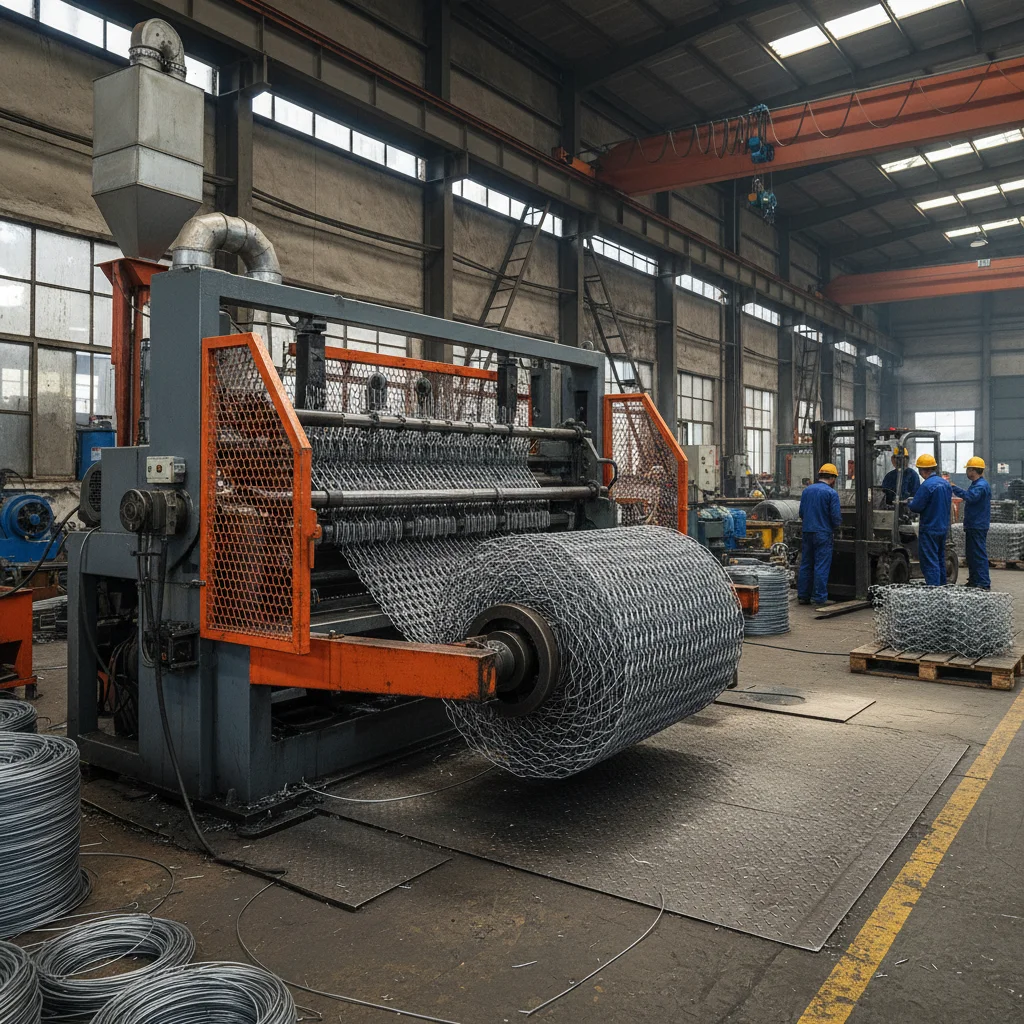
Wire netting is typically made from steel wire—either galvanized or stainless—woven or welded into different mesh sizes depending on its use. Its design allows for air and light passage but blocks larger objects or animals, making it ideal for fencing, reinforcement, filtering, or containment.
Connected tightly to sectors like agriculture, construction, mining, and even humanitarian relief, this mesh acts as a fundamental tool for safety and security. Frankly, it’s one of those humble materials that quietly enables big changes, especially where resources are limited or infrastructure needs rapid upgrades.
Key Factors to Consider When Buying Wire Netting
Durability and Corrosion Resistance
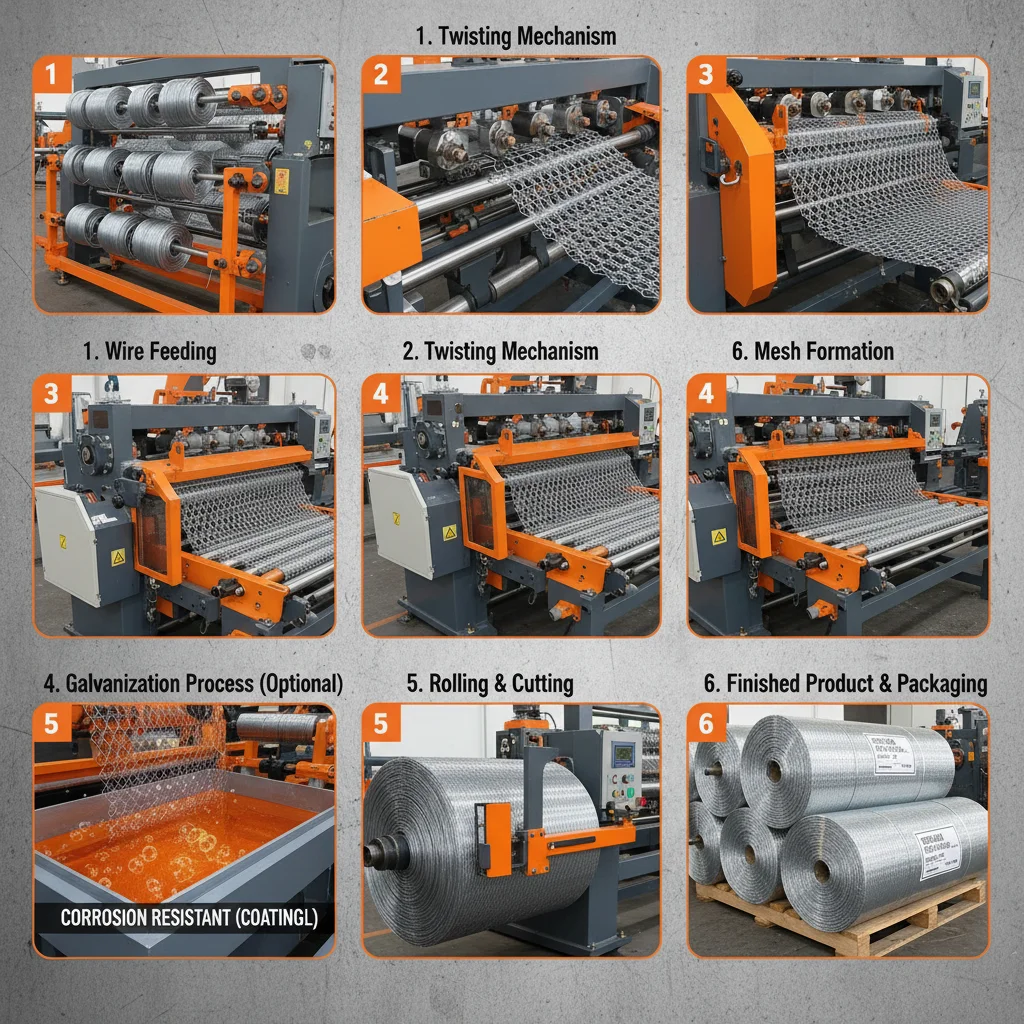
High-quality wire netting must resist rust and degradation, especially in harsh environments. Galvanization protects steel from corrosion, and for especially demanding climates, stainless steel mesh is preferred. Longevity means fewer replacements and better return on investment.
Mesh Size and Configuration
The aperture size of the mesh governs what it blocks or contains. Whether you need small apertures for insect screens or larger ones for perimeter fencing, the appropriate mesh size is crucial. It’s a balance between protection and airflow.
Scalability and Customization
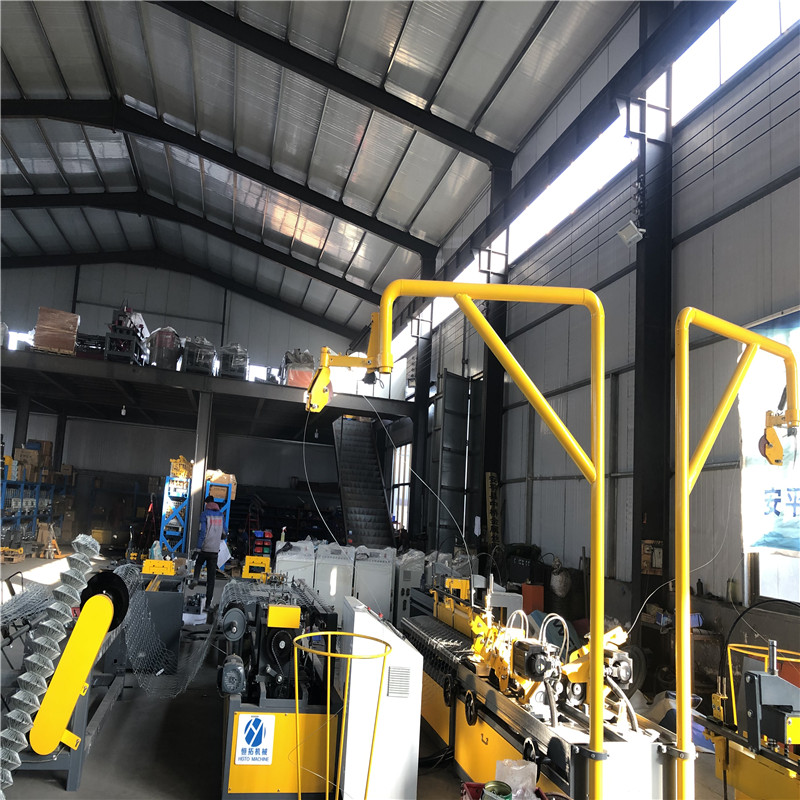
Modern manufacturing allows customization—roll lengths, wire thickness, and mesh patterns—to suit specific projects. This flexibility means you’re not stuck with one-size-fits-all, which is especially handy in complex industrial settings or unique construction sites.
Cost Efficiency
When sourcing wire netting for sale, price matters, but so does value. Cheaper wire may save money upfront but fail sooner, leading to higher lifecycle costs. Balancing initial costs with durability leads to smart procurement.
Environmental Impact
Eco-conscious buyers seek products made from recyclable materials and manufactured with low carbon footprints. Wire netting often ticks some of these boxes due to steel’s recyclability, but inspecting suppliers’ sustainability records is wise.
Product Specification Table
| Specification |
Typical Range |
Notes |
| Wire Diameter |
0.5 mm – 5 mm |
Depends on strength requirements |
| Mesh Size |
6 mm x 6 mm to 100 mm x 100 mm |
Smaller apertures for fine filtration |
| Material |
Galvanized steel, Stainless steel |
Trade-off between cost and durability |
| Roll Length |
10 m – 100 m |
Customized on request |
| Weight per Roll |
15 kg – 150 kg |
Depends on wire gauge and length |
Global Applications & Use Cases
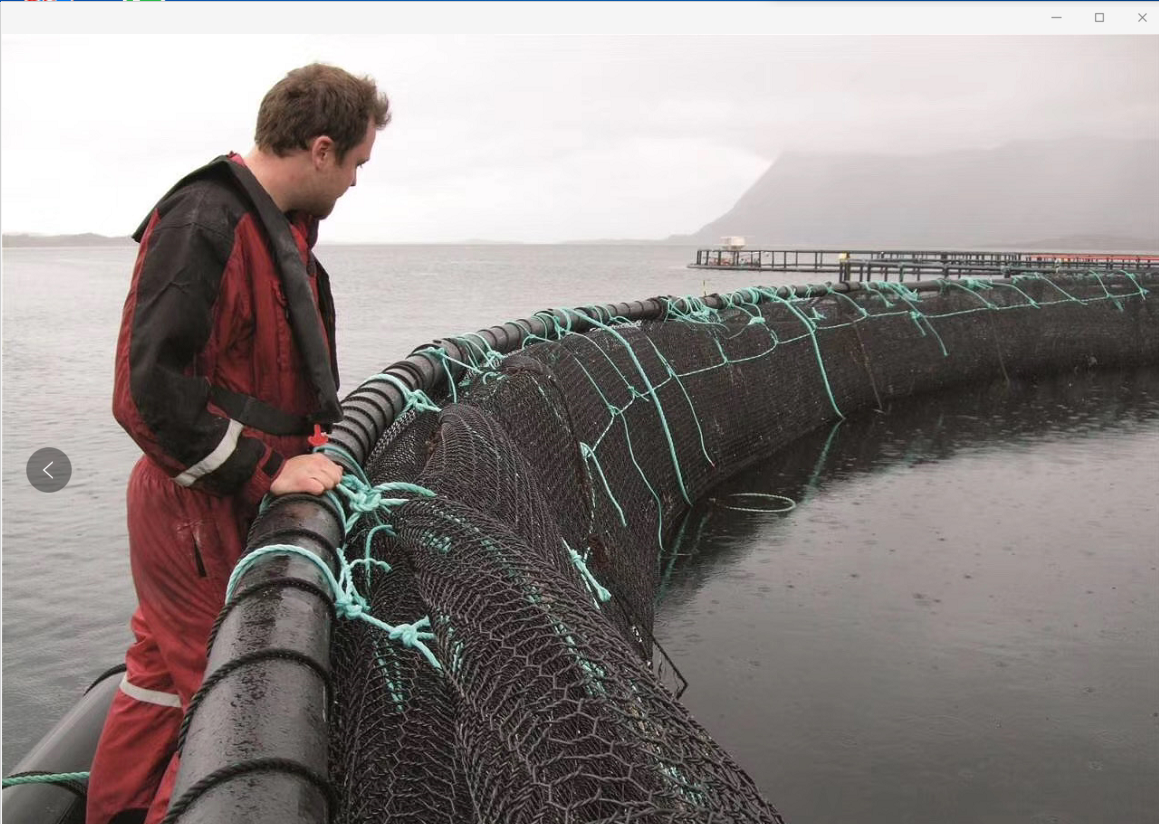
Wire netting's global footprint is vast. In Southeast Asia, it’s essential in aquaculture to protect fish ponds from predators. In Europe and North America, construction companies use it for reinforced concrete frameworks. Meanwhile, humanitarian programs in Africa and the Middle East employ wire netting for quick erection of refugee camp fences and enclosure of safe zones.
Oddly enough, even in remote mining operations in Australia, wire mesh provides both security and dust control. The reach spans agriculture (to cage poultry or protect crops), infrastructure (bridge guardrails), and environment via erosion control projects.
Wire netting for sale sources enable these industries to maintain safety standards by ensuring products meet ISO certifications (like ISO 9001 for quality management), which buyers should verify to avoid costly failures.
Vendor Comparison: Key Players in Wire Netting Supply
| Supplier |
Material Options |
Customization |
Pricing Tier |
Shipping Reach |
| HTM Mesh Machines |
Galv. Steel, Stainless |
Highly customizable rolls & wire gauges |
Mid to premium |
Global |
| WireCo Ltd. |
Galvanized Steel only |
Limited customization |
Budget |
North America, Europe |
| EcoMesh Corp. |
Stainless steel, Recycled steel |
Moderate customization |
Premium |
Global, with green shipping options |
Advantages and Long-Term Value of Wire Netting
Choosing quality wire netting brings a bouquet of benefits:
- Cost savings: durable mesh reduces replacement and repair expenses.
- Sustainability: steel is fully recyclable, aligning with green building practices.
- Reliability: trusted by engineers and builders for decades, proven under stress.
- Safety & Security: deters intruders and contains hazards without obscuring visibility.
There’s also an emotional aspect—providing networks or fences that protect families or communities shapes feelings of trust, stability, and dignity, especially in vulnerable populations. It’s a subtle but important reminder that even the materials we choose can affect quality of life beyond the immediate function.
Future Trends & Innovations in Wire Netting
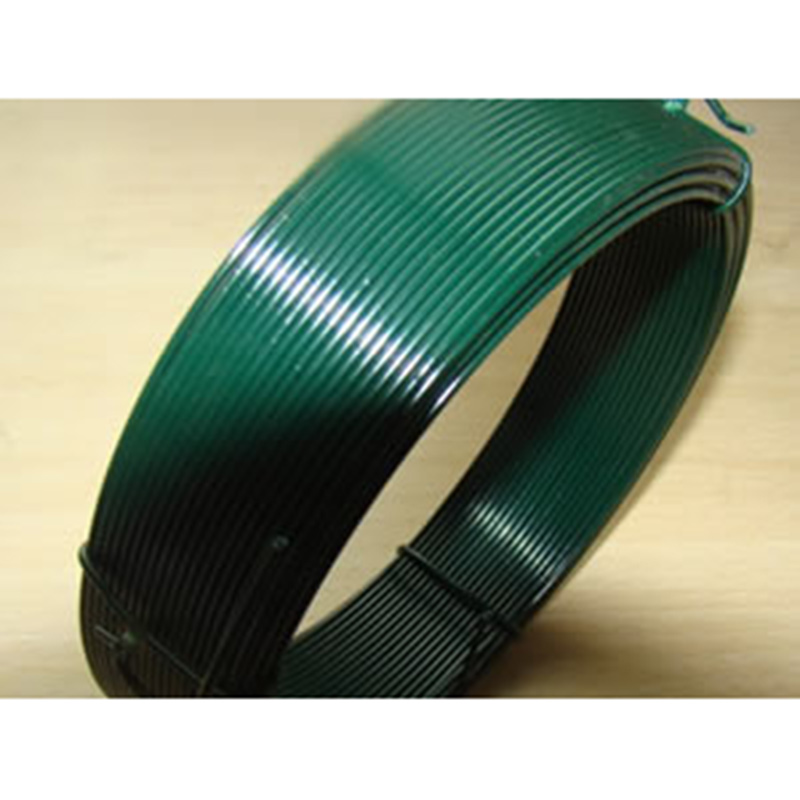
The future of wire netting is surprisingly vibrant. Industry insiders are seeing innovations in coated wire meshes that improve weather resistance and reduce maintenance. There’s a push for integrating sensors into wire netting used in infrastructure to provide real-time structural health data, part of the IoT revolution in construction.
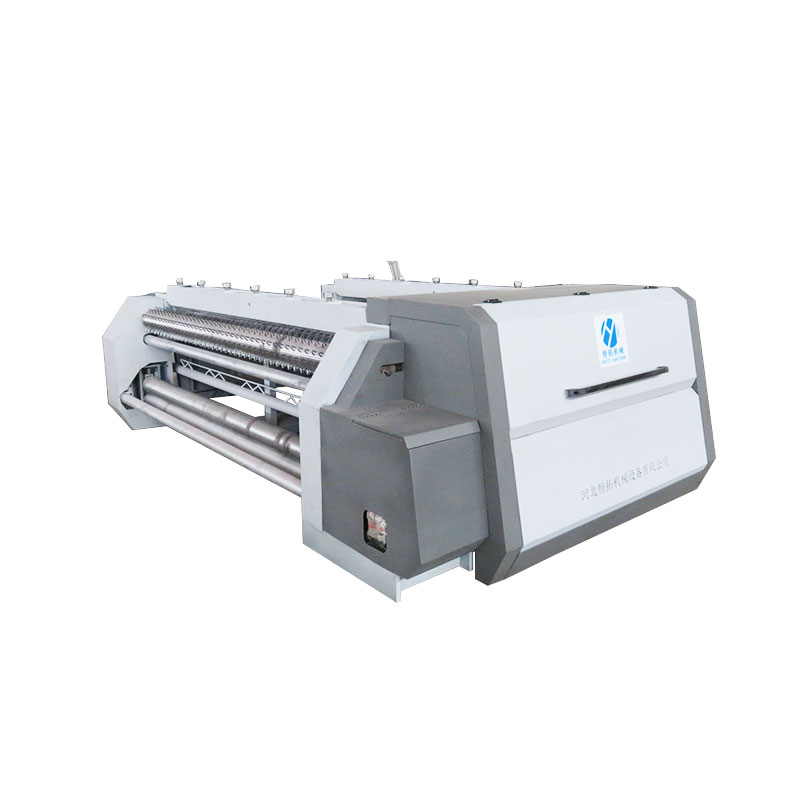
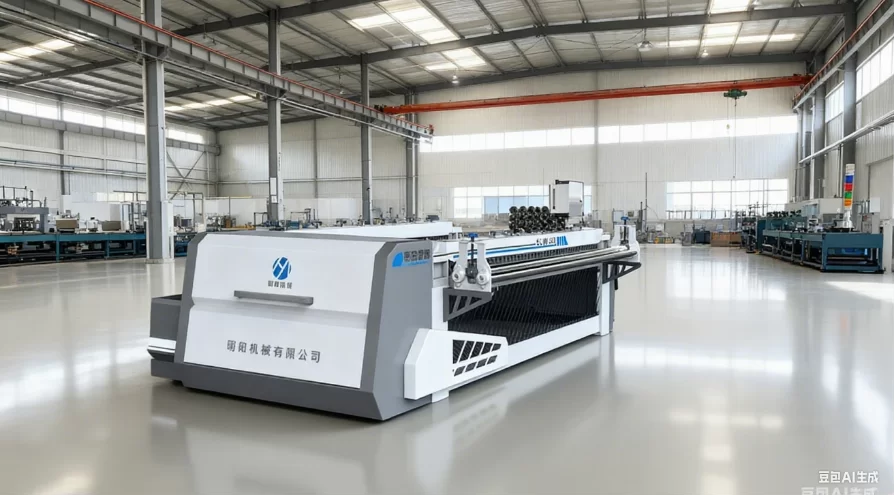
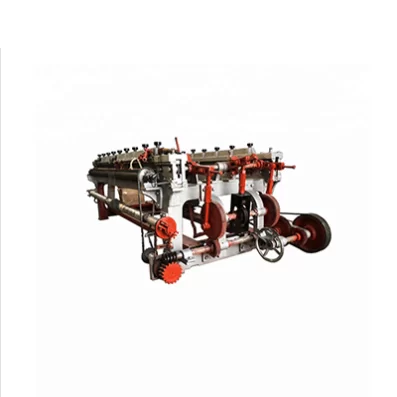
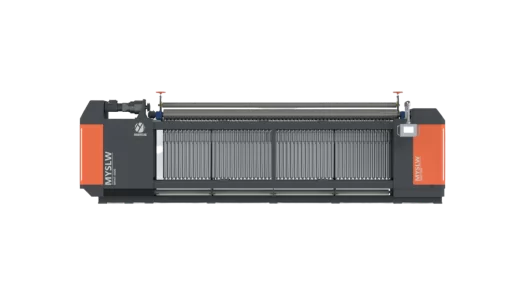
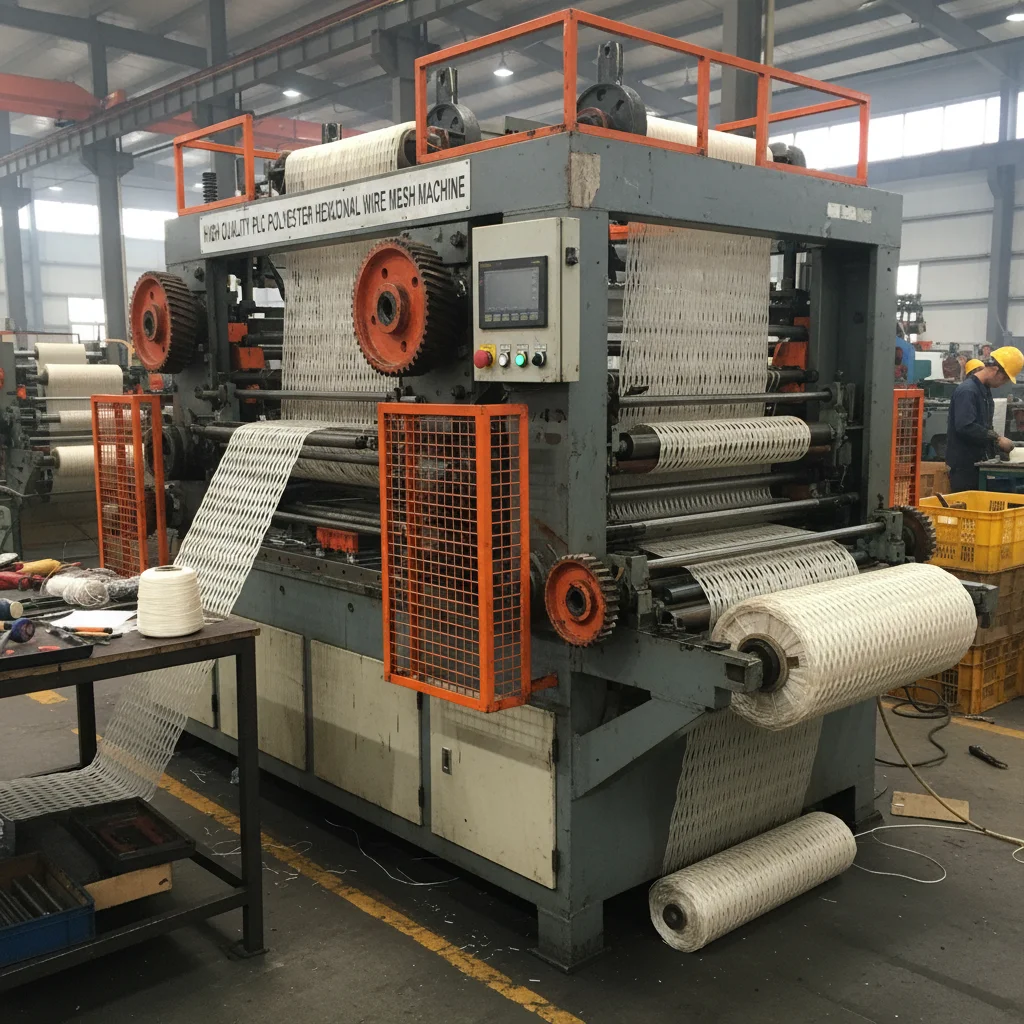
Moreover, sustainability drives manufacturers to develop meshes from recycled steel and optimize production to minimize waste and energy use. Automated weaving technologies promise faster, more precise manufacturing. And with the digital transformation sweeping global supply chains, ordering tailored wire netting products online is becoming seamless.
Challenges and Solutions in Procuring Wire Netting
Despite its many benefits, buyers often face challenges like inconsistent quality, unclear standards, and delays in supply chain logistics.
Experts advise: always verify supplier certifications, request samples before bulk purchases, and consider local sourcing to avoid extended lead times. Some companies now offer turnkey solutions including onsite customization, installation advice, and post-sale support, which frankly makes a huge difference in complex projects.
FAQ: Frequently Asked Questions About Wire Netting for Sale
Q1: What types of wire netting are best for outdoor fencing?
A1: For outdoor fencing, galvanized steel wire netting is commonly chosen due to its corrosion resistance and affordability. If you need longer-term durability in harsh climates, stainless steel mesh is preferable despite a higher cost. Choose mesh size depending on what you want to contain or exclude.
Q2: How do I know if wire netting meets international quality standards?
A2: Look for suppliers who provide ISO 9001 certification and comply with ASTM standards for materials and mesh construction. Requesting material test certificates (MTC) is also best practice to verify compliance and durability claims.
Q3: Can I customize wire netting dimensions for unusual projects?
A3: Absolutely. Most reputable suppliers offer customization in wire diameter, mesh size, roll length, and even coatings. This is particularly useful for industrial or specialized applications that don’t fit standard mesh sizes.
Q4: How sustainable is wire netting manufacturing?
A4: Steel is one of the most recycled materials, making wire netting relatively eco-friendly. Some manufacturers focus on using recycled steel and greener production processes. However, the environmental impact also depends on supplier practices and freight emissions.
Conclusion: Embracing the Versatility and Value of Wire Netting
Wire netting for sale is more than just a commodity—it's a foundational solution that bridges industries, supports sustainable practices, and enhances safety worldwide. Its durability, adaptability, and cost-effectiveness make it indispensable, whether you’re securing farmland, reinforcing infrastructure, or providing safe spaces in humanitarian contexts.
Ready to explore high-quality wire netting options? Visit our website at https://www.htmeshmachines.com to discover customizable mesh solutions that fit your exact needs.
Mini takeaway: When selecting wire netting, balance quality, customization, and supplier reliability for the best long-term value.
References
- United Nations, World Urbanization Prospects
- ISO 9001 Quality Management Principles
- Wikipedia: Wire Mesh