Understanding the Solder Wire Drawing Machine: A Global Perspective
In today’s hyper-connected manufacturing world, precision and efficiency aren’t just buzzwords — they're essential. Enter the solder wire drawing machine, a specialized piece of equipment quietly powering industries that demand tiny, flawless connections. From electronics assembly lines in Shenzhen to aerospace labs in Europe, solder wire plays a subtle but critical role. And behind every spool of that wire sits the meticulous work of drawing machines, devices that transform raw wire rods into perfect, uniform wire of varying diameters.
But why does this matter globally? Well, consider that the global electronics market alone was valued at over $2.1 trillion in 2022 (World Bank data), and the connectivity of components depends heavily on solder’s quality and consistency. Without reliable solder wire, the devices shaping our daily lives — smartphones, medical devices, even satellites — would falter.
So grasping what a solder wire drawing machine does isn’t just for engineers or technicians; it's an insight into how the invisible threads of technology hold everything together.
The Global Context: Why the Industry Can’t Ignore Solder Wire Drawing Machines
The manufacturing sector's relentless push for miniaturization and sustainable practices puts pressure on equipment like solder wire drawing machines to evolve. According to the International Electrotechnical Commission (IEC), high-precision solder wire is foundational to meeting quality standards in electronics. Meanwhile, emerging markets in Asia and Africa are ramping up production, increasing demand for effective wire drawing techniques that are both cost-efficient and eco-conscious.
However, challenges abound. Fluctuating metal prices, energy concerns, and the need for automation make operating these machines a balancing act. That’s why investing in the right solder wire drawing machine is more than merely a procurement decision; it’s a strategic maneuver addressing global supply chain resilience.
What Exactly is a Solder Wire Drawing Machine?
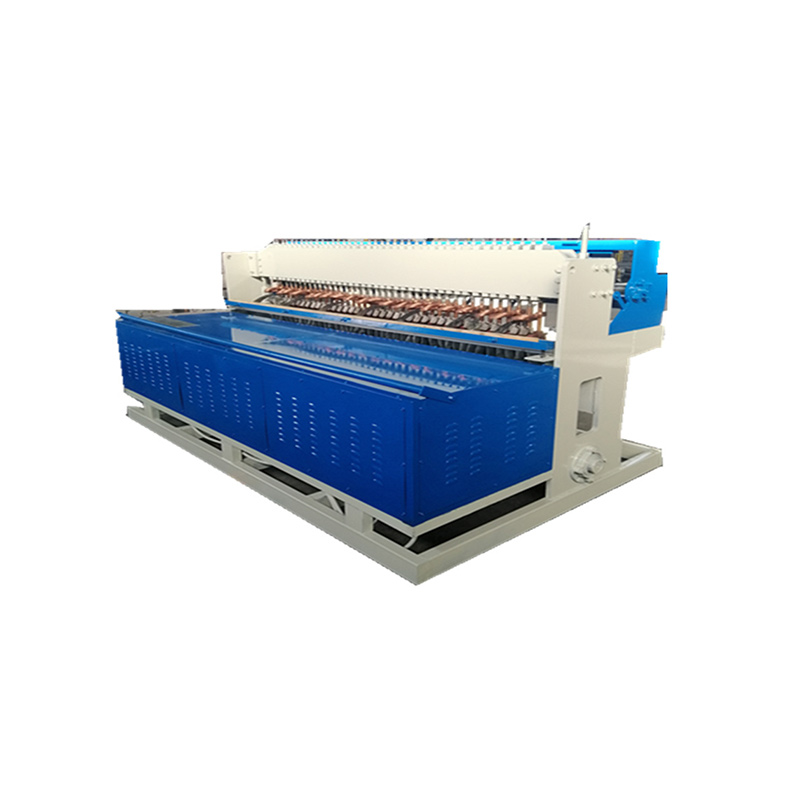
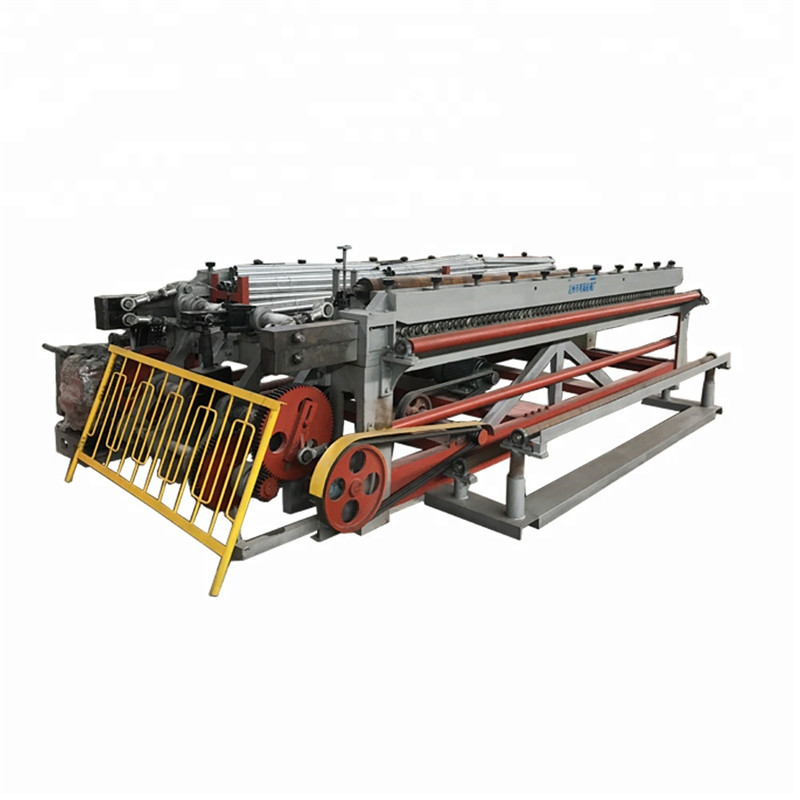
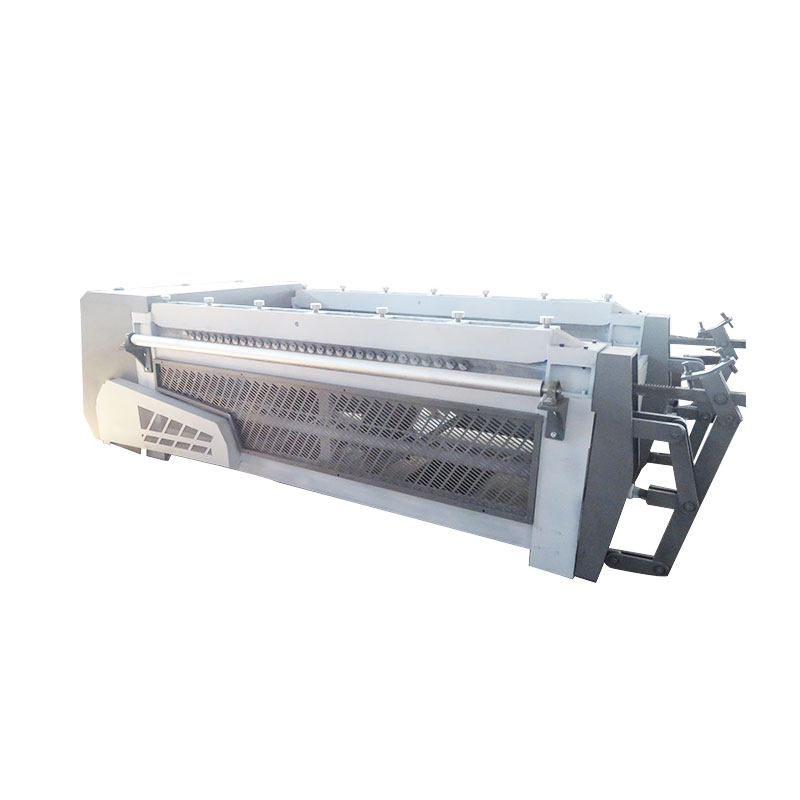
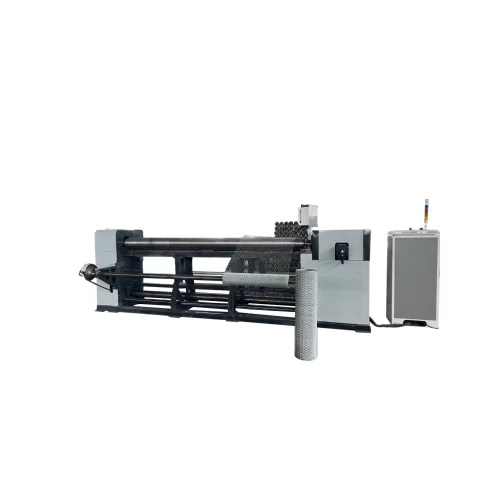
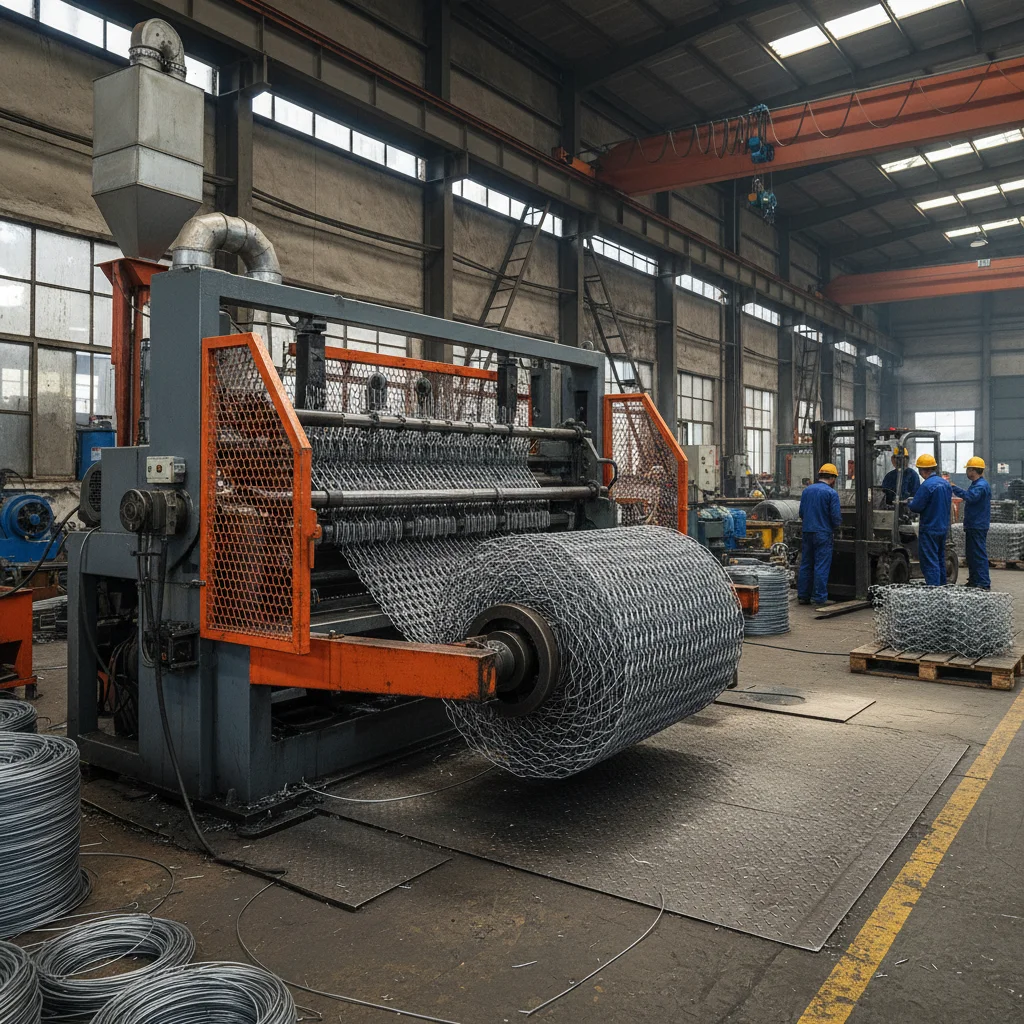
Put simply, a solder wire drawing machine is a device designed to pull and reduce the diameter of solder wire rods. Picture a thick rod slowly drawn through progressively smaller dies — those tiny, hardened openings — until you get a consistent thin wire usable in soldering tasks. The machine ensures the wire’s diameter uniformity, surface smoothness, and metallurgical integrity, all crucial for flawless solder joints.
On a larger scale, these machines connect to manufacturing lines supplying everything from electrical wiring to advanced microelectronics. In humanitarian terms, better soldering means more reliable medical devices and communications gear in remote areas, indirectly supporting global development goals around health and infrastructure.
Core Components You Should Know
- Drawing Die Sets: The heart of sizing accuracy, usually tungsten carbide for durability.
- Drawing Capstan & Winches: Manage tension and pulling speed to avoid wire breakage.
- Lubrication System: Critical to reduce friction and extend die life.
- Annealing Station: For heat treatment to maintain wire flexibility without cracking.
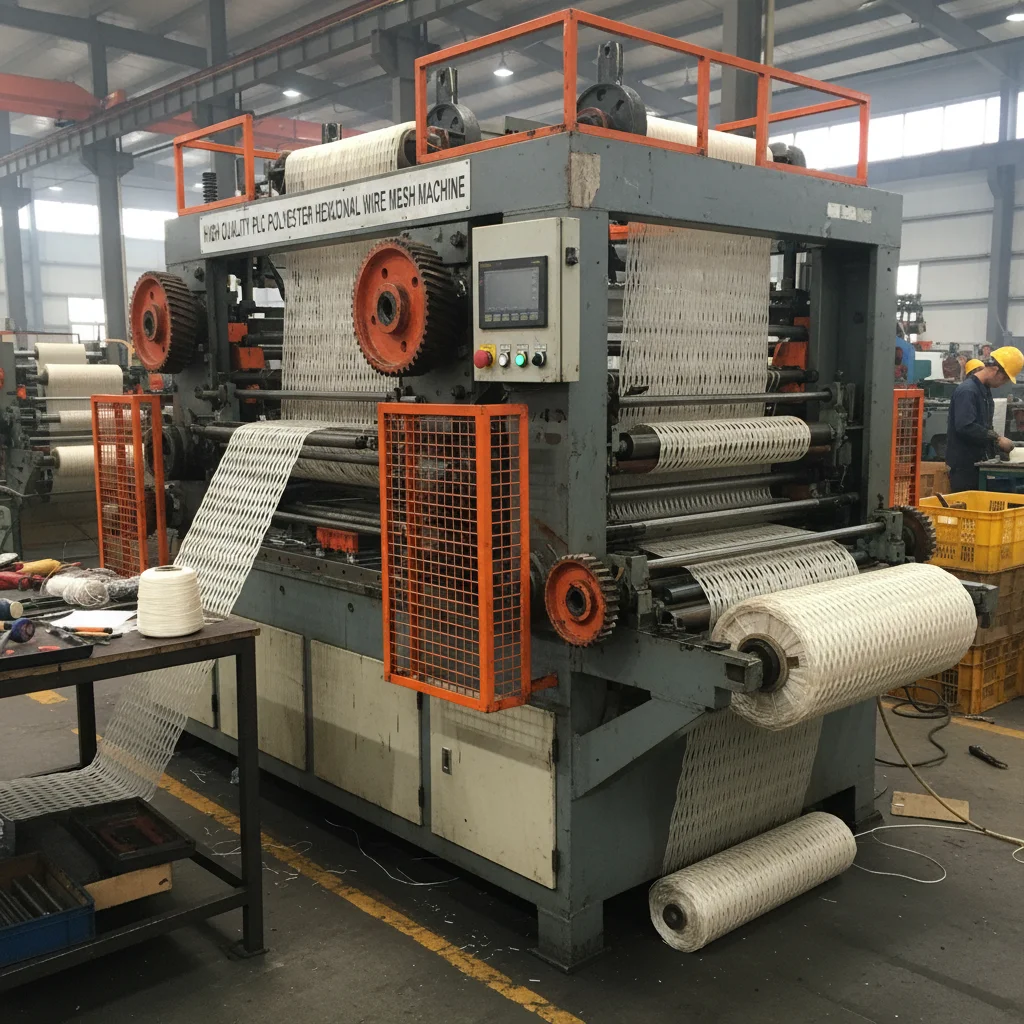
- Automated Control Panel: Modern machines offer digital interfaces helping operators monitor and tweak parameters in real-time.
Each plays a pivotal role in balancing throughput with wire quality. Many seasoned operators say that these components are where machine longevity and performance meet.
Mini Takeaway:
While seeming straightforward, solder wire drawing machines operate a delicate dance between mechanical force and material science — which explains why choosing and maintaining one needs care.
Where in the World Are These Machines Making a Real Difference?
In practice, these machines find homes in diverse settings. For instance:
- Electronics manufacturing hubs in East Asia rely heavily on them to supply thinning solder wire for smartphones and laptops.
- Automotive industry plants in Germany and the U.S. produce specialized wiring for EVs, needing wires drawn to exact specs.
- Post-disaster relief initiatives often use robust equipment to quickly replace or produce critical communication wiring.
- Remote industrial zones in Australia and Canada benefit from modular solder wire drawing machine systems due to limited maintenance resources onsite.
It’s fascinating how a singular technology quietly adapts across continents and industries, matching local needs while maintaining global quality benchmarks.
Global Applications Summary:
From scalable small-batch wire drawing modules suited for custom prototyping to high-volume automated lines, solder wire drawing machines keep the world’s tech gears spinning in more ways than you’d expect.
Breaking Down the Advantages of Investing in Advanced Solder Wire Drawing Machines
Why do manufacturers keep upgrading to newer machines? Here’s the gist:
- Cost Efficiency: Reduced material waste and energy consumption translate to better margins.
- Sustainability: Advanced lubrication and die materials reduce environmental footprint.
- Reliability: Uniform wire diameter improves soldering quality, lowering product failure rates.
- Social Impact: Enabling high-quality electronics supports critical sectors like healthcare and education.
- Innovation: Machines with integrated sensors aid predictive maintenance, reducing downtime.
Emotionally, operators find pride in producing flawless wire that directly impacts safety and functionality of life-critical devices. It’s craftsmanship combined with technology.
Specification Table: Typical Solder Wire Drawing Machine Features
| Feature |
Typical Value |
Remarks |
| Wire Diameter Range | 0.05mm – 5mm | Adjustable with die sets |
| Drawing Speed | Up to 50 meters/min | Depends on material and lubrication |
| Lubrication Type | Water-based or synthetic | Reduces friction and wear |
| Control System | PLC with digital display | Real-time monitoring |
| Power Consumption | 5–15 kW | Varies by model |
| Machine Footprint | Approx. 3m × 2m | Compact for industrial floors |
Comparing Top Solder Wire Drawing Machine Vendors
| Vendor |
Product Range |
Key Strength |
Pricing Tier |
Customer Support |
| HTMesh Machines |
Modular to heavy-duty lines |
Customization & reliability |
Mid-High |
24/7 global support |
| WirePro Technologies |
Standard & rapid-prototype units |
Speed & energy efficiency |
Mid |
Regional support centers |
| SolderTech Solutions |
High-precision & automated |
Cutting-edge automation |
High |
Dedicated onsite engineers |
Emerging Trends and Innovations in Solder Wire Drawing
During the last few years, I noticed a clear pivot toward greener manufacturing. For solder wire drawing machines, this means:
- Advanced materials: Die coatings that last longer and reduce scrap.
- Smart automation: Sensors tracking wire quality in real time.
- Energy-efficient motors: Cutting power use without losing throughput.
- Integration with IoT: Remote diagnostics and predictive alerts helping maintenance teams avoid surprise breakdowns.
One can’t help but think about sustainability and how such improvements align with industry standards like ISO 14001 for environmental management.
Addressing the Challenges: What Holds Back Progress?
Of course, no industrial process is without its headaches. Wire breakage during drawing remains an annoying hurdle, often stemming from suboptimal lubrication or inconsistent rod material quality. Another snag is the relatively high initial investment; smaller manufacturers sometimes hesitate, fearing uncertain ROI.
Expert consensus suggests a few smart moves:
- Investing in high-grade lubricants tailored to specific solder alloys.
- Employing real-time tension sensors to quickly detect and adjust stress.
- Considering leasing options or modular machines that scale with production.
These solutions not only minimize downtime but gently nudge companies toward modernization.
Frequently Asked Questions About Solder Wire Drawing Machines
Q1: How do I choose the right machine size for my solder wire production?
A: Consider your target wire diameter range, production volume, and space constraints. Smaller machines suit prototype or low-volume needs, while larger, automated units are better for high throughput. Consulting with manufacturers like HTMesh Machines helps tailor choices effectively.
Q2: Can these machines handle different solder alloys?
A: Yes — most modern wire drawing machines adapt to various solder alloys, including lead-free compositions, via adjustable drawing speeds and lubrication systems. Proper setup ensures minimal wire defects.
Q3: What maintenance routines are essential to maximize machine life?
A: Regular lubrication, timely die replacement, and calibration of tension controls are crucial. Many machines come with easy-access panels for inspection, encouraging operator involvement.
Q4: Is automation worth it for smaller production runs?
A: Automation improves quality consistency and reduces human error, but for very small runs, semi-automatic machines may be more cost-effective. That said, automation costs are gradually falling.
Q5: How energy-intensive are solder wire drawing machines?
A: Depending on size and speed, power consumption typically ranges between 5 to 15 kW, with newer models designed to optimize energy use while maintaining performance.
In Conclusion: Why Investing in Quality Solder Wire Drawing Machinery Pays Off
When you boil it down, sourcing a solder wire drawing machine isn’t just about acquiring hardware; it’s about ensuring the reliability of the tiniest connections that keep modern tech humming. From global electronics giants to emerging DIY innovators, these machines embody the blend of precision engineering, operational resilience, and forward-thinking sustainability.
Thinking long-term, companies embracing technologically advanced and well-supported solder wire drawing systems position themselves for efficiency gains, reduced downtime, and improved product quality. So, whether you’re scaling production or exploring greener options, the numbers and stories all point to the same conclusion: this investment is worth serious consideration.
To explore what’s new in solder wire drawing, check out HTMesh Machines — they offer a variety of customizable solutions backed by solid support.
References
- World Bank - Manufacturing Overview
- ISO 14001 Environmental Management
- Wikipedia - Solder