Wire Mesh Products: Foundation for Modern Industry and Global Solutions
Wire mesh products might not grab headlines often, yet they silently support some of the world’s most critical infrastructures — from construction and manufacturing to humanitarian relief efforts. Understanding these versatile materials isn't just an industrial curiosity; it's essential to grasping how modern societies build, protect, and innovate at scale. Frankly, the more you dig into wire mesh, the more you realize it’s a cornerstone of reliability and sustainability worldwide.
The Global Context: Why Wire Mesh Products Matter
Wire mesh isn’t just about fencing backyards or sieving kitchen ingredients. It’s a global necessity embedded in industry value chains and humanitarian logistics alike. For instance, the World Bank notes that infrastructure development accounts for nearly 13% of global GDP. Wire mesh products are often embedded within these projects — in reinforced concrete, safety screens, filtration systems, and more.
Oddly enough, in disaster-prone zones, wire mesh plays a vital role too. In humanitarian contexts, these products are used for emergency shelters, protection barriers, and water filtration components, helping deliver safety and dignity. Yet, challenges persist. Selecting the right type amid a sea of options and ensuring durability against diverse environmental conditions remain critical issues stakeholders face.
Mini takeaway: Wire mesh products are quietly indispensable worldwide, offering infrastructural strength and humanitarian support that crosses continents and cultures.
What Are Wire Mesh Products?
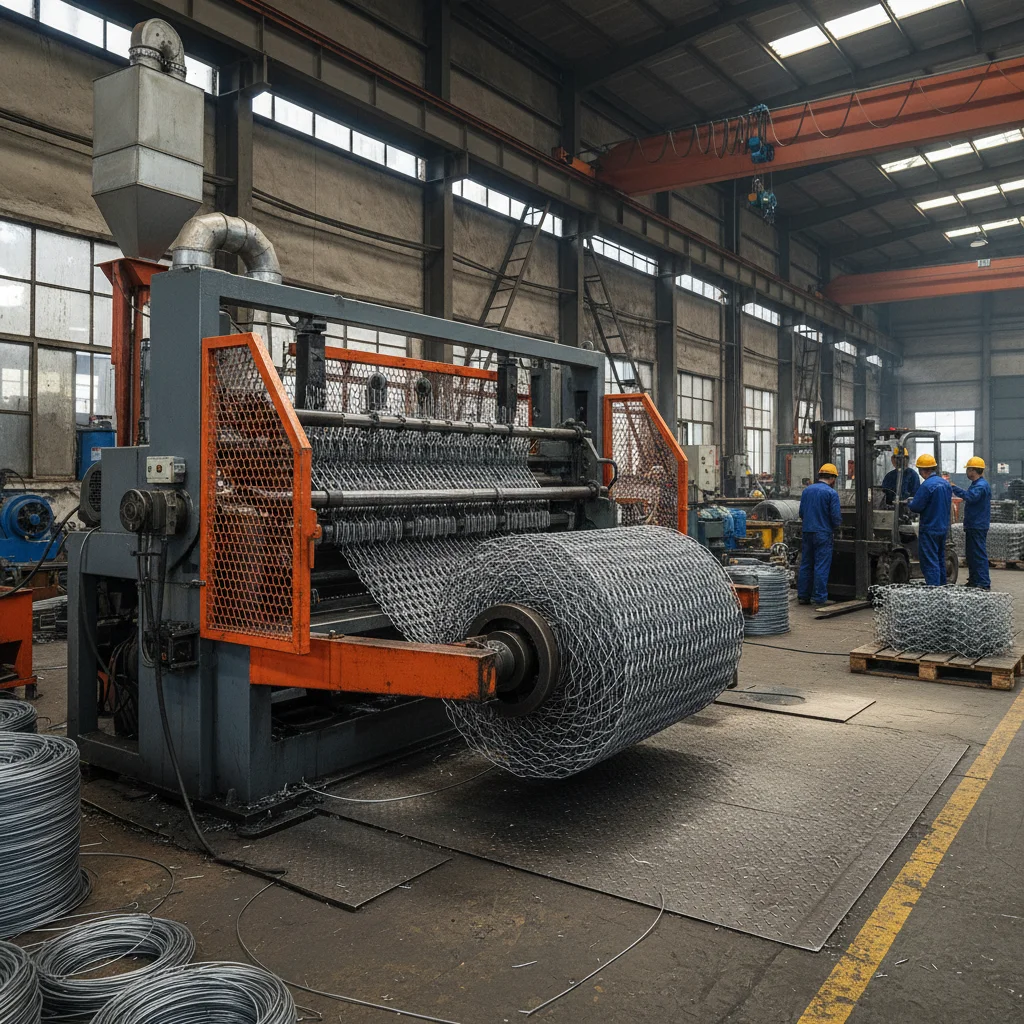
Simply put, wire mesh products are grids made by weaving or welding metal wires into a net-like structure. They can be crafted from materials like stainless steel, galvanized steel, and sometimes even alloyed metals. Their forms vary — from fine meshes filtering particles to heavy-duty constructions reinforcing concrete.
These products serve as the backbone in multiple industries, enabling filtration, protection, structural reinforcement, and even aesthetic design. In modern industrial setups, they efficiently bridge raw material demands and functional performance. Humanitarians rely on them for safe shelter frameworks and filtration solutions amid crises.
Mini takeaway: Wire mesh products are metal grids designed for flexible uses, connecting industrial strength with humanitarian needs seamlessly.
Key Components and Considerations
1. Material & Corrosion Resistance
Most wire mesh products feature stainless or galvanized steel to resist rust and corrosion. This durability is crucial for projects in wet or harsh environments — think flood-prone zones or coastal infrastructure.
2. Mesh Size & Aperture
The size of the openings determines the mesh’s application. For instance, finer mesh filters dust and particles, while larger apertures provide robust structural support or security fencing.
3. Strength & Load Capacity
The tensile strength and flexibility make wire mesh ideal for reinforcing concrete, holding materials in place, or protecting machinery. Engineers often select mesh based on calculated load-bearing requirements.
4. Scalability & Customization
Wire mesh products are highly scalable. They can be customized in sheet size, wire gauge, or weaving pattern, adapting from small-scale filters to large industrial barriers.
5. Cost Efficiency
Compared to custom-built steel fabrications, wire mesh balances cost and functionality well. It often offers a reusable solution, furthering its economic advantages.
Mini takeaway: Choosing wire mesh requires balancing material properties, size, strength, scalability, and cost — tying directly into its real-world utility.
Global Applications and Use Cases
The applications are as diverse as the global markets demanding them. In construction hubs across Asia and Europe, wire mesh reinforces concrete foundations in commercial buildings. In mining operations in Australia and Africa, dense wire meshes protect workers while sorting minerals.
On the humanitarian front, organizations like the UN use wire mesh in rapid housing construction after natural disasters. For example, after the 2021 floods in South Asia, mesh-based shelter frameworks sped up rebuilding efforts — a testament to the material’s versatility and availability.
Even in food and chemical industries worldwide, wire mesh filters play a silent yet critical role in quality assurance through particle separation and fluid filtration.
Mini takeaway: From skyscrapers to refugee shelters, wire mesh products play multifaceted roles across regions and sectors, proving their indispensability.
Advantages and Long-Term Value
- Durability: Wire mesh resists wear and corrosion, translating to longer service life and lower maintenance.
- Affordability: Offers a budget-friendly solution, balancing quality without over-expenditure.
- Safety and Protection: Provides a trusted physical barrier that safeguards workers and infrastructure.
- Sustainability: Many wire mesh types are recyclable and contribute to green building certifications (ISO 14001).
- Innovation Catalyst: The adaptability of wire mesh allows integration with digital fabrication and smart materials.
There’s also an emotional side: the trust that communities and engineers place in these products to protect lives and livelihoods makes them more than metal grids — they’re pillars of security and innovation.
Mini takeaway: Wire mesh products provide lasting value through a balance of durability, safety, cost-effectiveness, and environmental responsibility.
Product Specifications Table
| Specification |
Typical Range |
Application |
| Material |
Stainless Steel, Galvanized Steel |
Corrosion resistance, structural use |
| Mesh Size (Aperture) |
0.5 mm to 50 mm |
Filtration to reinforcement |
| Wire Diameter |
0.2 mm to 5 mm |
Strength and flexibility control |
| Coating |
PVC, Zinc, None |
Extra corrosion protection |
| Sheet Dimensions |
Up to 2 m x 6 m |
Varies by project size |
Vendor Comparison Table
| Vendor |
Material Range |
Customization |
Lead Time |
Price Tier |
| HT Mesh Machines |
Steel, Stainless |
High – Custom gauges and sizes |
2-4 weeks |
Medium |
| Global Wire Supply |
Galvanized steel primarily |
Moderate – Standard sizes |
1-3 weeks |
Low |
| Metro Mesh Corp |
Alloys & coated wire |
Limited |
3-5 weeks |
High |
Emerging Trends and Innovations
The wire mesh sector is quietly entering a new era. Advances in materials science point toward nanocoatings that enhance corrosion resistance without heavy metals. Integration with IoT sensors is becoming feasible — for example, mesh used in infrastructure might report stress or damage early on.
There’s also a growing sustainability movement: some manufacturers focus on recycled steel meshes or biopolymer-coated meshes which are easier to recycle. In architecture, wire mesh facades blend functionality with aesthetics, reflecting green building trends (aligned with ISO 21929 standards).
Mini takeaway: The future of wire mesh looks smart, sustainable, and increasingly custom-tailored to specific industrial needs.
Challenges and Expert Solutions
Like all products, wire mesh faces challenges. Environmental corrosion in extreme climates, supply chain disruptions, and quality inconsistencies can undermine performance. For example, when sourcing meshes for post-disaster shelters, delays or subpar materials can cause costly project risks.
Experts suggest partnering with trusted suppliers who provide certification, testing data, and flexible solutions. Additionally, innovative coatings and composite meshes offer improved lifespan and robustness.
Lastly, knowledge-sharing platforms and standards (think ISO 9001 quality management) play a huge role in overcoming fragmentation in the market.
FAQ: Wire Mesh Products
- What types of wire mesh are best for filtration?
- Finer meshes with small apertures (around 0.5 mm or less) made of stainless steel usually perform best in filtration, offering corrosion resistance and durability.
- How do I choose the right wire mesh for construction reinforcement?
- Consider wire diameter, tensile strength, and coating type. Welded galvanized steel grids are common for reinforced concrete slabs because they provide rigidity and corrosion resistance.
- Are wire mesh products eco-friendly?
- Many meshes are recyclable and can be made from recycled steel, reducing environmental impact. Additionally, some suppliers offer eco-certified or low-impact manufacturing processes.
- Can wire mesh be customized for size and shape?
- Definitely. Suppliers like HT Mesh Machines offer custom sizes, wire gauges, and patterns to fit industrial or humanitarian project needs.
- How do international NGOs import wire mesh products?
- Most vendors provide export-ready products with proper certifications. NGOs often coordinate with suppliers for bulk orders and shipping logistics to ensure timely delivery.
Conclusion: A Wire Mesh Future Worth Watching
Wire mesh products may not headline innovations, but their role in shaping our built environment and emergency response is profound. Durable, adaptable, and increasingly smart, these metal grids offer a uniquely balanced combination of cost-efficiency, safety, and sustainability. For anyone invested in infrastructure, manufacturing, or humanitarian logistics, keeping an eye on wire mesh developments is simply wise.
For more on advanced wire mesh products and custom solutions, I encourage you to visit the site. There, you’ll find the expert craftsmanship and innovation that underpin many modern industrial success stories.
Final takeaway: Wire mesh is quietly strong, endlessly adaptable, and a surprising pillar of global progress.
References:
1. World Bank – Infrastructure Overview
2. Wikipedia – Wire Mesh
3. ISO 14001 Environmental Management