Understanding the Continuous Wire Drawing Machine: Why It Matters Globally
Whether you're involved in manufacturing, construction, or just curious about how the wires holding modern infrastructure together are made, continuous wire drawing machines hold a quiet but vital place in industry worldwide. These machines don't just shape steel or copper wires—they streamline production, reduce costs, and improve quality on a scale that touches everything from bridges in Europe to electrical grids in Asia.
Appreciating how a continuous wire drawing machine operates offers insight into a foundational part of global supply chains, especially as demand for durable, flexible wiring grows. The benefits? Faster production, uniform wire quality, and a process that’s increasingly energy-efficient, all pivotal in a world chasing sustainability.
The Global Context: Why Continuous Wire Drawing Machines Are More Relevant Than Ever
It’s no secret that the global infrastructure push — from renewable energy installations to expanding internet access — depends heavily on reliable wiring. According to the International Energy Agency (IEA), the demand for copper wiring in renewable projects will increase by over 70% by 2030. Meanwhile, modernization efforts in developing economies require robust manufacturing solutions to keep pace. This is where continuous wire drawing machines truly shine.
However, the challenge lies in meeting this growing demand efficiently. Traditional batch wire drawing methods are often slower and more resource-intensive. Continuous wire drawing machines address this by providing a streamlined, non-stop process that conserves energy, uses materials better, and supports scalability. It’s a bit like switching from handcrafting a single necklace to running a factory with well-orchestrated assembly lines.
What Exactly Is A Continuous Wire Drawing Machine?
In simple terms, a continuous wire drawing machine is industrial equipment designed to reduce the diameter of a wire by pulling it through a series of dies or plates, continuously, rather than in discrete batches. This contributes to better surface finish, consistent mechanical properties, and fewer weak spots in the final wire product.
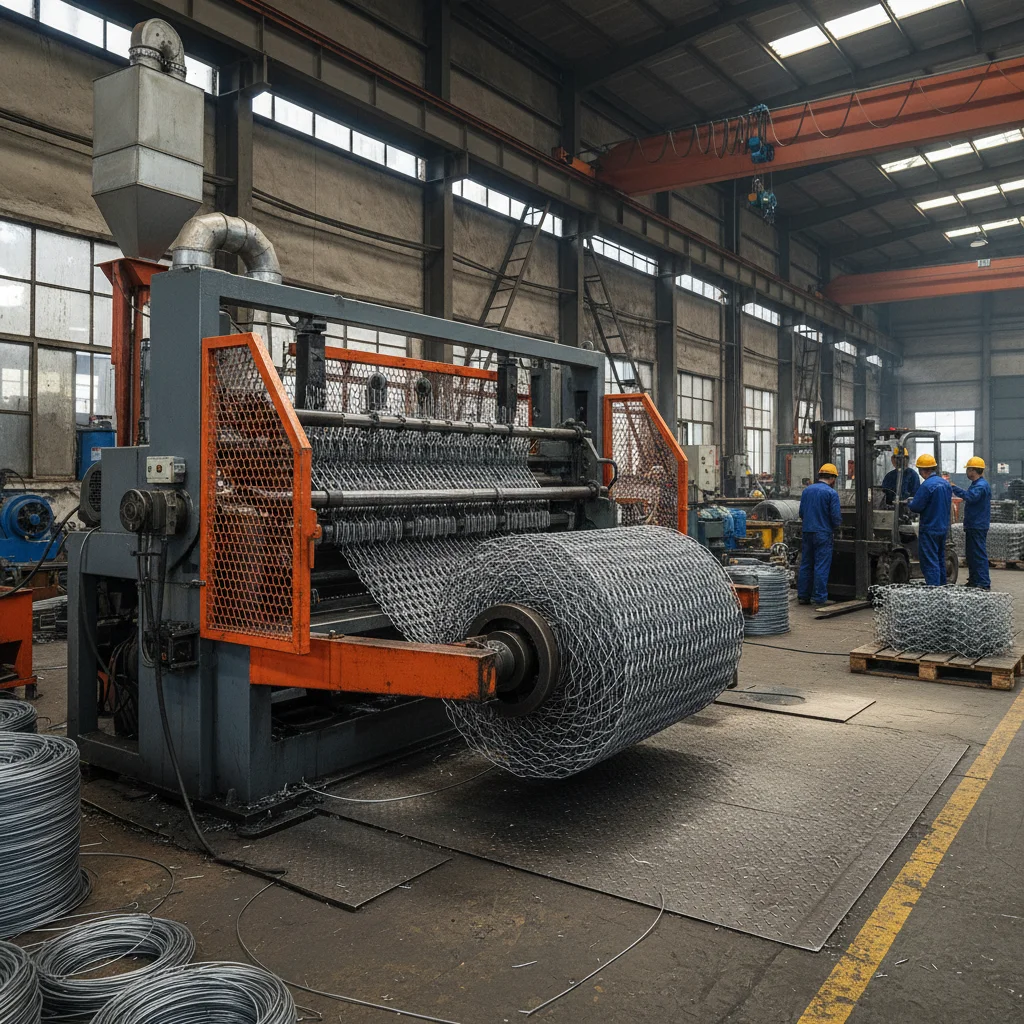
These machines can process metals like copper, aluminum, and steel to create wires used in everything from power cables to tensile reinforcements. The continuous aspect means that raw wire stock is fed in one end and drawn thinner and longer on the other without stopping — optimizing production speed and quality simultaneously.
Interestingly, the rise of this technology corresponds with industrial demands that meld speed with precision; humanitarian efforts rebuilding electrical grids after disasters, for instance, rely on dependable wiring that benefits from continuous manufacturing advances.
Core Components and Features of Continuous Wire Drawing Machines
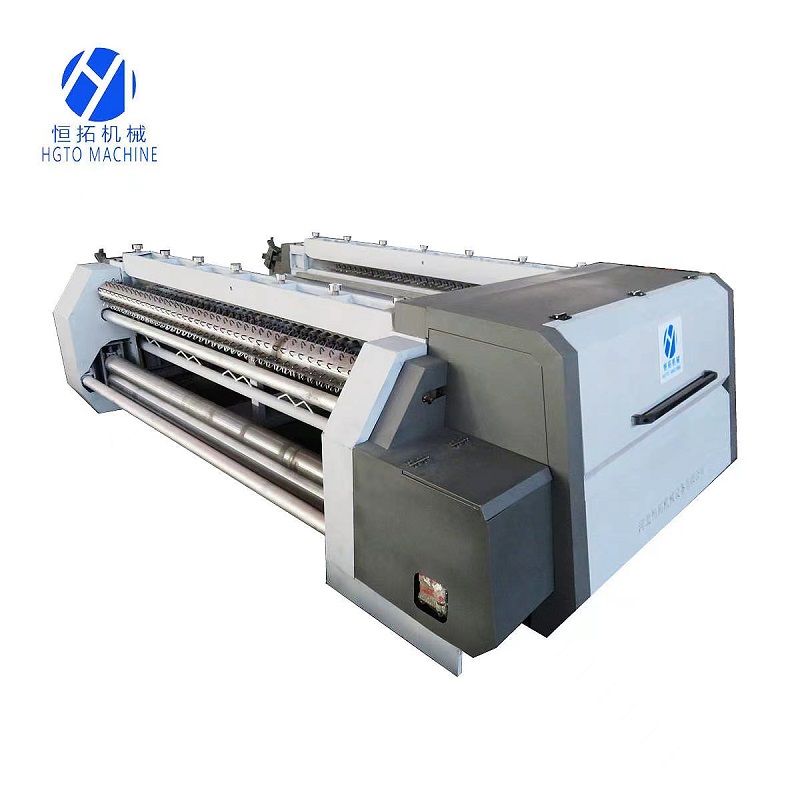
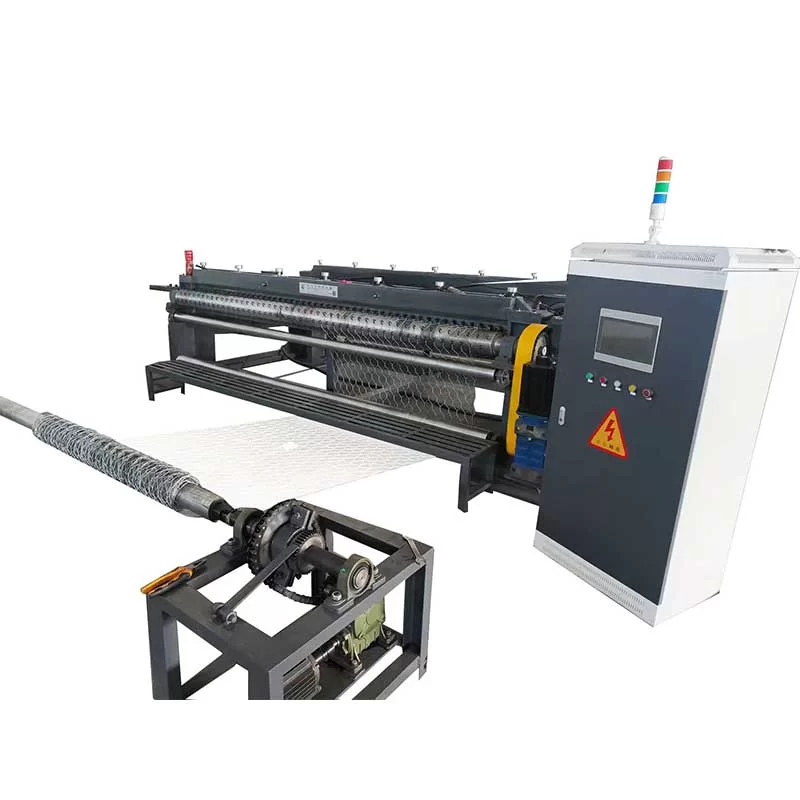
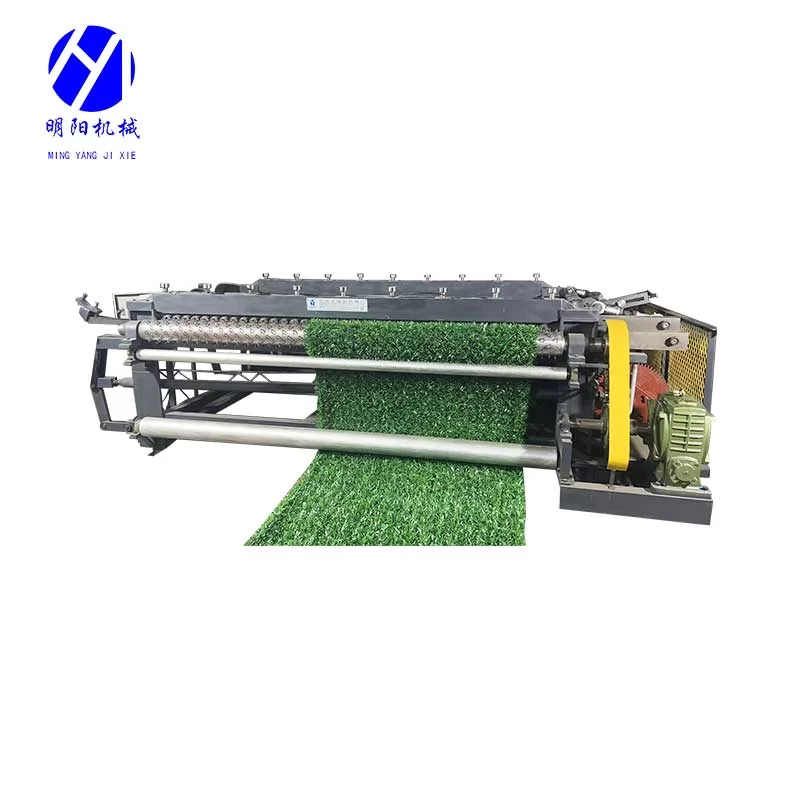
- Drive System: Usually motorized rollers that pull the wire through dies gently but firmly, ensuring uniform elongation.
- Drawing Die Unit: A sequence of hardened openings that progressively reduce wire thickness, critical for precision.
- Capstan or Take-Up Reel: Controls wire tension and speed, preventing breaks or stretching beyond tolerance.
- Lubrication System: Minimizes friction and wear on both wire and equipment, promoting efficiency and quality.
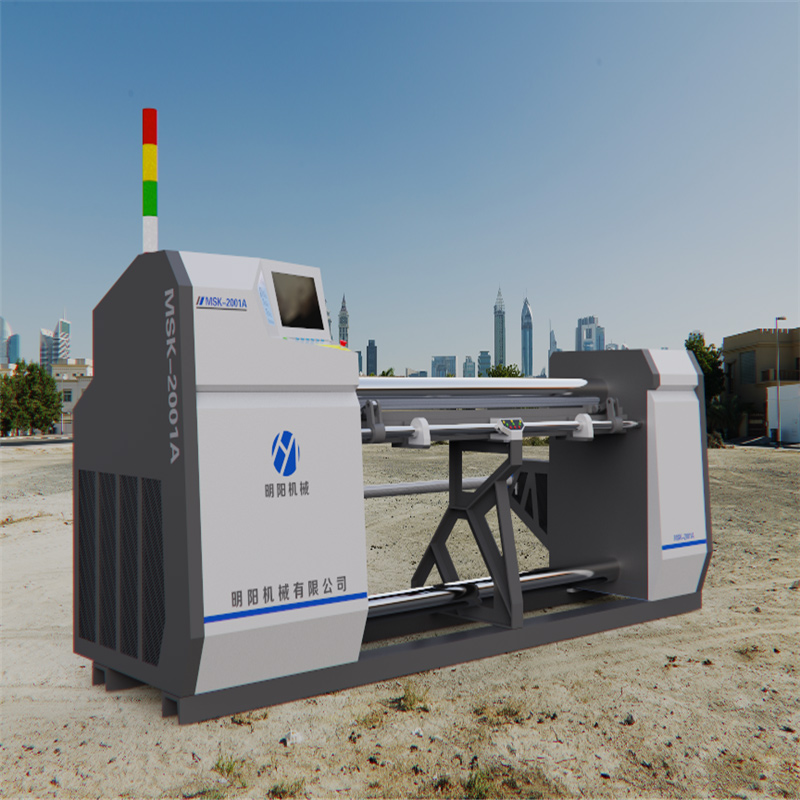
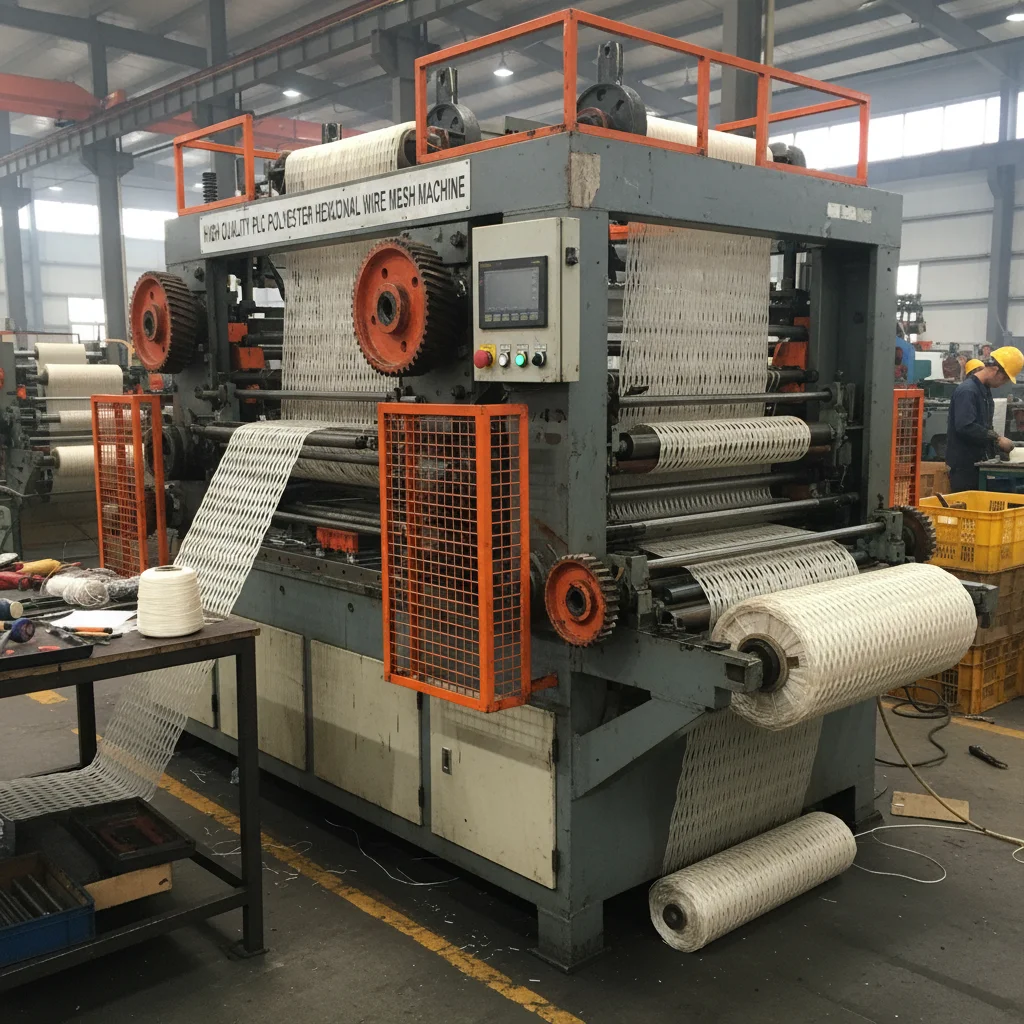
- Control Panels with Automation: Modern machines offer programmable settings, enabling adaptation to various wire materials and diameters with minimal downtime.
These components work in harmony—like a well-trained orchestra—delivering a continuous process that’s both fast and gentle on materials.
Quick Takeaway:
The efficiency of continuous wire drawing machines comes from precise coordination of mechanical and control elements, enabling high output without compromising integrity.
Where Are Continuous Wire Drawing Machines Making a Difference?
Global manufacturing hubs such as China, Germany, and the USA lead in deploying these technologies, but their benefits ripple outward. In South Asia’s growing electrical markets, these machines support rapid urban expansion. In remote industrial zones — say, mining operations in Australia or infrastructure projects in Africa — continuous wire drawing machines provide durable solutions that withstand harsh environments.
For example, in post-disaster relief efforts, organizations often rely on fast supply of high-quality wiring to restore power quickly. Continuous wire drawing technology helps manufacturers fill this need by shortening lead times.
Mini Takeaway:
Continuous wire drawing technology is a global enabler—powering projects from dense urban centers to far-flung development sites.
Advantages and Long-Term Value of Continuous Wire Drawing Machines
- Cost Efficiency: Minimizes material waste and cuts labor costs with automation.
- Consistent Quality: Reduces wire defects, improving mechanical strength and lifespan.
- Sustainability: Lower energy consumption compared to older batch methods, supporting green goals.
- Safety & Reliability: Reliable output means safer electrical installations, enhancing trust.
- Scalability: Easily expanded or adjusted for various wire sizes and materials, meeting shifting demands.
Frankly, the emotional angle here is simple: knowing that infrastructure you depend on is supported by reliable, reproducible technology invites confidence, whether you’re an engineer or end-user.
Product Specification Table
| Specification |
Typical Value |
| Wire Diameter Range |
0.1mm – 12mm |
| Material Compatibility |
Copper, Aluminum, Steel, Stainless Steel |
| Production Speed |
Up to 200 m/min |
| Power Consumption |
10 – 30 kW depending on model |
| Automation Level |
Semi to Fully Automated |
| Machine Weight |
1,200 – 5,000 kg (varies) |
Comparing Some Top Continuous Wire Drawing Machine Vendors
| Vendor |
Automation |
Materials Supported |
Lead Time |
Price Range |
| HTM Mesh Machines |
Fully Automated |
Copper, Steel, Aluminium |
4–6 weeks |
$$$ |
| ConduWire Technologies |
Semi-Automated |
Steel, Stainless Steel |
6–8 weeks |
$$ |
| Global Wire Craft |
Fully Automated |
Copper, Aluminium |
3–5 weeks |
$$$$ |
Emerging Trends and Innovations Shaping Continuous Wire Drawing Machines
It’s fascinating to see how digital transformation sweeps through even these specialized machines. Smart sensors are now monitoring wire tension and lubrication in real time. This avoids wire breaks and improves yield—a big deal for factories watching margins razor-thin.
Then there’s the push for greener production. Manufacturers are designing drives powered by variable frequency motors and recycling cooling fluids, aligning with ISO 14001 environmental standards. Oddly enough, this not only cuts costs but reduces the carbon footprint, which is something customers and governments increasingly demand.
Material science advances too—processing copper alloys with improved conductivity or new corrosion-resistant coatings means wires last longer, making the machines' output even more valuable.
Challenges and Practical Solutions in Continuous Wire Drawing
One quirk of continuous wire drawing is that a slight variation in die size or lubrication can cause wire defects or breaks, halting production. Engineers often tackle this by introducing automated die wear detection and feedback loops that adapt speed and tension dynamically.
Also, initial investment costs remain high for smaller manufacturers. Leasing models and modular machine designs are slowly changing this landscape, making the technology accessible without massive upfront budgets.
FAQs About Continuous Wire Drawing Machines
- How does a continuous wire drawing machine differ from traditional wire drawing equipment?
- Unlike batch processes, continuous machines pull wire non-stop through multiple dies, improving speed and product uniformity while reducing downtime for adjustments.
- What wire materials can be processed by these machines?
- Most continuous wire drawing machines handle common conductive metals like copper and aluminum, as well as steels and some specialty alloys, offering versatility critical for diverse applications.
- What maintenance is typically required?
- Regular lubrication system checks, die inspections, and tension calibration are essential to maintain quality and minimize wear, with modern machines often providing alerts through smart diagnostics.
- Are these machines energy efficient?
- Yes. Compared to older batch systems, continuous wire drawing machines consume less power thanks to optimized drives and lubrication, aligning well with sustainable manufacturing goals.
- How quickly can production be scaled up or down?
- Many machines offer programmable control systems allowing speed and wire diameter adjustments, supporting flexible production schedules and custom orders.
Wrapping It Up: Why Continuous Wire Drawing Machines Are Future-Ready Investments
All told, continuous wire drawing machines represent a reliable, sustainable way to meet growing global wire demands. They strike a balance between precision and efficiency that raw numbers alone can't capture—it’s a quality of consistency that has engineers nodding in approval. Plus, the tech is evolving with greener energy use and smarter automation, making it an investment not just for today but for tomorrow.
Curious to explore concrete options or get expert advice? Check out continuous wire drawing machine providers who combine robust design with the latest innovations.
References & Further Reading
- Wire Drawing – Wikipedia
- IEA Report on Copper Demand
- ISO 14001 Environmental Management Standards