Understanding Different Types of Nails in Construction: Why It Matters Globally
When you think about construction, nails might seem like one of the simplest parts of the equation—small pieces of metal holding things together. Yet, oddly enough, the variety and specific types of nails used in construction projects worldwide hold quite a bit of weight in efficiency, safety, and cost. Frankly, having a solid grasp of different types of nails construction can help architects, builders, and even humanitarian organizations make smarter decisions that ripple into stronger structures and reduced waste.
Global Significance of Nail Selection in Construction
Construction is a backbone industry — according to the World Bank, the global construction market is expected to exceed $11 trillion by 2025. Nails might be small, but their role is enormous. Proper nail choice impacts the durability and sustainability of buildings, especially in regions facing seismic activity, hurricanes, or resource scarcity. Faulty or inappropriate nails can lead to structural failure, escalating global costs and safety hazards.
Consider this: the International Organization for Standardization (ISO) has developed standards for fasteners to ensure quality and safety universally. Yet, the diversity of nails—from common wire nails to specialized ring shank or galvanized nails—carries unique properties that fit different environments and projects. The challenge is real for global industries and aid groups trying to adapt these solutions in diverse contexts, where resources and conditions vary greatly.
What Are Different Types of Nails in Construction?
In simplest terms, different types of nails construction refers to the variety of nails designed and manufactured specifically for fastening materials in building projects. Think beyond your basic nail: there are roofing nails, finishing nails, masonry nails, and more — each with distinct shapes, coatings, and strength profiles.
This variety isn’t just academic. Modern industries rely heavily on selecting nails that optimize holding power, resist corrosion, or provide aesthetic finishes. Humanitarian efforts also rely on these choices to quickly set up safe shelters or reconstruct critical infrastructure in disaster zones.
Key Factors in Choosing Nail Types
1. Durability and Corrosion Resistance
For outdoor and humid environments, nails coated with galvanized zinc or stainless steel are crucial to prevent rust, which could weaken structures over years. For example, coastal construction often demands such nails to fight salty sea air.
2. Holding Power
Nails like ring shank or spiral nails are designed for better grip in wood due to their textured shafts, minimizing loosening over time—a must in flooring or decking.
3. Nail Length and Diameter
These must align with the thickness of materials used—too short won't hold, too long might damage underlying structures.
4. Specialized Function
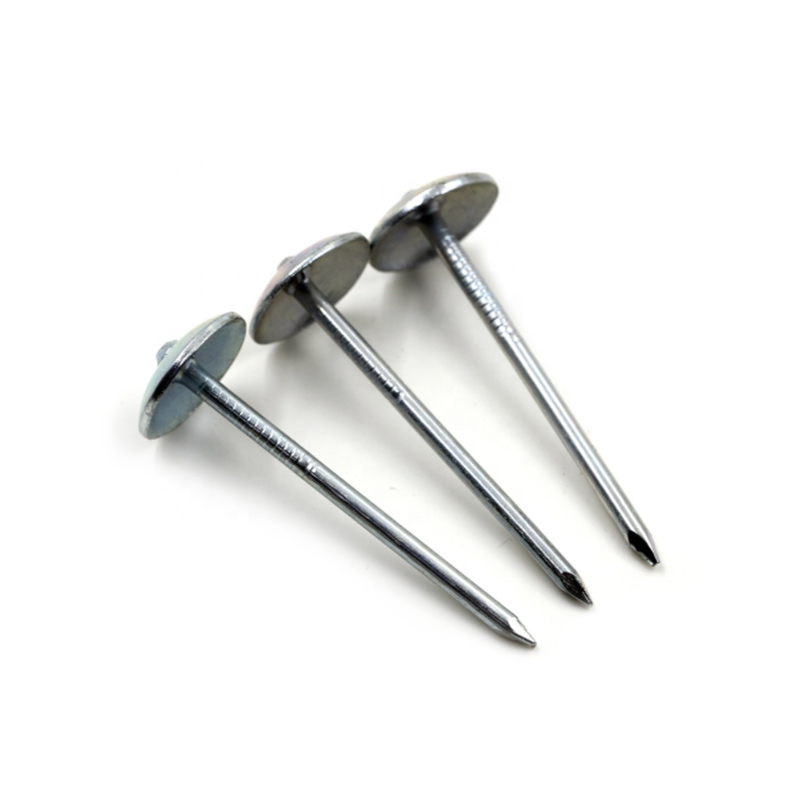
Roofing nails have large heads to secure shingles without tearing, while finishing nails have smaller heads for a neat surface.
5. Cost Efficiency
While specialty nails might save money long-term through durability, upfront costs matter too—especially in large-scale or aid projects.
| Nail Type |
Common Use |
Material/Coating |
Holding Power |
Cost Range |
| Common Wire Nail |
General framing |
Steel, plain or galvanized |
Moderate |
Low |
| Ring Shank Nail |
Flooring, decking |
Galvanized or coated steel |
High |
Medium |
| Finishing Nail |
Cabinetry and trim |
Steel, stainless or brass |
Low (cosmetic) |
Medium |
| Masonry Nail |
Concrete or brick fastening |
Hardened steel |
Very High |
High |
Mini takeaway: Knowing these basic types can save headaches on-site and ensure structures stand the test of time.
Where Are These Nails Used Worldwide?
From the skyscrapers of New York to rural houses in Bangladesh, different types of nails construction ensure tailored solutions. The U.S. building industry predominantly uses ring shank nails for decking, while in disaster-prone Southeast Asia, galvanized nails help maintain shelter integrity amid monsoons.
In humanitarian aid, organizations often depend on quick-to-install yet reliable fasteners to rebuild homes post-disaster. For instance, in Nepal’s earthquake recovery, nails pairing good holding power with corrosion resistance made temporary shelters safer amidst harsh weather.
Different types of nails construction are also critical in industrial sectors — shipbuilding, infrastructure, and even artistic woodworking.
Advantages & Long-Term Value of Choosing the Right Nail
- Cost Savings: Investing slightly more upfront on the right nail can prevent structural failures and costly repairs later.
- Sustainability: Durable nails reduce waste and environmental impact by extending building life.
- Safety & Trust: Building inspectors in many countries demand compliance with fastener standards for occupant safety.
- Aesthetic Quality: Finishing nails enable sleek designs without unsightly heads.
Emotionally, it’s about trust and dignity too — strong nails mean people feel safe in their homes, which shouldn’t be undervalued.
Looking Ahead: Innovations in Nail Technology
The future looks promising. Biodegradable nails, improved coatings resistant to extreme weather, and nails designed for automated nail guns are emerging. With sustainability in focus, some manufacturers explore recycled materials and non-toxic finishes.
Smart construction is also influencing the sector. Digital inventory tracking and nail detection sensors help streamline large-scale projects, minimizing waste and errors.
| Vendor |
Specialization |
Global Reach |
Featured Nail Types |
Sustainability Initiatives |
| FastFix Corp |
Wood & masonry nails |
North America, Europe |
Ring shank, galvanized |
Recycled steel use |
| EcoNail Solutions |
Biodegradable fasteners |
Asia-Pacific focus |
Finishing, roofing nails |
Plant-based coatings |
| Global Fix Nails |
Wide-ranging fasteners |
Worldwide |
Masonry, structural nails |
ISO 9001 certified, eco-packaging |
Common Challenges & How Experts Overcome Them
Clearly, not every nail is right for every project, and many builders struggle with identifying which is best for their budget and environment. Sometimes supply chains create delays in specialized nails, and DIY sellers get overwhelmed by options.
Engineers often advise creating a project-specific nail guide—factoring climate, building codes, material types, and future maintenance. The integration of vendor consultation, coupled with clear ISO and ASTM standards, also helps minimize risks.
FAQ: Frequently Asked Questions About Different Types of Nails Construction
- What nail type is best for outdoor decking?
- Ring shank nails coated with galvanized steel are typically preferred due to their superior holding power and corrosion resistance vital for exposure to elements.
- Are finishing nails good for structural support?
- No, finishing nails are primarily for cosmetic purposes like trim and cabinetry. Structural projects require common or ring shank nails for strength.
- How can I ensure nails resist rust in coastal areas?
- Use stainless steel or hot-dipped galvanized nails, as they have protective coatings that significantly slow corrosion in salty, humid environments.
- Is it cost-effective to use specialty nails on large projects?
- While specialty nails can have higher upfront costs, their durability reduces repairs and replacements, offering long-term savings.
- Where can I learn more about different types of nails construction?
- Check resources like the Wikipedia page on fasteners or standards published by ISO.
Conclusion & Call to Action
In real terms, understanding the subtle but critical distinctions among different types of nails construction is more than a tool for builders — it’s a necessity. It affects safety, economics, and sustainability worldwide. Whether you're an industry pro or involved in disaster relief, choosing the correct nail specs might just be a quiet hero of your project’s success.
Please visit our website for more detailed product information and expert guidance on nails and fasteners tailored to your construction needs.
Oddly enough, the little things really do matter the most.
References
- World Bank: Global Construction Market Overview
- Wikipedia: Fastener
- ISO Standards on Fasteners