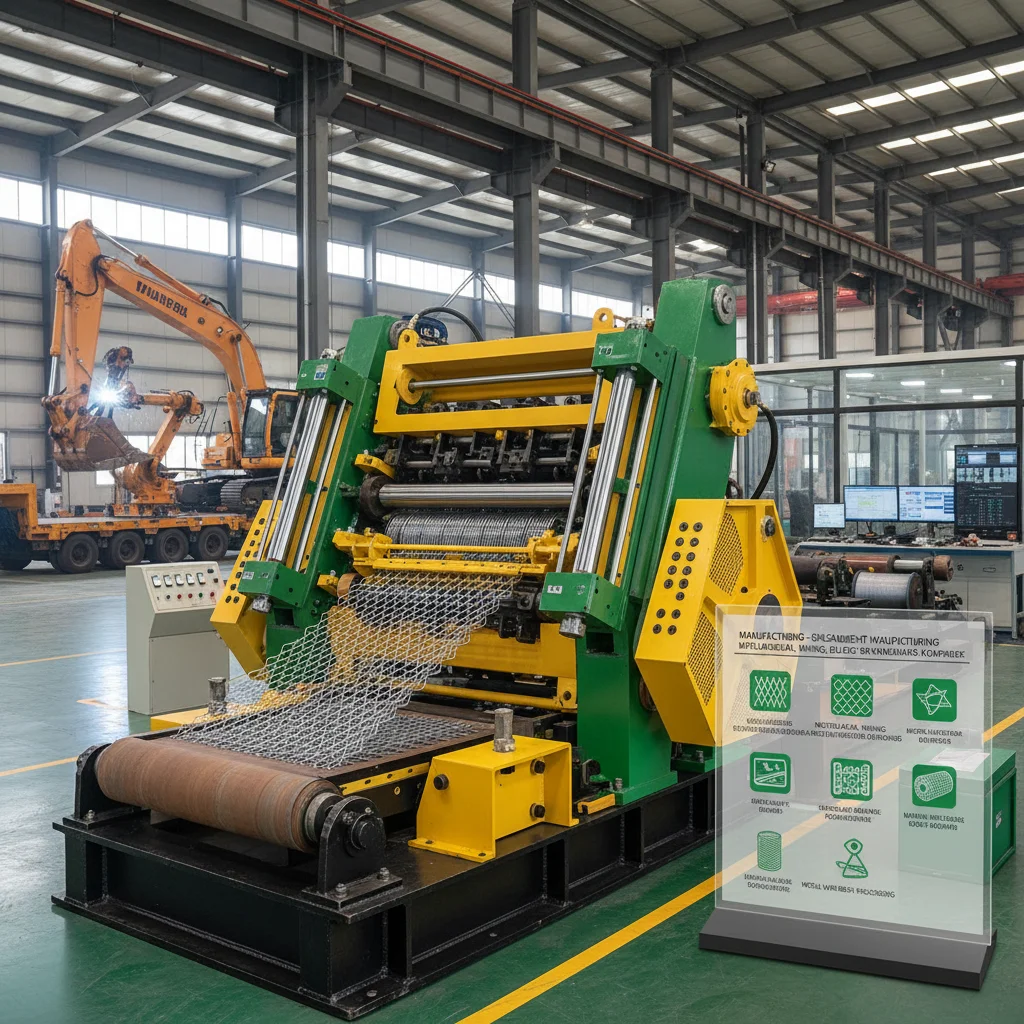
Exploring Different Types of Wire Fencing: A Practical Guide
You might not think about different types of wire fencing often, but these simple constructions play a surprisingly big role in everything from agricultural security to humanitarian aid. Globally, fences protect livestock and crops, demarcate property lines, and even ensure the safety of fragile ecosystems. Understanding the varieties and benefits of wire fencing can help industries, governments, and NGOs make better choices for durability, cost, and environmental impact.
Why Wire Fencing Matters Worldwide
Wire fences might seem straightforward, but the global fencing market is booming. According to market studies, driven largely by agricultural and industrial growth across Asia and Africa, investments in fencing solutions exceed billions annually. A 2022 UN report highlighted secure fencing as an essential tool in rural development projects, particularly where land disputes cause local conflicts. The durability and versatility of different wire fencing types help mitigate these problems, proving fencing is not just a physical barrier—it’s a strategic asset. Yet challenges remain on cost, environmental footprint, and maintenance, so understanding your options is key.
What Are Different Types of Wire Fencing?
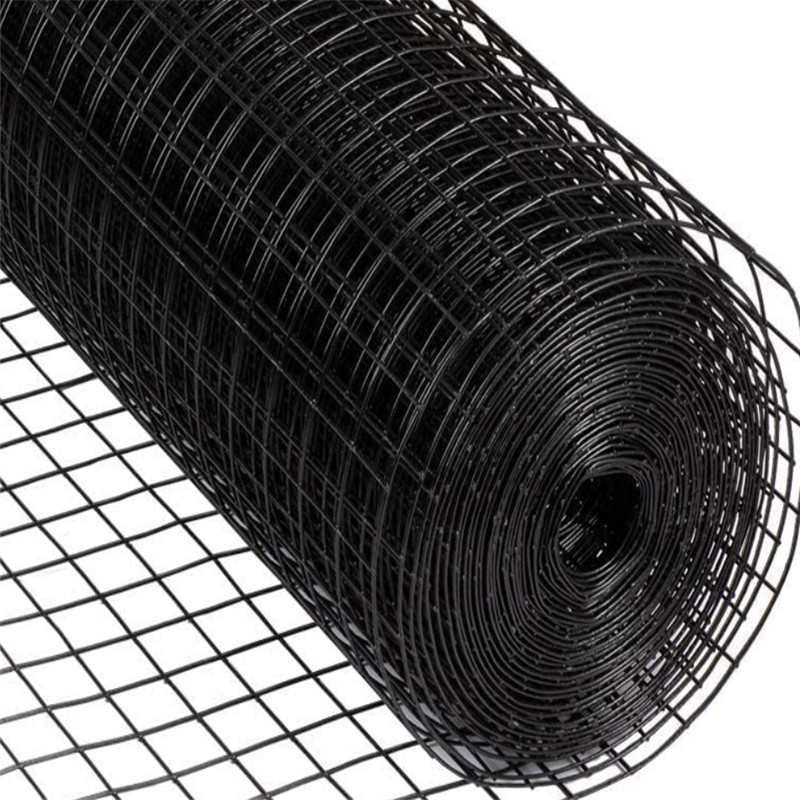
At its simplest, wire fencing involves strands of wire woven, twisted, or attached to posts to create a boundary. But there’s a rich diversity: barbed wire, woven mesh, chain-link, electric fencing, and welded wire mesh each have distinct properties. These different types of wire fencing vary in strength, flexibility, and purpose. They're linked closely to modern agricultural practices, industrial safety, and increasingly, humanitarian uses like refugee camps or disaster zones where quick, cost-effective barriers are needed.
Core Factors to Consider When Choosing Wire Fencing
Durability
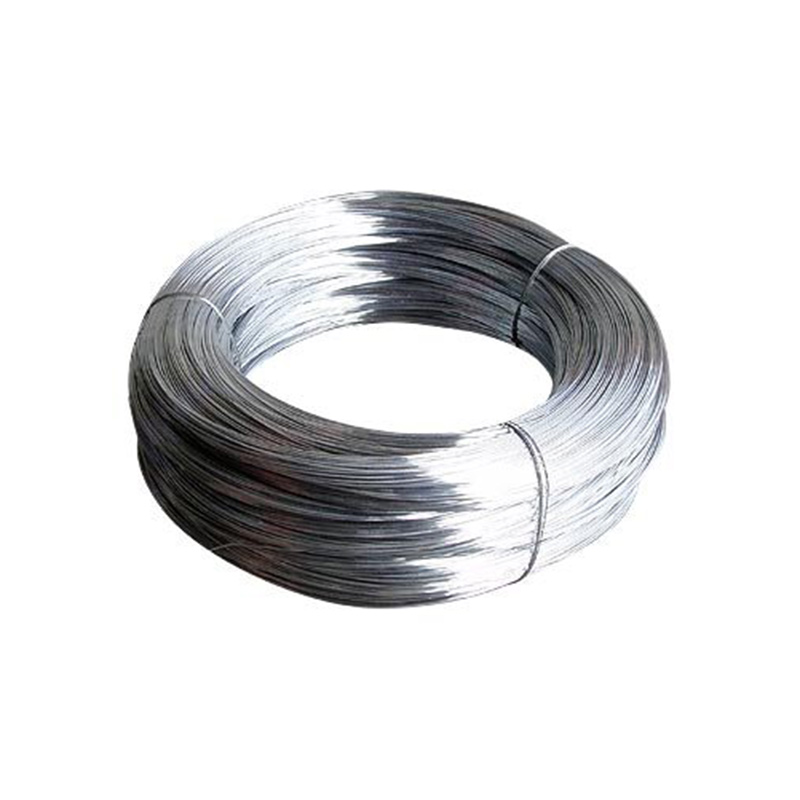
How long will the fence last? Weather, corrosion, and mechanical stress all wear away at fencing materials. Galvanized steel wire or PVC-coated wire can significantly extend lifespan, especially in humid or coastal regions.
Scalability
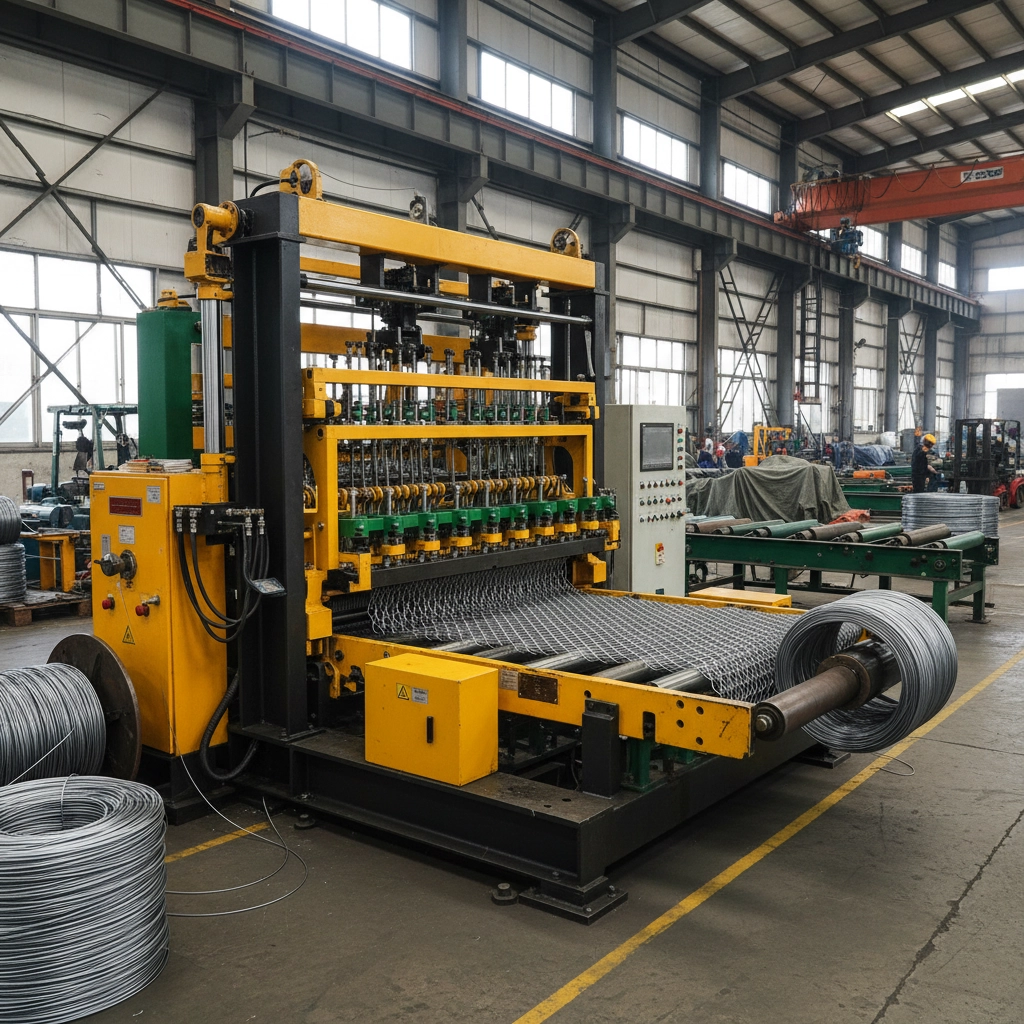
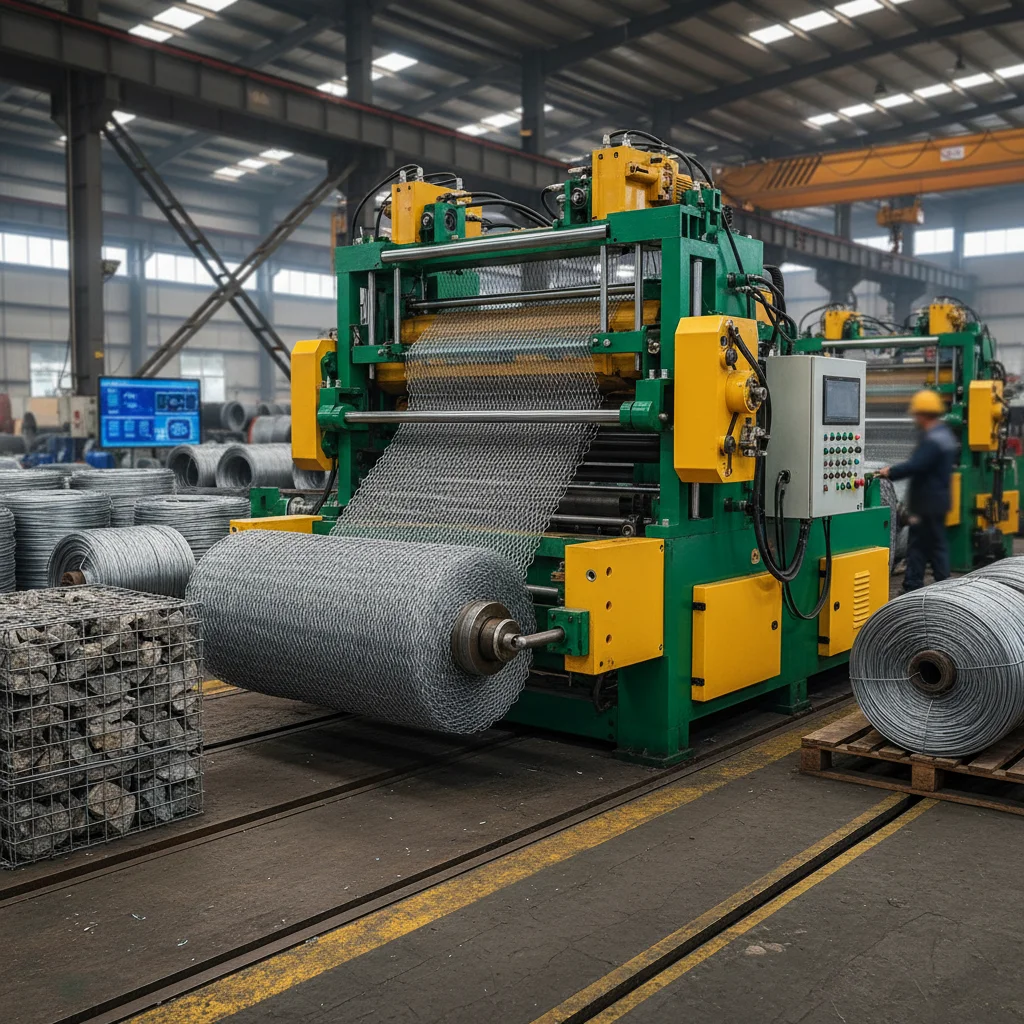
Whether fencing a small farm or a sprawling industrial tract, modular panels or rolls must adapt easily. Some wire fencing types lend themselves better to quick installation over large areas.
Cost Efficiency
Initial costs, ongoing maintenance, and replacement are all important. Barbed wire often wins on cheap, but chain-link fences typically offer better longevity for a moderate price.
Security & Safety
Some wire fencing offers passive security (like woven mesh to keep animals in), while others provide active deterrents, such as electrified strands. Safety considerations play a role, especially in residential or public areas.
Global Applications & Real-World Cases
A lot of interesting usage pops up across continents:
- Africa and Asia: In regions with smallholder farms, woven wire fencing protects crops from wildlife and theft, supporting food security.
- North America: Ranchers rely on barbed wire for cost-effective livestock management.
- Humanitarian operations: In refugee camps, quick-install electric fencing often complements temporary barriers to ensure safety.
- Industrial zones worldwide: Chain-link fencing with razor wire enhances perimeter security for factories and warehouses.
One client I spoke with—a humanitarian planner coordinating disaster relief—remarked how rapidly supplied modular fencing made safety zones possible within days after cyclone strikes.
Advantages & Long-Term Value of Wire Fences
Choosing the right wire fencing can deliver:
- Cost Savings: Durable fencing means fewer replacements and repairs.
- Sustainability: Zinc-coated and recyclable materials lower environmental impact.
- Social Impact: Fences can promote safety and territorial respect, lowering conflicts.
- Trust & Innovation: Modern wire fencing solutions include integrated sensors and better installation methods.
Product Specification Table
| Type |
Material |
Typical Gauge |
Lifespan |
Common Use |
| Barbed Wire |
Galvanized Steel |
12 - 14 |
15-20 years |
Livestock fencing |
| Chain-link |
Aluminum or Galvanized Steel |
9 - 11 |
25+ years |
Industrial and residential perimeters |
| Welded Wire Mesh |
Galvanized Steel |
10 - 12 |
20+ years |
Security fencing and cages |
| Electric Fence |
Steel wire with Insulators |
Varies |
5-10 years (electronics vary) |
Animal control and security |
Vendor Comparison: Leading Wire Fencing Providers
| Vendor |
Product Range |
Pricing |
Global Reach |
Customization |
| FencePro Inc. |
Barbed, Chain-link |
$$ |
North America, Europe |
Standard sizes only |
| Global Mesh Ltd. |
Welded Wire, Custom Mesh |
$$$ |
Worldwide |
Highly Customizable |
| EcoFence Solutions |
Electric, Biodegradable Options |
$$$ |
Asia, Africa |
Eco-friendly and modular |
Future Trends & Innovations
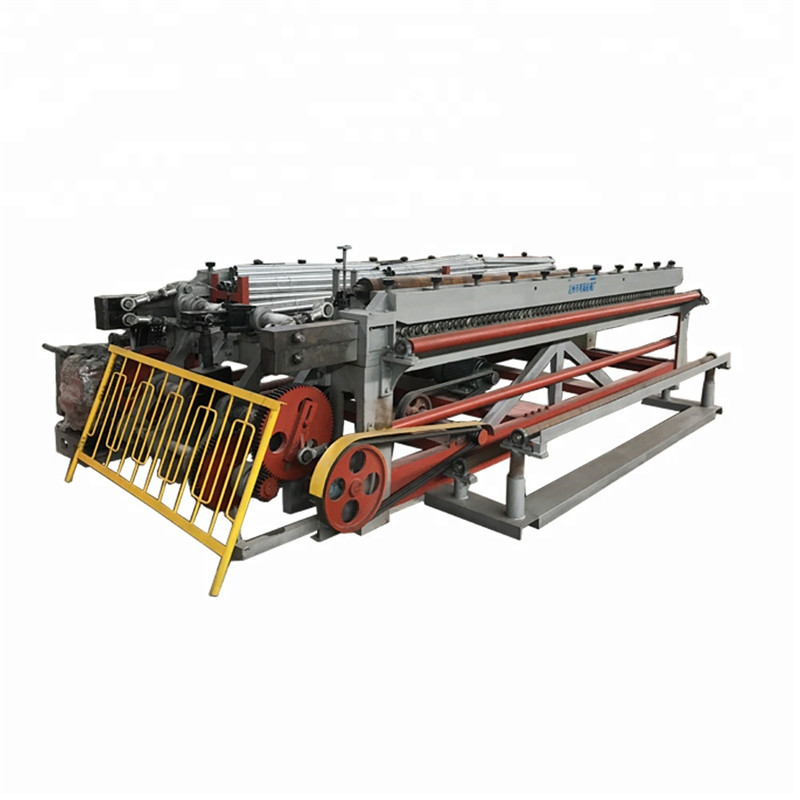
Looking ahead, wire fencing is evolving with smarter technologies. Solar-powered electric fences integrated with IoT sensors can now monitor breaches remotely. Sustainable materials, including recycled metals and biodegradable coatings, reduce environmental harms. Automation has also improved installation efficiency, cutting costs and time. Policies driven by ISO sustainability standards are prompting manufacturers to rethink product life cycles and ecological footprints – odd to think fencing can be so high-tech, but it’s happening.
Challenges and Expert Solutions
One persistent challenge: balancing cost and longevity. Cheaper fencing often means more frequent repairs. In corrosive environments, even galvanized coatings struggle long-term. Experts suggest hybrid approaches—using stronger core wires with protective coatings or applying periodic maintenance via drone inspections. Supply chain logistics also remain a pinch point in remote locations, which some vendors tackle by offering modular ready-to-deploy fencing kits pre-packed for rapid installation.
FAQs About Different Types of Wire Fencing
- Q: What type of wire fencing is best for livestock control?
- A: Barbed wire is widely used for livestock because of its deterrent effect and affordability. However, for smaller animals like sheep or goats, woven wire fencing is safer and more effective in preventing escapes.
- Q: How does electric fencing improve security?
- A: Electric fences provide a psychological and physical barrier by delivering a mild shock, which deters trespassers or wildlife. They are often paired with traditional fences to enhance protection without adding bulky structures.
- Q: How long does chain-link fencing typically last outdoors?
- A: If properly galvanized and maintained, chain-link fences can last 25 years or more. Coatings and environmental factors like humidity influence longevity.
- Q: Are wire fences environmentally friendly?
- A: Many wire fences use recyclable steel, and the industry is developing biodegradable coatings to minimize ecological footprint. Choosing high-quality materials also reduces waste from frequent replacement.
- Q: Can wire fencing be customized for special applications?
- A: Absolutely. Specialized meshes, heights, and coatings can be customized, especially by vendors like Global Mesh Ltd. Custom fencing can be designed for sports arenas, wildlife reserves, or industrial sites.
Conclusion
To sum up, different types of wire fencing are far more than simple barriers. They’re key infrastructural elements that protect, define, and connect communities and businesses worldwide. The choice between barbed wire, woven mesh, chain-link, or electric fencing depends on durability, cost, security needs, and sustainability goals. As technologies and materials advance, wire fencing solutions continue to become smarter, greener, and more tailored.
If you’re considering fencing options for agriculture, industry, or humanitarian projects, do visit https://www.htmeshmachines.com for detailed guides and quotes tailored to your needs.
In the end, the humble wire fence might just be one of the most quietly essential inventions globally. Worth thinking about next time you pass one…
Summary Takeaways
- Wire fencing comes in many forms; choice depends on use-case and environment.
- Durability and sustainability are increasingly important as fencing technologies evolve.
- Global applications range from farms to disaster relief—and innovations are ongoing.
References
- United Nations Global Issues
- International Organization for Standardization (ISO)
- Wikipedia: Wire Fence