Understanding Different Types of Wire Mesh: Essential Insights & Applications
Wire mesh might not be the first thing you think about when you picture modern industry or humanitarian work — but oddly enough, its role is pretty foundational. Around the globe, different types of wire mesh hold critical importance, from construction safety barriers to agricultural enclosures, and even medical sterilization trays. Grasping these variations not only helps manufacturers and engineers design better products but also supports NGOs and industries tackling infrastructure challenges worldwide. In the end, knowing your meshes can save time, money, and sometimes lives.
The Global Context: Why Wire Mesh Matters Now
As industries worldwide ramp up infrastructure and urbanization accelerates, the demand for durable, adaptable, and cost-effective materials grows exponentially. According to ISO standards and World Bank Infrastructure data, over 50% of upcoming urban construction projects depend on innovative reinforcing materials — a category where wire mesh shines.
Yet the challenge remains: selecting the right mesh type to withstand environmental stresses, cater to specific applications, and integrate sustainability goals. Frankly, it can get complicated — that’s why understanding the different types of wire mesh is so valuable.
What Are Different Types of Wire Mesh?
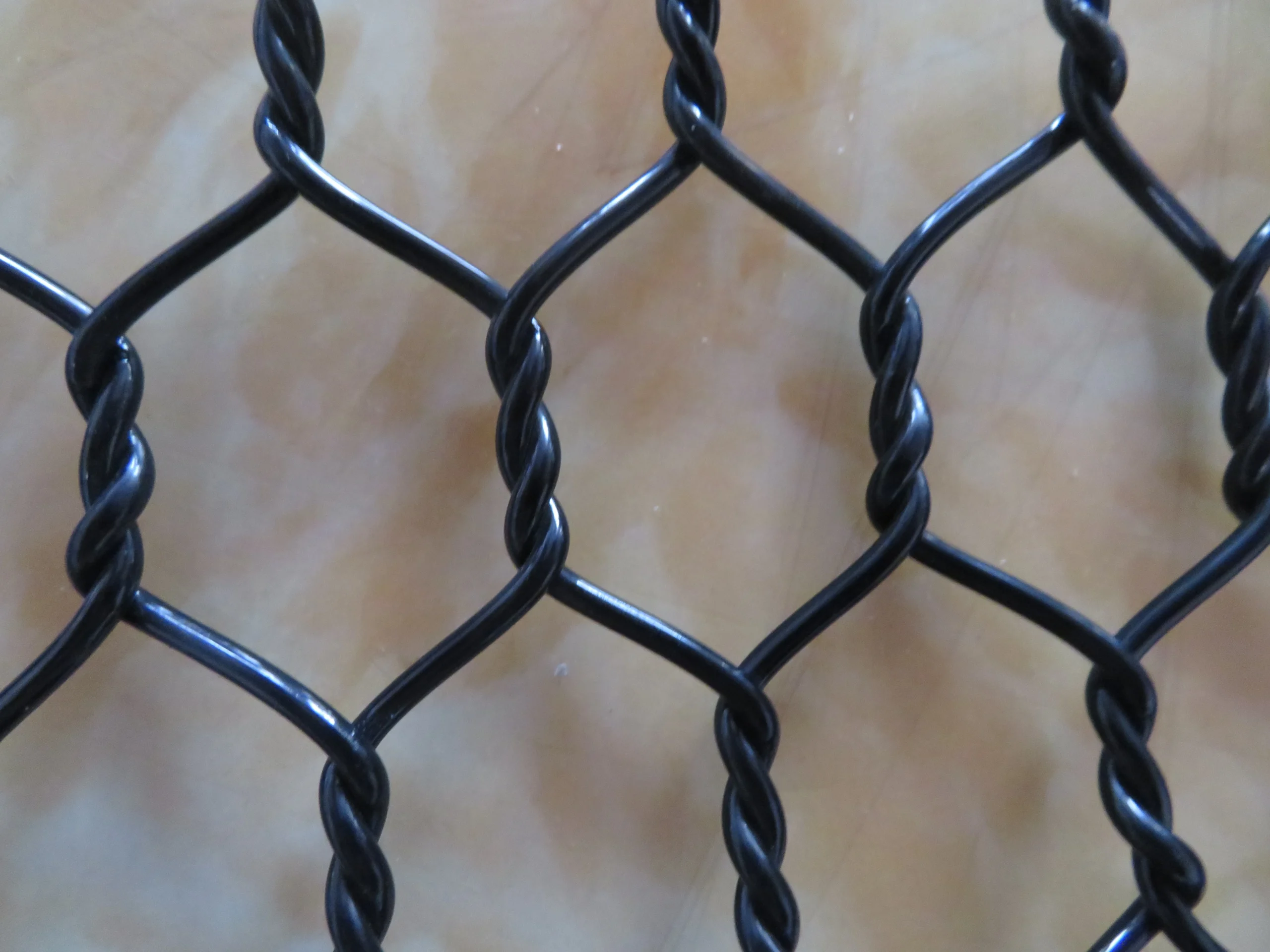
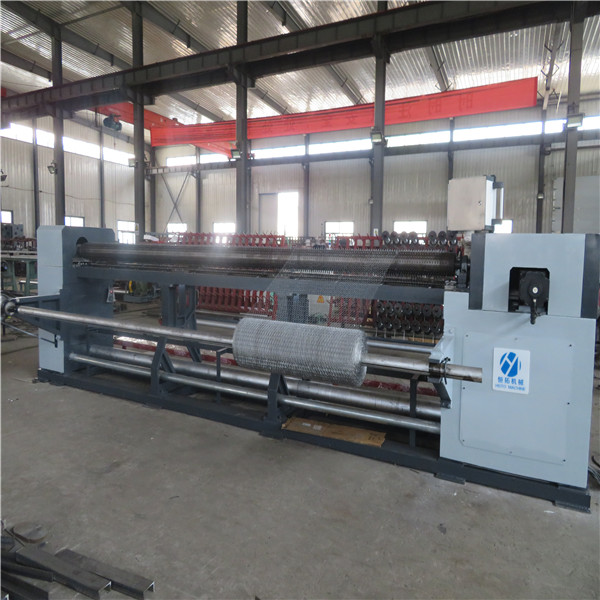
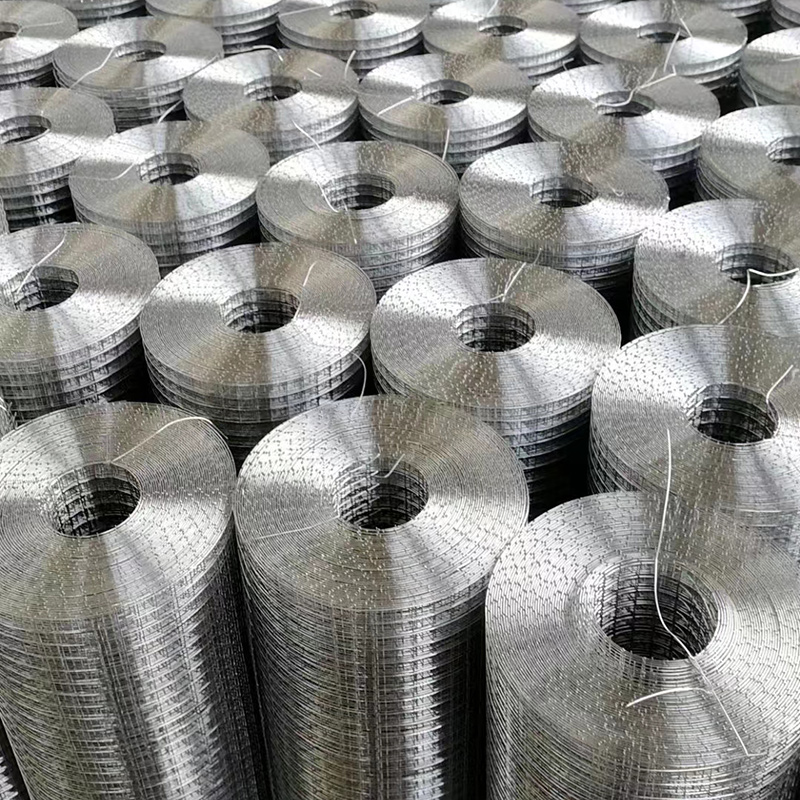
In simple terms, wire mesh consists of wires woven or welded systematically to create a grid or net-like fabric. This can range from fine meshes used in filtration to heavy-duty sheet metal grids serving as concrete reinforcements. The variations encompass material type (like stainless steel, galvanized steel, or aluminum), weave style (woven, welded), opening size, and thickness.
Many industries rely on these types — construction, agriculture, manufacturing, and even humanitarian sectors create rapid-deploy shelters or fencing using mesh because it’s versatile and strong.
Core Characteristics to Consider
1. Durability
Whether it’s corrosion resistance or tensile strength, the type of wire and coating dramatically affects longevity. Stainless steel mesh tends to last longer outdoors than simple galvanized wire.
2. Mesh Opening Size
Opening dimensions determine functionality — fine mesh can filter microscopic particles, while larger grids provide structural support.
3. Flexibility & Scalability
Some meshes can bend without snapping—great for curved surfaces—others are rigid for formwork or security fencing. Scalability also matters when projects require large quantities or custom sizes.
4. Cost Efficiency
Naturally, budget affects choices. Welded wire mesh is often more expensive than woven but may reduce installation time.
5. Environmental Resistance
Consider climates: coastal, industrial, or rural settings demand different corrosion protections.
Common Types of Wire Mesh and Their Specs
| Type |
Material |
Mesh Opening |
Wire Diameter |
Primary Use |
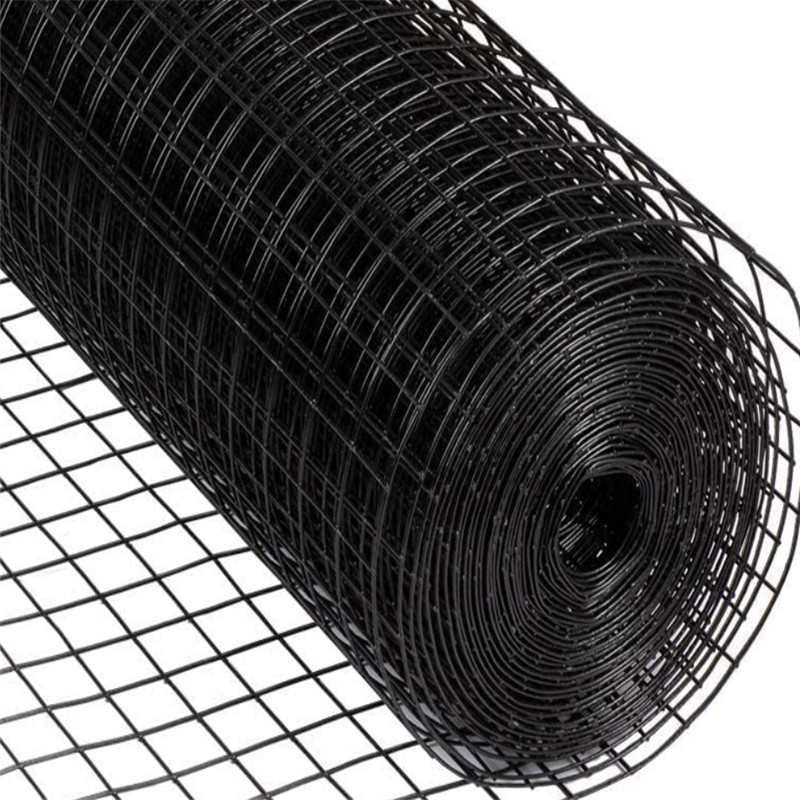
| Welded Wire Mesh |
Galvanized Steel |
1/2" to 6" |
2mm - 8mm |
Concrete Reinforcement, Fencing |
| Woven Wire Mesh |
Stainless Steel or Aluminum |
Mesh sizes down to 25 micron |
0.1mm - 1mm |
Filtration, Sifting |
| Expanded Metal Mesh |
Steel or Aluminum |
Varies - diamond shape patterns |
1.5mm - 5mm |
Walkways, Security Screening |
Which Vendors Stand Out?
| Vendor |
Product Range |
Material Quality |
Custom Solutions |
Pricing Tier |
| HT Mesh Machines |
Wide (Welded, Woven, Expanded) |
High-grade Stainless & Galv. |
Yes, OEM/ODM available |
Mid-High |
| WireCo Industrial |
Focused on Welded Mesh |
Galvanized Steel |
Limited |
Budget-Friendly |
| MetalFab Solutions |
Expanded & Specialty Mesh |
Aluminum & Stainless Steel |
Custom Engineering |
Mid |
Global Applications and Use Cases
Wire mesh sees diverse use worldwide. In construction hotspots throughout Asia and Africa, welded wire mesh reinforces concrete for rapid housing projects, ensuring structural integrity under seismic stress. Agricultural zones in Australia and South America utilize fine woven mesh for pest exclusion and irrigation protection. Even in humanitarian efforts, such as refugee camps in the Middle East, portable wire mesh fencing creates secure boundaries quickly and affordably.
For example, after natural disasters, organizations often need fast-deploy fencing or filtration systems—wire mesh fulfills both roles thanks to easy transportation and standardized manufacturing. Regions with harsh climates also benefit from meshes tailored for corrosion resistance.
Mini takeaway: Whether for heavy-duty construction or delicate filtration, different types of wire mesh adapt to essentially every environment—and that’s why their global relevance keeps growing.
The Advantages & Long-Term Value of Wire Mesh
- Cost-effectiveness: Material longevity and ease of installation reduce cyclical expenses.
- Sustainability: Many wire meshes are recyclable, aligning with environmental standards like ISO 14001.
- Safety & Dignity: Used in human habitats and workplaces, wire meshes protect people physically and socially.
- Innovation Ready: Compatible with digital fabrication techniques and automation processes.
Looking Forward: Trends & Innovations
Industry watchers often note that smart wire meshes embedded with sensors for structural health monitoring are on the horizon. Add to that advancements in eco-friendly coatings and the push for digital twin technology integration in construction projects. Some manufacturers experiment with composite materials combining wire mesh with polymers for lighter weight and improved corrosion resistance. This all hints at a future where wire mesh isn’t just static infrastructure but an active component of intelligent systems.
Challenges and How Experts Tackle Them
Of course, no technology is flawless. Challenges with wire mesh often revolve around balancing cost, strength, and environmental resistance. For instance, galvanized mesh corrodes over time near saline environments, while stainless steel remains expensive. Experts suggest layered coatings, hybrid materials, or local manufacturing to cut transport emissions and costs. Advanced quality controls and AI-powered inspections help detect flaws early.
FAQ: Common Queries About Different Types of Wire Mesh
- Q: How do I choose the right mesh type for filtration vs construction?
-
For filtration, select woven wire mesh with finer openings and corrosion-resistant metals like stainless steel. For construction, welded mesh with larger openings and thicker wires offers better structural integrity.
- Q: Can wire mesh be customized for unique industrial uses?
-
Absolutely. Vendors like HT Mesh Machines offer OEM/ODM services to tailor mesh size, wire gauge, and coatings to your specifications.
- Q: What is the typical lifespan of wire mesh outdoors?
-
Lifespans range from 5 to 25 years depending on materials and exposure. Stainless and coated galvanized meshes last longest under harsh weather.
- Q: Are wire meshes environmentally friendly?
-
Yes, many are recyclable and sustainable, especially when sourced from responsibly managed steel production aligned with ISO 14001.
Wrapping Up
Understanding different types of wire mesh opens a window into a quietly transformative material used worldwide. Its blend of versatility, durability, and affordability empowers industries from construction to humanitarian relief to thrive under complex demands.
Ready to explore a broad range of meshes and tailor solutions that perfectly fit your project? You’ll find what you need on https://www.htmeshmachines.com — a reliable partner with years of expertise.