Understanding the Grass Fence Machine: Why This Matters Worldwide
If you've ever wandered through rural landscapes or industrial zones, you might have noticed grass fences standing firm against wind, dust, and dirt. Behind those simple yet robust fences is a fascinating tool known as the grass fence machine. This machine plays a vital role beyond just fencing; it's part of larger environmental, industrial, and humanitarian applications that contribute to soil stabilization, dust control, and even disaster relief infrastructures.
Globally, with increasing challenges such as desertification affecting nearly 12 million hectares annually (according to the UNCCD), and growing industrial pollution, efficient barriers like grass fences made by these machines offer a simple but effective frontline defense. Understanding how this machine works and its benefits unlocks new perspectives on sustainability and cost-efficiency in construction and environmental protection across continents.
The Global Context: A Small Machine Tackling Big Problems
When you consider the global landscape, dust pollution alone impacts over 2.4 billion people (World Health Organization, 2018), contributing to respiratory diseases and environmental degradation. Industrial zones, agriculture farms, and construction sites desperately need sustainable dust and wind barriers — enter the grass fence machine.
These machines mechanically weave natural grass, reeds, or similar materials into durable fencing rolls or panels. Globally, the demand is steadily growing, especially in Asia and Africa, where cost-effective, locally-sourced fencing solutions aid both ecological conservation and economic development.
But challenges exist—rapid urbanization means more construction dust, while climate change accelerates desert spread. These fences are more than just scenery; they're quiet warriors.
What Is a Grass Fence Machine?
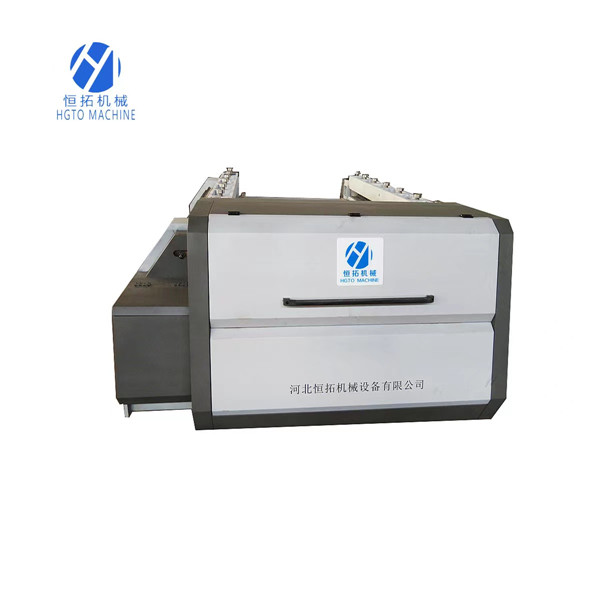
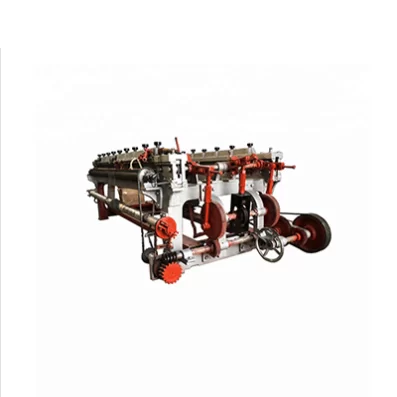
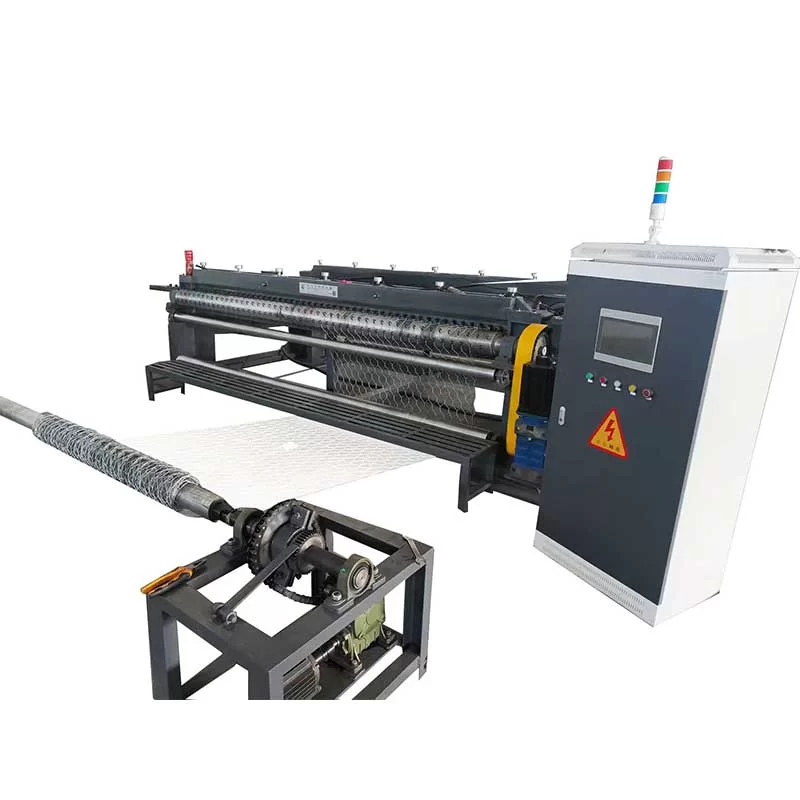
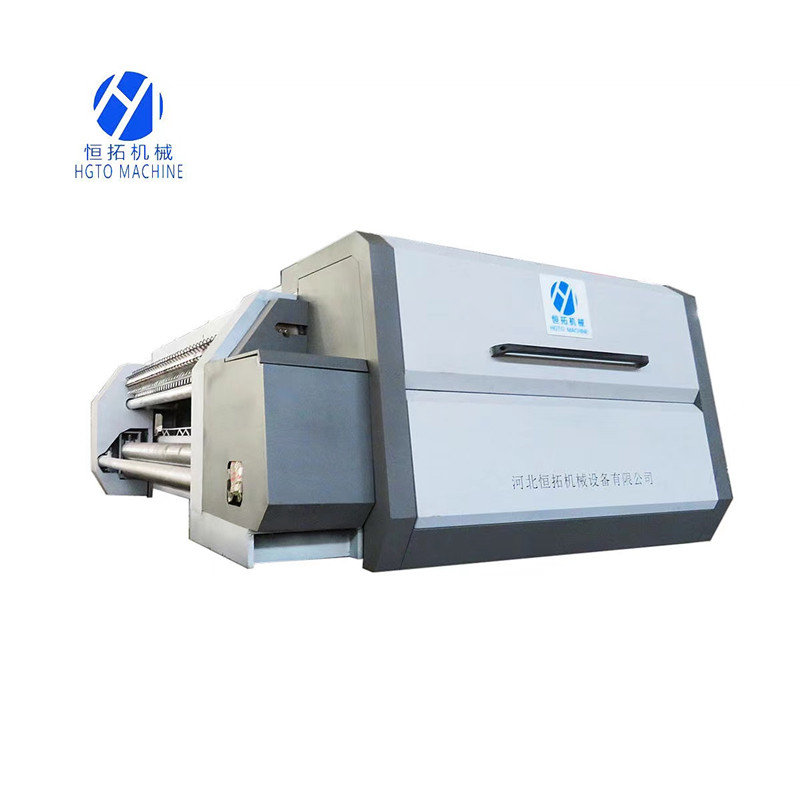
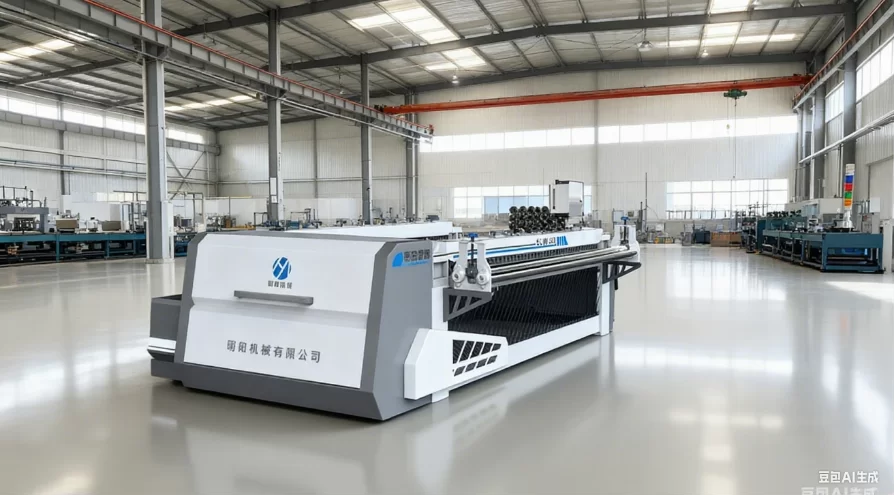
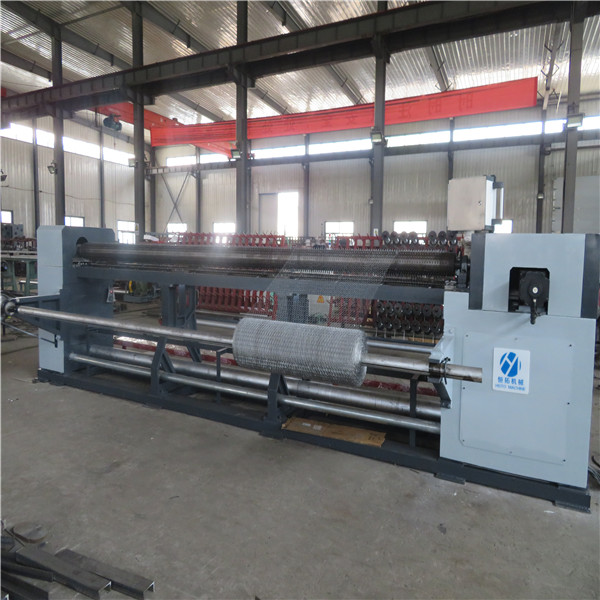
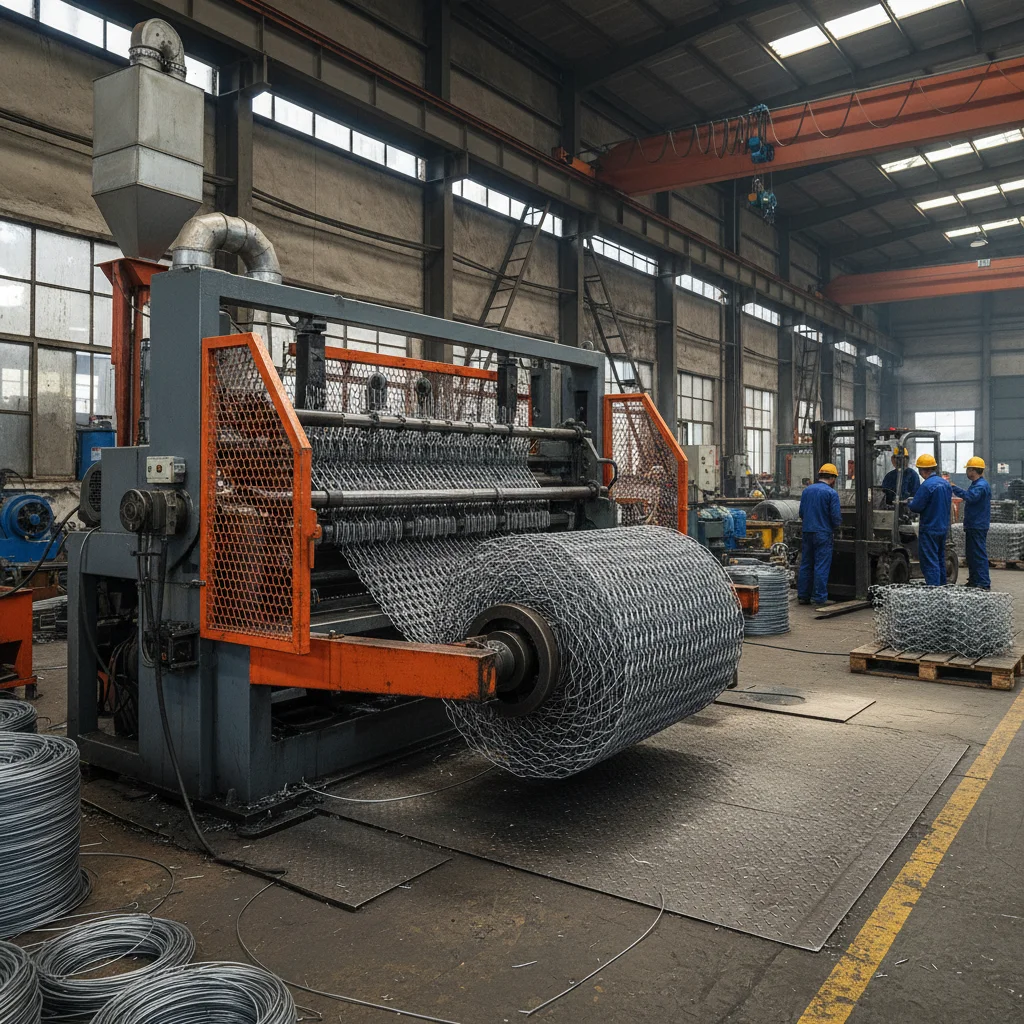
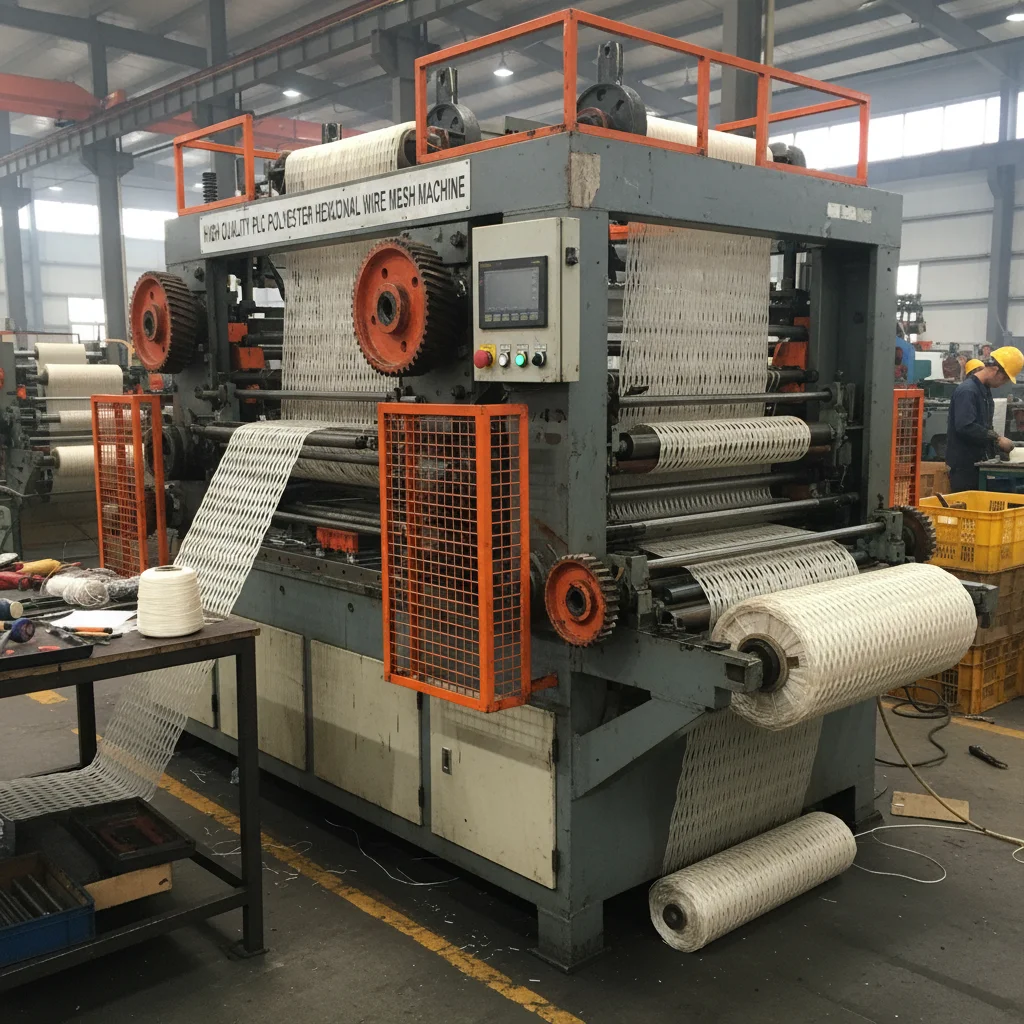
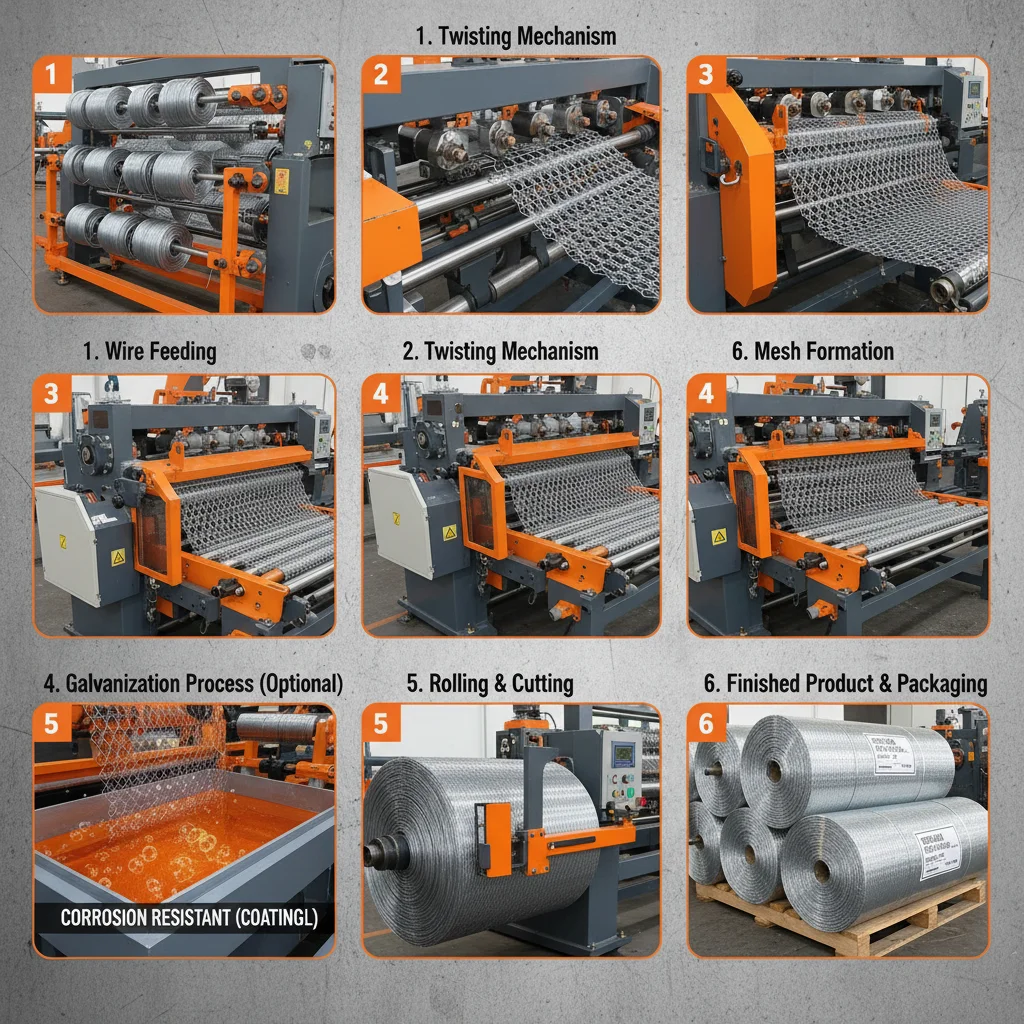
In simple terms, a grass fence machine is specialized equipment designed to produce fence mats or rolls made primarily from natural, biodegradable materials like reeds, straw, or grass. It automates weaving or binding the materials tightly together, creating strong, wind-resistant fencing products.
Its role extends beyond just manufacturing; these fences support modern industries by controlling dust, preventing soil erosion, and providing eco-friendly boundaries on farmland or construction sites. NGOs sometimes use grass fences to protect refugee camps or disaster-stricken areas—showcasing their humanitarian potential.
Core Components and Features You Should Know
1. Durability
While grass might sound fragile, the tightly woven products created by these machines last months or even years in harsh weather. Many machines include UV-resistant coatings to enhance longevity — a key factor for outdoor use.
2. Efficiency and Speed
Modern grass fence machines can produce hundreds of meters per hour. This speed matters when large-scale fencing is needed, like enclosing a sprawling construction zone or stabilizing a sand dune quickly after storms.
3. Portability and Scalability
From compact semi-automatic models to larger industrial setups, these machines can scale up or down according to project size. Portability means operators can bring production onsite, reducing transportation costs and delays.
4. Cost-Effectiveness
Using locally available natural materials and machinery designed to minimize wastage, the overall cost stands low compared to synthetic alternatives. For communities or industries striving for green solutions, this is a big draw.
5. Customization
Many machines offer adjustable weaving widths, thicknesses, and binding styles allowing customization to meet different environmental or aesthetic demands. It makes them truly versatile in design and function.
Typical Grass Fence Machine Specifications
| Specification |
Details |
| Material Compatibility |
Natural grass, reeds, straw, jute |
| Production Speed |
100-300 meters/hour |
| Max Width of Fence Mat |
Up to 2 meters |
| Power Source |
Electric or diesel engine |
| Machine Weight |
150–400 kg |
| Additional Features |
Adjustable weaving density, UV protective spraying option |
How Grass Fence Machines Make a Difference Globally
From the dusty fields of northern Africa to construction sites in China, these machines help create fences that act as natural windbreaks and dust barriers. For instance, in Mongolia, where desertification threatens livelihoods, grass fences reduce sand encroachment around homes. Meanwhile, NGOs in South Asia have used these fences around refugee camps to improve air quality and privacy.
In parts of Europe, farmers rely on grass fences to protect crops, reducing pesticide use by minimizing soil erosion. Even eco-conscious resorts employ them for landscaping, blending sustainability with aesthetics—a nice bonus.
Summary: Grass fence machines are silently supporting environmental efforts, agricultural stability, and humanitarian safety worldwide. They’re low-tech but critical tools in a high-tech world.
Advantages and Long-Term Benefits
- Cost Savings: Low energy consumption and use of readily available materials make fencing affordable for many.
- Sustainability: Compostable materials mean fences leave minimal environmental footprint.
- Rapid Deployment: Fast installation aids immediate dust suppression and wind control.
- Social Impact: Enhanced safety and privacy in vulnerable communities.
- Aesthetic Value: Natural fences blend with landscapes better than synthetic nets.
What’s on the Horizon? Innovations in Grass Fence Machine Technology
Looking ahead, manufacturers are exploring automation integrations—robotics to streamline machine operation, digital controls for precise weave patterns, and eco-friendly energy sources like solar-powered models. There's also growing interest in composite grass fences reinforced with biodegradable polymers, enhancing durability without harming the environment. It’s a neat intersection of tradition and future-thinking.
Challenges and How the Industry Is Overcoming Them
Admittedly, limitations persist. Weather can degrade materials faster than synthetic alternatives. Supply chain inconsistencies with natural fibers create downtime. Still, many companies invest in weather-resistant coatings, local sourcing strategies, and on-site production grass fence machine innovations to curb these obstacles.
Comparison of Top Grass Fence Machine Vendors
| Vendor |
Price Range |
Key Strength |
Global Reach |
| HT Mesh Machines |
$3,500 - $7,000 |
Reliable quality & local support |
Asia, Africa, Europe |
| GreenWeave Tech |
$4,200 - $8,500 |
Advanced automation features |
North America, Europe |
| EcoFence Solutions |
$3,000 - $6,000 |
Customizable product widths |
Africa, Asia |
FAQs About the Grass Fence Machine
Q1: How does a grass fence machine improve dust control compared to traditional fences?
Grass fences made by these machines offer a porous but dense barrier that traps dust particles effectively while allowing airflow. Unlike rigid fences, they reduce wind speed gradually, preventing dust clouds downwind. This makes them particularly effective on farms and construction zones needing eco-friendly solutions.
Q2: Can the grass fence machine be used on-site in remote locations?
Yes, many modern grass fence machines are designed with portability in mind. Lightweight models powered by diesel engines can be transported easily and operate without fixed electricity, making them ideal for remote industrial zones or disaster relief areas.
Q3: What maintenance is required for grass fences produced by these machines?
Generally, grass fences require minimal upkeep but benefit from occasional inspections to repair tears or apply protective sprays. Since the materials are natural, they decompose after several years, which is great for sustainability but means replacement may be necessary in long-term projects.
Q4: How customizable are the fences produced?
Customization varies by machine but usually includes adjusting width, thickness, and weave density. Some advanced machines also allow color treatments or UV coatings, so users can tailor the fence to environmental or aesthetic requirements.
Q5: What are the environmental benefits of using grass fences over synthetic options?
Grass fences biodegrade naturally, reducing landfill waste. They use renewable materials and often require less energy to produce, leading to a significantly lower carbon footprint compared to plastic or metal fence alternatives.
Wrapping it Up
While modest in appearance, the grass fence machine stands tall as a symbol of sustainable industrial innovation. Combining natural materials, mechanical precision, and global scalability, it helps tackle urgent issues like dust pollution and soil erosion effectively and affordably.
Thinking about adopting grass fence solutions? Why not discover more about the cutting-edge offerings from industry leaders? Visit https://www.htmeshmachines.com and see how you can enhance your projects with smart, green fencing technology.
Mini Takeaway
The grass fence machine might seem niche, but its impact is broad—from environmental restoration to industrial safety. Its adaptability and eco-friendliness could be key in your next project.
References
- UN Convention to Combat Desertification
- World Health Organization – Air Quality and Health
- International Organization for Standardization (ISO) – Environmental Management