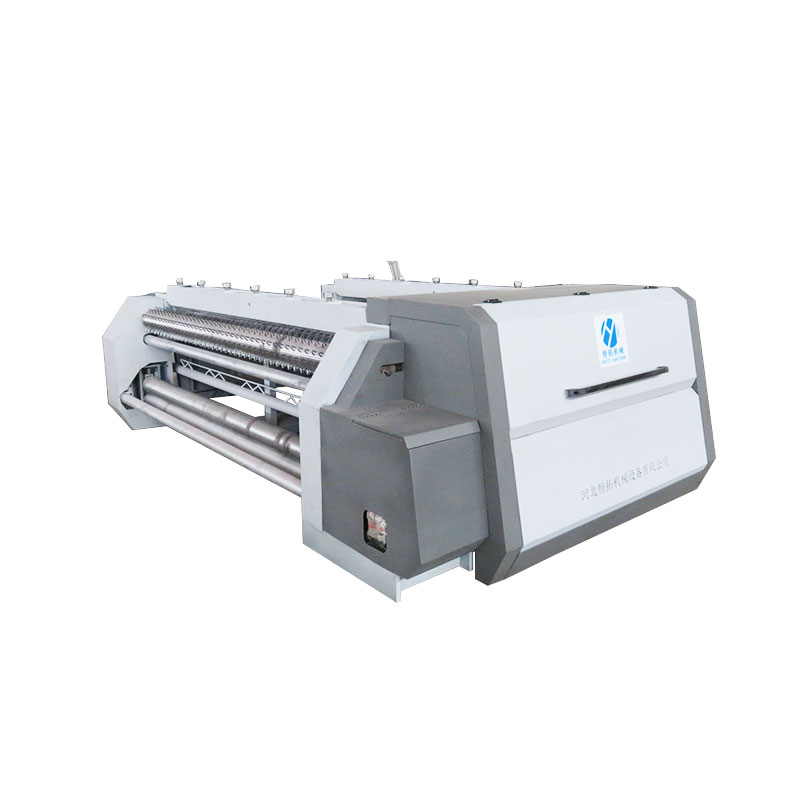
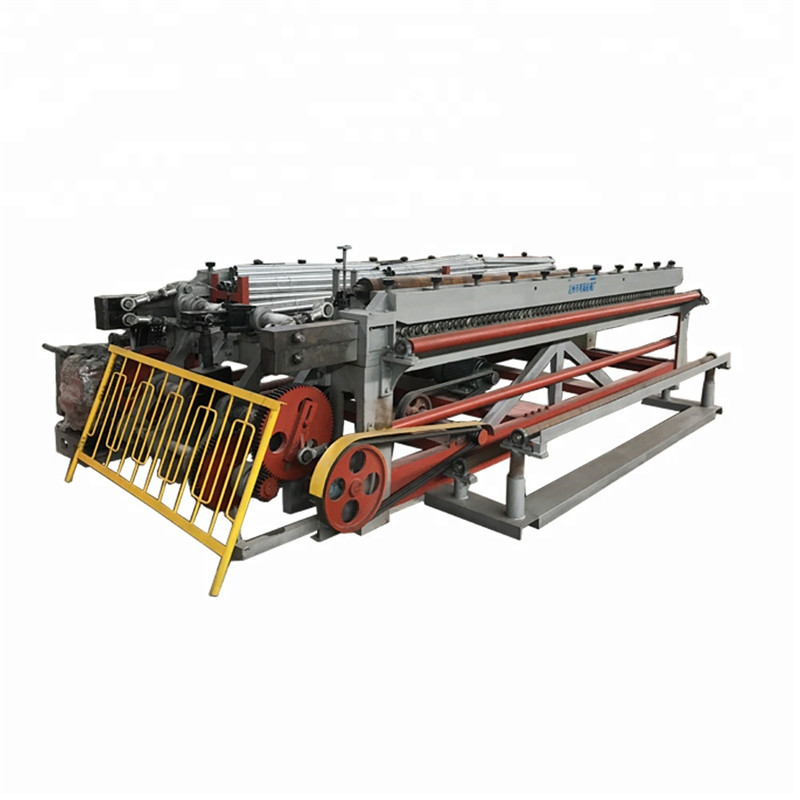
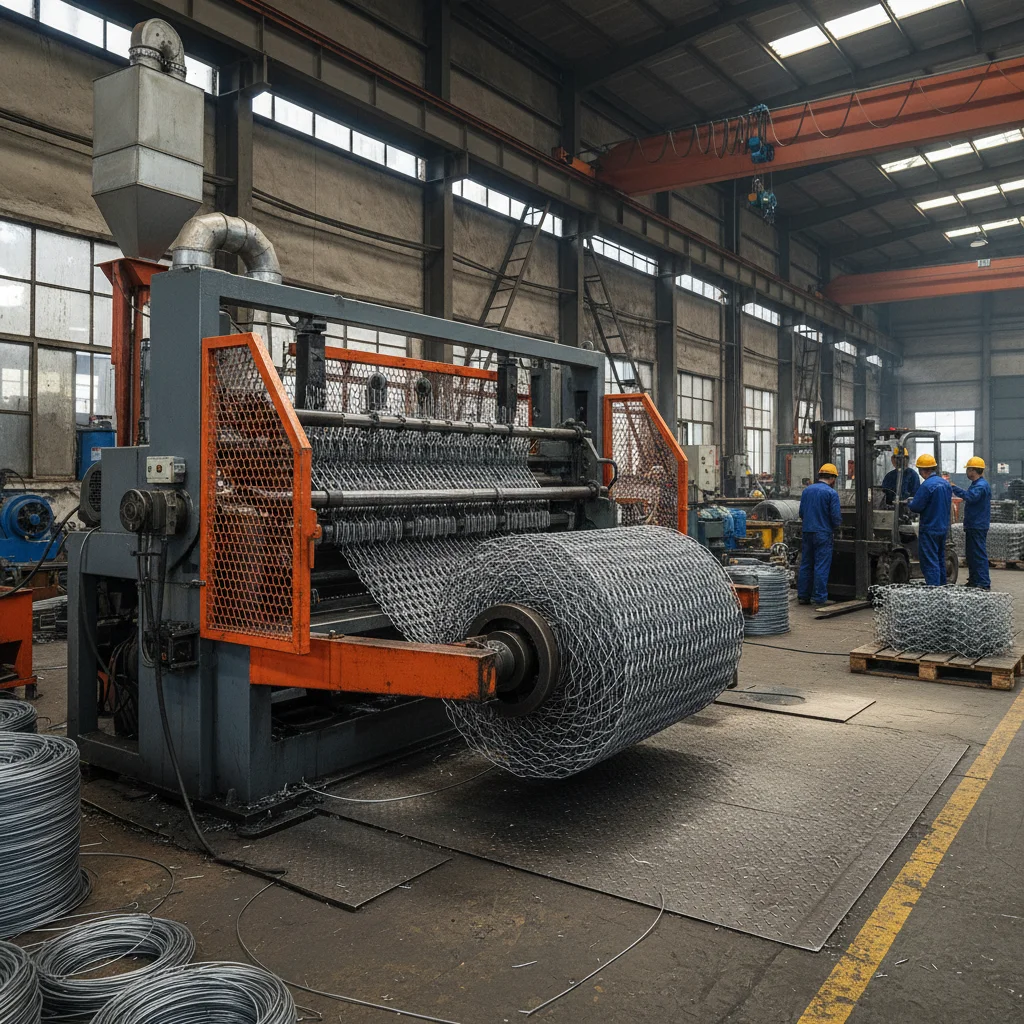
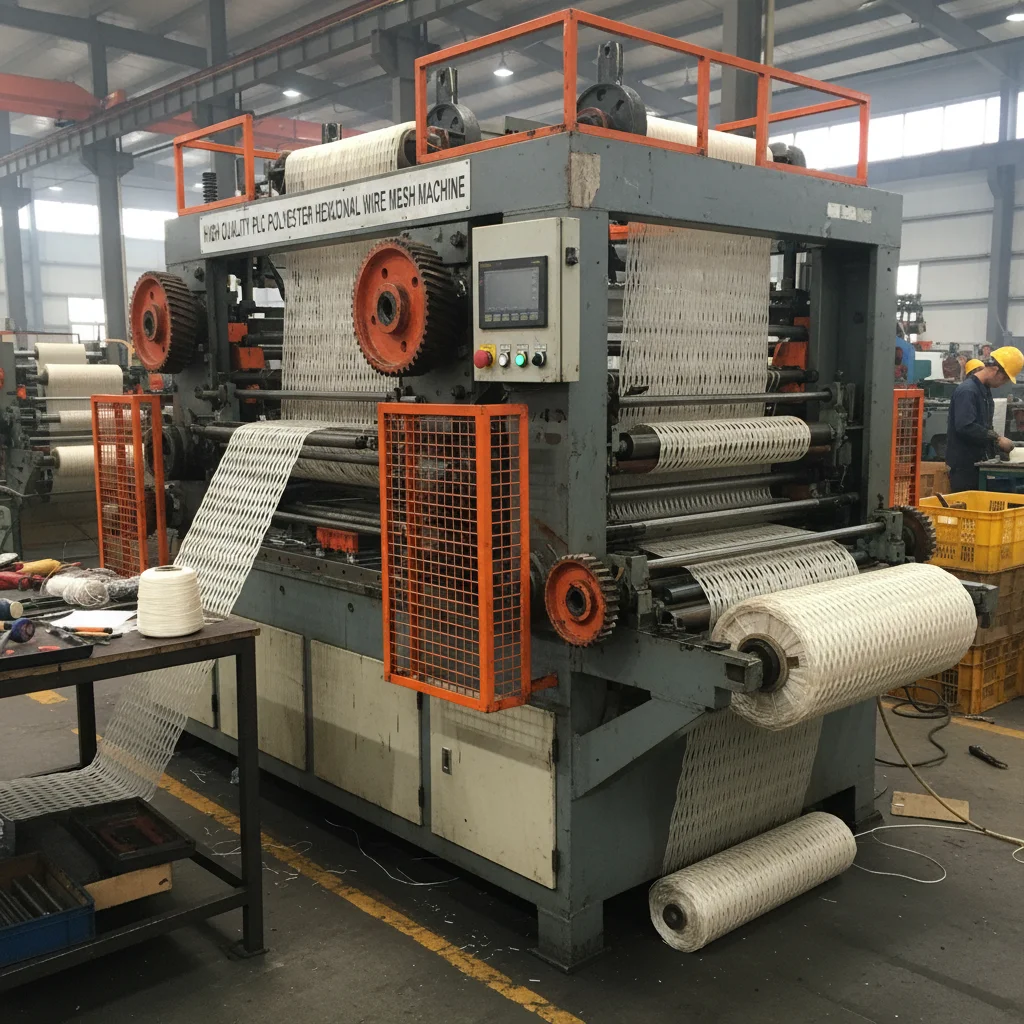
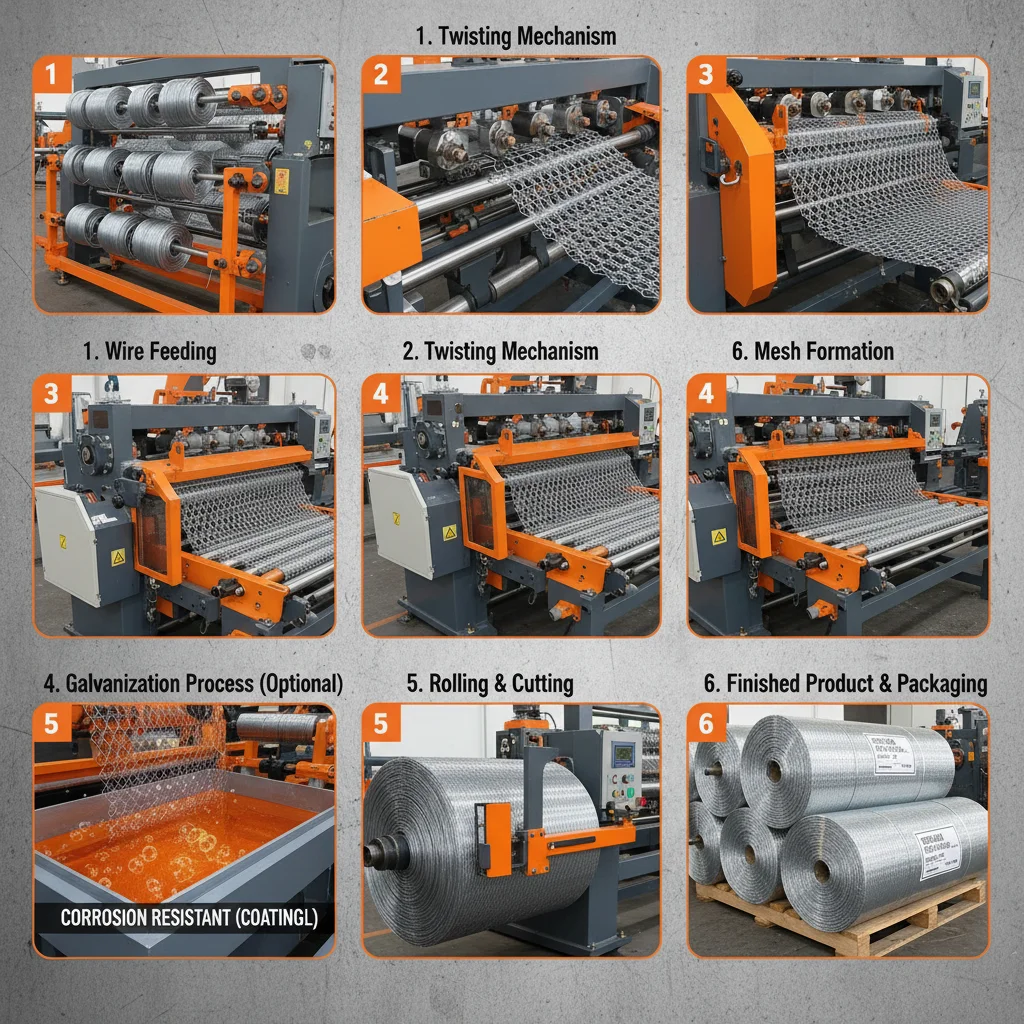
Understanding the Dry Wire Drawing Machine: A Global Perspective
Ask anyone in the manufacturing or metalworking world about improvements that subtly revolutionize industries, and “dry wire drawing machine” might slip from their lips. Why? Because this tech quietly underpins the production of countless wires around the globe — essential components powering everything from infrastructure to electronics. At its core, understanding the dry wire drawing machine means grasping a piece of the machinery puzzle that drives efficiency, sustainability, and quality in wire manufacturing.
Given how critical wire products are in nearly every industry worldwide—telecommunications, construction, automotive, you name it—the dry wire drawing machine addresses challenges around productivity, resource use, and even environmental impact. Plus, with supply chain disruptions still fresh in memory, optimizing every step of production has never mattered more.
The Industry Context: Why Dry Wire Drawing Machines Matter Globally
Globally, wire production figures are staggering. The World Steel Association notes that over 1.8 billion metric tons of steel are produced annually, with a significant share forming wire products utilized across industries. Dry wire drawing machines are instrumental in this process, especially in regions focusing on modernizing manufacturing lines and improving energy efficiency—think China, Germany, and the USA.
But here’s a glimpse of a challenge: traditional wet wire drawing methods consume vast volumes of lubricants and water, leading to environmental and operational costs. Enter the dry wire drawing machine—designed to minimize water use, reduce contamination, and speed up processing. This aligns with ISO environmental standards pushing sustainable manufacturing worldwide.
Mini takeaway:
- Wire production is a global backbone industry.
- Dry wire drawing machines are part of greener, leaner manufacturing futures.
- They address growing demands for efficiency and environmental compliance.
What Exactly Is a Dry Wire Drawing Machine?
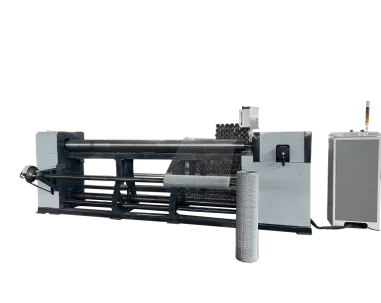
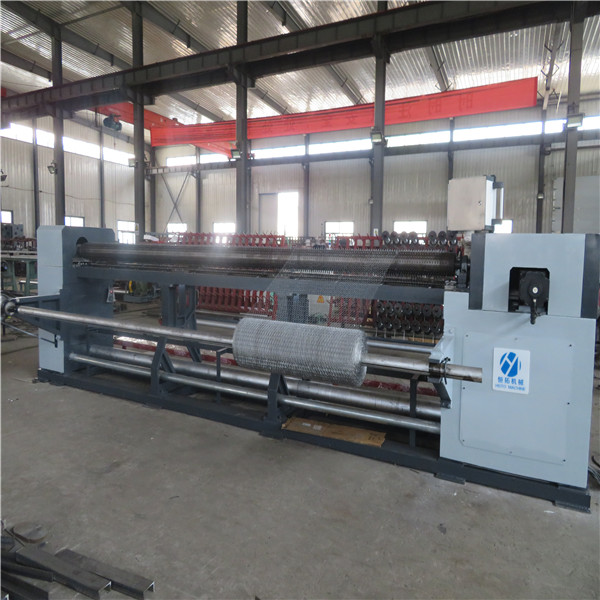
In the simplest terms, a dry wire drawing machine is a device that pulls metal wire through a series of dies to reduce its diameter without the use of liquid lubricants or cooling water—hence “dry.” Imagine stretching a thick piece of metal wire to make it thinner and stronger but without soaking it in liquid during the process.
This method has gained traction because it reduces reliance on fluids, which require treatment and disposal. It also caters to industries prioritizing cleaner manufacturing environments—electronics, aerospace, even humanitarian tech like durable wiring for disaster-proof shelters. It may sound niche, but dry wire drawing is integral to many modern industrial supply chains.
Mini takeaway:
- Dry wire drawing is a lubricantless or minimal-lubricant process.
- It makes wire thinner and stronger while cutting environmental costs.
- Aligns well with industries moving towards sustainability.
Key Factors That Make Dry Wire Drawing Machines Tick
1. Durability of Components
The dies and drawing capstans need to be ultra-durable to withstand friction and heat generated in dry conditions. High-grade tungsten carbide dies or diamond-dressing can extend machine lifespan and maintain wire surface quality.
2. Scalability
Whether a workshop needs to process grams or tons of wire daily, machines offer scalability. Modular designs allow upgrades from small batch pilot runs to full-scale industrial production.
3. Energy Efficiency
Without the need for pumping lubricant fluids or water cooling, dry wire drawing machines inherently use less energy. Plus, innovations in motor control—like variable frequency drives—optimize power consumption.
4. Cost Efficiency
Less fluid handling means savings in maintenance, fluid purchase, and waste disposal. Over time, these savings add up, especially in large or continuous operations.
5. Precision and Quality Control
Modern dry wire drawing systems often incorporate real-time sensors monitoring wire tension and diameter, adjusting parameters dynamically to ensure consistent standards.
Mini takeaway:
- Machines emphasize robust parts and scalable designs.
- Energy and cost savings stem largely from fluid elimination.
- Real-time control enhances product uniformity and reliability.
Dry Wire Drawing Machines Around the World: Applications & Use Cases
In real-world terms, dry wire drawing machines find homes in large industrial hubs and niche settings alike. In fast-growing economies like India and Brazil, manufacturers leverage these machines to speed up infrastructure projects. European companies, meanwhile, apply them in precision wire sectors—medical devices, aerospace wiring, electronics.
Oddly enough, NGOs supporting disaster relief efforts have begun evaluating dry wire drawing tech for onsite wire production in remote areas, reducing the need to ship heavy spools and enabling rapid repairs of communications lines or power networks.
Mini takeaway:
- From factories in Shenzhen to workshops in Michigan, widespread use is evident.
- Applications span infrastructure, medical devices, and even humanitarian tech.
- Customization for regional needs is increasingly common.
Dry Wire Drawing Machine Specifications at a Glance
| Specification |
Typical Range / Feature |
| Wire Diameter Input |
0.5 – 20 mm |
| Output Diameter |
0.1 – 15 mm |
| Drawing Speed |
Up to 60 m/min |
| Motor Power |
5 – 20 kW |
| Control System |
PLC with real-time feedback |
How Do Dry Wire Drawing Machines Compare? Vendor Snapshot
| Provider |
Key Feature |
Price Range |
Ideal For |
| Alpha Wire Tech |
High precision sensors |
$45,000 - $70,000 |
Electronics manufacturing |
| Beta Machines |
Modular scalability |
$30,000 - $65,000 |
Industrial batch processing |
| Gamma Precision |
Energy efficient drives |
$50,000 - $80,000 |
Large-scale wire production |
Advantages & Long-Term Value of Dry Wire Drawing Machines
Why bother transitioning to a dry wire drawing setup if wet methods are relatively established? Well, many engineers I’ve spoken to point to reduced environmental impact as a start. That’s not just cleaner manufacturing floors—it’s also less hazardous liquid waste, a welcome relief when regulations tighten.
Then there’s cost efficiency, which over time is anything but trivial. Save on lubricants, wastewater handling, and downtime, and the machine sort of pays for itself. On a social dimension, cleaner manufacturing aligns with corporate responsibility goals, making products more appealing to eco-conscious clients.
And the quality angle? Consistency in wire tensile strength and surface finish means fewer rejects, less rework, and better end-user trust. It’s a kind of safety blanket in uncertain supply chains.
Mini takeaway:
- Environmental and regulatory compliance drives adoption.
- Operational cost savings grow with scale and time.
- Improved product quality strengthens customer confidence.
Looking Ahead: Innovations and Future Trends
It feels like the dry wire drawing machine world is quietly buzzing with innovation. Integrating AI-powered control systems for predictive maintenance is becoming less sci-fi and more industry standard. Imagine a machine that anticipates wear on a die or alerts operators to parameter shifts before quality dips.
Materials innovation also plays a role—think composites and new alloys made possible with precise, dry drawing. Plus, the sustainability push is leading to machines designed for energy harvesting or using renewable energy inputs.
If you care to peek beyond wire drawing, digital transformation in manufacturing is linking machines on smart factory networks, enabling remote diagnostics and real-time production data analytics.
Common Challenges & Navigating Solutions
No tech is perfect, and dry wire drawing machines have quirks. Friction and heat build-up without fluids can raise the risk of die wear or wire surface damage. Many manufacturers mitigate this through advanced coating technologies on dies or air-cooling innovations.
Another challenge is the upfront capital expense—dry wire drawing machines can require higher initial investment. However, lifecycle cost savings and incentives for sustainable machinery often soften that blow.
Training operators in novel maintenance regimes and machine parameters is essential, so many vendors include comprehensive support and practical manuals. It’s a steep learning curve but manageable with the right partnership.
FAQ: Frequently Asked Questions About Dry Wire Drawing Machines
- What are the key advantages of dry wire drawing over wet drawing?
- Dry wire drawing eliminates or minimizes the use of lubricants and water, reducing environmental impact and fluid handling costs. It also improves workplace cleanliness and can increase drawing speeds by reducing fluid friction inconsistencies.
- Can dry wire drawing machines handle all wire types?
- While many dry wire drawing machines are versatile, some very soft or delicate metals might still require lubrication. However, ongoing tech improvements are broadening the range of compatible materials.
- How does automation improve dry wire drawing processes?
- Automation enables precise control over wire tension and drawing speed, real-time quality checks, and predictive maintenance alerts, reducing downtime and improving consistency.
- Is it costly to switch from wet to dry wire drawing technology?
- Initial costs can be higher due to equipment and training, but long-term savings from fluid elimination, lower waste treatment costs, and increased productivity typically justify the investment.
- Where can I find reliable suppliers of dry wire drawing machines?
- Several trusted vendors specialize in dry wire drawing equipment—companies like Alpha Wire Tech and Beta Machines offer various models. Check customer reviews, specifications, and after-sales support to find the best fit.
Conclusion: Why the Dry Wire Drawing Machine Deserves Your Attention
Putting it bluntly, adopting a dry wire drawing machine isn’t just a technical upgrade—it’s a strategic one. For companies aiming at sustainability, operational efficiency, and top-tier product quality, these machines unlock new potentials without drowning your budget or the environment.
If you want to explore how this technology applies to your operations, visit our site for detailed specs and consultations at dry wire drawing machine. Sometimes the cleanest way forward is just dry and simple.
References:
- World Steel Association – Steel Statistics
- ISO Standards for Sustainable Manufacturing
- Wire Drawing – Wikipedia