The Growing Importance of Gabion Box Making Machines in Construction and Environmental Protection
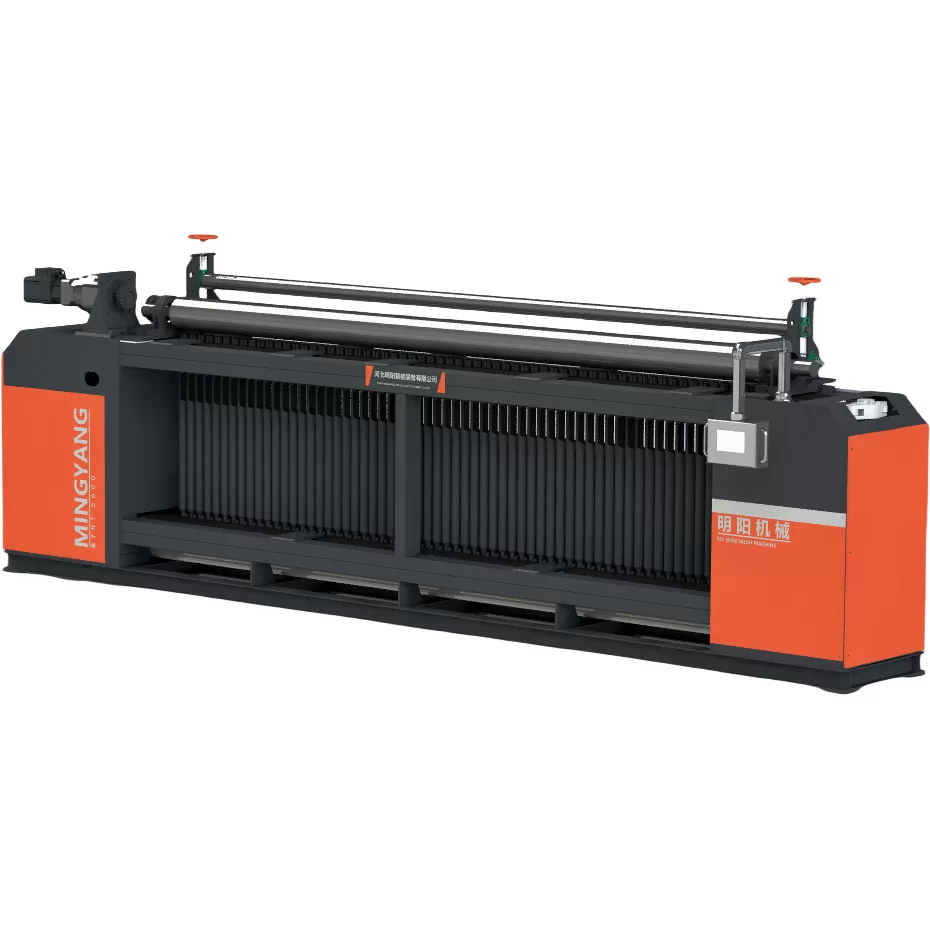
Honestly, it’s fascinating how something as humble as a gabion box making machine has quietly become a pivotal player in both global infrastructure and environmental management. At its core, this machine shapes robust wire mesh containers often filled with rocks or earth, creating what we call gabion boxes. While it may sound like a niche industrial tool, its ripple effects stretch from erosion control along riverbanks to supporting post-disaster rebuilding efforts worldwide. Understanding this machinery isn’t just for engineers; it’s key for anyone interested in sustainable construction and resilient infrastructure.
Global Perspectives: Why Gabion Box Making Machines Matter Today
So, why all the buzz? Well, according to UN reports, over 70% of the world’s critical infrastructure lies near vulnerable shorelines or river floodplains — areas prone to erosion and climate impacts. Gabion structures made using these machines help prevent soil erosion, reinforce retaining walls, and even assist in water management systems. This is crucial in countries facing rapid urbanization, like India or Brazil, where eco-friendly, cost-effective solutions are in demand.
Meanwhile, development banks like the World Bank advocate for gabion applications in disaster-prone regions. They provide durable yet flexible barriers against floods and landslides. The gabion box making machine is the unsung hero enabling this scalability and cost efficiency in projects that, frankly, save lives.
What Exactly Is a Gabion Box Making Machine?
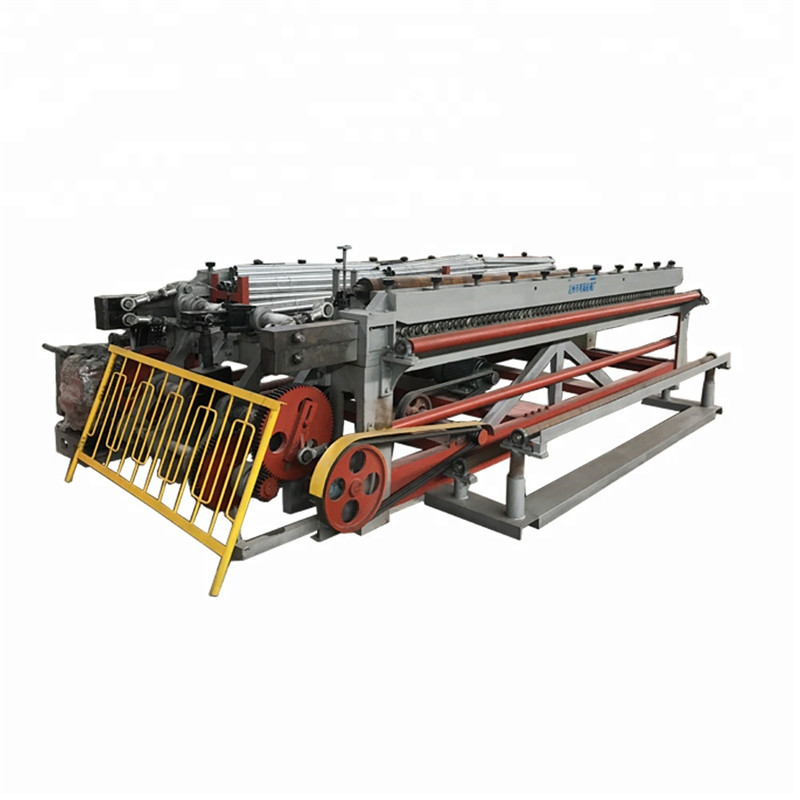
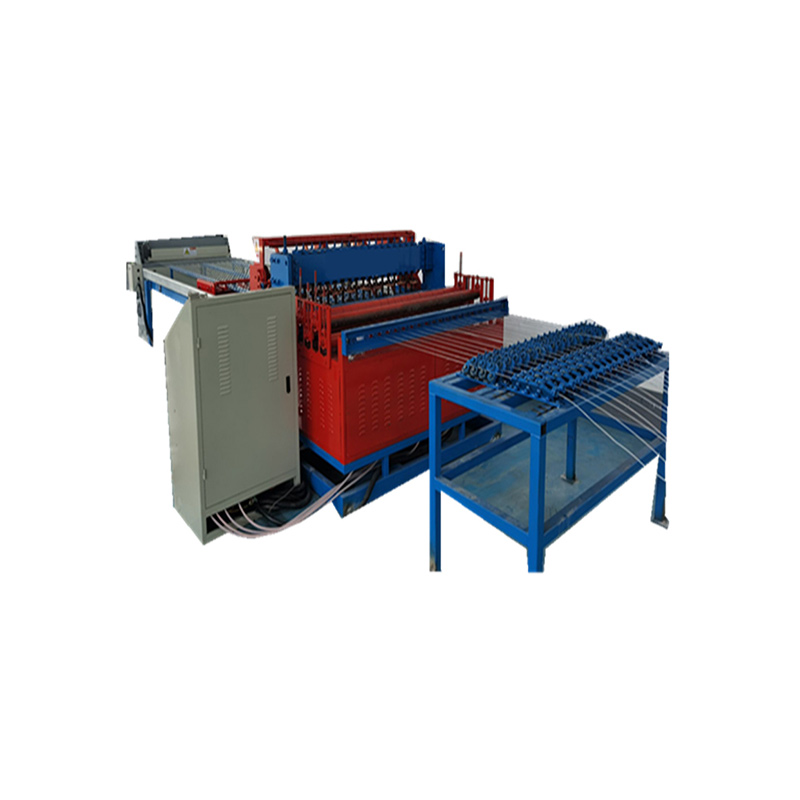
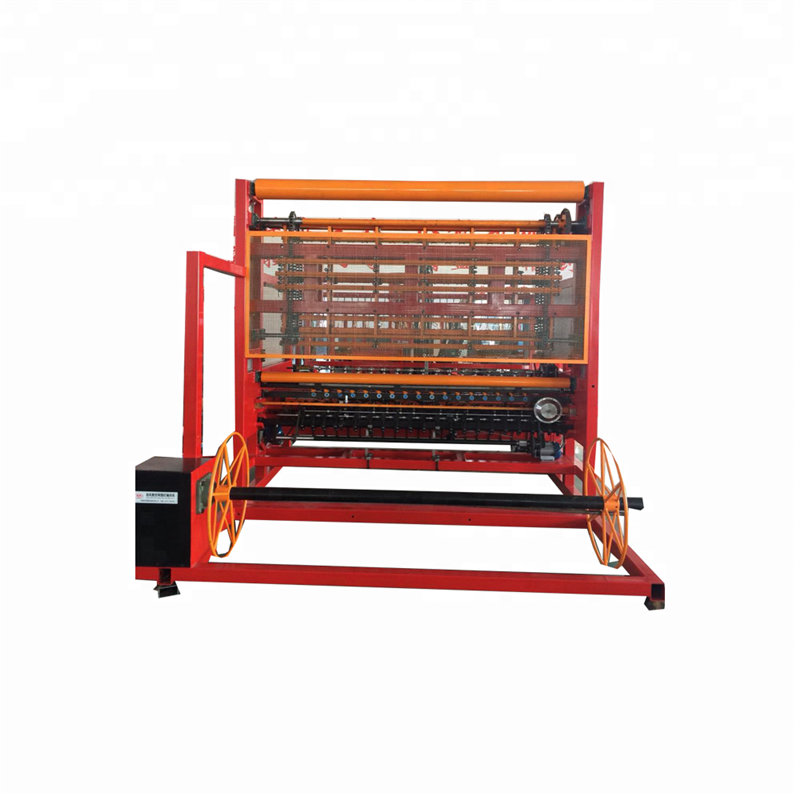
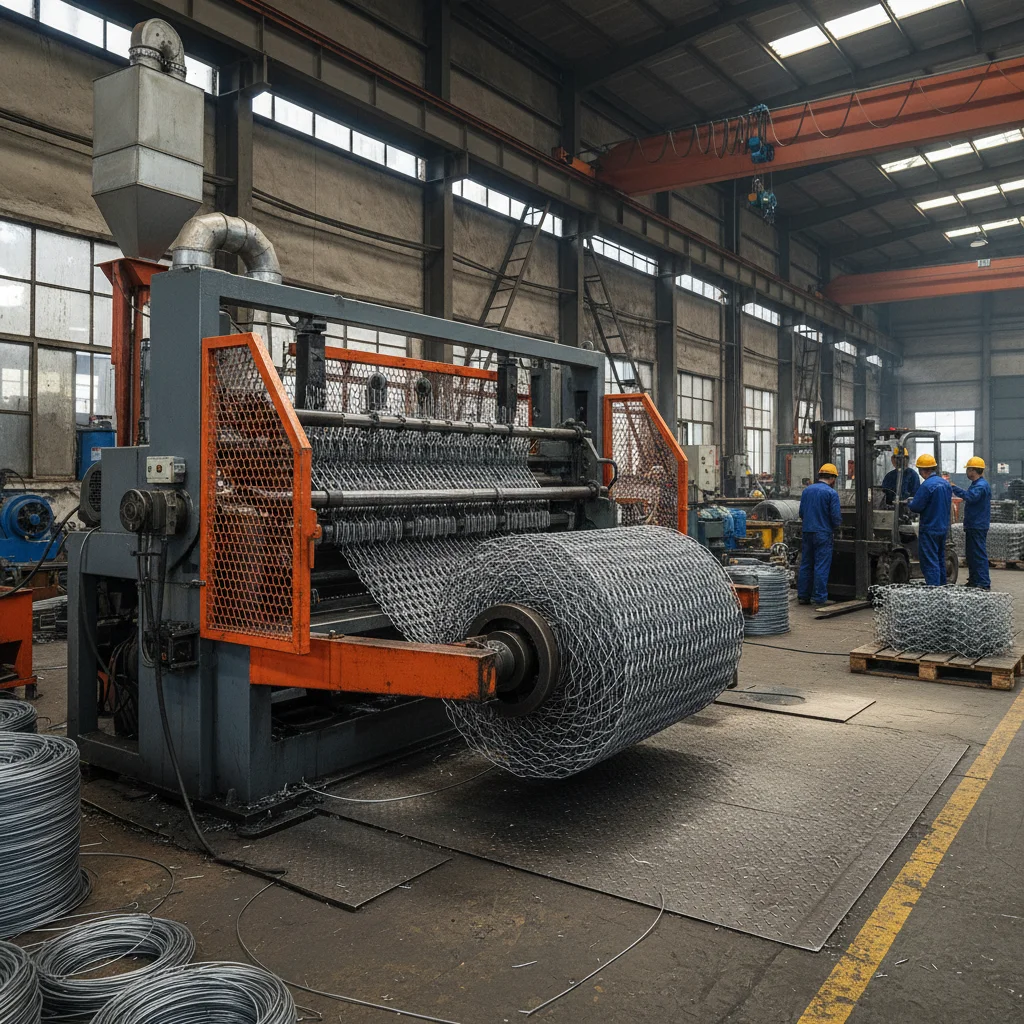
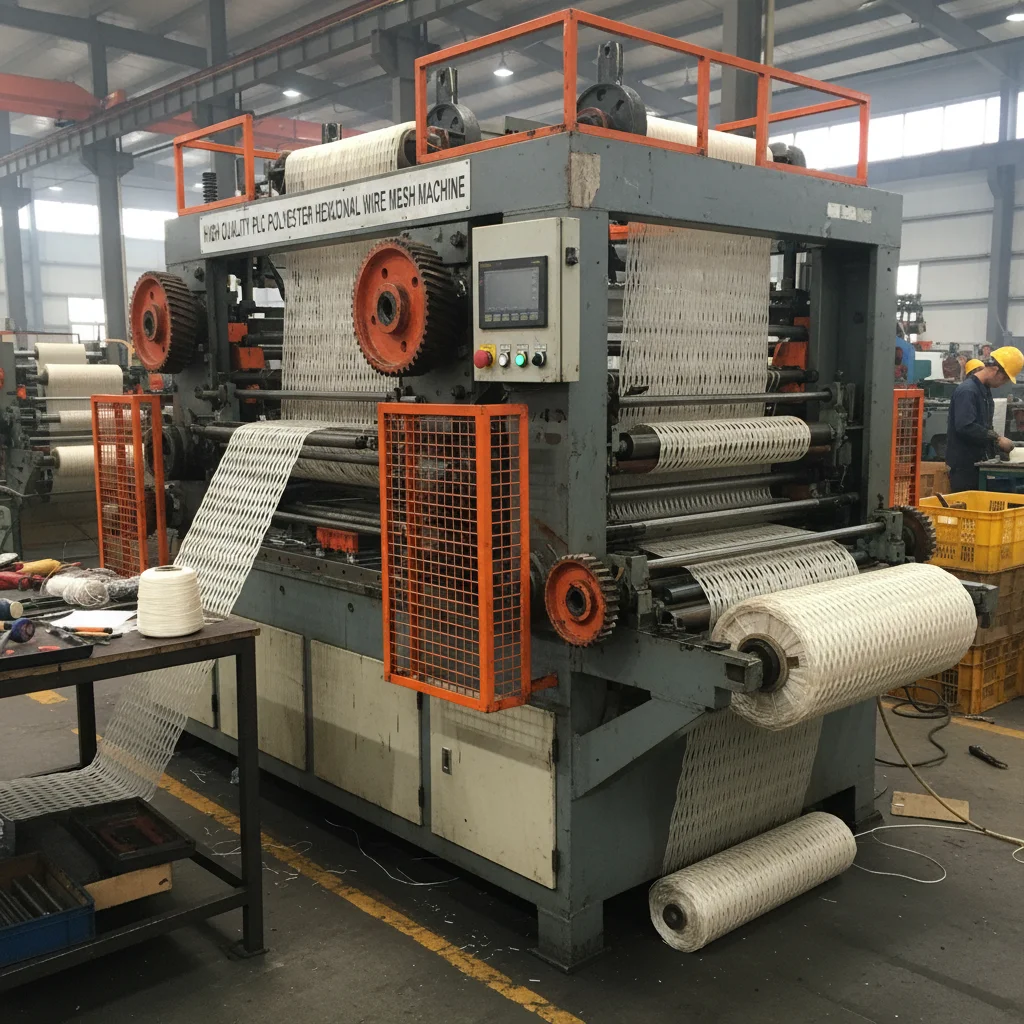
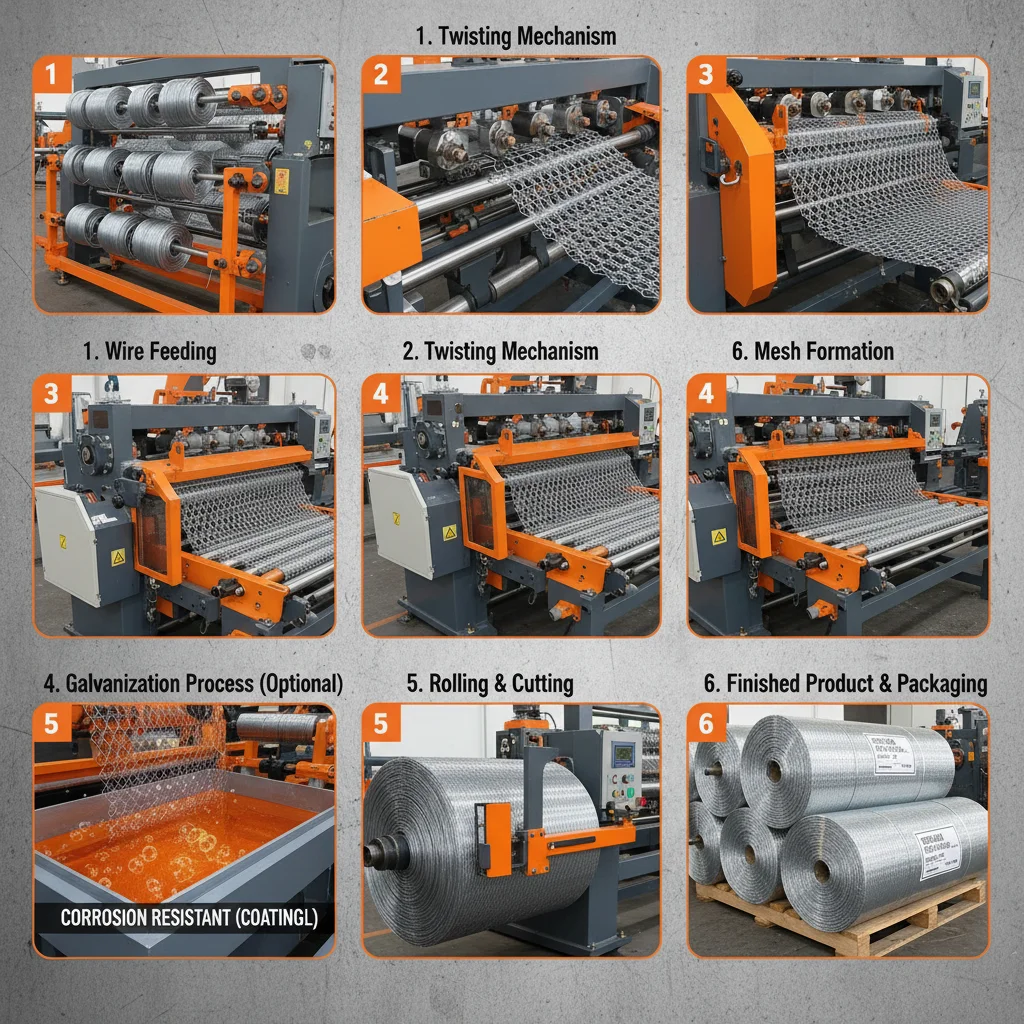
Put simply: a gabion box making machine automates the production of wire mesh boxes, which are then filled with stones or other materials to form stable, permeable structures. This automation does away with tedious manual weaving and ensures consistent product quality and speed. Think of it as the marriage of time-tested construction techniques with modern manufacturing efficiency.
These machines are tailored to match various project sizes — from small roadside erosion controls to massive dams or retaining walls. Given the rising infrastructure needs and environmental focus globally, their role only gets bigger.
Core Features That Define a Good Gabion Box Making Machine
1. Precision and Durability
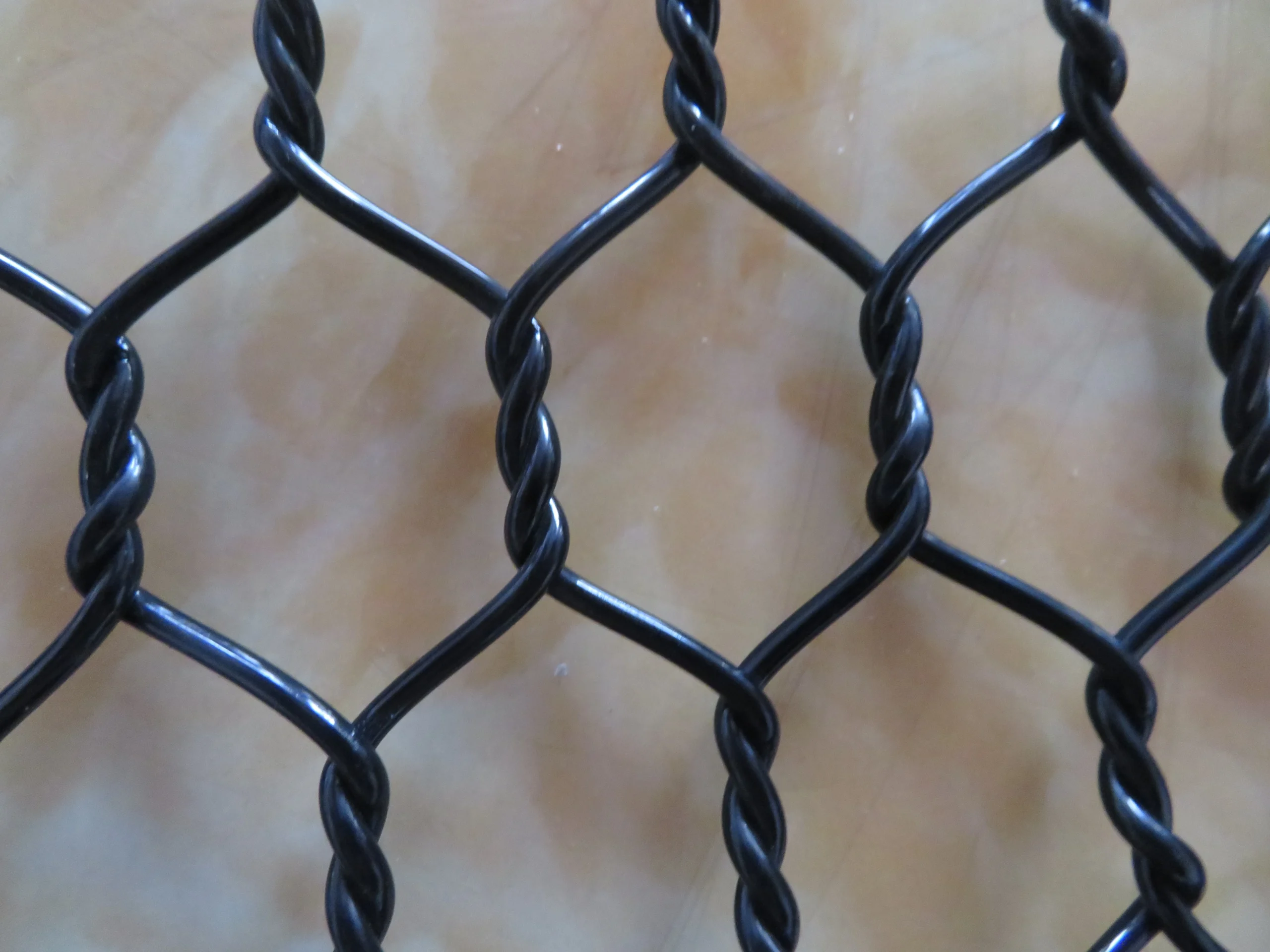
The wire mesh has to be tightly woven and strong enough to last decades exposed outdoors. Machines capable of adjustable mesh sizes and high-tensile wire handling stand out among engineers I’ve spoken to.
2. Scalability and Speed
Some projects demand thousands of boxes fast. Machines providing rapid, continuous production minimize labor costs and project delays — a real game-changer.
3. Cost Efficiency
Lower operational costs without compromising quality — many manufacturers focus on energy-saving motors or optimized wire feed mechanisms.
4. Flexibility and Customization
Different applications require varying box sizes and mesh specs. Machines that adjust easily to custom orders reduce downtime and increase versatility.
Quick Takeaway
In essence, successful gabion box making machines blend speed, strength, and adaptability — all essential for today’s demanding construction environments.
Practical Applications: Where Are These Machines Making a Difference?
- Coastal and Riverbank Erosion Control: Coastal communities from Bangladesh to Italy rely heavily on gabions for natural-looking, effective barriers.
- Post-Disaster Relief: NGOs and governments have deployed gabions as part of rapid rebuilding efforts after floods or landslides — the flexibility and ease of installation are huge pluses here.
- Road and Railway Embankment Stabilization: In mountainous regions, gabions reduce slope failures, which are common and dangerous.
- Agricultural Terracing: Many terraced farms in Southeast Asia incorporate gabion walls to maintain soil integrity.
One project in the Himalayas I read about involved local communities producing gabion boxes on-site using portable machines, empowering them while restoring fragile landscapes.
Gabion Box Making Machine Specifications at a Glance
| Feature |
Typical Range/Value |
Notes |
| Mesh Size |
50–100 mm |
Adjustable based on application |
| Wire Diameter |
2.0–4.0 mm |
High tensile steel preferred |
| Production Speed |
Up to 15 boxes/hour |
Varies by machine power and operator skill |
| Power Supply |
220V/380V, 50Hz/60Hz |
Single or three-phase |
| Machine Weight |
500–1200 kg |
Depends on size and automation |
Comparing Leading Gabion Box Making Machine Vendors
| Vendor |
Production Speed |
Customization Options |
Price Range |
Global Reach |
| HT Mesh Machines |
Up to 15 boxes/hr |
High – multiple sizes & wire types |
$15,000–$40,000 |
Worldwide |
| WireFab Co. |
10–12 boxes/hr |
Medium – limited sizes |
$12,000–$30,000 |
Asia & Europe |
| EcoMesh Solutions |
8–10 boxes/hr |
High – specializes in eco-friendly wire |
$18,000–$45,000 |
North America & Europe |
Advantages and Long-Term Value of Using Gabion Box Making Machines
Beyond the specs and numbers, there’s something deeply satisfying about gabion boxes made this way. First, they’re cost-effective — the machines reduce on-site labor and material waste, translating into significant savings. Second, from a sustainability angle, gabions allow natural water flow and prevent soil loss, unlike solid concrete walls. Plus, the wire mesh used is often galvanized or PVC-coated to resist rust, meaning these structures endure decades with minimal maintenance.
On the social front, many communities appreciate that gabions blend naturally with the environment better than harsh concrete, preserving a sense of place and dignity. They can symbolize both resilience and harmony — engineering with respect for nature.
Emerging Trends: What’s Next for Gabion Box Making Machines?
Interestingly, recent innovations focus on automation and smart control systems that further speed production and reduce errors. Some machines now integrate IoT sensors to monitor real-time performance and wire tension, allowing proactive maintenance. There’s also a push toward greener materials: biodegradable wire coatings and recycled steel inputs are gaining ground.
Plus, the rise of digital fabrication means custom gabion shapes can be precisely designed and produced with less waste. This kind of flexibility helps tackle the increasingly complex demands of urban and rural projects alike.
Challenges and Solutions in Gabion Box Production
That said, it’s not all smooth sailing. Wire fatigue and corrosion remain concerns — especially in harsh saline or acidic environments. Some manufacturers combat this by offering advanced coatings and more robust wire alloys. Moreover, transporting large gabion boxes can be cumbersome, suggesting that onsite rapid manufacturing is the future — which loops back into mobile or modular gabion box making machines.
Frequently Asked Questions About Gabion Box Making Machines
- How fast can a gabion box making machine produce boxes?
- Production speed varies by model, but many advanced machines make between 10 and 15 boxes per hour — enough for medium to large projects without excessive delay.
- Can the machines adjust box size and mesh type?
- Yes, most reliable machines offer customization for box dimensions and mesh apertures, allowing them to meet different engineering requirements.
- Is operating a gabion box making machine complicated?
- Typically, they’re designed for ease of use with clear controls and minimal manual intervention, though some worker training is necessary for safety and efficiency.
- How do these machines impact project costs?
- By automating production, they reduce manual labor and rework, cutting total costs significantly, especially over large volumes.
- Are gabion boxes environmentally friendly?
- Absolutely. Their permeable nature prevents erosion without disrupting local ecosystems, and modern wire coatings extend lifetime with minimal ecological footprint.
Conclusion: Why Invest in a Gabion Box Making Machine?
If you’ve gotten this far, you might see that gabion box making machines are more than just industrial equipment. They’re enablers of sustainable, resilient infrastructure that respects natural landscapes and serves communities worldwide. Whether for flood defense, construction stabilization, or environmental projects, these machines bring speed, quality, and innovation.
Curious to learn more or explore options? Visit our website at gabion box making machine and discover how you can be part of this growing global solution.
References
- United Nations Climate Change Science
- World Bank Urban Development
- Wikipedia: Gabion