Understanding the Grassland Field Fence Machine: Why It Matters Worldwide
When you picture vast stretches of grassland, you don’t immediately think about fence machines. But the grassland field fence machine plays a surprisingly vital role in the global agricultural and environmental landscape. These machines aren’t just about stringing wires—they help shape livestock management, secure farmlands, and even support ecological conservation efforts. As the demand for efficient land management rises worldwide, understanding how these machines work and why they matter becomes increasingly important.
Recent data from the United Nations Food and Agriculture Organization (FAO) reminds us that nearly 40% of the world's land area is used for livestock grazing—exactly where grassland field fence machines come into play to manage and protect those lands responsibly. Plus, beyond just farming, these machines support rural economies and help reduce conflicts between wildlife and humans, a growing concern globally.
Mini takeaway: The grassland field fence machine is more than a tool—it's a global response to sustainable land and livestock management challenges.
Global Context: Why the Grassland Field Fence Machine Is Gaining Momentum
Over the last decade, the expansion of agricultural enterprises and the increase in fenced pasturelands have been significant. The global market for field fencing technology, including mechanical solutions like grassland field fence machines, continues to grow steadily, fueled by a combination of urbanization pressures and rising food security demands.
According to the World Bank, rural land disputes often stem from poorly maintained or inadequate fencing, leading to economic loss and social friction. Efficient fencing solves this problem, and that's where the grassland field fence machine is indispensable. This device automates and streamlines the complex task of constructing durable fences across challenging terrains, saving hours of manual labor.
But beyond numbers, there’s a human story here: farmers, nomadic herders, and conservationists worldwide depend on reliable fences to create boundaries that are both practical and respectful of nature.
What Exactly Is a Grassland Field Fence Machine?
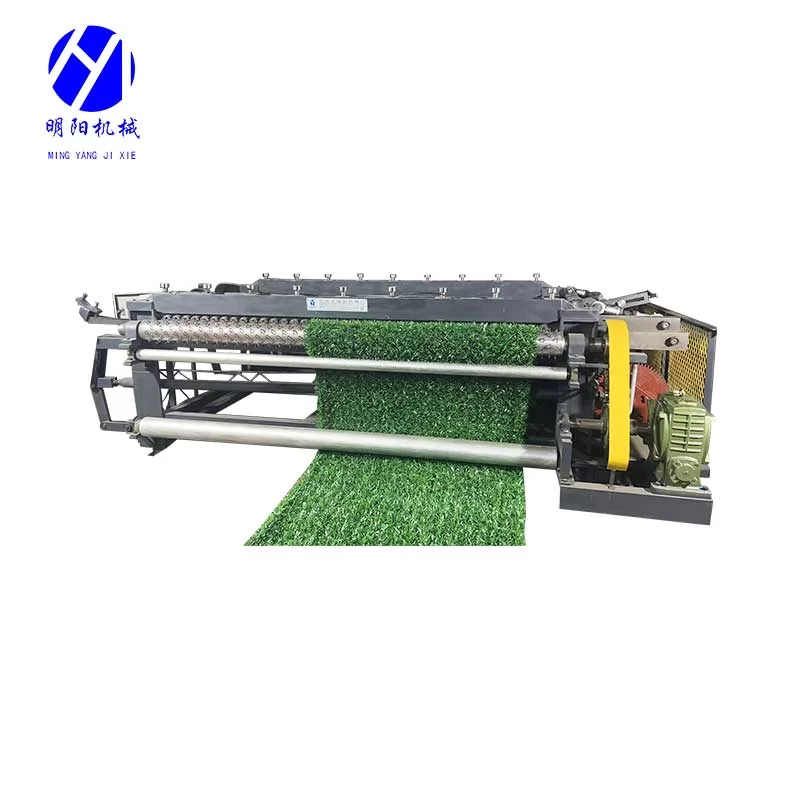
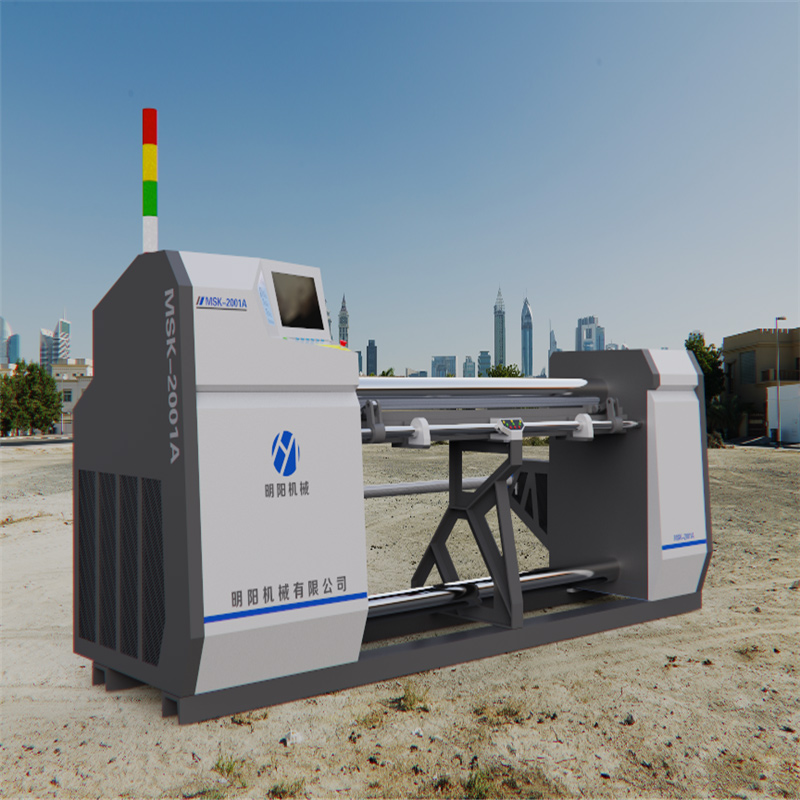
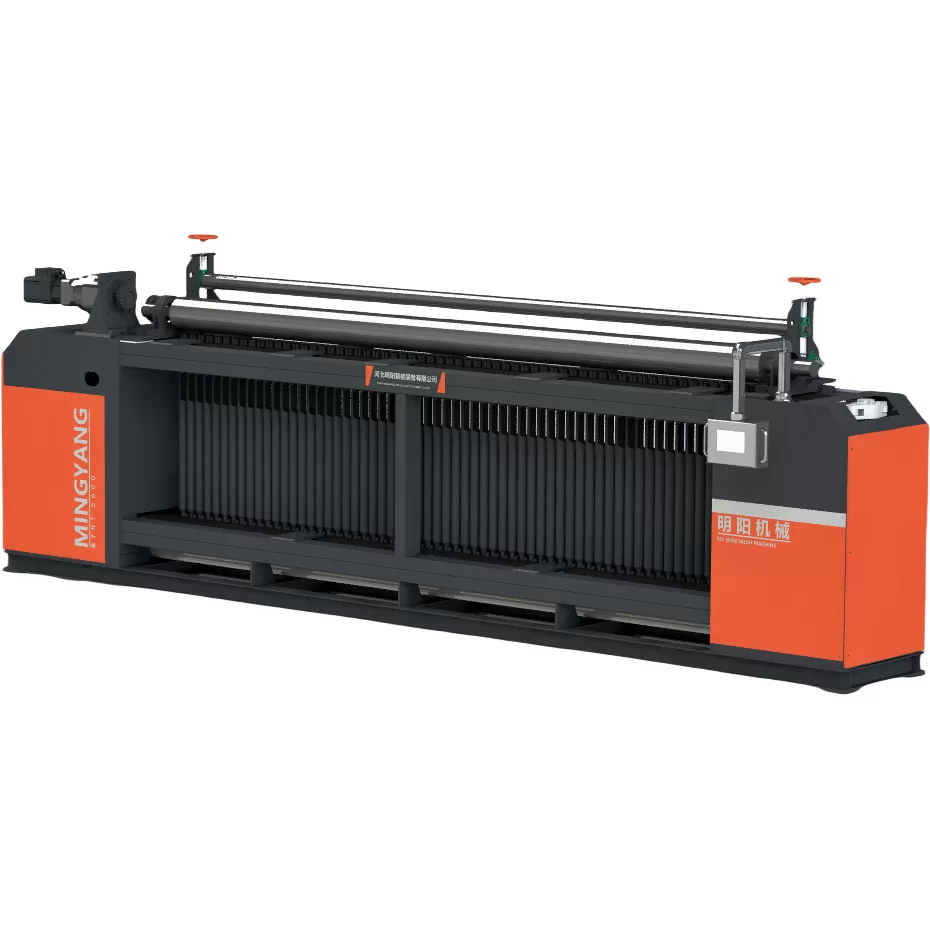
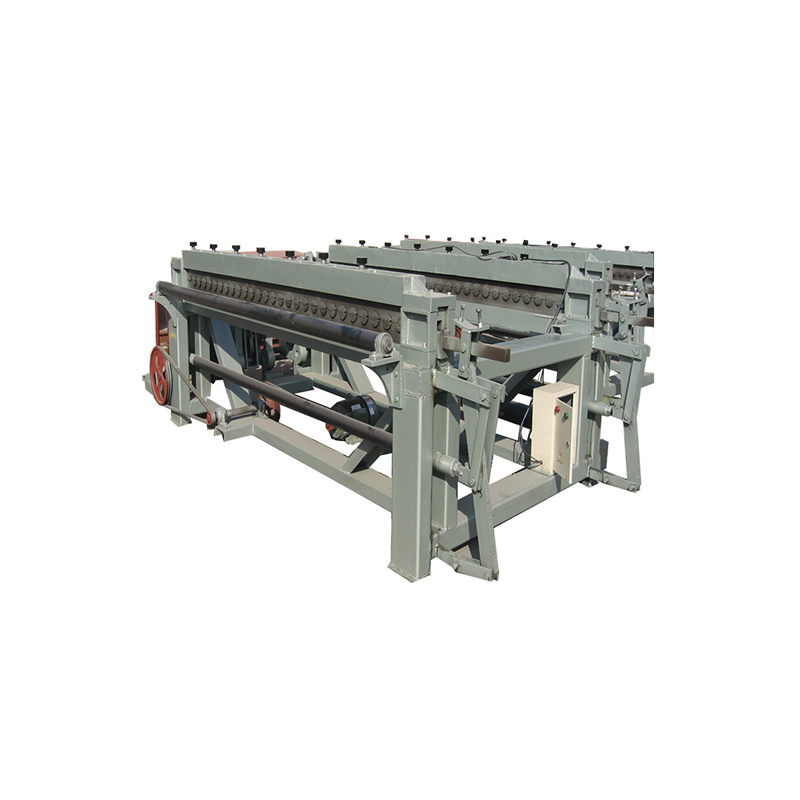
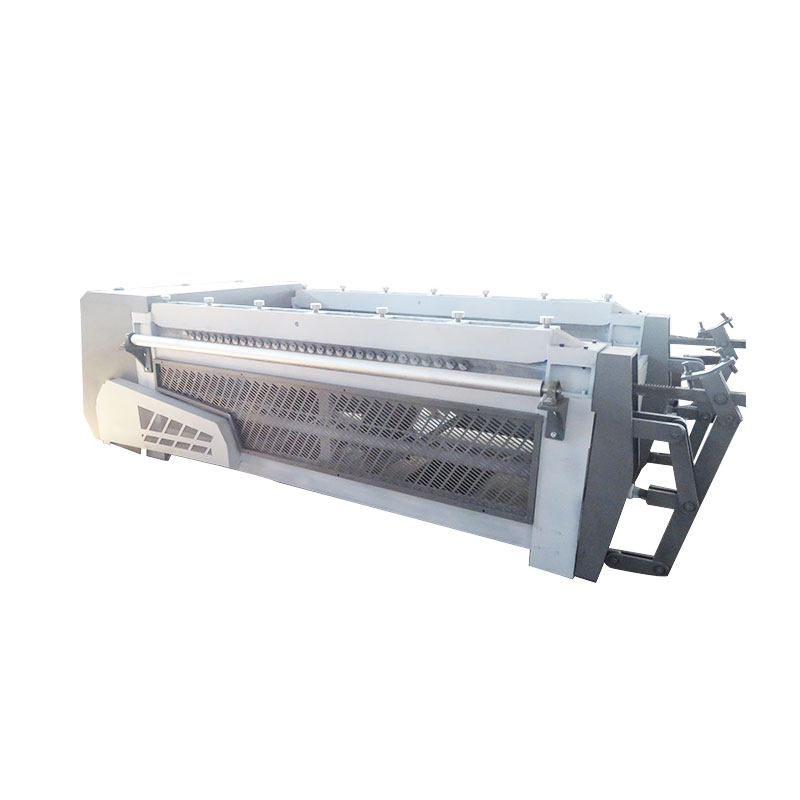
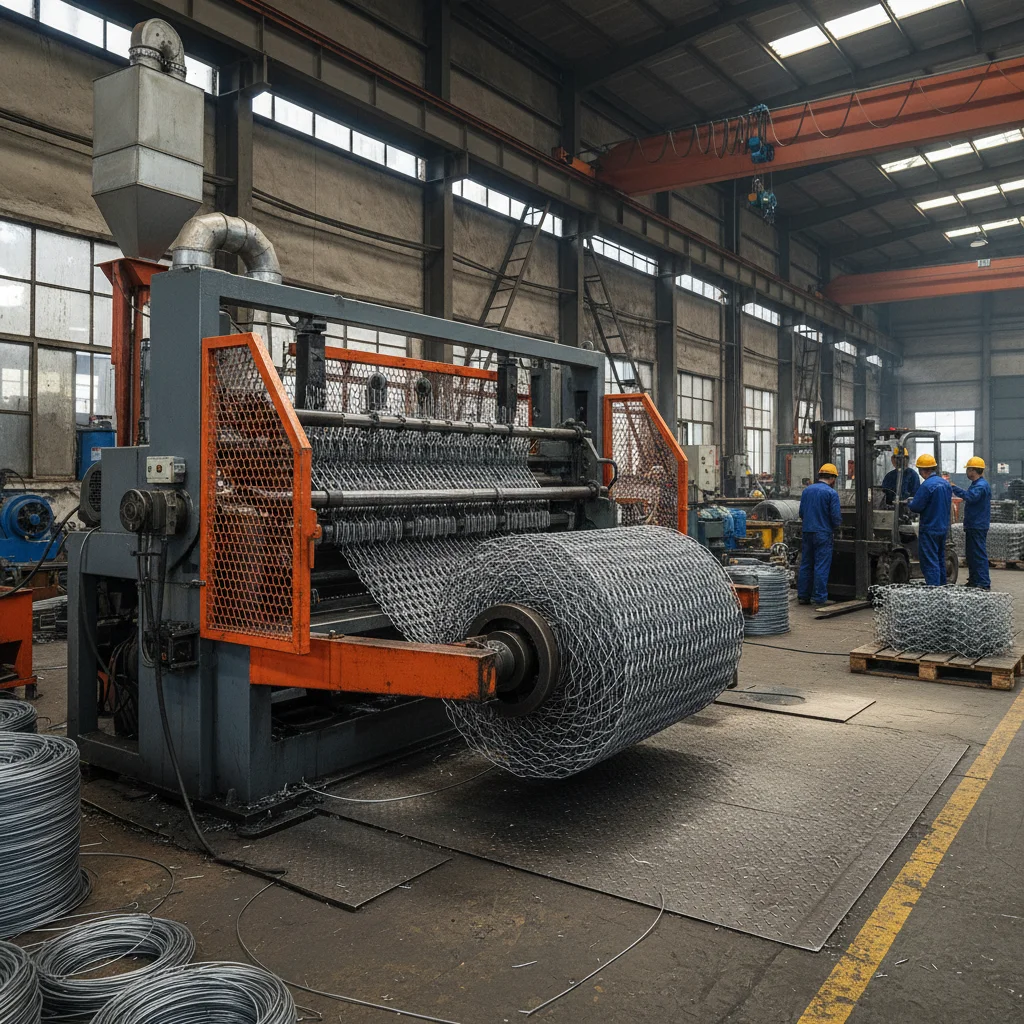
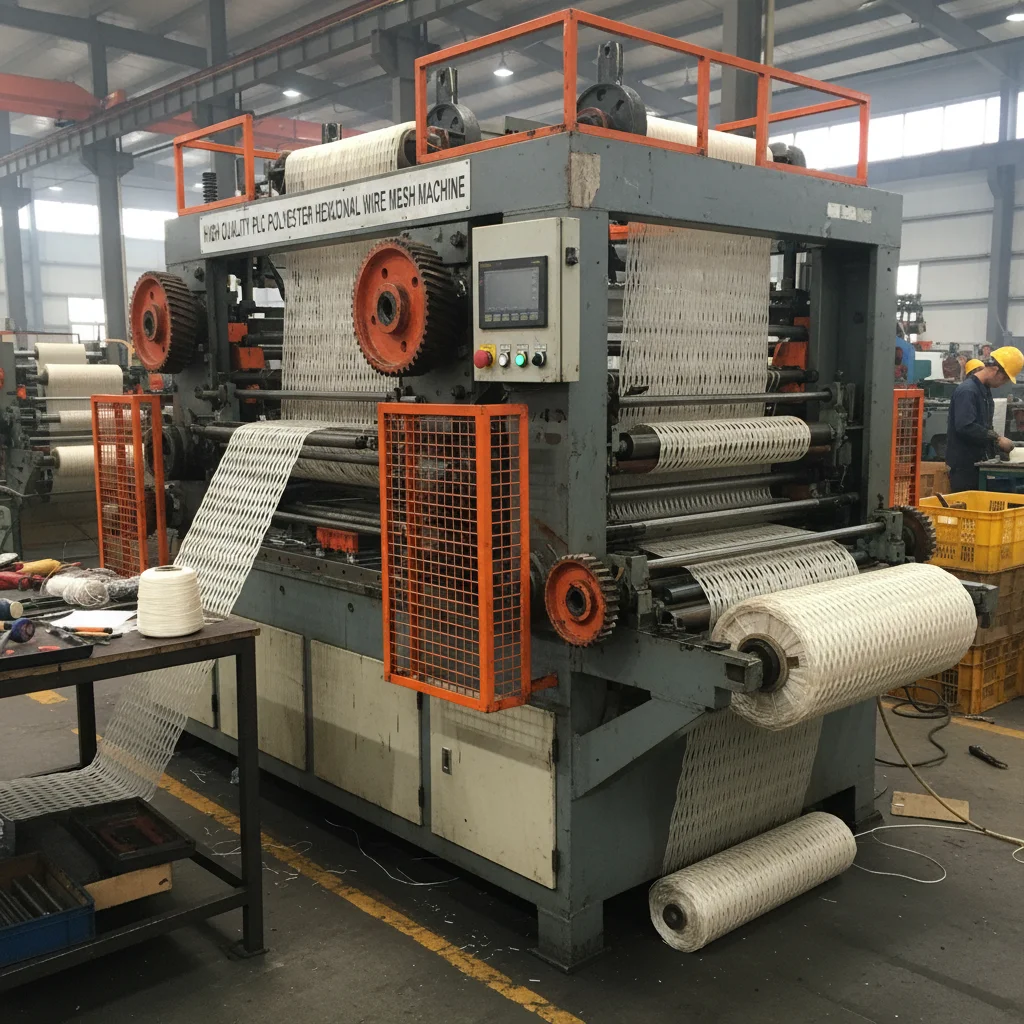
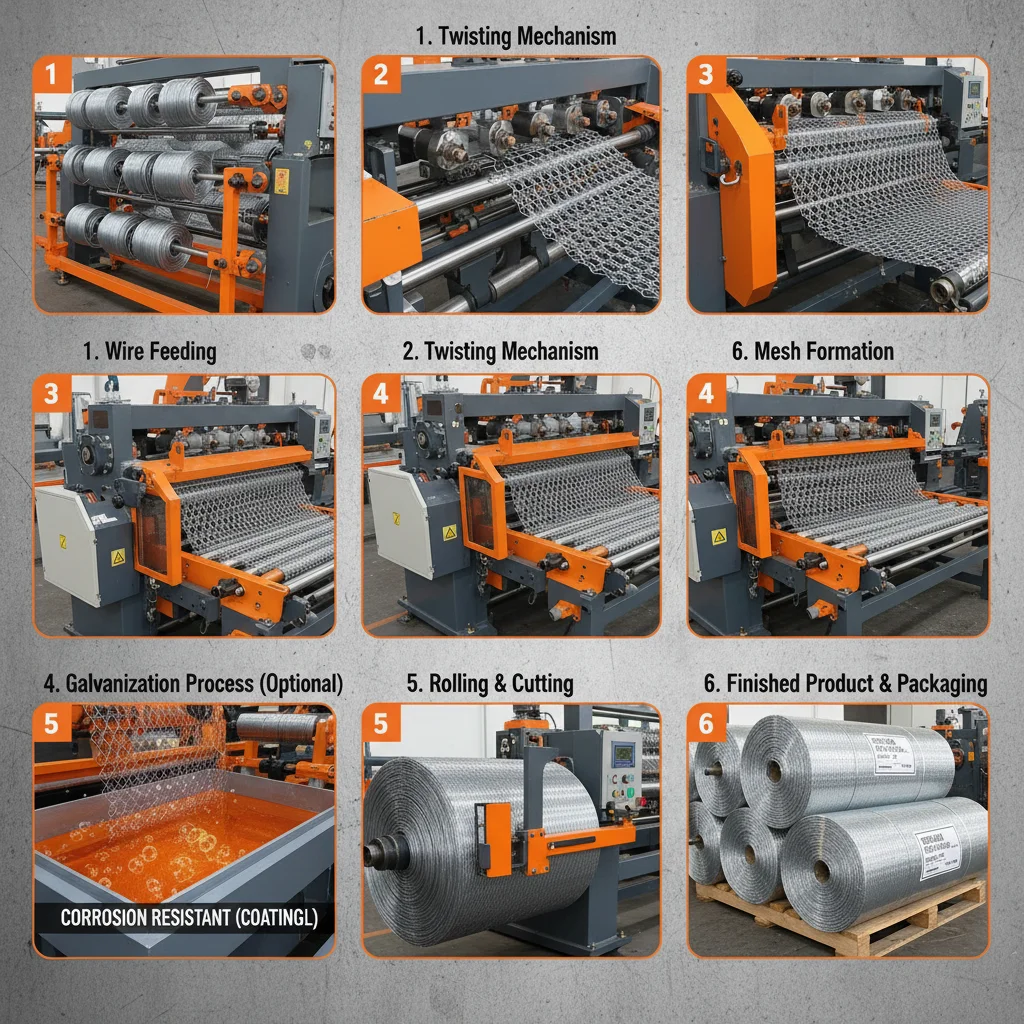
At its heart, a grassland field fence machine is specialized equipment designed to weave, stretch, and secure fencing wire across large pasturelands. It combines the functions of wire spooling, knotting, and tensioning into one manageable system. Think of it as the mechanized arm of a farmer or rancher that can speed up the process of fencing fields while ensuring strength and durability.
Its importance has grown not only in agriculture but also in humanitarian contexts—where temporary fencing is crucial for disaster relief zones or refugee camps—as well as in wildlife management where safe enclosures are essential.
Breaking Down the Core Components of a Grassland Field Fence Machine
1. Durability and Build Quality
The machine is usually built with corrosion-resistant metals to withstand outdoor conditions. You want something that lasts through rainy seasons, intense sun, and even when your livestock get... let's say, a bit adventurous near the fence.
2. Scalability and Adaptability
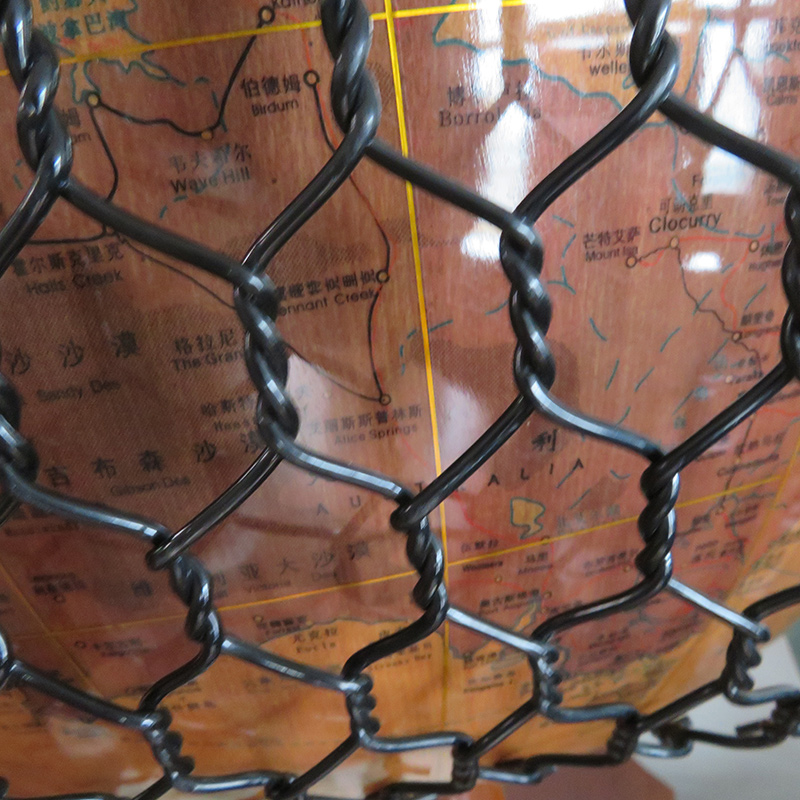
These machines can often handle various fence heights and types of wire—from barbed wire to woven wire—making them extremely adaptable to different land needs. This versatility is key, especially when fencing terrain that changes from one field to another.
3. Ease of Use and Efficiency
Modern grassland field fence machines incorporate simple controls for both manual and motorized functions, reducing the skill threshold required. This makes it accessible to small-scale farmers, even in remote regions with limited access to technical training.
4. Cost Efficiency
By mechanizing the fence installation process, these machines cut down labor hours and material waste, translating to significant cost savings for farmers and organizations working in land management.
5. Maintenance and Serviceability
In rural areas especially, the ability to perform quick fixes or routine upkeep without specialized tools is a plus. Many models prioritize modular parts that can be swapped out easily.
Mini takeaway: The combination of durability, flexibility, and user-friendliness is what makes the grassland field fence machine essential for modern fencing projects.
Real-World Applications: Where the Grassland Field Fence Machine Shines
- Africa and Australia: Vast expanses of grasslands used for cattle grazing depend heavily on these fence machines for creating large, secure enclosures.
- Post-Disaster Relief Operations: NGOs deploy temporary fencing quickly around aid sites to protect facilities and organize camps.
- Wildlife Conservation Areas: Field fences help establish protected habitats and minimize human-animal conflict, benefiting biodiversity.
- Remote Industrial Zones: Mining or energy sites use fences to secure perimeters efficiently over rough terrain.
Each use case highlights different challenges—from rough soil conditions to rapid deployment needs—that these machines address in practical ways.
Product Specification Table
| Specification |
Model A |
Model B |
Model C |
| Fence Height Range |
80 cm - 150 cm |
90 cm - 180 cm |
100 cm - 200 cm |
| Wire Types Supported |
Barbed, Woven |
Barbed, Smooth, Woven |
All Types |
| Motorized |
No |
Yes |
Yes |
| Weight |
35 kg |
45 kg |
50 kg |
| Ideal Terrain |
Flat to mildly uneven |
Uneven terrain |
All terrains |
Comparing Top Vendors: What Sets Them Apart?
| Vendor |
Price Range |
Warranty |
Global Availability |
Technical Support |
| HT Mesh Machines |
$$ |
2 years |
Worldwide |
24/7 Online & Phone |
| FieldTech Solutions |
$$$ |
3 years |
North America, Europe |
Business Hours Only |
| AgriFence Corp |
$ |
1 year |
Asia, Africa |
Limited |
Advantages & Long-Term Value of Using Grassland Field Fence Machines
Cost savings over manual fencing are just the beginning. By reliably creating secure borders, these machines help reduce livestock losses and land disputes. On the sustainability front, many manufacturers now focus on using recyclable materials and energy-efficient motors. There’s also a social angle—enhanced fence security promotes safety, preventing unwanted trespassing or predation, which leads to peace of mind for farmers and communities.
Innovation breeds trust. The confidence in knowing your pasture is well fenced improves operational planning and reduces daily worries. And frankly, that peace of mind adds a lot of value that’s hard to quantify but easy to feel.
Future Trends & Innovations in Grassland Field Fence Machines
Looking ahead, several trends are shaping the evolution of these machines:
- Automation & Robotics: Some advanced models now include semi-autonomous operation with GPS-guided precision, reducing human error on uneven terrain.
- Green Power Sources: Solar-powered motors and rechargeable batteries are becoming more common, boosting sustainability.
- Smart Sensors: Integration with IoT for fence integrity monitoring and remote troubleshooting.
- Materials Innovation: Usage of high-tensile, rust-proof wires combined with lightweight machine frames for easier transport.
If you’re curious about where this tech is headed, you could say the grassland field fence machine is at the cusp of a quiet revolution, marrying tradition with tomorrow’s tech.
Challenges & How the Industry Is Overcoming Them
Of course, no technology is perfect. Some challenges include:
- Terrain Limitations: Rocky or mountainous regions pose difficulties for some machines. Manufacturers are addressing this with better wheels and adjustable tensioning systems.
- Cost Barriers: Initial investments can be prohibitive for smallholders—solutions like leasing and cooperative ownership models help spread costs.
- Maintenance in Remote Areas: Access to spare parts and qualified technicians remains a hurdle. Training programs and modular designs are part of the solution.
Collaboration between manufacturers, NGOs, and governments continues to ease these issues—making fencing accessible to even the most challenging environments.
FAQ: Your Questions About Grassland Field Fence Machines Answered
- Q: How fast can a grassland field fence machine install fencing compared to manual labor?
- A: Typically, a fence machine can speed up installation by three to five times, significantly reducing labor costs and time—especially on large-scale projects.
- Q: Can these machines handle different types of fencing wire?
- Yes, most modern fence machines support barbed, smooth, and woven wire types, allowing flexibility based on fencing needs and local regulations.
- Q: Are grassland field fence machines suitable for rough or uneven terrain?
- While some models were originally designed for flat land, many vendors now offer machines adapted for hilly or uneven terrain with enhanced traction and adjustable mechanisms.
- Q: What maintenance is required to keep these machines operating smoothly?
- Regular lubrication, wire tension checks, and routine tightening of bolts are standard. Many vendors provide maintenance guides and training for first-line servicing.
- Q: How can international buyers purchase these machines?
- Many vendors, including HT Mesh Machines, offer worldwide shipping and customs support. It’s best to contact the supplier directly for consultation on import regulations and shipping logistics.
Wrapping Up: Why the Grassland Field Fence Machine Should Be on Your Radar
Whether you’re managing a sprawling estate, working in remote industrial zones, or part of a humanitarian effort, the grassland field fence machine brings dependable, efficient fencing solutions. Beyond just keeping livestock in or pests out, these machines represent progress in land stewardship, sustainability, and rural development.
If you want to explore the latest options and find a machine tailored for your needs, check out the offerings from the trusted leader in the field at grassland field fence machine. It’s where technology meets tradition, making the fence-building job feel a little less daunting.
The fence might be invisible to some, but the machine behind it is quietly revolutionizing rural life.
References:
- United Nations Food and Agriculture Organization (FAO)
- World Bank Data on Rural Land Use
- International Organization for Standardization (ISO) on Agricultural Equipment Standards