Understanding the Jewellery Wire Drawing Machine: A Global Perspective
In the world of precision manufacturing, few tools are as quietly indispensable as the jewellery wire drawing machine. It might sound niche, but this equipment plays a pivotal role in crafting the delicate wires integral to beautiful jewellery pieces worldwide. Beyond sparkling aesthetics, these machines contribute to livelihoods, small industries, and even sustainable practices by efficiently producing quality metals with less waste.
Globally, the jewellery market is a significant economic force—valued at hundreds of billions of dollars—and wire-drawing technology underpins much of its supply chain. Understanding how these machines work and their benefits can shed light on the intersection between traditional craftsmanship and modern industrial innovation.
The Jewel of Industrial Craftsmanship: Why Jewellery Wire Drawing Machines Matter
The manufacture of fine wire for jewellery is a surprisingly global affair. From the cultural hubs in India and Italy to increasingly active markets in Southeast Asia and beyond, jewellery wire drawing machines are essential. According to the World Bank, the global jewellery market is expected to hit close to US$300 billion by 2028, driven largely by both demand and innovations in metalworking processes. However, achieving consistent quality wire while limiting material waste remains a challenge for many small manufacturers.
That’s where the jewellery wire drawing machine comes in—it addresses this challenge, enabling makers to efficiently control wire diameter and quality. It’s this balance between precision and scale, durability and cost, that has made these machines vital for a growing market passionate about both tradition and technological advancement.
Defining the Jewellery Wire Drawing Machine
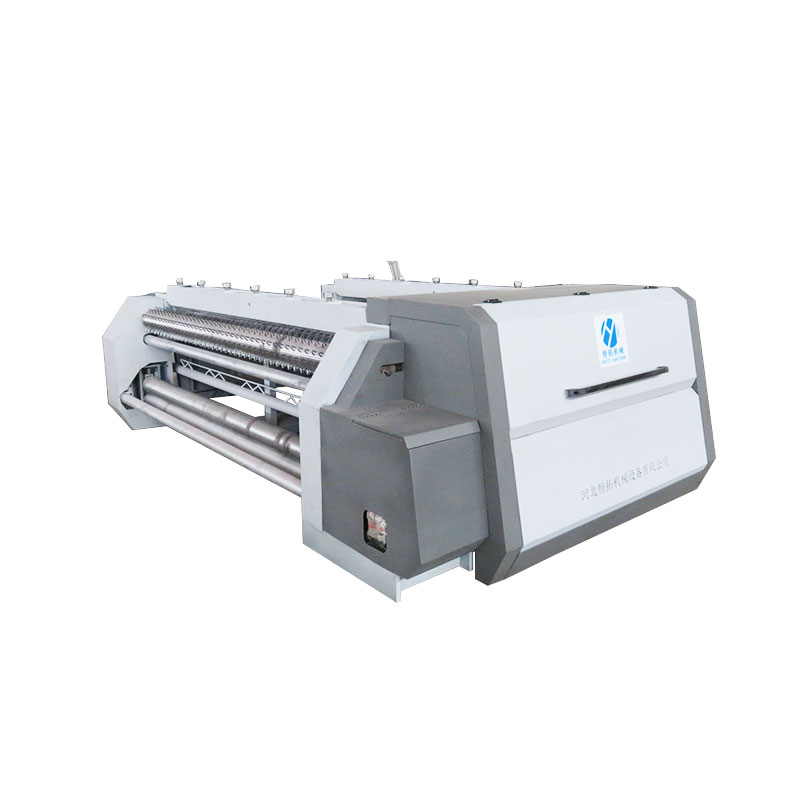
Simply put, a jewellery wire drawing machine is specialized equipment designed to pull metal through progressively smaller dies, reducing its diameter and increasing length without compromising strength or flexibility. The end result is fine wire used in rings, chains, clasps, and other intricate jewellery components.
Modern machines often combine mechanical robustness with electronic controls, catering to the delicate nature of precious metals like gold, silver, and platinum. Interestingly, these machines don’t just serve fashion and ornamentation—they support humanitarian efforts by enabling the repair and production of essential metal components in remote or resource-limited settings.
Core Components: What Makes These Machines Tick?
1. Precision Wire Drawing Dies
At the heart of the process are the dies—hardened shapes that gradually reduce wire thickness. Their quality directly impacts surface finish and uniformity. Many engineers I spoke with insist that die material and design are the unsung heroes of productivity.
2. Motor and Power Transmission
These machines require consistent, adjustable power for smooth drawing cycles. Variable frequency drives often control motor speed, allowing flexibility for various metals and wire sizes. The ability to finely tune speed means less breakage and better outcomes.
3. Lubrication Systems
To prevent abrasions and overheating, lubrication is critical. Many machines integrate oil or emulsion lubricators that also extend die life. It’s the sort of detail that may go unnoticed but makes a huge difference on factory floors.
4. Control Panels and Automation
Newest models often feature digital interfaces for precision control and monitoring. Automation enhances repeatability and reduces human error, which is a boon for consistency—a real must in jewellery making.
5. Cooling Mechanisms
Drawing can generate heat, risking wire quality and die integrity. Integrated cooling, whether water or air-based, prevents costly damage and maintains process stability.
Mini Takeaway
Understanding the components of a jewellery wire drawing machine helps appreciate why these machines are both technologically intricate and surprisingly accessible for small to medium-sized enterprises.
Global Applications & Real-World Use Cases
From the artisan workshops of Jaipur to mass manufacturing units in Italy, jewellery wire drawing machines are everywhere. They’re essential in:
- Craft Jewellery Production: Creating uniform fine wires essential for classic and contemporary designs.
- Industrial Components: Beyond jewellery, fine drawn wires are critical in electronics, medical devices, and aerospace parts.
- Post-Disaster Material Recovery: In areas hit by natural disasters, portable wire drawing machines help refurbish metal parts and tools.
- Remote Manufacturing Zones: In countries with less industrial infrastructure, these machines enable local production, supporting economies and reducing import dependency.
Interestingly, I heard from some operators in East Africa that having these machines locally meant they could pivot more easily to different wire sizes without long shipments—speeding up small business timelines considerably.
Advantages & Long-Term Value
Why invest in a jewellery wire drawing machine? Here’s what stands out:
- Cost Efficiency: Reduces raw material wastage thanks to precision control.
- Improved Quality: Consistent wire thickness means fewer rejects and more satisfied customers.
- Sustainability: Less material discarded equals better environmental impact.
- Social Impact: Supports local artisans and manufacturers, enabling better livelihoods and community growth.
- Reliability and Safety: Modern controls minimize accidents and downtime.
It feels like investing in one of these machines is about more than just making wire — it’s about sustaining an ecosystem of skilled work and innovation.
Product Specification Table
| Specification |
Typical Range |
Purpose |
| Wire Diameter |
0.1 mm to 5 mm |
Custom thickness for different jewellery designs |
| Motor Power |
1 kW – 3 kW |
Controls drawing speed and force |
| Drawing Speed |
5–50 m/min |
Adjustable to metal type and size |
| Lubrication System |
Oil-based or emulsion |
Reduces friction and wear |
| Automation Level |
Manual to semi-automatic |
Tailors to user expertise and scale |
Vendor Comparison: Choosing the Right Jewellery Wire Drawing Machine
| Feature |
Vendor A |
Vendor B |
Vendor C |
| Price Range |
$8,000 - $12,000 |
$6,500 - $10,000 |
$9,500 - $13,000 |
| Automation Level |
Semi-automatic |
Manual |
Fully automatic |
| Die Material Quality |
Tungsten carbide |
Hardened steel |
Diamond-coated |
| Warranty |
2 years |
1 year |
3 years |
| Service & Support |
Global network |
Regional |
Global + onsite |
Future Trends & Innovations in Jewellery Wire Drawing
Looking forward, several exciting trends are reshaping this sector:
- Automation and IoT: Smarter machines that self-monitor wear and optimize speed.
- Green Manufacturing: Recycled metals and eco-friendly lubricants becoming standard.
- Advanced Materials: New die coatings and composite parts to extend lifespan.
- Customization Software: Digitally controlling wire thickness for bespoke jewellery lines.
These innovations suggest a future where artisans and manufacturers will collaborate seamlessly with technology, making jewellery not just beautiful but also responsibly crafted.
Common Challenges & How Experts Tackle Them
Despite advances, hurdles remain:
- Material Breakage: Fine wires can snap if tension isn't perfect. Experts recommend close monitoring and adaptive controls.
- Maintenance Complexity: Die wear requires frequent replacement. Some vendors now offer predictive maintenance using sensor data.
- Costs of Automation: Smaller workshops often struggle to afford fully automated machines; modular upgrades are a practical solution.
FAQ: Frequently Asked Questions About Jewellery Wire Drawing Machines
- 1. What metals can jewellery wire drawing machines process?
- Most machines handle precious metals like gold, silver, and platinum, but can also process non-precious metals like copper or brass depending on die configuration and lubrication.
- 2. How does automation improve wire drawing quality?
- Automation helps maintain consistent speed and tension, reducing wire breakage and ensuring uniform thickness crucial for high-end jewellery.
- 3. Can small workshops afford these machines?
- Yes, entry-level manual or semi-automatic models are designed with smaller budgets in mind, offering scalability as businesses grow.
- 4. How often should I replace drawing dies?
- Die lifespan varies with metal type and lubrication but typically ranges from several weeks to months. Using high-quality dies and proper maintenance maximizes longevity.
- 5. Are jewellery wire drawing machines energy efficient?
- Modern models often incorporate energy-saving motors and smart controls, making them more efficient than older generations.
Conclusion: The Last Word on Jewellery Wire Drawing Machines
In real terms, investing in a jewellery wire drawing machine is not just buying equipment — it’s securing a future for craftsmanship and industrial innovation that respects tradition and embraces technology. These machines allow businesses, big and small, to produce fine wire with precision and efficiency, contributing to the global jewellery supply chain and local economies alike.
For those looking to dive into this world or upgrade an existing setup, exploring options and tech specs carefully makes all the difference. Curious to learn more or see models firsthand? Visit our site: jewellery wire drawing machine.
References
- Wikipedia: Wire Drawing Process
- World Bank: Manufacturing Industry Overview
- ISO Committees on Jewellery and Precious Metals