What Is a Gabion Box Machine and Why It Matters Globally
When it comes to erosion control, military fortifications, or even humanitarian infrastructure, gabion boxes have quietly become the unsung heroes of civil engineering. At the heart of producing these wire mesh cages is the gabion box machine, a specialized device designed to weave and assemble these structures efficiently. Globally, as climate change heightens natural disasters and urban development expands, the need for quick, durable, and cost-effective solutions for retaining walls or flood barriers rises sharply. Understanding how gabion box machines work and their benefits gives us a peek into a world where technology meets sustainability and resilience, often without much fanfare.
Mini takeaway: Gabion box machines are essential to contemporary infrastructure efforts worldwide, addressing growing environmental challenges with practical innovation.
The Global Context: Infrastructure Challenges Demand Innovative Solutions
Did you know that according to the United Nations, more than 1.6 billion people live in vulnerable urban areas exposed to floods? That’s a massive scope for engineering solutions that can be both rapidly deployed and sustainable. That’s why a gabion box machine isn’t just another piece of factory equipment; it’s part of a global response to rising environmental and developmental demands.
The World Bank stresses that affordable, flexible structural materials can significantly reduce disaster risks and rebuild communities resiliently. Meanwhile, industry data reveals an increasing trend in gabion wall use across Asia, Africa, and Europe—not just for functional needs but for eco-friendly landscaping and military uses as well.
gabion box machines address a critical bottleneck: the need for fast, precise, and scalable production without sacrificing quality. From flood defenses to railway embankments, these machines enable industries to catch up to the pace of modern challenges.
Mini takeaway: The gabion box machine is a key player in global infrastructure resilience, helping communities adapt to environmental adversity.
What Exactly Is a Gabion Box Machine?
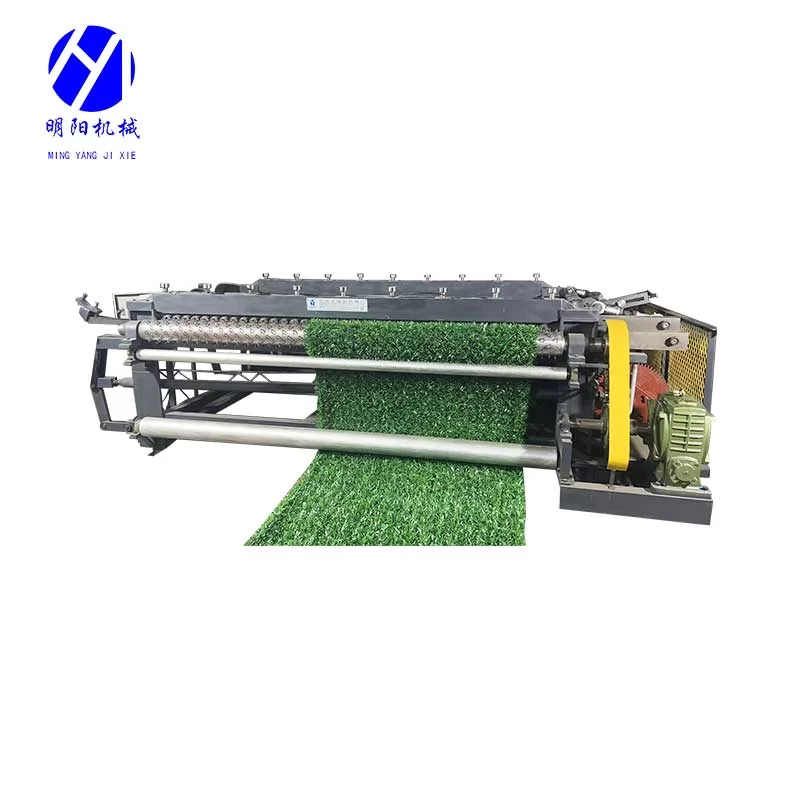
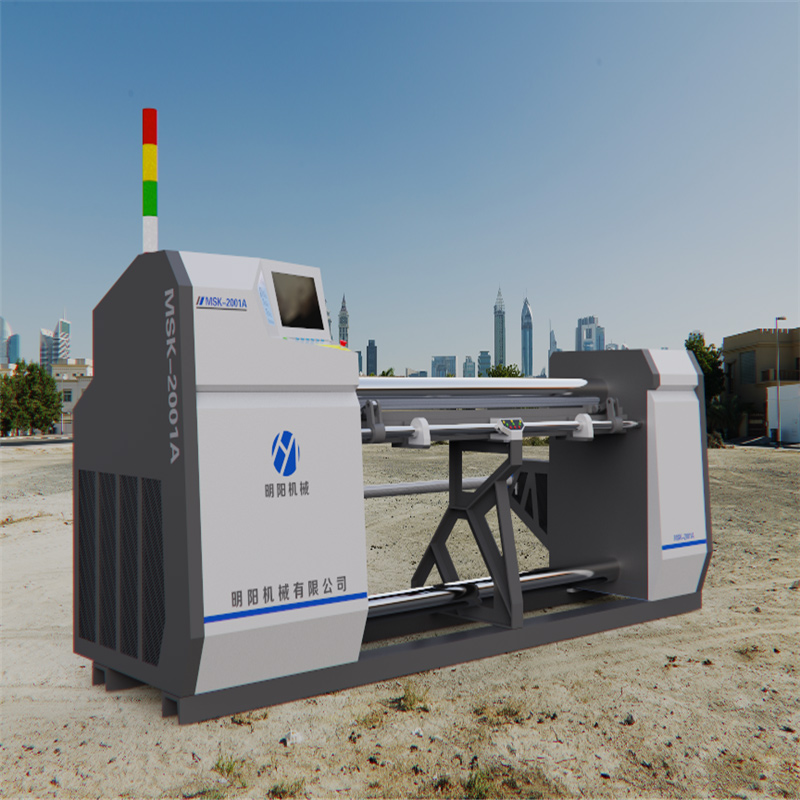
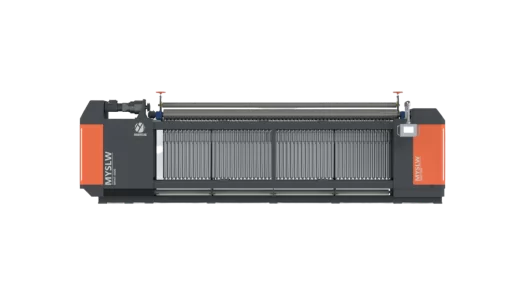
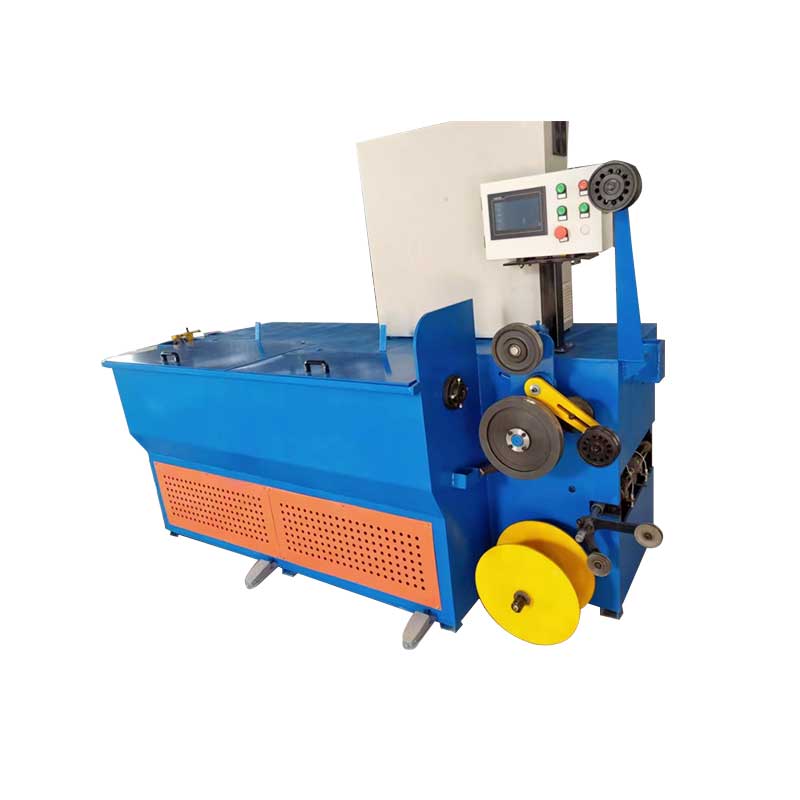
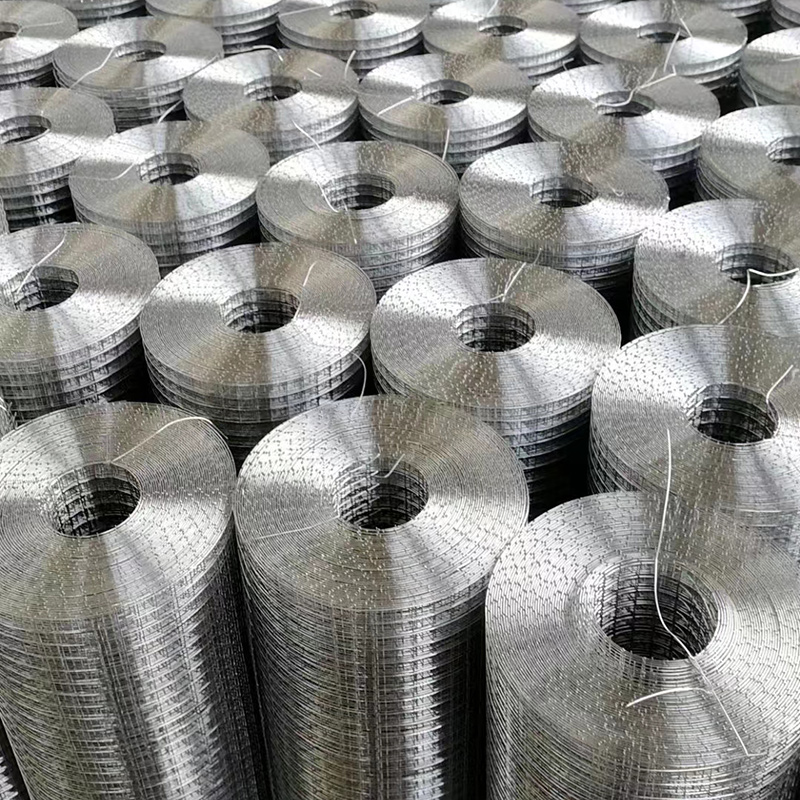
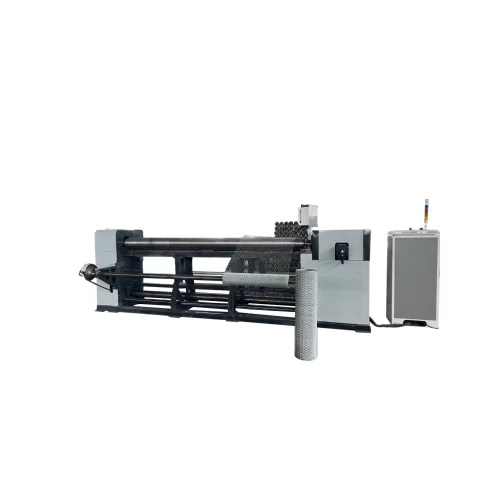
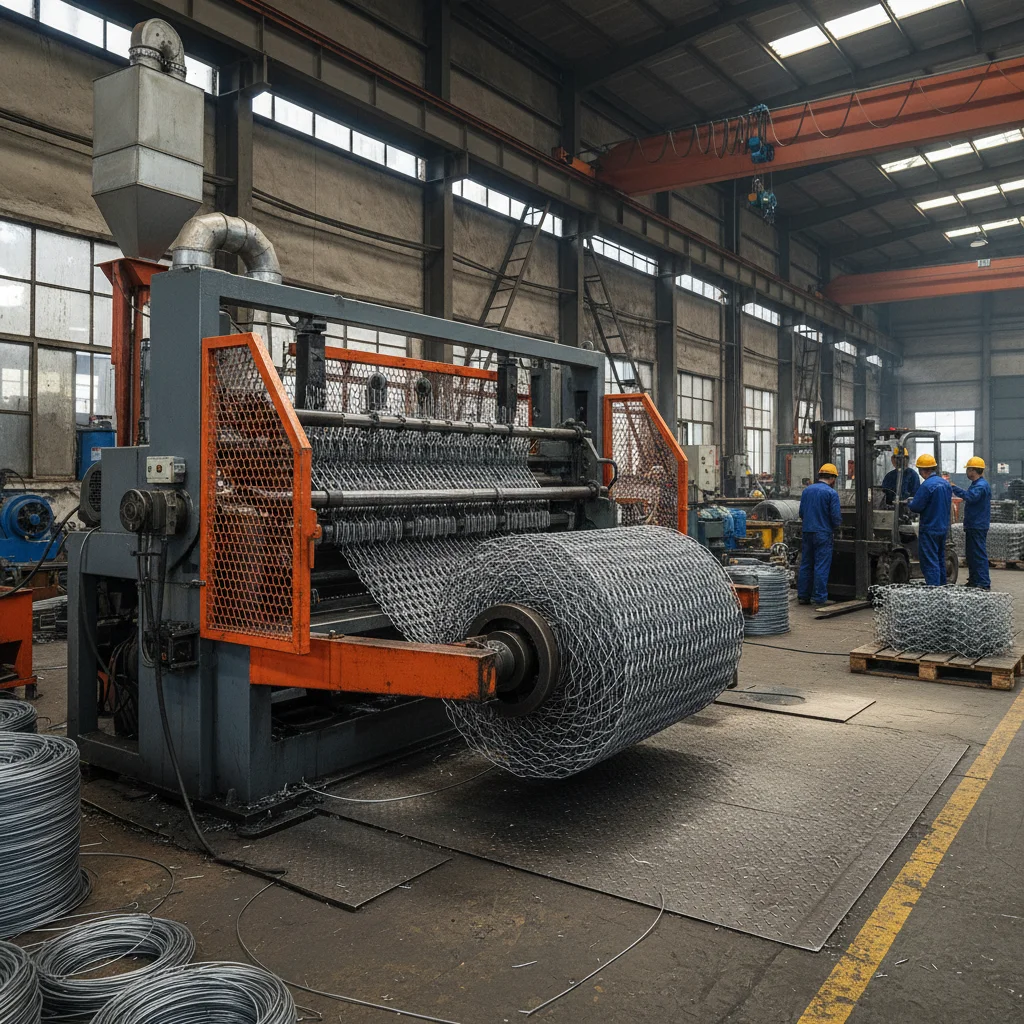
Put simply, a gabion box machine is an industrial device used to weave and assemble wire mesh gabion boxes. These boxes are typically rectangular cages filled with rocks or other materials, used to construct retaining walls, reduce erosion, and form barriers. The machine automates the process of bending, weaving, cutting, and assembling wire mesh panels into robust cage structures ready for filling.
Why does this matter? Frankly, manual production of gabion cages is time-consuming and inconsistent, and with growing demand, automation is critical. These machines are often connected to wider supply chains involving rock sourcing and site preparation, playing a humble yet vital role in modern engineering.
Mini takeaway: Gabion box machines streamline the production of foundational infrastructure elements that mitigate environmental risks.
Core Components of a Gabion Box Machine
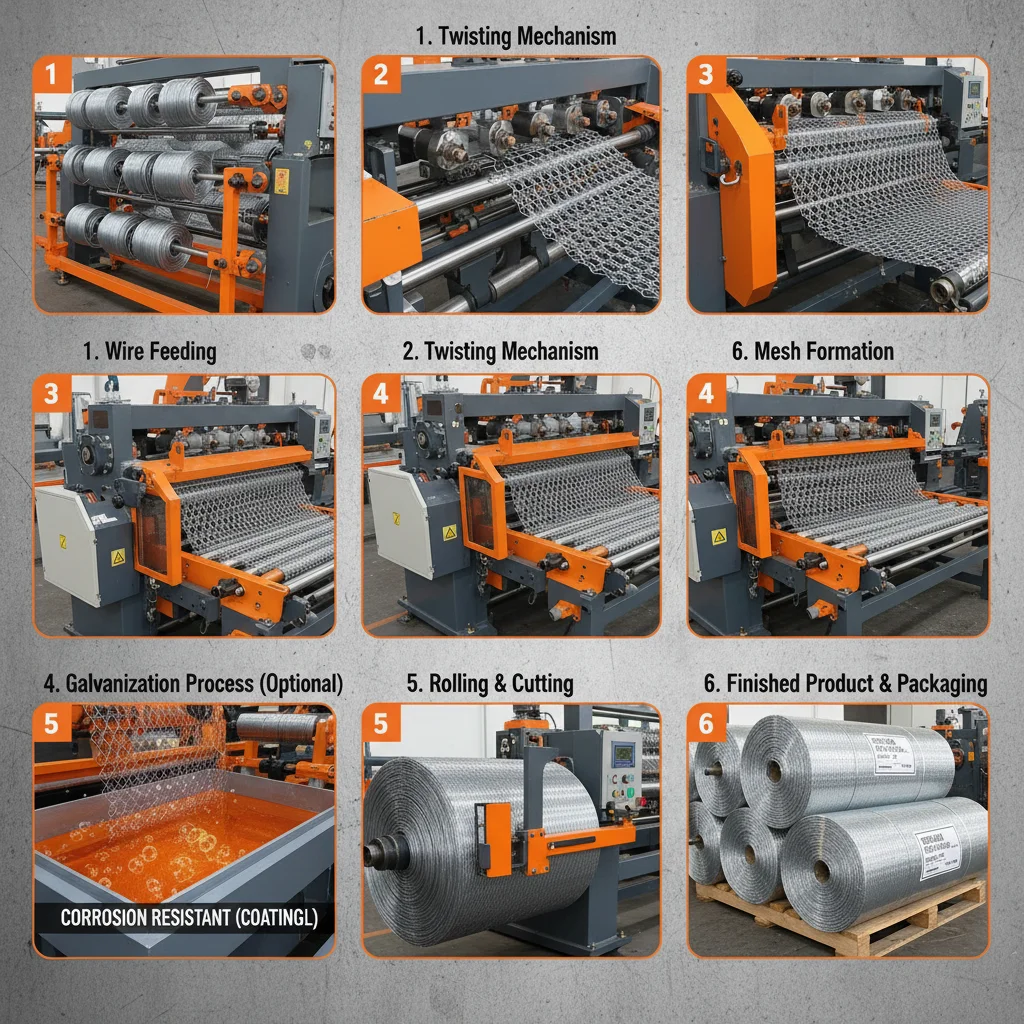
1. Wire Feeding System
This subsystem regulates the precise delivery of wire coils to the weaving mechanism. Think of it as the machine's circulatory system, keeping materials flowing smoothly.
2. Weaving & Welding Unit
Here, wires are intricately woven or welded together to form the panels. Many engineers say this part is the heart of operational efficiency—the quality depends heavily on it.
3. Folding & Assembly Module
After creating flat panels, this component folds and fastens them into the familiar box shape, ensuring uniform dimensions every time.
4. Control System
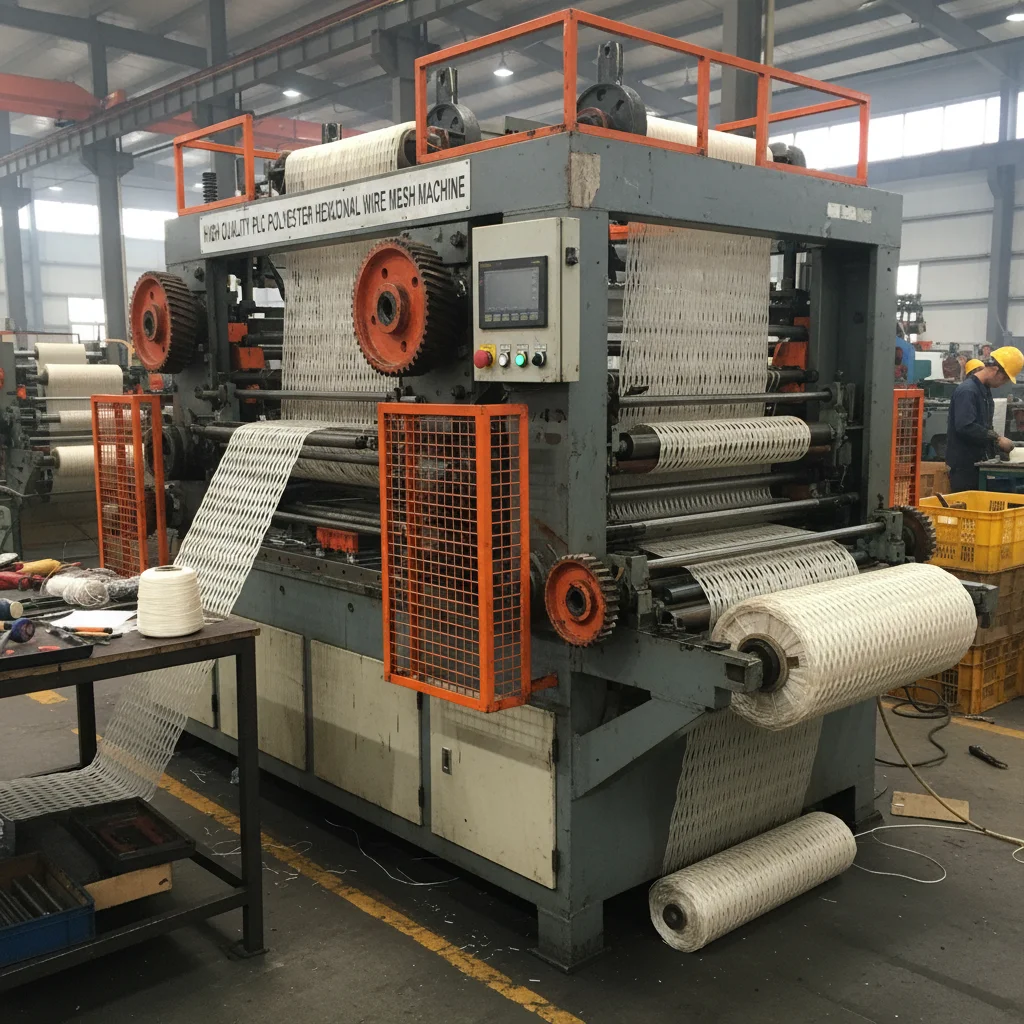
Modern machines come equipped with programmable logic controllers (PLCs) for precise parameter adjustments and error detection, essential for consistency.
5. Durability Features
The frames are crafted from hardened steel, and advanced machines often include anti-corrosive coatings or weatherproof components to extend service life.
Mini takeaway: Behind the scenes, complex mechanisms combine precision and durability to produce gabion boxes ready for harsh environments.
Gabion Box Machine in Action: Real-World Applications
Gabion boxes are everywhere—from highway embankments in Europe to flood protection in Asia, their presence is unmistakable. The machines that create them are pivotal in:
- Post-disaster relief: In flood-hit regions of Bangladesh, gabion walls provide stopgap barriers while permanent structures are rebuilt.
- Military defense: Rapidly deployable gabion boxes fortified by these machines protect strategic sites.
- Environmental conservation: Gabion retaining walls stabilize slopes in landslide-prone parts of South America.
- Urban landscaping: Designers in North America and Europe increasingly prefer gabion structures for aesthetic retaining walls and noise barriers.
For instance, in Kenya’s Rift Valley, a local manufacturer uses gabion box machines to supply demining barriers and hillside erosion controls, linking technology with community wellbeing.
Mini takeaway: Gabion box machines aren’t just factory fixtures but enablers of safety, environmental balance, and urban beauty worldwide.
Advantages of Using a Gabion Box Machine
Now, you might wonder—what sets machines apart from traditional methods? The benefits extend from cost savings to social impact:
- Cost Efficiency: Automation lowers labor costs and material waste.
- Customizable Sizes: Machines easily adapt to different gabion dimensions.
- Consistency & Strength: Uniform welding means predictable, reliable structures.
- Sustainability: Gabions allow water permeability, reducing runoff.
- Speed: Faster production means quicker project turnaround.
On an emotional level, communities get durable barriers that protect homes and livelihoods without months of construction. There's dignity in that reliability.
Mini takeaway: Gabion box machines balance economic, environmental, and human factors seamlessly.
Looking Ahead: Future Trends in Gabion Box Machinery
Interestingly, the gabion box machine market is evolving with new ideas:
- Smart automation: AI-driven controls predict wire tension and optimize welds.
- Eco-friendly materials: Research into biodegradable wire coatings.
- Modularity: Machines designed for quick reconfiguration to produce varied box shapes.
- Energy efficiency: Solar-powered or low-energy consumption units.
In fact, some vendors are experimenting with connected devices that monitor machine health remotely, reducing downtime—a game changer for remote sites.
Mini takeaway: The mashup of digital tech and sustainable materials is shaping gabion box machine evolution.
Overcoming Challenges: What Needs Attention?
Not everything is smooth sailing. Common issues include wire breakage, irregular welds under high speed, and difficulty adapting to certain wire gauges. Plus, initial capital costs can be a barrier for small manufacturers.
But innovative solutions are emerging:
- Modular maintenance kits simplify repairs onsite.
- Training programs improve operator proficiency.
- Leasing options lower entry cost hurdles.
Many manufacturers also emphasize a partnership approach, helping customize machines per client needs—proving that technology doesn’t have to be cold and impersonal after all.
Mini takeaway: Challenges exist but are met with practical, on-the-ground innovations.
FAQ: Your Burning Questions About Gabion Box Machines
1. How does a gabion box machine improve construction speed?
By automating wire feeding, weaving, welding, and folding, the machine cuts production time dramatically compared to manual assembly. This means projects can move from planning to execution phases faster, without sacrificing quality.
2. Are gabion boxes produced by machines durable in harsh environments?
Yes, machines leverage precision welding and corrosion-resistant materials to produce gabions capable of lasting decades in tough outdoor settings like riverbanks or saltwater coastal zones.
3. Can the machine make different sizes or shapes of gabion boxes?
Most modern gabion box machines allow customization of box dimensions, and some even handle various shapes, depending on the tooling and programming.
4. Is the gabion box machine suitable for small-scale manufacturers?
While upfront investment is significant, smaller machines and leasing options make it increasingly accessible. Plus, the boost in productivity often justifies the cost.
5. How do I select the right gabion box machine vendor?
Look for vendors offering solid after-sales service, customizable solutions, and proven standards compliance. Reviews and referrals are invaluable here.
Specification Table: Typical Gabion Box Machine
| Specification |
Details |
| Wire Diameter Range |
2.0 – 5.0 mm |
| Mesh Size |
50mm x 100mm standard (customizable) |
| Max Box Size |
2m x 1m x 1m |
| Production Speed |
Up to 200 boxes/hour |
| Power Supply |
380V 50Hz 3-phase |
| Control System |
PLC with Touchscreen Interface |
Vendor Comparison Table
| Feature |
Vendor A |
Vendor B |
Vendor C |
| Production Speed (boxes/hr) |
200 |
180 |
220 |
| Custom Size Support |
Yes |
Limited |
Yes |
| Warranty |
2 Years |
1 Year |
3 Years |
| After-Sales Service |
Global support |
Regional only |
Global with online training |
| Price Range |
$$$ |
$$ |
$$$$ |
Wrapping It Up: Why a Gabion Box Machine Is Worth Your Attention
In real terms, the gabion box machine isn’t just about metal cages; it’s a catalyst for safer communities, quicker infrastructure response, and greener construction methods. With the world grappling with climate-induced disasters, tools that speed up, scale, and sustain construction solutions hold genuine promise.
If you’re exploring how to modernize production, improve project speed, or reduce costs while embracing sustainable practices—well, a gabion box machine might just be the piece you didn’t know you needed.
Reach out to industry experts, and you’ll hear the same: “It’s not just a machine; it’s infrastructure insurance.”
References
- United Nations Climate Change Initiatives
- World Bank - Disaster Risk Management
- Wikipedia: Gabion