The Intriguing World of Gold Wire Drawing Machines: What They Are and Why They Matter
Gold wire drawing machines might not be headline news every day, but their impact spans far beyond just metals processing. Globally, these machines are the unsung heroes behind the delicate, ultra-fine gold wires used in electronics, jewelry, and even cutting-edge medical devices. Understanding this technology means appreciating the blend of precision engineering and materials science that fuels innovation worldwide—and yes, it’s more widespread than you’d imagine.
Why the Gold Wire Drawing Machine is a Global Game Changer
Here’s a fact that might surprise you: the electronics industry alone accounts for roughly 30% of global gold consumption, largely due to connectors and microcircuit components demanding ultra-thin gold wire. According to the International Organization for Standardization (ISO), precision in wire dimensions down to microns is crucial to maintain electrical conductivity and durability.
Gold wire drawing machines tackle the challenge of reducing the diameter of gold wire without compromising its integrity—a real feat of mechanical finesse. With soaring demand in Asia and North America, combined with stricter quality standards, industries face the problem of production speed vs. quality control, and these machines are the answer.
Defining a Gold Wire Drawing Machine in Plain Terms
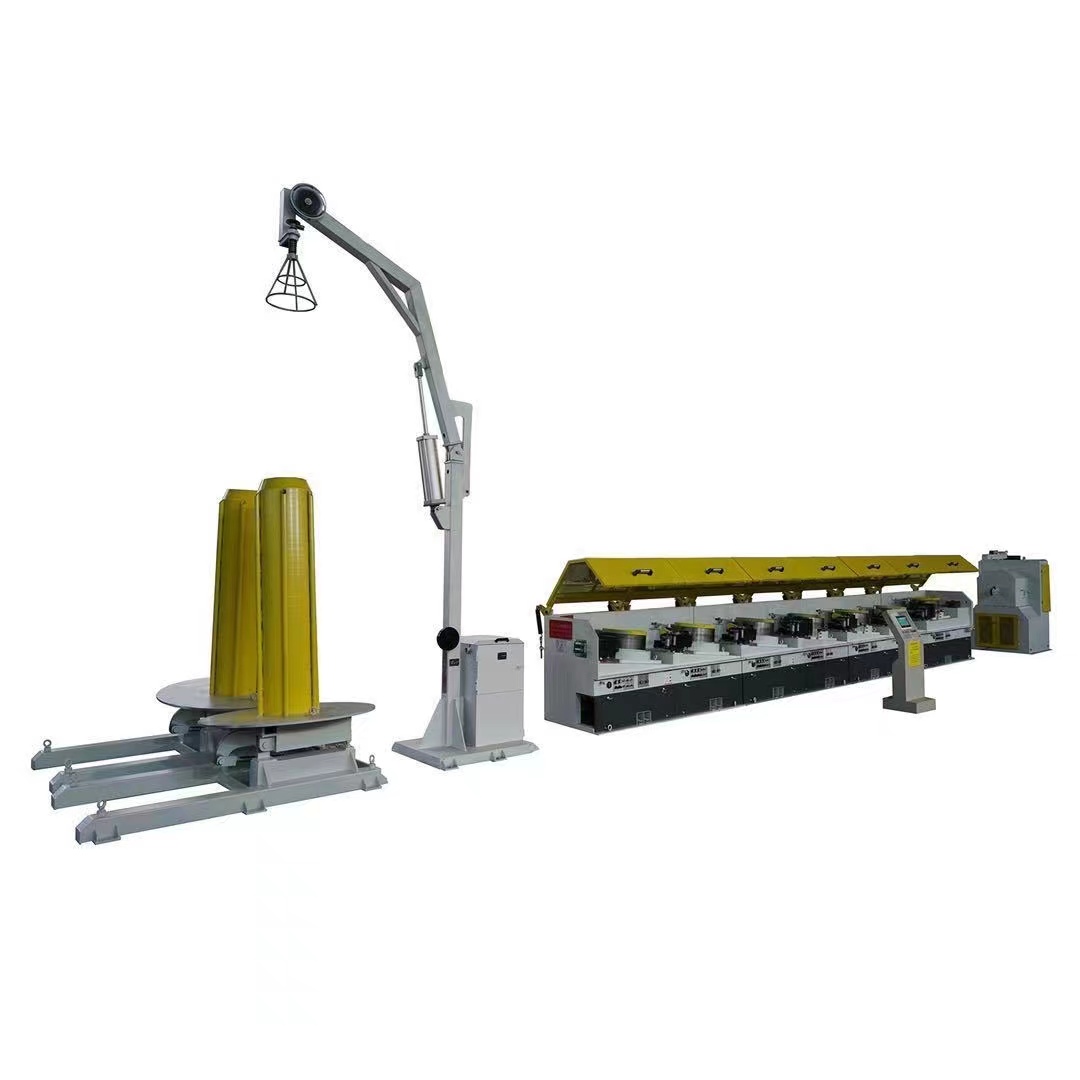
At its core, a gold wire drawing machine is a device that pulls gold wire through progressively smaller dies—kind of like squeezing dough through a mold but on a microscopic scale—to produce thinner wires. These wires end up in everything from smartphone connectors to detailed dental equipment. Interestingly, their role bridges high-tech manufacturing and even humanitarian medical tech, where reliable, corrosion-resistant wiring is crucial.
Core Components and What Makes Them tick
1. Durability of Drawing Dies
The dies, typically made from tungsten carbide or synthetic diamond, endure harsh stress while shaping gold wires down to microns. Their longevity directly affects output quality and machine uptime. Many engineers swear by diamond dies for longer life, especially for ultra-thin wires.
2. Precision Control Systems
Modern machines boast computerized controls to maintain tension and speed. This fine-tuned regulation prevents wire breakages or unevenness, which in delicate gold wires can mean total product failure downstream.
3. Scalability and Throughput
Whether producing meters or kilometers of wire, the machine’s ability to ramp production without quality loss is key. Smaller setups serve boutique jewelers, while factories manufacturing for electronics giants expect nonstop performance.
4. Temperature and Lubrication Management
Gold, being soft and malleable, demands careful temperature control during drawing to avoid cracks. High-tech lubrication systems reduce friction but need to be environmentally sound.
5. Safety and Automation Features
Recent models incorporate sensors and auto-shutdown protocols to prevent damage and improve operator safety.
Mini Summary: The gold wire drawing machine blends meticulous mechanics and smart tech. Its core is as much about raw material toughness (dies) as it is about subtle control systems that keep things running smooth.
Where in the World are Gold Wire Drawing Machines Making a Difference?
East Asia leads in production, with countries like China, Japan, and South Korea refining their machinery for high-volume electronics manufacturing. Europe leans toward precision, servicing luxury jewelry and aerospace tech. Oddly enough, emerging economies in Africa and Latin America see rising interest as they build medical devices for local use—making durable micro-gold wires vital.
For example, in post-disaster tech relief programs in Southeast Asia, finely drawn gold wire is critical in manufacturing replacement circuit components for communication devices.
Product Specification Table
| Specification |
Typical Value |
| Max Wire Diameter Input |
5 mm |
| Min Wire Diameter Output |
10 µm (microns) |
| Drawing Speed |
Up to 20 m/min |
| Power Consumption |
5 kW |
| Control System |
PLC with touchscreen HMI |
How Gold Wire Drawing Machines Compare Among Leading Vendors
| Vendor |
Max Speed (m/min) |
Automation Level |
Die Material |
Price Range (USD) |
| HTM Mesh Machines |
20 |
Full Automation |
Synthetic Diamond |
$120,000–$150,000 |
| Global WireTech |
18 |
Semi-Automated |
Tungsten Carbide |
$100,000–$130,000 |
| FineDraw Solutions |
15 |
Manual Operation |
Tungsten Carbide |
$80,000–$110,000 |
The Solid Advantages and Long-Term Value of Gold Wire Drawing Machines
In real terms, the benefits of investing in a gold wire drawing machine aren’t just about speed or output. Cost-efficiency comes from reducing waste and minimizing wire breakage. Sustainability is increasingly important—some modern machines recycle lubricant and optimize energy use, reducing environmental footprint.
From a social angle, reliable production of gold wire ensures devices that keep us connected, safe, or healthy continue to function flawlessly. There’s an emotional reassurance in knowing that tech and jewelry can be both beautiful and reliable. Many users also report improved trust in supply chains when their OEM partners use advanced machinery like these.
Looking Ahead: Emerging Trends & Innovations
Automation is moving fast. AI-enhanced control systems can predict and prevent wire snapping—a huge deal when working with ultra-thin gold wires that cost a fortune.
Green tech integration is another hot topic, with manufacturers shifting to eco-friendly lubricants and energy-saving motors. There’s also buzz around new composite die materials that promise even greater durability.
Digitization doesn’t stop at controls. Some companies are building smart maintenance systems that schedule die replacement before quality slips. It feels like the future is not just drawing gold wire but drawing data from it.
Common Challenges & Practical Solutions
Like any high-precision equipment, gold wire drawing machines face issues like die wear, wire breakage, and lubricant contamination. Experts recommend regular die inspections with microscopes and strict processes for temperature monitoring.
Moreover, customizing machines for different gold alloys can be tricky; however, modular design approaches now allow for swappable parts tailored to specific wire properties.
FAQ: What People Usually Ask About Gold Wire Drawing Machines
-
Q: What’s the smallest diameter a gold wire drawing machine can produce?
A: Most advanced machines can draw gold wire down to about 10 microns (0.01 mm). Specialized setups may go thinner but require diamond dies and ultra-stable control.
-
Q: How is wire quality ensured during the drawing process?
A: Precision tension control, temperature regulation, and die inspection all contribute to maintaining wire quality. Automation helps detect and stop wire breaks early.
-
Q: Are these machines energy efficient?
A: Recent generations are designed with energy-saving motors and lubrication recycling to reduce consumption and waste.
-
Q: Can a gold wire drawing machine be used for other metals?
A: Yes, many machines can process silver, copper, or platinum wires with appropriate die changes and lubricant adjustments.
-
Q: How do I choose the right gold wire drawing machine vendor?
A: Consider automation features, die material, after-sales support, and scalability. HTM Mesh Machines is a known leader offering full automation and diamond dies.
Wrapping It Up and Next Steps
Understanding the gold wire drawing machine isn’t just an industrial curiosity—it’s a window into the craftsmanship behind modern tech and artistry. These machines underpin industries that affect your daily life in subtle but profound ways.
If you want to explore further and maybe even view some gold wire drawing machine models, HTM Mesh Machines offers a solid blend of innovation and reliability worth checking out.
References:
- International Organization for Standardization (ISO)
- Gold wire - Wikipedia
- World Bank Industry Data