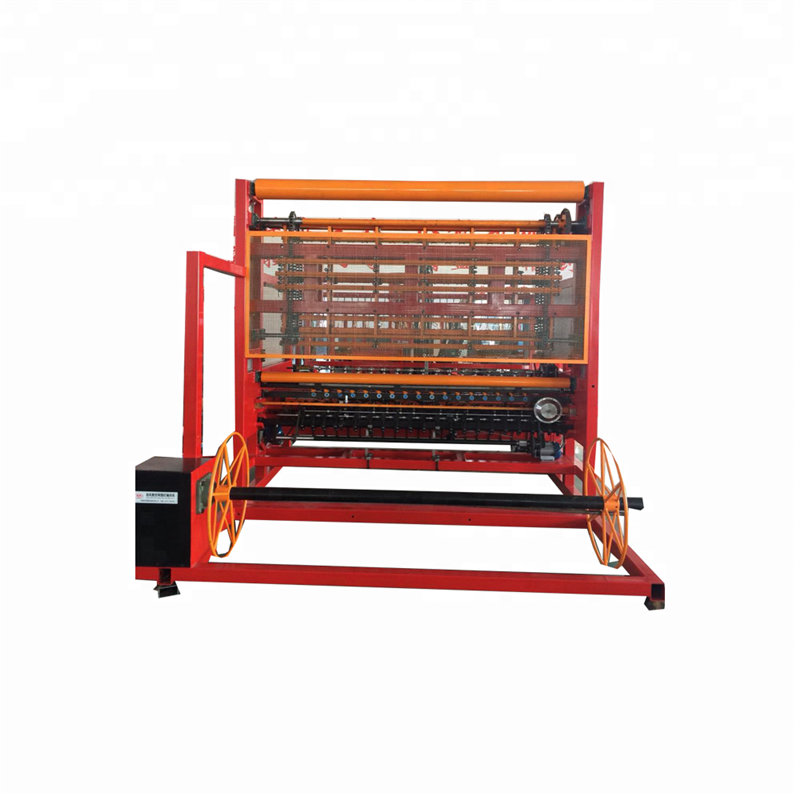
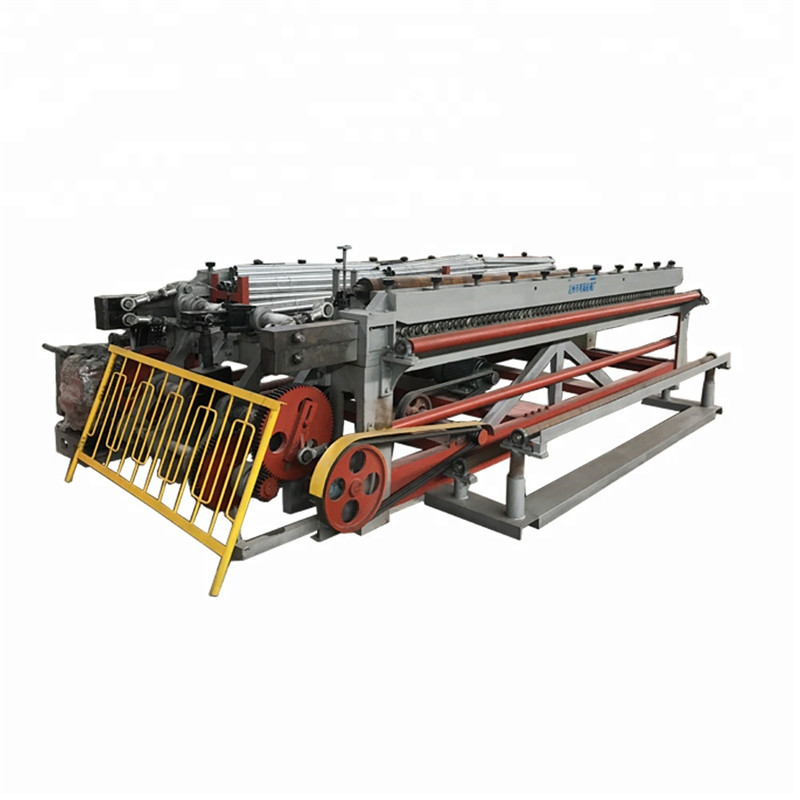
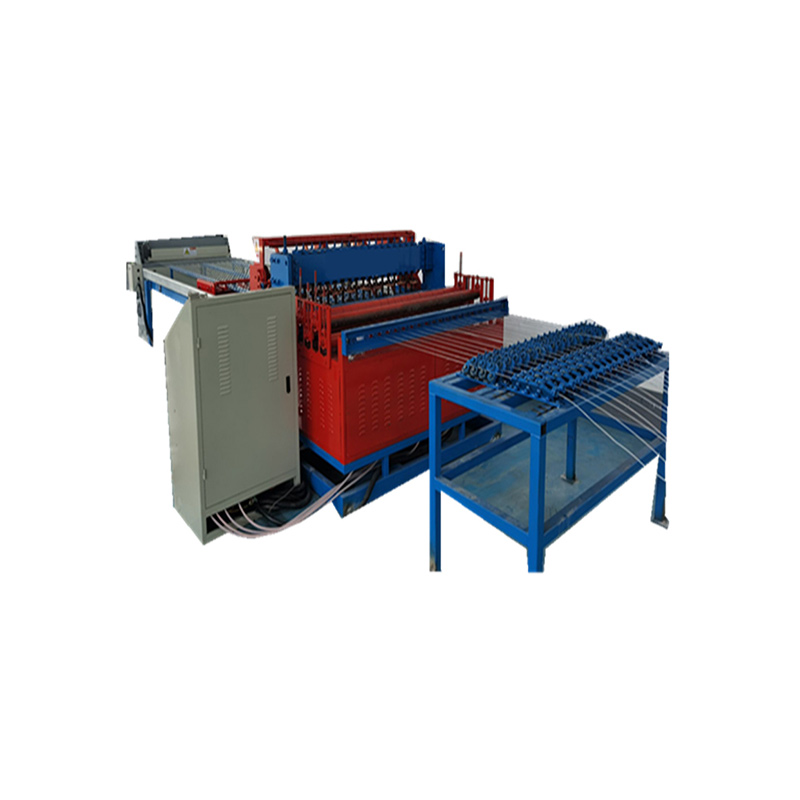
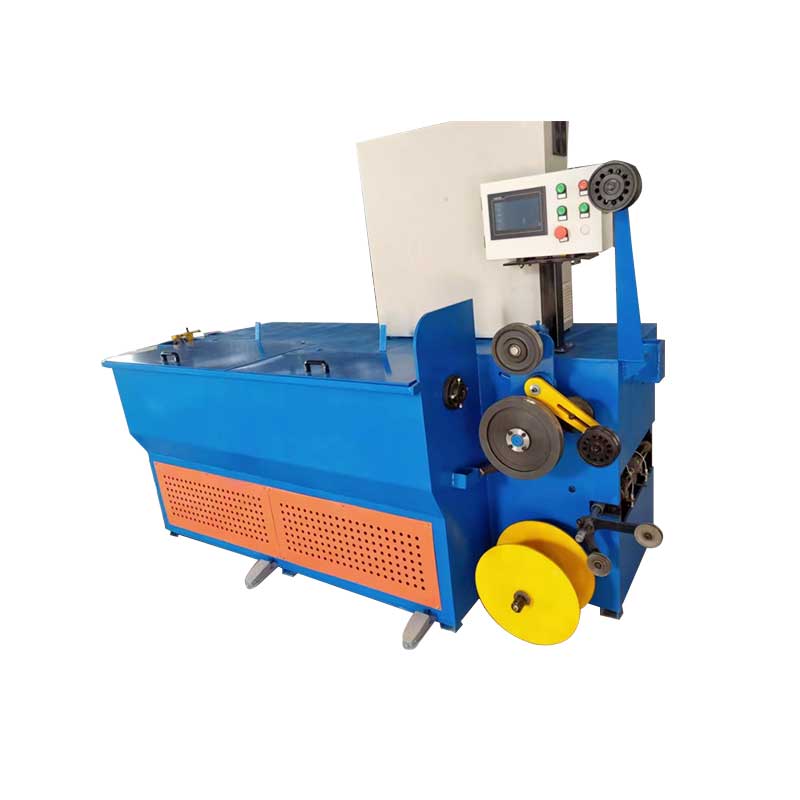
Hexagonal Wire Netting Machine: What Makes It a Global Game-Changer?
If you’re not already familiar with the term
hexagonal wire netting machine, you might soon see it popping up everywhere — especially in industries relying on mesh wire for safety, construction, and agriculture. At its core, this machine weaves wire into a hexagonal mesh, which may sound simple but actually plays a huge role worldwide. The benefits? Strong but flexible fencing, erosion control, wildlife protection, and emergency shelter reinforcements, to name a few.
Global demand for wire mesh products is climbing steadily — from infrastructure projects in Asia to environmental conservation in Europe and disaster relief operations in Africa. Understanding how the machine works, its subtleties, and applications unlocks a window into a small but powerful industrial ecosystem.
Why the Hexagonal Wire Netting Machine Matters Globally
Globally, industries need reliable, cost-effective, and versatile materials. According to [ISO standards](https://www.iso.org/standard/71791.html), wire mesh products made from high-quality materials must meet strict durability and safety parameters to be viable in harsh environments. For instance, the World Bank estimates that infrastructure projects requiring proper fencing or protective barriers could reduce wildlife loss and land degradation by up to 25% in some regions.
Yet many markets struggle with outdated machines that churn lower-quality netting, prone to rust or deformation. The
hexagonal wire netting machine addresses these challenges by delivering consistently strong, weather-resistant mesh at scale. In disaster-prone areas, this can literally mean the difference between quick recovery and long-term damage — imagine reinforcing hillsides with gabion walls or erecting rapid enclosures for livestock. This machine makes such feats possible with efficiency.
Mini takeaway: A reliable hexagonal wire netting machine is essential in bridging gaps between infrastructure resilience, environmental protection, and humanitarian aid — and it’s becoming more vital as global challenges mount.
Defining the Hexagonal Wire Netting Machine in Simple Terms
Think of the
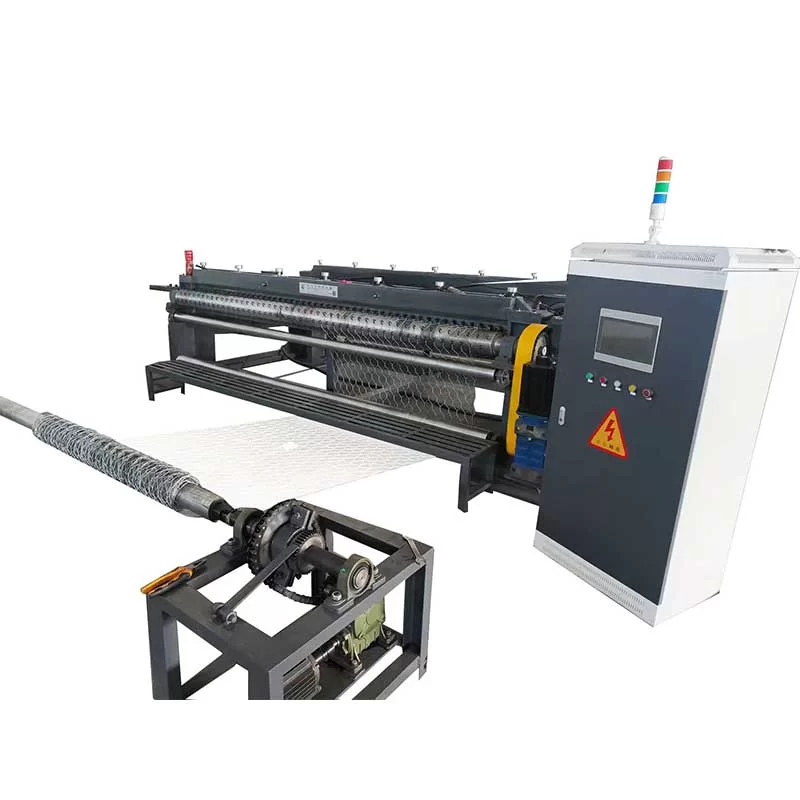
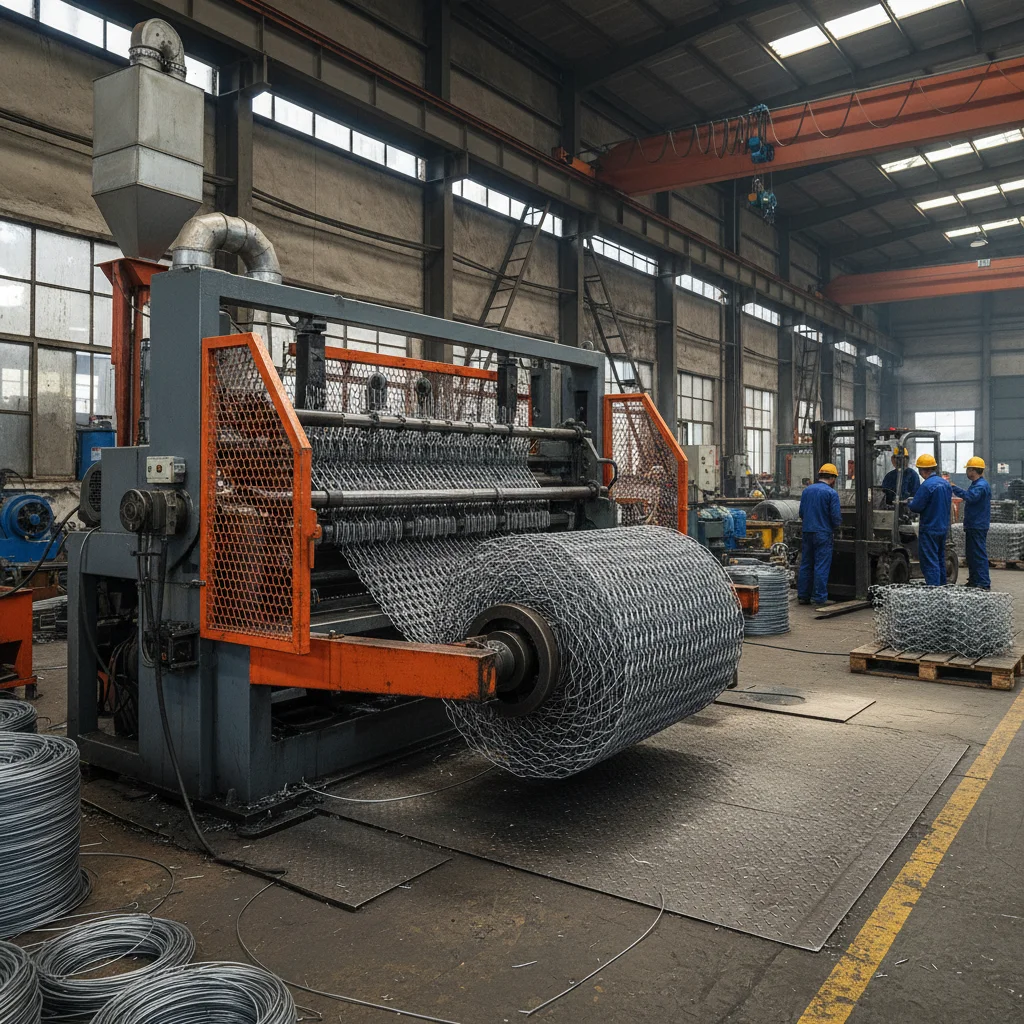
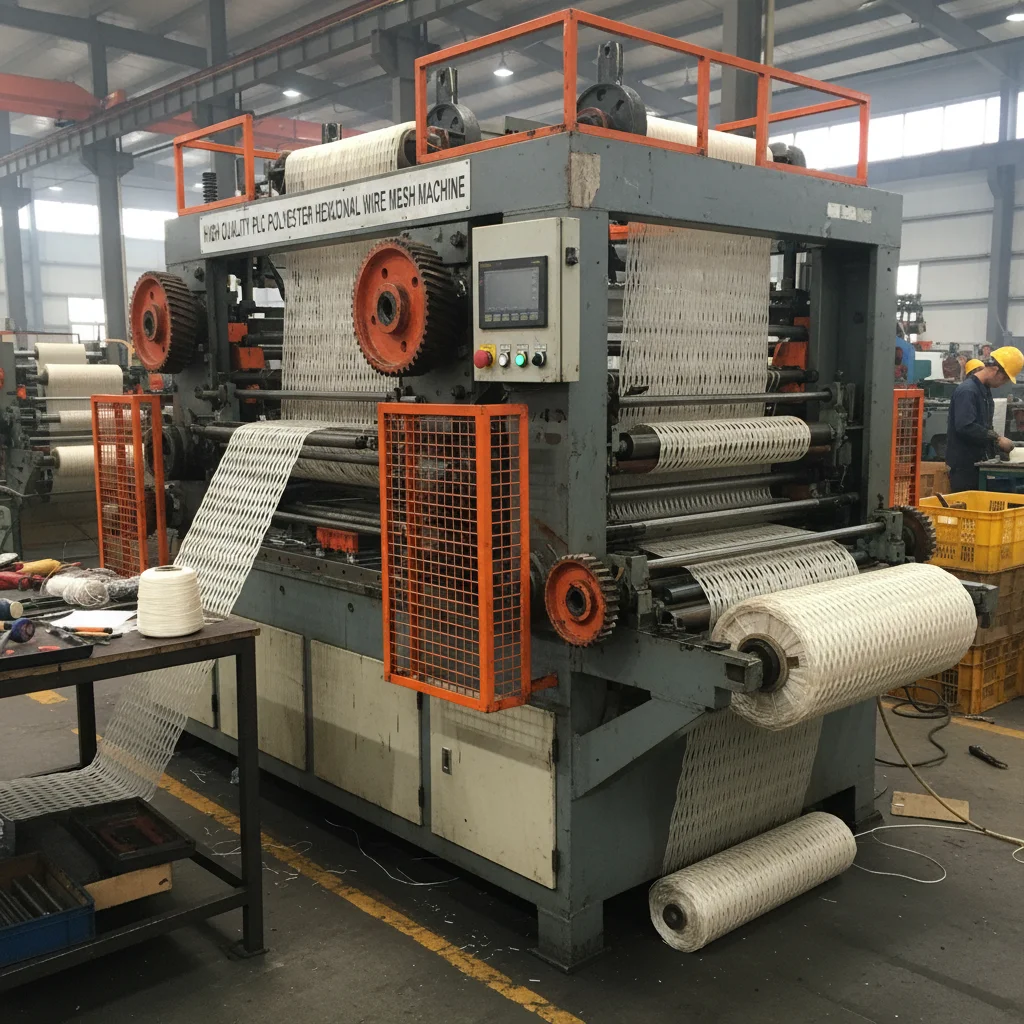
hexagonal wire netting machine as a specialized loom — instead of weaving thread, it shapes steel wire into a honeycomb-like mesh. These hexagonal openings give the mesh unique strength: it’s flexible enough to bend without breaking but sturdy enough to hold shape under pressure.
Industries from farming to mining use this netting to contain animals, protect soil, or control rockfalls. On a humanitarian level, emergency shelters use mesh reinforcement to improve durability. So, this machine isn’t just an industrial tool; it’s part of a larger story linking safety, sustainability, and innovation.
Core Components and Key Factors of Hexagonal Wire Netting Machines
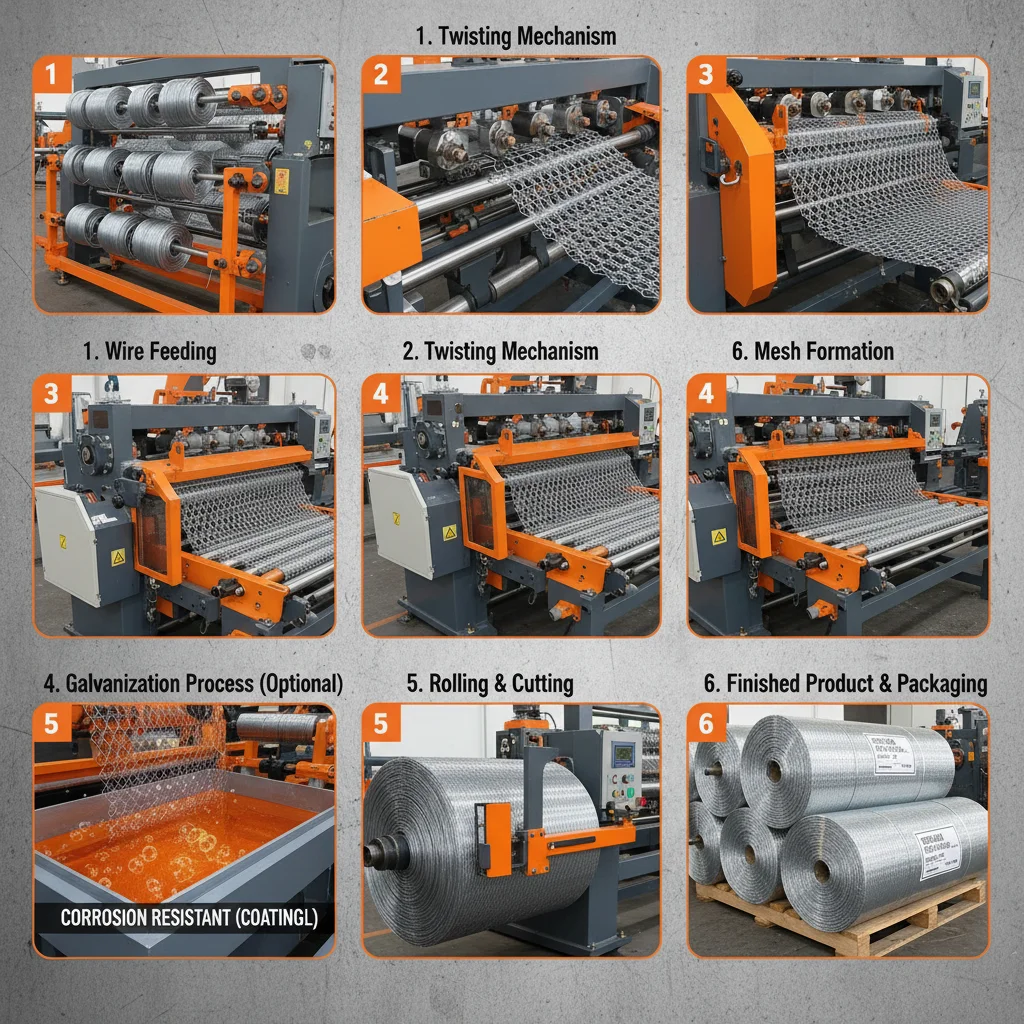
1. Wire Feeding Mechanism
A smooth, adjustable feeder ensures wire enters the machine without kinks — crucial for producing flawless mesh. Engineers often note this piece requires precision tuning; a slip can mean hours of scrap wire.
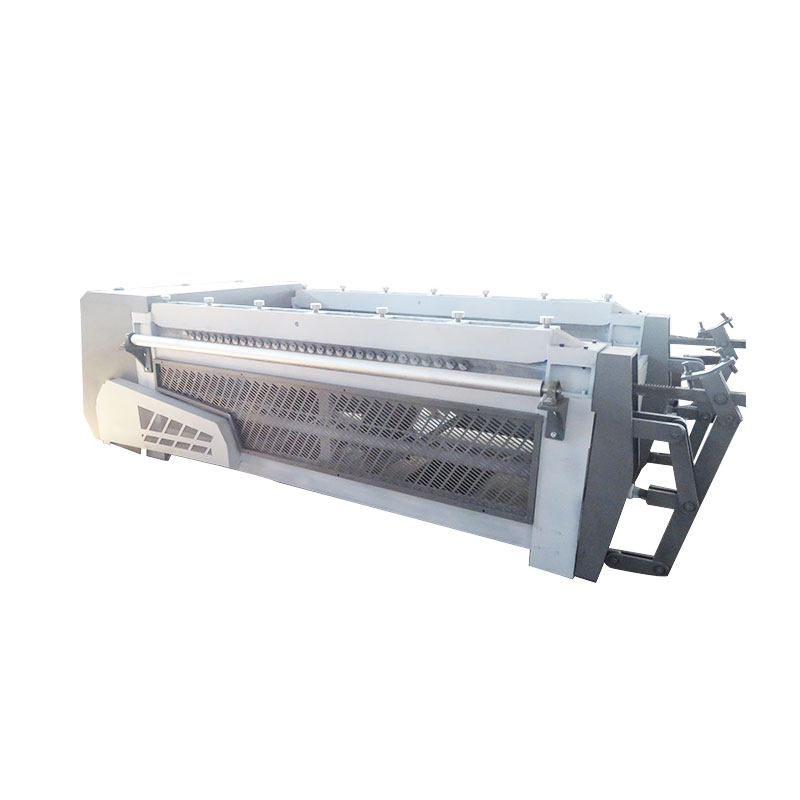
2. Twisting and Knotting Unit
This section forms the hexagonal patterns by twisting two wires at precise angles. The automated controls here dictate speed and tension, setting mesh strength and flexibility.
3. Cutting and Stacking Module
Once mesh rolls out, the machine cuts it to length and neatly stacks or winds it, primed for transport or installation. This step might seem trivial but is key for minimizing handling damage.
4. Durability and Material Versatility
Many machines now adapt quickly between galvanized steel, stainless steel, or PVC-coated wires to handle environmental needs — think coastal zones versus inland farms.
5. Scalability and Customization
Modern hexagonal wire netting machines can adjust mesh size, wire diameter, and roll width on the fly, boosting adaptability for contracts small or huge.
Mini takeaway: The magic lies in marrying mechanical precision with material science — a winning combo for meeting diverse on-the-ground demands.
Real-World Applications Across Continents
Hexagonal wire netting isn’t just a fence — it’s a utility player from the farms of Argentina to the construction sites in Germany.
- Agriculture: Livestock pens and poultry enclosures use mesh produced by these machines to provide secure and humane boundaries.
- Construction & Infrastructure: Mesh works as reinforcement in retaining walls or gabion cages to prevent erosion, especially in landslide-prone areas.
- Environmental Protection: Coastal regions deploy hex mesh to stabilize dunes and prevent soil degradation.
- Disaster Relief: Emergency shelters and safe zones in countries vulnerable to floods or earthquakes use hexagonal wire mesh for rapid, resilient building.
Oddly enough, one NGO project in Southeast Asia outfitted bamboo houses with wire mesh reinforcements, reducing damage during cyclones by nearly half, a statistic worth noting.
Mini takeaway: The hexagonal wire netting machine touches everything from everyday farming needs to life-saving disaster preparedness worldwide.
Advantages That Keep the Industry Buzzing
First, the obvious: durability. These machines produce mesh that won’t rust or fracture under stress, translating to years of service. Then there’s cost — producing wire mesh inhouse often slashes procurement expenses. Socially, the mesh promotes safety, protecting communities, workers, and wildlife.
Emotionally, many construction managers say it inspires peace of mind knowing their fences or reinforcements won’t fail when storms hit. On a green note, modern machines are pushing sustainability, reducing scrap through automation and embracing eco-friendly materials.
Hexagonal wire netting specs at a glance:
| Specification |
Typical Range |
Notes |
| Mesh Size |
10–50 mm per hexagon |
Customizable per project |
| Wire Diameter |
0.8–4.0 mm |
Steel or coated variations |
| Production Speed |
20–80 m/min |
Depends on machine model |
| Roll Width |
500–2000 mm |
Adjustable output |
| Material Compatibility |
Galvanized, stainless, PVC-coated |
Varies by model |
Comparing Leading Hexagonal Wire Netting Machine Vendors
| Vendor |
Production Speed (m/min) |
Max Roll Width (mm) |
Material Support |
Price Range (USD) |
| HTM Machines |
60–80 |
1500 |
Galvanized, Stainless, PVC |
25,000–40,000 |
| WireFlex Co. |
50–70 |
1200 |
Galvanized only |
20,000–35,000 |
| MeshPro International |
30–60 |
1800 |
All listed types |
28,000–45,000 |
Addressing Common Questions About Hexagonal Wire Netting Machines
- What differentiates a hexagonal wire netting machine from other mesh machines?
- The hexagonal design creates a flexible yet strong structure ideal for erosion control, fencing, and containment. Machines designed for this pattern automate twisting and knotting, unlike simple welded mesh machines that just join intersecting wires.
- How easy is it to switch wire materials in these machines?
- Most modern hexagonal wire netting machines allow quick changeovers between galvanized, stainless steel, or PVC-coated wires. Adjustments generally involve calibrating tension and speed to avoid snapping or deformation.
- Can these machines handle custom mesh sizes?
- Absolutely. One major advantage of these machines is adaptability – operators can set mesh dimensions from roughly 10mm up to 50mm per hexagon, depending on client needs. This versatility helps tailor output to different sectors.
- What are some maintenance tips to maximize machine lifespan?
- Regular lubrication of moving parts, inspecting the twisting mechanism for wear, and ensuring consistent wire feed tension are key. Also, cleaning wire guides frequently reduces jamming.
- Where can NGOs or international agencies source reliable machines?
- Companies like HTM Machines specialize in export-grade hexagonal wire netting machines designed for rugged conditions, complete with technical support. Partnering with such vendors ensures compliance with global quality standards.
Looking Ahead: Trends Shaping the Hexagonal Wire Netting Machine Industry
Trends to watch include automation integration. Think sensors monitoring wire tension, self-correcting knots, and AI-assisted fault detection that will reduce downtime. The march toward sustainability means machines are being designed to use more recycled steel wire and reduce energy consumption.
And oddly enough, some manufacturers are experimenting with hybrid materials mixing plastic and metal wires to create ultra-light yet durable mesh for ecological projects — it’s an exciting twist to what traditionally felt like old-school tech.
Mini takeaway: The future’s not just about any wire netting machine. It’s about smart, sustainable, and adaptive solutions ready for 21st-century challenges.
Challenges and How Experts Recommend Overcoming Them
Naturally, no machine is perfect. Challenges include wire breakage, downtime due to mechanical jams, and inconsistencies in mesh tension. Often, operators face steep learning curves with setup and calibration, especially with newer material types.
Experts suggest robust operator training, preventative maintenance schedules, and investing in machines with modular parts for quick repair. Additionally, software upgrades that include troubleshooting guides embedded can ease operational woes.
It feels like with just a little proactive care and the right vendor partnership, many headaches dissolve before they start.
Conclusion: Why Embracing the Hexagonal Wire Netting Machine Is a Smart Move
To sum it up, the
hexagonal wire netting machine is more than a piece of equipment — it’s an enabler of safer, greener, and more resilient infrastructure worldwide. From protecting farming assets in South America to reinforcing disaster shelters in Asia, its ripple effects count.
If your business or project is looking to harness this versatile technology, don’t wait. Visit
https://www.htmeshmachines.com to discover how the latest hexagonal wire netting machines can streamline your production and elevate quality today.
References:
- ISO Standard 71791 on Wire Mesh Products
- World Bank: Agriculture Land Statistics
- Wikipedia: Wire Mesh