Why the Aluminium Wire Drawing Machine Matters in Today’s World
Aluminium wire drawing machines might not be the headline of your morning news, but in the background—slowly but surely—they’re shaping important industries worldwide. These machines play a crucial role in producing aluminium wire used in electrical wiring, construction, telecommunications, and even aerospace. If you stop and think about it, virtually every gadget you own, every power line you pass under owes its existence, at least partly, to these machines.
Understanding how aluminium wire drawing machines operate—and why they're increasingly essential—is key especially given the growing demand for lightweight, conductive metals like aluminium over traditional copper. The global shift toward sustainable materials and renewable energy systems has magnified this demand. So, knowing the benefits and applications doesn't just benefit manufacturers; it informs engineers, policymakers, and investors alike. In short: it’s a big deal.
The Global Impact of Aluminium Wire Drawing Machines
According to the International Aluminium Institute, aluminium production has steadily increased over the past decade, driven by tightening global standards for energy efficiency and the electrification of transport and infrastructure networks. The World Bank reports that global electricity demand is expected to grow by nearly 50% by 2050.
Here’s the kicker: aluminium wire is a leading material in new power grids, thanks to its lightness and conductivity. Yet producing consistently high-quality wiring requires precision machinery. That’s where the aluminium wire drawing machine comes in.
These machines help solve a classic industrial challenge—how to produce large quantities of fine, strong aluminium wire without flaws, breakage, or waste. Imagine trying to pull thin, brittle metal for kilometers while maintaining integrity! Without advanced drawing equipment, these operations would be slow, costly, and frankly, a bit dangerous to workers and the environment.
What Exactly Is an Aluminium Wire Drawing Machine?
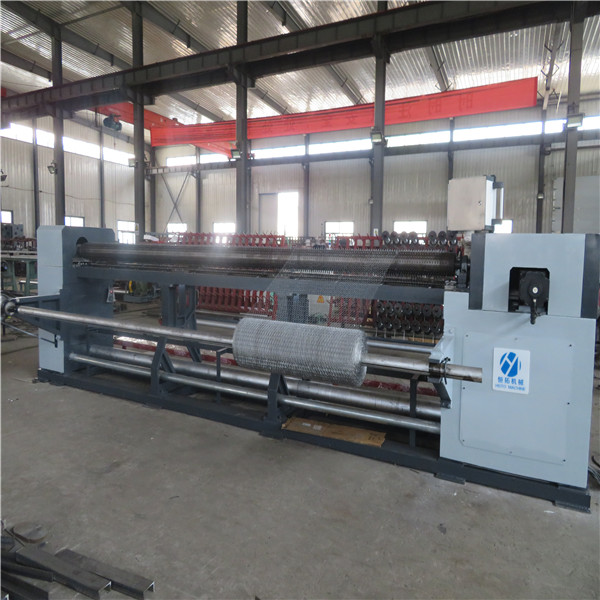
In the simplest terms, an aluminium wire drawing machine is a piece of industrial equipment designed to reduce the diameter of aluminium rods by pulling them through a series of dies—each progressively smaller. The process is surprisingly intricate. The machine needs to control speed, tension, and cooling, keeping the wire's strength intact.
This machinery is a fundamental link between raw aluminium ingots and the finished wire that becomes power cables, transmission lines, and even tiny internal circuits in electronics. Beyond industry, in humanitarian projects, aluminium wiring is used in temporary power solutions for disaster relief shelters — light, sturdy, and reliable under harsh conditions.
Core Components and Characteristics of an Aluminium Wire Drawing Machine
1. Precision Die Sets
The heart of the machine lies in the die sets—carefully engineered holes that the aluminium is pulled through. These determine the wire's final diameter and finish quality. High-quality die materials reduce wear and energy consumption.
2. Powerful Drawing Capstan
This section provides the tensile force needed to "pull" the aluminium through the dies. The motor's power and stability directly influence wire consistency and production speed.
3. Lubrication and Cooling Systems
Friction can quickly damage wire and tools. An integrated lubrication system ensures continuous lubrication, while cooling prevents overheating, vital for maintaining the wire’s characteristics.
4. Automated Control Panels
Modern machines come equipped with digital interfaces for monitoring speed, tension, and temperature in real-time. Automation reduces operator error and increases production efficiency.
5. Durability and Material Quality
Given the rigorous operating conditions, machines are constructed from hardened alloys with corrosion-resistant coatings to handle the stress for years.
Mini takeaway: When buying or assessing aluminium wire drawing machines, these core components often indicate the quality, scale, and reliability you can expect on the shop floor.
How Aluminium Wire Drawing Machines Are Used Globally
Their applications spread across numerous sectors:
- Electrical grid expansions: Countries like China and India are ramping up aluminium wire production for massive electrification drives.
- Transportation: Automotive and aerospace industries increasingly use aluminium wiring for weight reduction and enhanced efficiency.
- Telecommunications: Light aluminium wiring is ideal for long-distance cables, improving signal reliability.
- Humanitarian and remote area projects: Portable power solutions in disaster zones often rely on aluminium wiring — thanks to the machines producing consistent, high-quality wire.
For example, in post-disaster scenarios like hurricane zones, aluminum wiring produced by these machines enables quick deployment of temporary electrical systems that are both safe and resilient — which can literally save lives.
Benefits and Long-Term Value of Aluminium Wire Drawing Machines
It’s not just about making wire; it’s about sustainability, economics, and innovation rolled into one.
- Cost Efficiency: Aluminium wire drawing machines reduce waste and energy use, passing savings onto consumers.
- Sustainability: Aluminium is more abundant and recyclable compared to copper, reducing environmental impact.
- Social Impact: Reliable, affordable wiring improves living standards by powering homes, hospitals, and schools.
- Innovation & Safety: Automation reduces manual labor and risk, enhancing workplace safety and product quality.
Emotionally speaking, companies that invest in these machines often gain trust — they’re seen as forward-thinking and responsible, which in today’s market can be invaluable.
Specifications at a Glance: Aluminium Wire Drawing Machine
| Specification |
Typical Value |
Notes |
| Drawing Speed |
20–60 m/min |
Depends on wire gauge and alloy |
| Wire Diameter Range |
0.1 mm to 16 mm |
Varies by die size |
| Motor Power |
30–150 kW |
Higher power for thicker wires |
| Automation Level |
Semi to Fully Automated |
Based on model/version |
| Lubrication System |
Circulating oil or emulsion based |
Essential for quality and tool life |
Vendor Comparison: Leading Aluminium Wire Drawing Machine Manufacturers
| Vendor |
Price Range (USD) |
Automation |
Warranty |
Key Strength |
| HTM Machines |
$120,000 – $350,000 |
Fully Automated |
3 years |
Customizable solutions, aluminium wire drawing machine |
| WireTech Global |
$90,000 – $300,000 |
Semi-Automated |
2 years |
Broad after-sales service network |
| AluDraw Solutions |
$150,000 – $400,000 |
Fully Automated |
5 years |
Advanced control systems, energy-saving tech |
Emerging Trends and Innovations
It feels like every few years, the wire drawing industry gets shaken up by new tech. Currently, there's a strong push toward greener machines — ones that use regenerative motors and smart lubrication systems. Plus, digital twin tech allows operators to simulate draw conditions before pulling the actual wire, improving precision and reducing waste.
Automation continues to rise, including robotic wire handling and real-time defect detection sensors. These machines are also integrating with factory IoT for better diagnostics and predictive maintenance. It’s quite exciting—aluminium wire production is no longer just metal being pulled; it’s a high-tech, interconnected process.
Common Challenges and How Experts Are Addressing Them
Of course, it’s not all smooth sailing. Problems like tool wear, inconsistent wire diameter, and lubrication failures still come up frequently. But manufacturers are experimenting with tougher die coatings and advanced cooling fluids that last longer and are more eco-friendly.
Another issue is the initial cost and technical know-how required. Many smaller manufacturers struggle to modernize their plants. This is where modular, scalable solutions from companies like HTM Machines come into play, offering flexible setups that grow with demand.
Frequently Asked Questions About Aluminium Wire Drawing Machines
Q1: What factors affect the quality of aluminium wire produced?
A: The quality hinges on the precision of die sets, control of drawing speed, effective lubrication, and cooling systems. Any variation can cause defects like uneven diameter or surface roughness.
Q2: How energy-efficient are modern aluminium wire drawing machines?
A: Thanks to advances in motor technology and process automation, newer machines can reduce energy consumption by up to 20-30% compared to older models—helping manufacturers cut costs and carbon footprints.
Q3: Can aluminium wire drawing machines produce wires for specialized applications like aerospace?
A: Yes. Machines with fine control features can produce ultra-precise wires meeting strict aerospace standards for strength and conductivity, often incorporating complex alloys.
Q4: What kind of maintenance do these machines require?
A: Regular lubrication system checks, die inspections, and monitoring of tension controls are essential. Predictive maintenance tools are becoming common to prevent unexpected downtime.
Q5: Are there eco-friendly lubricants suitable for use in wire drawing?
A: Absolutely. Bio-based, biodegradable lubricants are increasingly favored, reducing environmental impact without compromising on wire quality or machine protection.
Wrapping It Up
Frankly, aluminium wire drawing machines quietly power an essential industry transition toward sustainable, lightweight, and efficient wiring solutions across the globe. Whether for electrifying rural communities or assembling the next generation of aircraft, their role is indispensable.
For manufacturers and engineers looking for reliable, customizable options, diving into solutions by experts like HTM Machines is a smart move. They understand the modern demands and are pushing the envelope every step of the way.
Go ahead and explore more — the right machine might just spark your next breakthrough.
References
- World Bank: Energy Demand Forecast
- International Aluminium Institute
- Wikipedia: Wire Drawing